Quick Answer
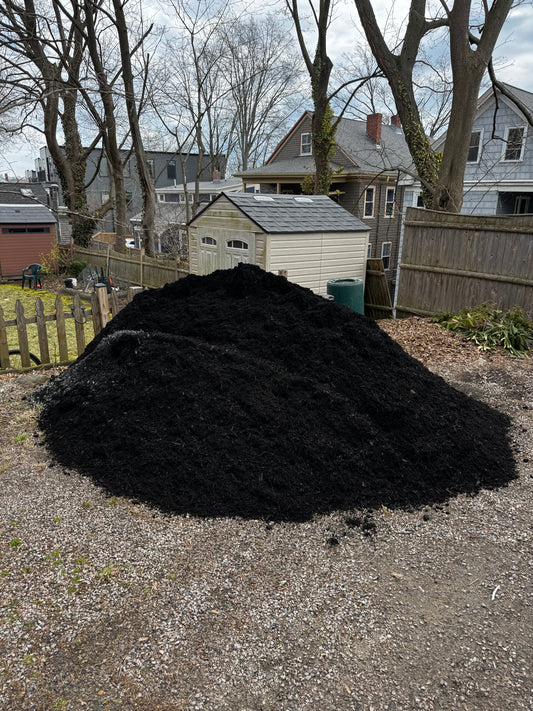
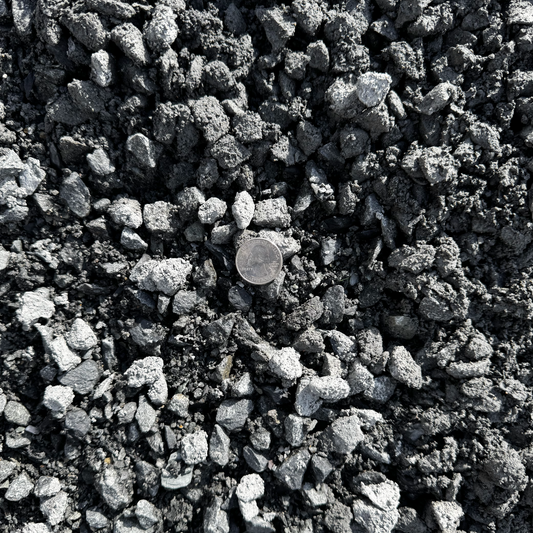
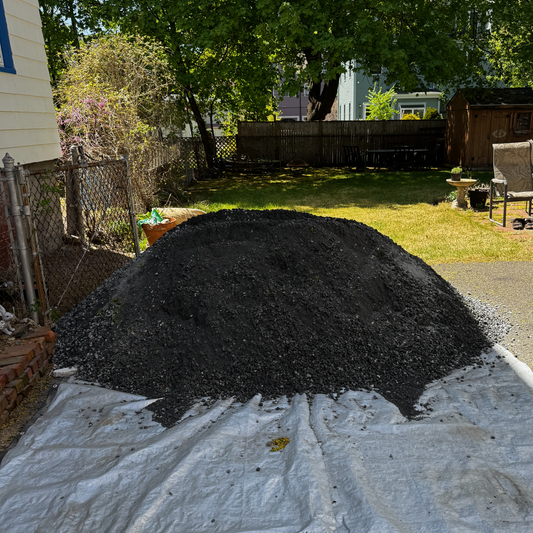
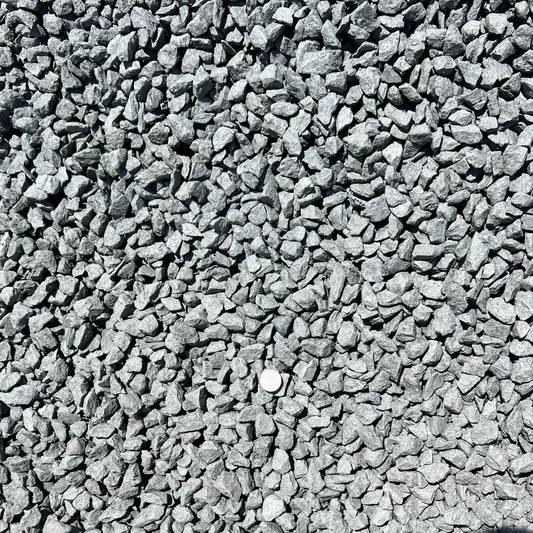
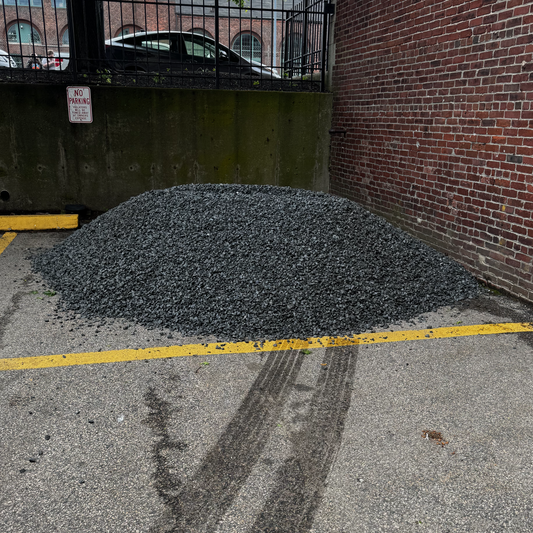
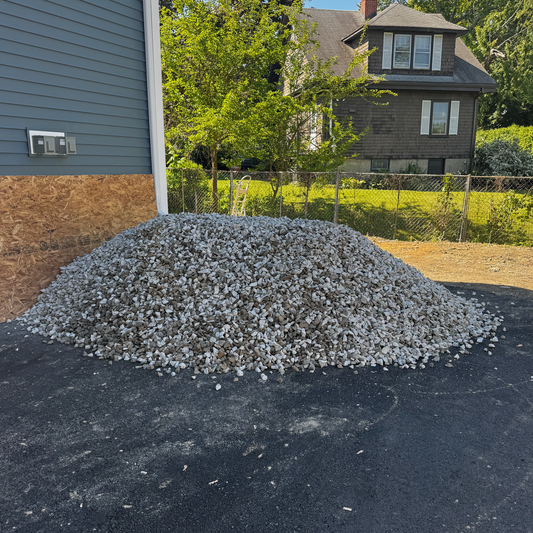
A working snow-and-ice management kit for an eastern Massachusetts homeowner is bulk rock salt as the workhorse, mason sand for traction at lawn edges and brick walks, a few bags of calcium chloride in reserve for sub-15-degree days, and a sealed bin to keep all of it dry. Buy bulk by the cubic yard for half the per-pound cost of bagged. Apply at 1-2 oz per square foot, not 4-6. Match the chemistry to the temperature, not the storm.
The Suffolk County Reality
Suffolk County packs Boston, Chelsea, Revere, and Winthrop into 58 square miles of dense, historic, hard-surface real estate. The materials that work for a sprawling Plymouth driveway aren't the same as the ones that protect a Charlestown granite stoop or a Beacon Hill brick walk. This guide answers the questions Suffolk homeowners actually ask in January about what to buy, when to apply it, and how to store it.
Q: What's the difference between rock salt, calcium chloride, and magnesium chloride?
A: Effective temperature and price.
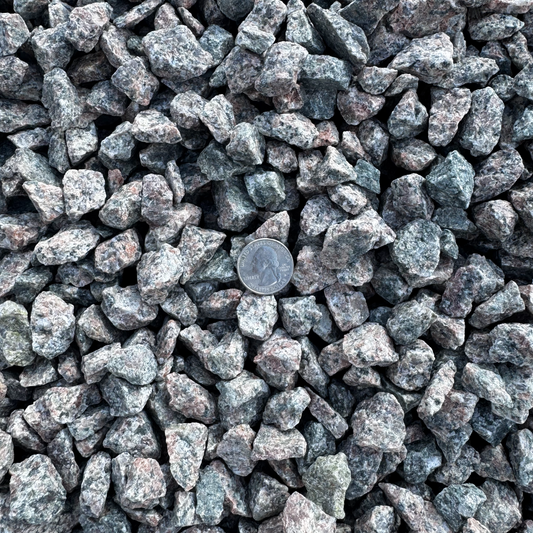
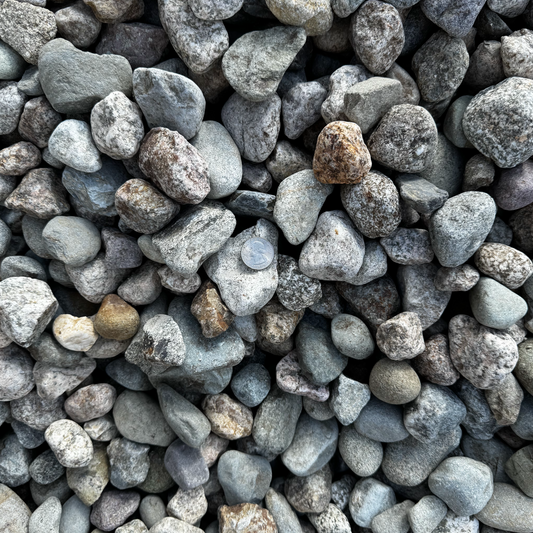
- Sodium chloride (rock salt) — works to about 15 degrees F. Cheapest. The workhorse for typical Boston winter days.
- Calcium chloride — works to about -25 degrees F. Generates heat as it dissolves. Premium price. Reserve for cold snaps and pre-treatment.
- Magnesium chloride — works to about 5 degrees F. Less corrosive than rock salt. Marketed as concrete- and pet-friendlier.
- Potassium chloride or urea — works to about 25 degrees F only. Marketed as fertilizer-safe. Limited cold-weather utility.
For full label-reading, see How to Read an Ice Melt Bag: Active Ingredients, Coverage, and Cold Rating.
Q: How much should I buy for a typical Suffolk County winter?
A: 1.5-2 cubic yards of rock salt for a two-car driveway and walk.
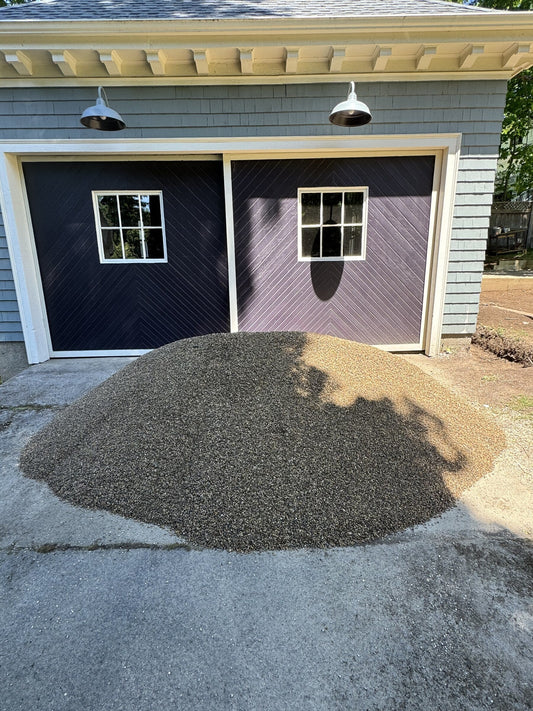
That's one bulk delivery early in the season — about half the per-pound cost of bagged retail. Add half a yard of mason sand if you have brick walks, lawn-edge zones, or stairs. Keep two 50-lb bags of calcium chloride in reserve for the 3-5 sub-15-degree mornings most Boston winters bring.
For application math by driveway size, see How to Calculate Driveway Salt Coverage for a Brookline Apartment-Building Apron.
Q: Why use sand if salt melts ice?
A: Salt is a chemistry; sand is traction.
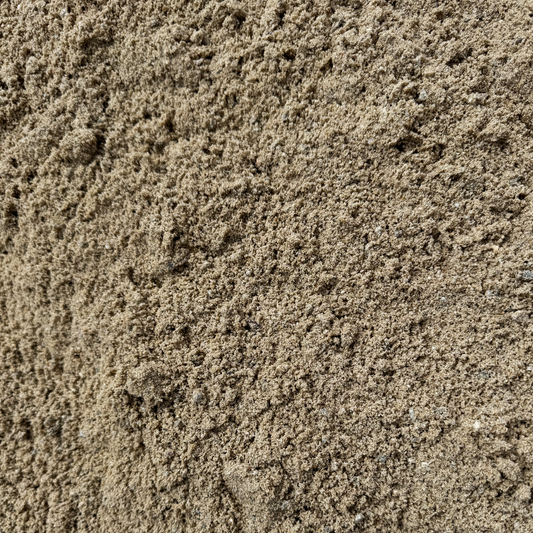
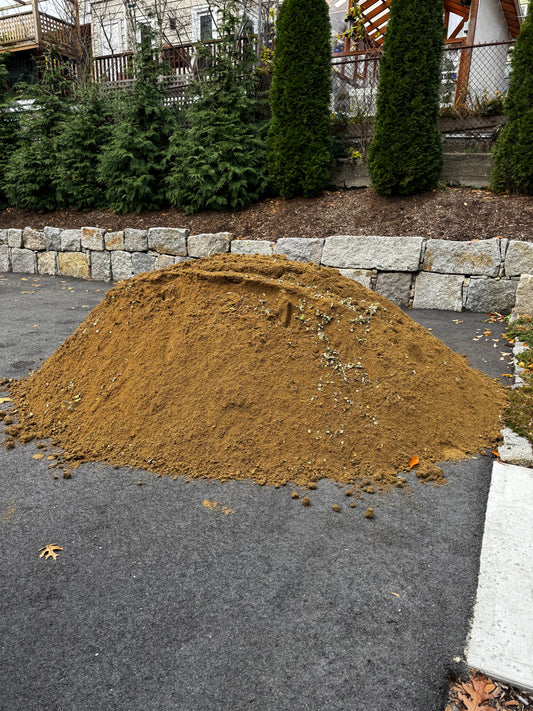
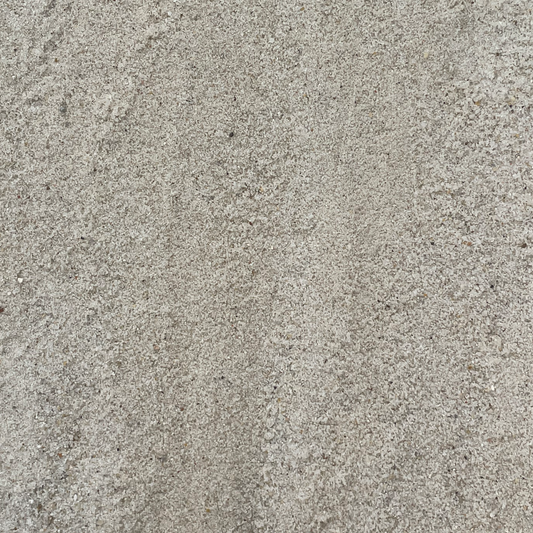
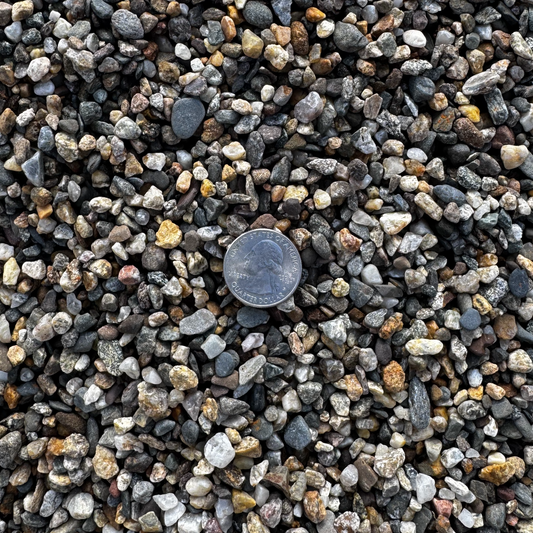
In Suffolk's older neighborhoods — South End, Beacon Hill, Charlestown, parts of Dorchester — brick, brownstone, and granite stoops can't take heavy chloride loads without surface scaling. Mason sand provides instant grip with zero chemistry. You sweep it up in spring.
Sand also outperforms salt below 15 degrees F because it works mechanically; chemistry slows down in cold. For grain specs and the difference between mason and bank-run sand, see Mason Sand vs Bank Sand: A Worcester County Winter Traction Q&A.
Q: What about salt-sand blends?
A: The 20/80 (20% salt, 80% sand) blend is the inner-ring-suburb sweet spot.
It gives you traction with one-fifth the chloride load. Right call for Newton, Brookline, Watertown, Cambridge — neighborhoods with tight lawn edges, mature trees, and irrigated landscapes that don't tolerate heavy salt. The 50/50 blend is for higher-traffic commercial walks where you need more melting punch.
Both blends are stocked by the cubic yard. See the Snow & Ice Management collection.
Q: When do I apply, and how much?
A: 1-2 oz per square foot before the storm; 2-4 oz per square foot after.
Pre-treatment 60-90 minutes before precipitation prevents the bottom layer of snow from bonding to the surface. The plow scrapes cleaner and you need less salt afterward. Skip pre-treatment for storms forecast over 12" — the plow sweeps your investment away.
Post-storm, less is more. Heavy-handed application damages concrete, kills grass at the curb, and runs into the harbor.
Q: How does temperature change the right product?
A:
| Temp | Best product | Why |
|---|---|---|
| 32-25 F | Rock salt | Cheap, plenty effective |
| 25-15 F | Pre-treated rock salt | Faster melt onset |
| 15-5 F | Calcium chloride or treated salt | Rock salt slows down |
| Below 5 F | Calcium chloride + sand | Calcium for melt, sand for traction while it works |
For a real-world test of calcium chloride across this range, see Ottr's Granular Calcium Chloride: Real-World Notes from a Plymouth Driveway.
Q: How should I store bulk salt?
A: Sealed, off the cold concrete, away from the lawn edge.
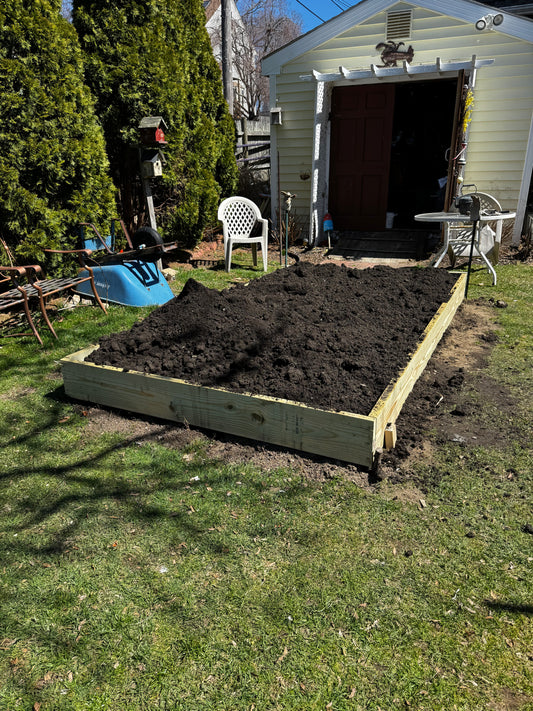
A 30-gallon trash can with a lid works for one bag's worth. For a full season's bulk supply, build a weatherproof bin — see Weekend Project: Building a Weatherproof Salt-and-Sand Bin for a Hyde Park Side Yard for the materials list and walkthrough.
Bagged calcium chloride is hygroscopic — opened bags pull moisture from the air and clump to a brick within a week. Keep them sealed in a tote.
Q: How do I order before a Nor'easter without paying a premium?
A: Order the moment the National Weather Service issues a Watch, not a Warning.
Bulk demand peaks 24-48 hours before storm onset. Trucks are fully booked once the Warning posts because dispatchers are routing plows. The full breakdown is in How a Coastal Nor'easter Reshapes Bulk Material Demand Across Boston.
Q: What about runoff into the Charles and Mystic?
A: Real, and worth caring about.
Suffolk County drains into the Charles, Mystic, and Boston Harbor. Chloride doesn't biodegrade; it concentrates. The EPA Smart Salting program is the authoritative regional guide. The single biggest homeowner lever is applying less, not switching products. A 1-oz-per-square-foot application is half the runoff of a 2-oz application and works almost as well.
Q: Where do I buy?
A: Bulk by the cubic yard from Ottr. The full lineup is in the Snow & Ice Management collection — rock salt (treated and untreated), salt-sand blends, mason sand. For Suffolk County delivery scheduling, the Boston landscape supply collection covers the neighborhood-level routing.
The Suffolk Playbook in One Page
- December 1: Order 1.5-2 yards bulk rock salt + 0.5 yard mason sand. Build or buy a sealed bin.
- Each storm: Pre-treat 60-90 min before precipitation with 1-2 oz/sq ft. Apply at the same rate post-storm only where bonded ice remains.
- Cold snap (under 15 F): Switch to calcium chloride or treated salt. Add sand for grip while the chemistry works.
- Lawn-edge zones, brick walks, stairs: Use mason sand or 20/80 blend, not straight salt.
- Mid-winter thaw: Hose down lawn-edge zones to flush salt before damage sets in.
- March-April: Inspect for salt-damage stripe at the curb. Reseed if needed.
For the broader 2026 supply outlook, see 2026 Landscape Material Outlook for Plymouth County and Eastern MA. For region-specific landscape impact, the UMass Extension Landscape program is the most authoritative MA source. For Nor'easter forecasting, follow NWS Boston.