Quick Answer
A weatherproof salt-and-sand bin for a Hyde Park side yard takes about four hours and $140 in materials. Build a 4'x2'x2' pressure-treated frame with a sloped, hinged lid, line it with 6-mil poly, and drop in two cubic feet each of bulk rock salt and mason sand. The slope sheds rain, the poly stops chloride from rotting the wood, and the side-yard footprint stays under three square feet — narrow enough to slip between a Hyde Park triple-decker and the property-line fence.
Why a Bin Beats Bagged Storage
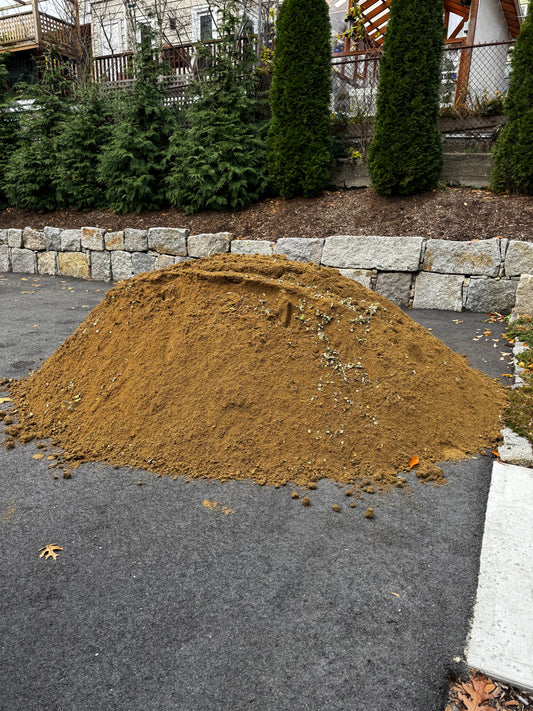
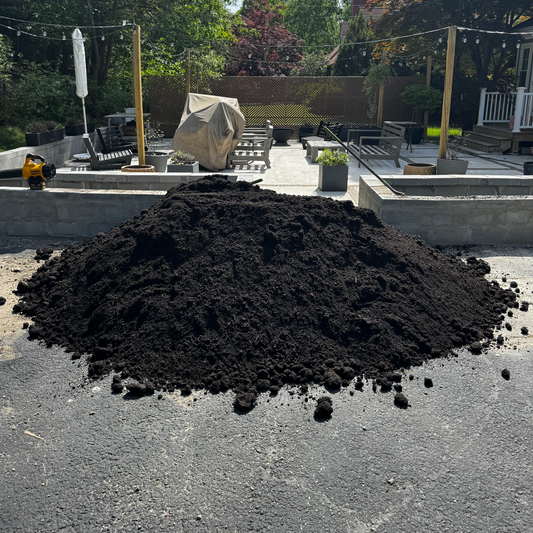
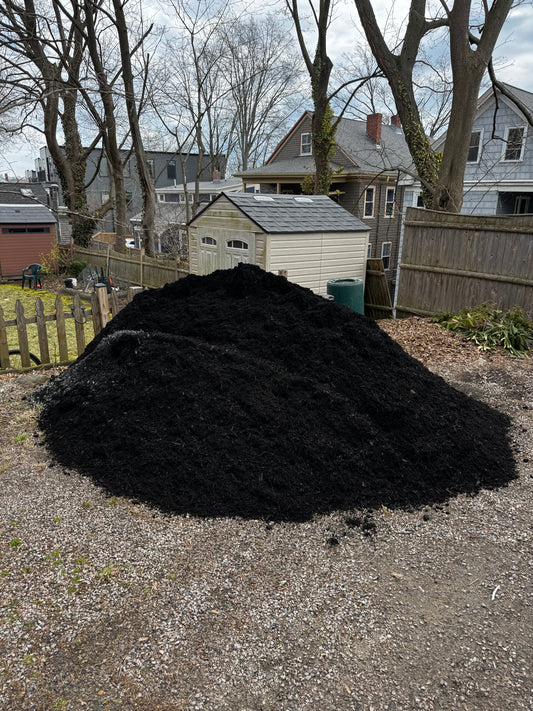
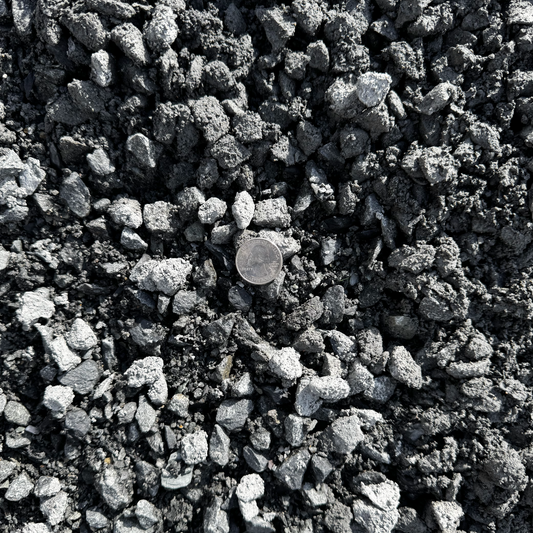
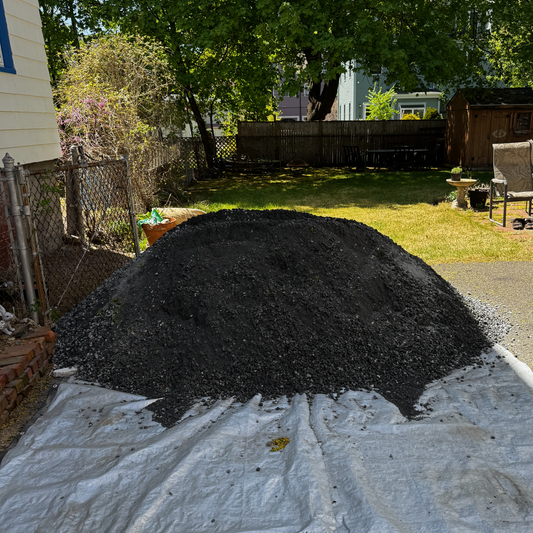
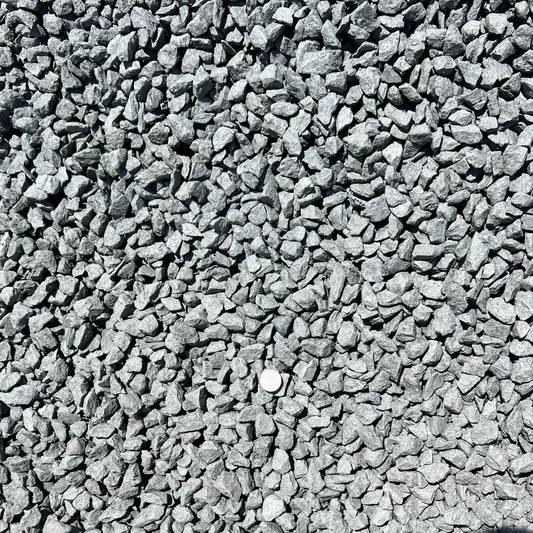
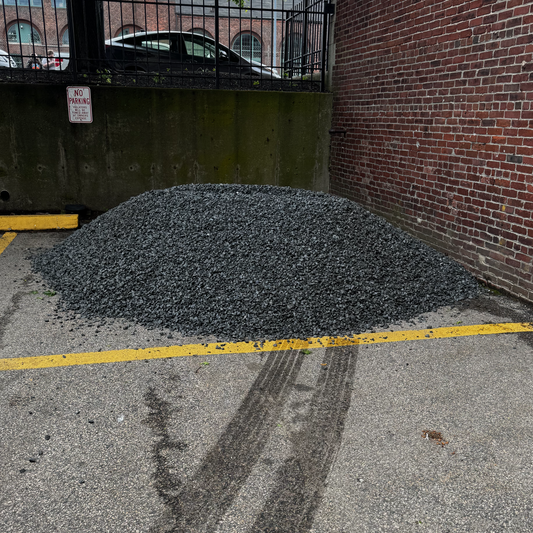
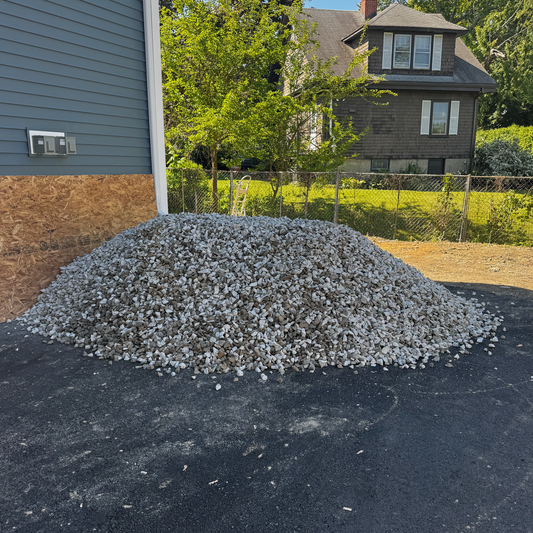
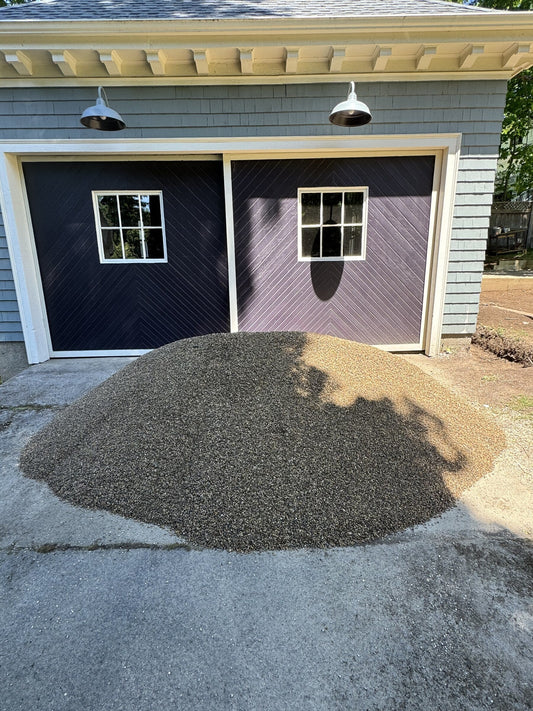
Hyde Park lots are narrow. A standard pallet of bagged ice melt eats half the side yard and the bags slump and split by February. A purpose-built bin holds the same volume in a smaller footprint, keeps moisture out, and lets you scoop with one hand while the other holds the storm door open. Bulk by the cubic yard from Ottr also runs about half the per-pound cost of bagged retail — the Snow & Ice Management collection has the rock salt, treated salt, and salt-sand blends.
Materials List (about $140)
- (3) 2x4x8 pressure-treated studs
- (1) sheet 1/2" pressure-treated plywood (4'x8')
- (2) 3" exterior strap hinges
- (1) hasp + carabiner (kid- and raccoon-resistant)
- (1) 6-mil poly sheeting roll, 4'x10'
- 2.5" exterior deck screws (1 lb box)
- (1) tube exterior construction adhesive
- (4) rubber feet or 2" pavers for ground clearance
- (Optional) leftover asphalt shingles or roll roofing for lid weatherproofing
Cut List
From the 2x4s: - (4) 24" verticals (corners) - (2) 45" long rails (front + back, top) - (2) 21" short rails (sides, top) - (2) 45" long rails (front + back, bottom) - (2) 21" short rails (sides, bottom)
From the plywood: - (1) 48"x24" floor - (2) 24"x24" ends - (1) 48"x26" sloped lid (extra 2" for overhang and slope) - (2) 48"x24" front + back sides
The Build (about four hours)
1. Frame the box (60 min)
Screw the bottom rectangle (two 45" + two 21" rails) flat. Stand the four 24" verticals at the corners. Cap with the top rectangle. Square it before driving the last screws — diagonal measurements should match within 1/8".
2. Skin it (45 min)
Glue and screw the plywood floor first. Then the two ends, the back, and the front. Pre-drill the plywood near edges so it doesn't split.
3. Build the sloped lid (45 min)
The lid is one 48"x26" plywood piece set on a wedge: shim the back rail up by 2" so rain runs to the front. Attach with the strap hinges along the back. Add the hasp at the front. If you've got leftover shingles, glue them to the top — adds 5 years to the lid.
4. Line and load (45 min)
Cut a piece of 6-mil poly to drape inside, floor and walls, with 4" overhang at the top. Staple at the rim. This is the part most DIY guides skip — chloride wicks into untreated wood end-grain, even on PT lumber, and rots the bin in two seasons. The poly liner stops it cold.
Set the bin on the four rubber feet or two pavers so the floor isn't sitting in a puddle every thaw.
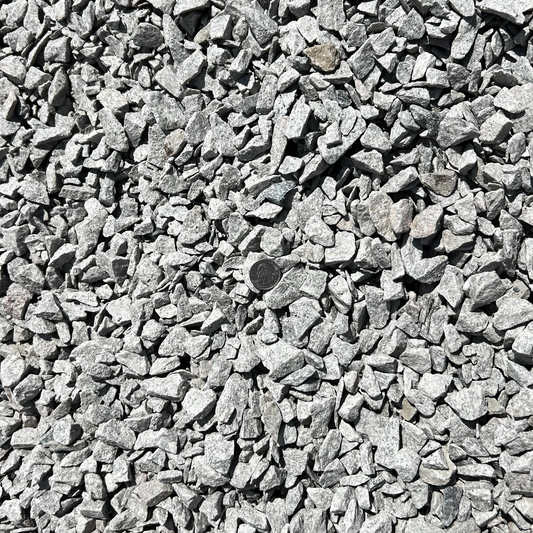
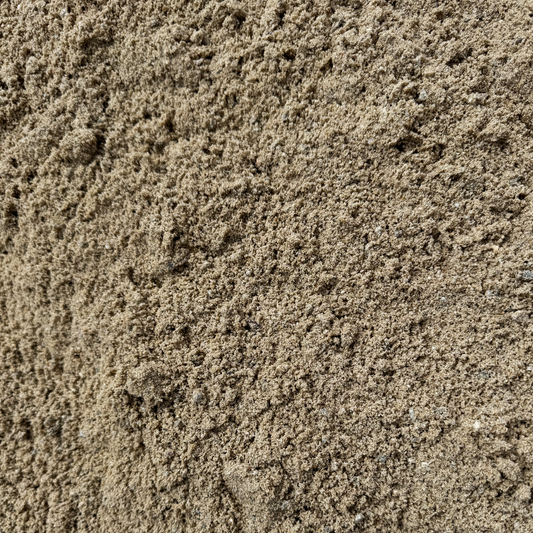
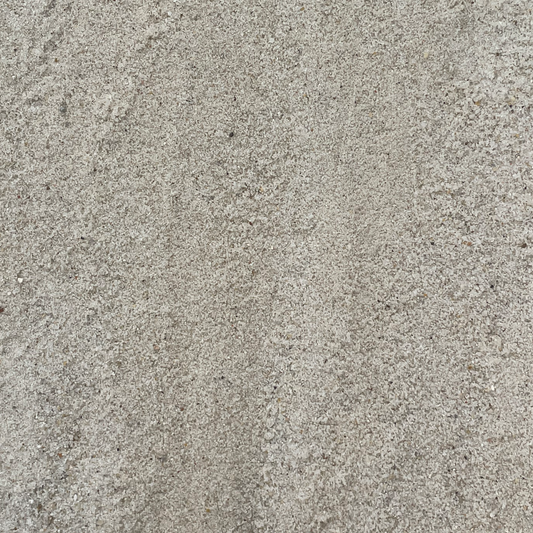
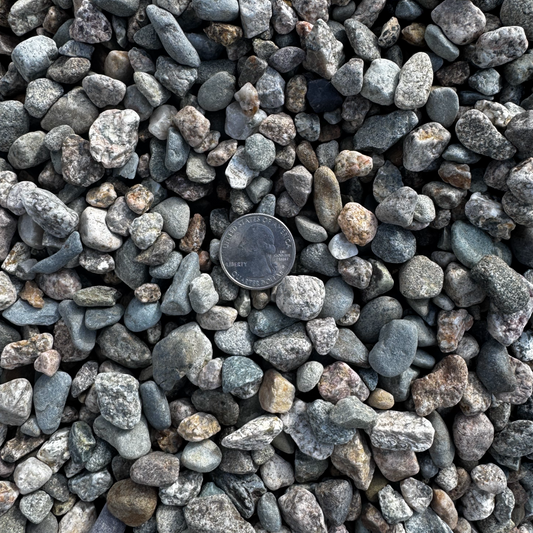
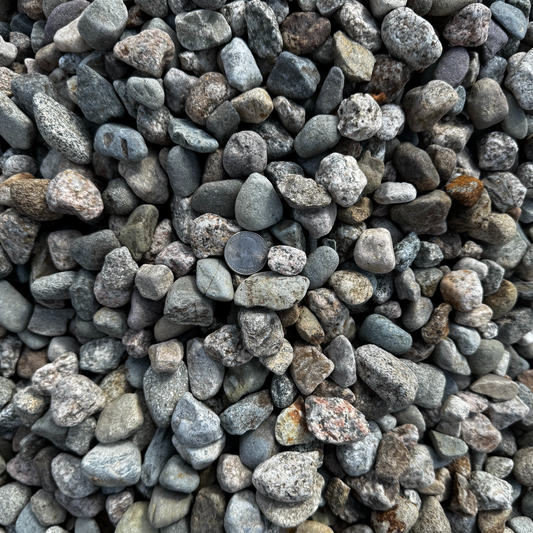
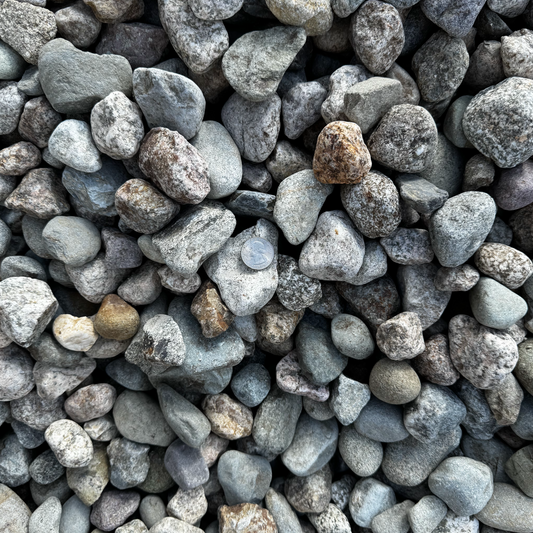
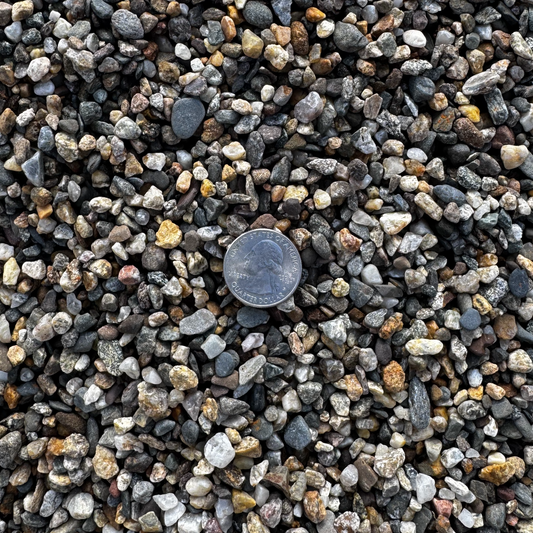
Fill: two cubic feet of bulk rock salt on one half, two cubic feet of mason sand on the other. A salt-sand 20/80 blend works in either compartment if you only need one chemistry — see How to Order Bulk Winter Sand for a Plymouth, MA Driveway for grain and ordering specs (same sand we deliver to Hyde Park). For a smaller-footprint indoor option, see 5 Smart Ice Melt Storage Spots for Cambridge Brick Stoops and Tight Garages.
Where to Place It in a Hyde Park Side Yard
Pick the side away from the kitchen window — chloride dust drifts. Keep at least 3' from any siding (salt fines kick up onto vinyl in summer wind). And keep it off the lawn edge; even sealed, a small spill from refilling will stripe the grass by April.
If you're new to bulk ordering, the Hyde Park landscape supply collection has delivery scheduling for the neighborhood. For low-temp performance notes on calcium chloride, see Ottr's Granular Calcium Chloride: Real-World Notes from a Plymouth Driveway.
For broader runoff and over-application impact in the Neponset River watershed (which drains Hyde Park), the EPA Smart Salting program is the authoritative source. UMass weighs in on local landscape impact at the UMass Extension Landscape program.