Quick Answer
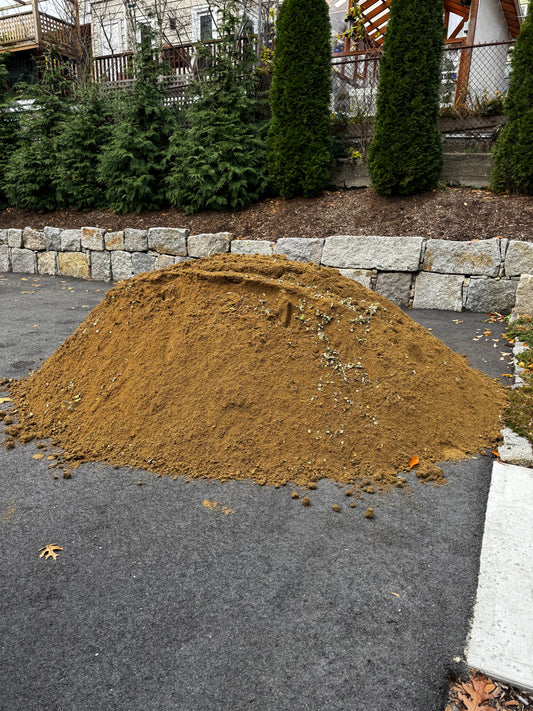
For a Plymouth, MA driveway, bulk winter sand orders go in three flavors: mason sand (fine, sharp, for top-dressing icy walks and traction-only strips), salt-sand 50/50 (heavy melt + traction blend for cold snaps), and salt-sand 20/80 (light salt, mostly traction — protects lawns and old concrete). For a typical Plymouth driveway, 1 to 2 cubic yards covers the season. Order 7–10 days ahead during peak winter; specify cubic yards, blend, drop location, and access constraints.
Step 1 — Pick Your Sand Type
Three options stocked at Ottr by the cubic yard:
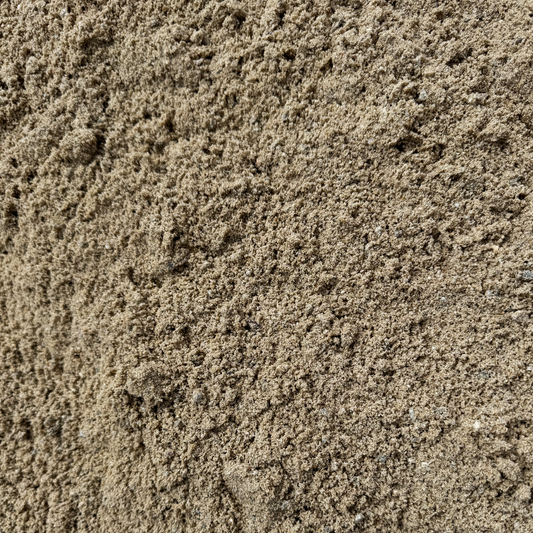
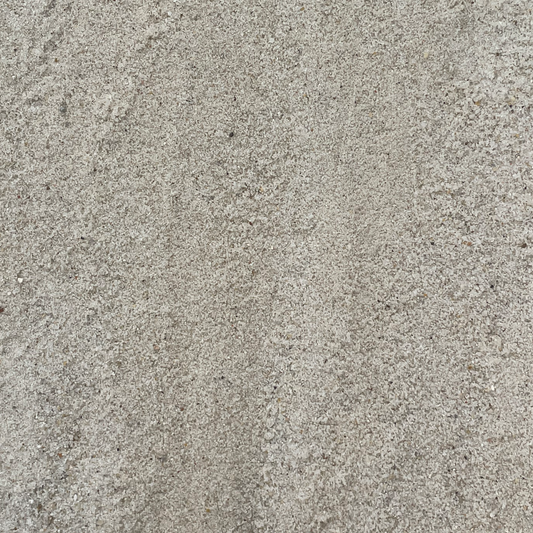
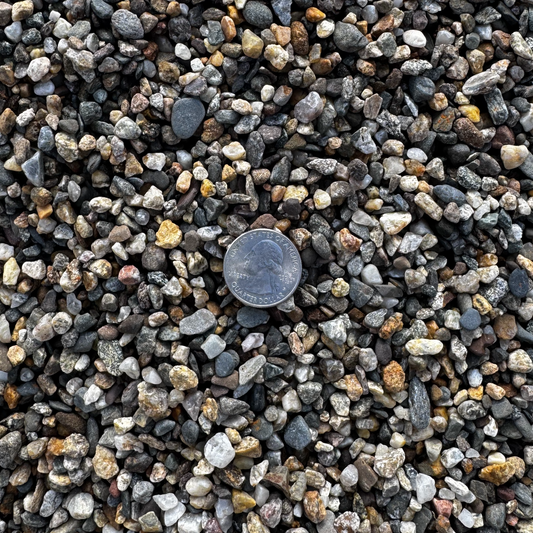
- Mason sand — pure sand, sharp grains, no salt. Use for the lawn-adjacent strip, brick walks, and any spot you can't risk chloride exposure. Doubles as paver bedding sand the rest of the year.
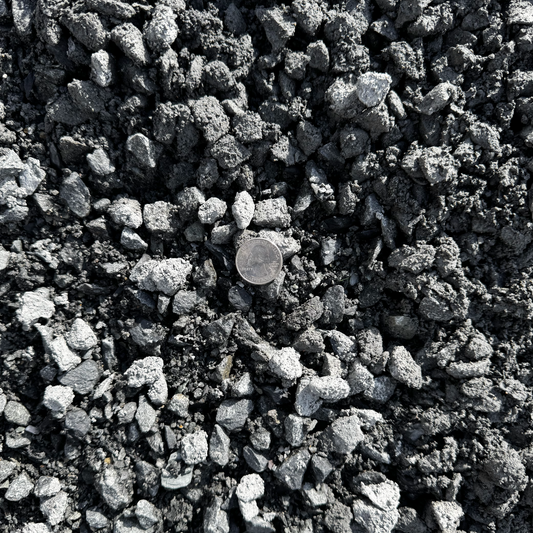
- Salt-sand 50/50 — half rock salt, half mason sand. The cold-snap workhorse. Use when temps drop below salt's effective range (sub-15°F) — the sand provides traction even when the salt slows down.
- Salt-sand 20/80 — 20% salt, 80% sand. Lighter chloride load. The right pick for protecting a Plymouth driveway's lawn edges and older concrete or brick walks.
Browse the Snow & Ice Management collection for current per-yard rates. For a deeper dive into when each blend wins, see 5 Ice Melts Compared for Suffolk County Driveways — same logic applies to Plymouth.
Step 2 — Size Your Order
A typical Plymouth two-car driveway is 600–900 sq ft. Coverage rules:
- Mason sand for traction: ¼–½ pound per sq ft per application. 1 cubic yard ≈ 2,800 lbs ≈ 8–10 applications.
- Salt-sand 50/50: same rate. 1 cubic yard ≈ 8–10 applications.
- Salt-sand 20/80: heavier rate (½–¾ lb per sq ft) since you're relying on traction more than melt. 1 cubic yard ≈ 6–8 applications.
For a typical Boston-area winter (15–20 plow events), 1.5 to 2 cubic yards covers a Plymouth driveway. Round up if you've got long sidewalk frontage.
For the full sizing math by driveway dimensions, How to Calculate Driveway Salt Coverage for a Brookline Apartment-Building Apron walks through the per-square-foot rates.
Step 3 — Schedule the Delivery
Lead time: 1–3 days in normal weather, 7–10 days during a forecast cold snap or major storm. Bulk salt and sand sell out fast when a storm front lands on the forecast.
Truck size: Ottr runs 14-yard tri-axles and smaller 5–7-yard single-axle trucks. For a 1–2 yard order, the smaller truck is usually the better fit — turns easier in a Plymouth cul-de-sac and has lighter ground-pressure on a frozen lawn.
Dispatch information to provide: - Address and any cross-street markers - Cubic yards by blend - Preferred dump location (driveway entry, side yard, etc.) - Access constraints (low branches, narrow turn radius, gate codes) - Time window or specific date
If you're sharing a delivery with a neighbor, mention spot-drop coordinates so the truck can split the load.
Step 4 — Prep the Drop Site
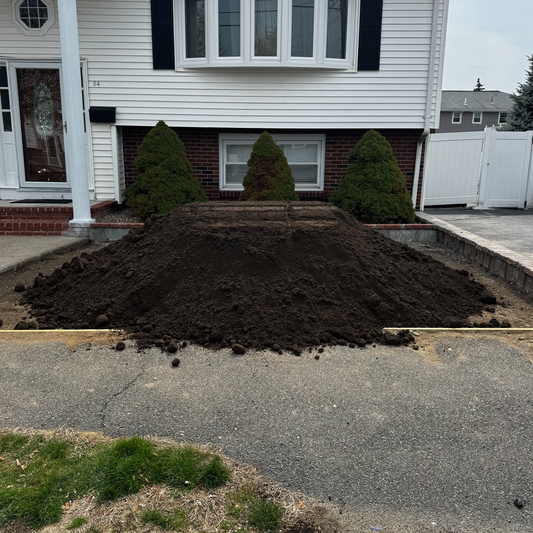
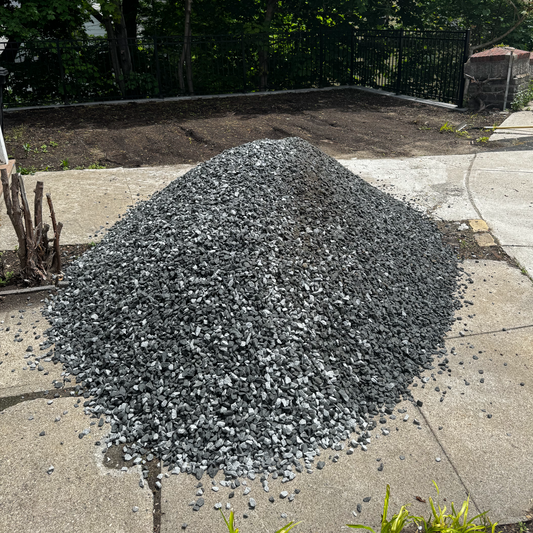
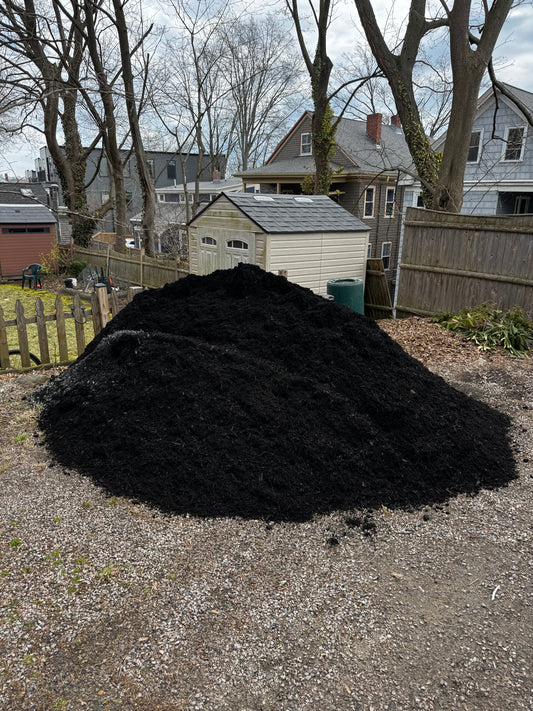
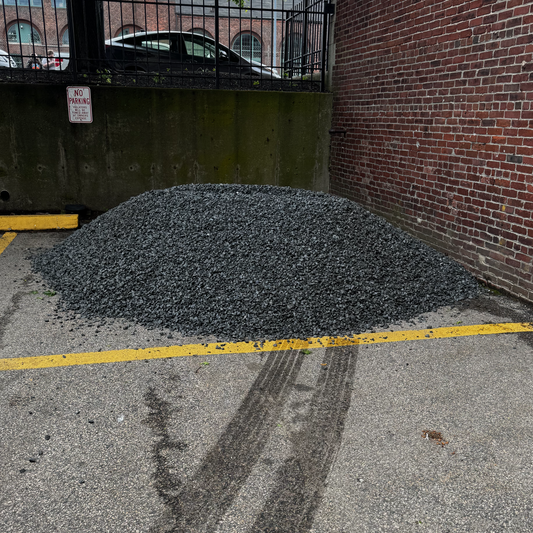
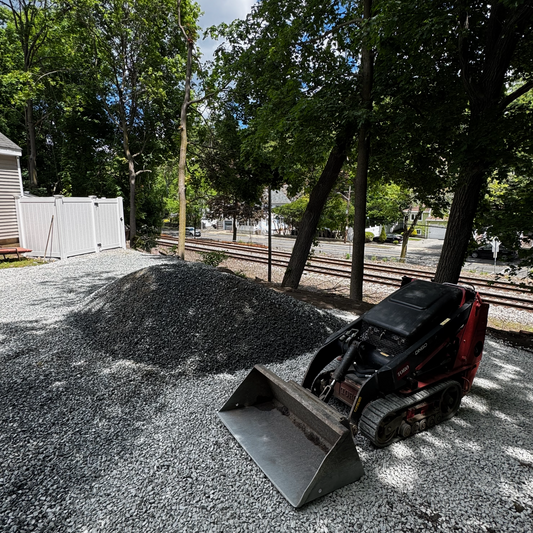
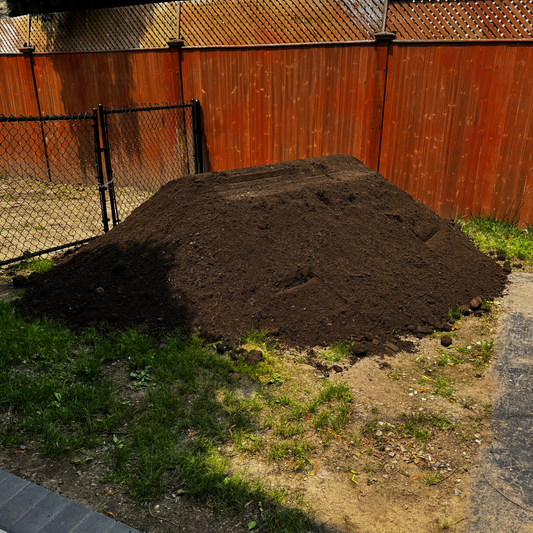
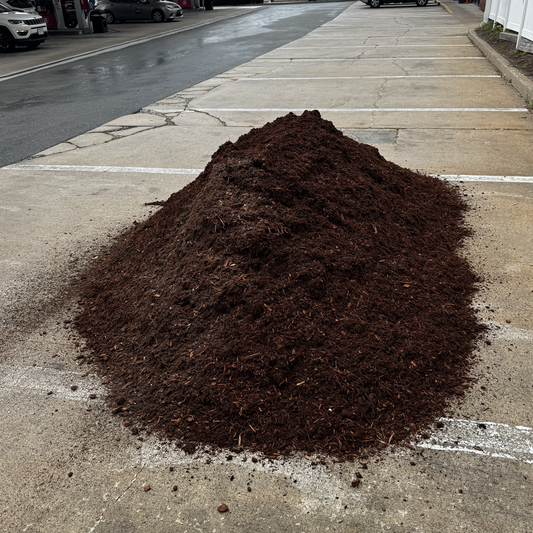
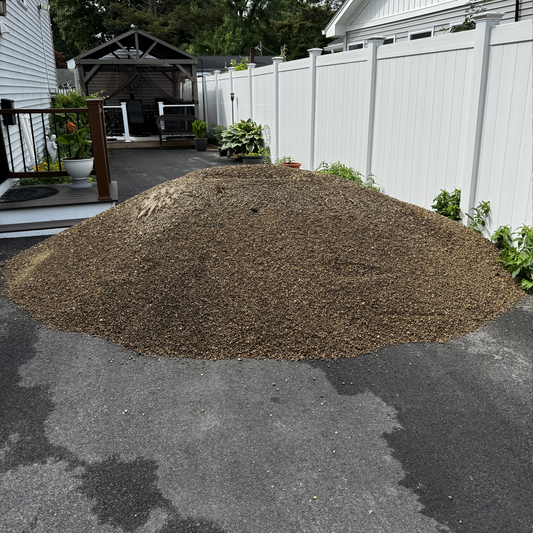
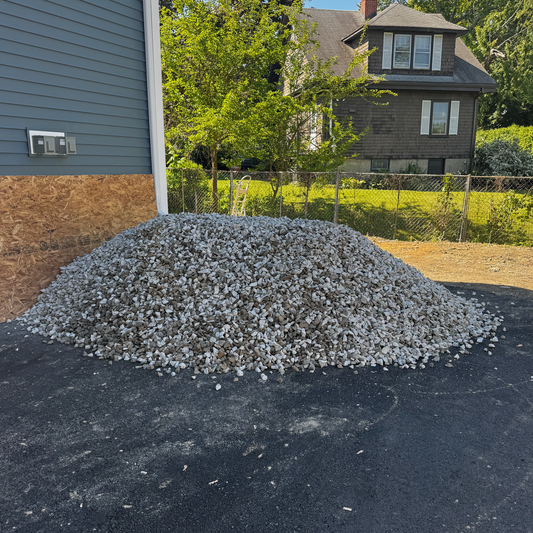
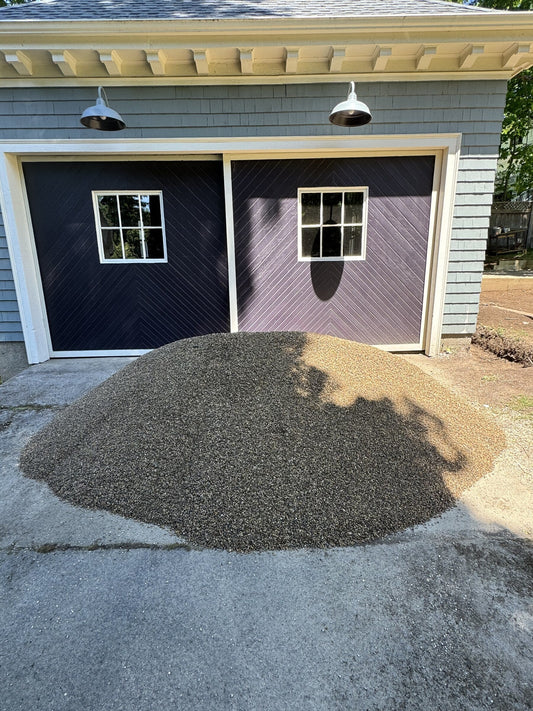
Clear a roughly 8'×10' flat area where the truck can dump. The pile sits about 4 feet tall for 2 yards, 6 feet tall for 4 yards.
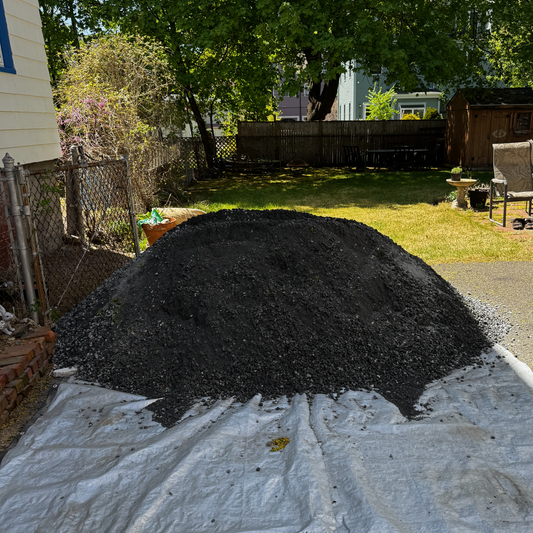
Pad the drop site with a tarp or plywood sheet if you don't want sand staining the asphalt or grass. Especially important for salt-sand blends — the salt content stains.
If the truck can't reach your preferred drop location, the dispatcher can usually coordinate a curbside drop. Just ask in advance.
Step 5 — After-Delivery Storage
For 1–2 yard orders, work through it as you go — the pile shrinks across the season. Cover the pile with a tarp between events to keep precipitation out (wet sand clumps fast).
For larger orders, consider transferring to lidded bins. See Weekend Project: Building a Weatherproof Salt-and-Sand Bin for a Hyde Park Side Yard for a DIY bin design that works in tight side yards.
Common Mistakes
- Ordering too late. A storm forecast on Monday means everyone in southeastern Massachusetts is calling Ottr by Wednesday. Plan a week ahead.
- Mixing blends in the same pile. The 50/50 and 20/80 blends have different chemistry; once mixed, you can't separate. Order what you'll actually use.
- Forgetting the curb cut. Plymouth driveways with curb cuts at the road need their own application — usually a half pound of straight salt or 50/50 dropped right at the metal edge.
- Over-applying mason sand. Sand alone gives traction but doesn't melt. Pair with a salt application elsewhere on the driveway.
Mason Sand vs Bank Sand: A Quick Note
If you've heard a contractor reference "bank sand" or "bank-run sand," that's a coarser, less-screened material than mason sand — typically used as fill rather than for traction. For winter driveway use, mason sand wins on sharp grain structure and clean grain size. See Mason Sand vs Bank Sand: A Worcester County Winter Traction Q&A for the full breakdown.
For Plymouth's specific watershed runoff considerations and application standards, the EPA Smart Salting program is the authoritative source.