Quick Answer
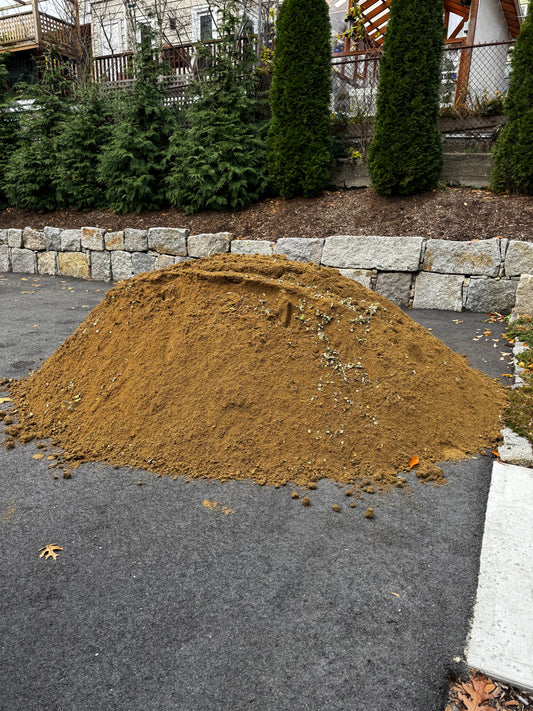
For winter driveway traction in Worcester County, mason sand wins. It's a fine, sharp, screened sand with clean uniform grain — perfect for spreading thin and biting into ice. Bank sand (also called bank-run or pit-run) is coarser, contains organics and small stones, and is meant for structural fill, not traction. Use mason sand for winter; reserve bank-run for grading and rough fill projects in spring and summer.
Q: What's the difference between mason sand and bank sand?
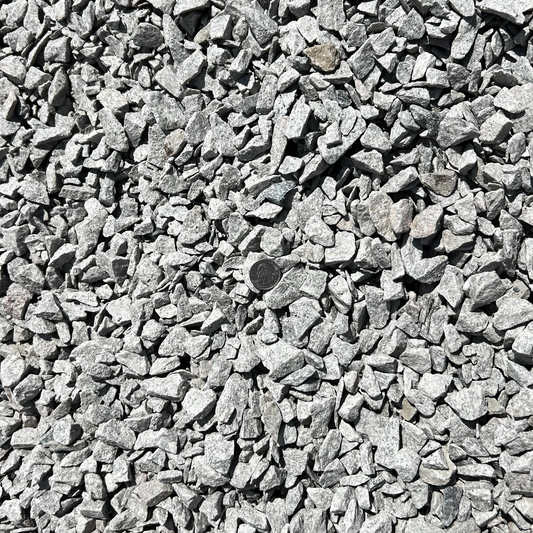
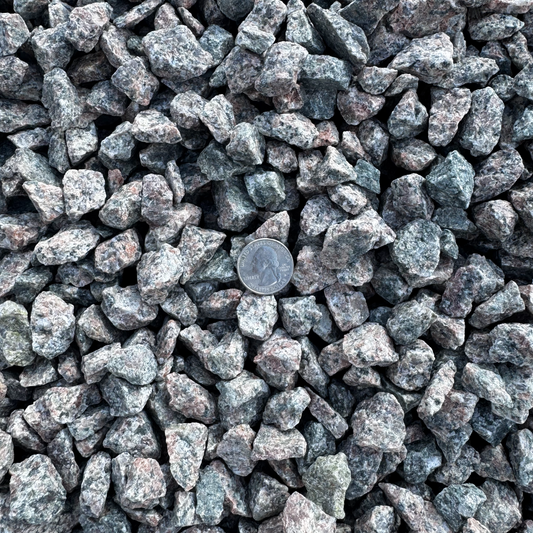
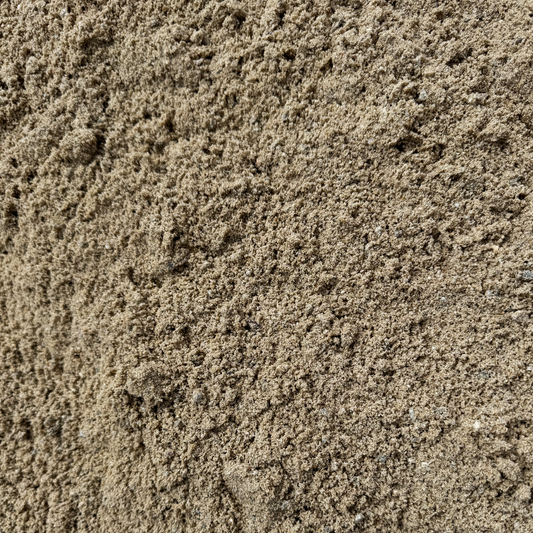
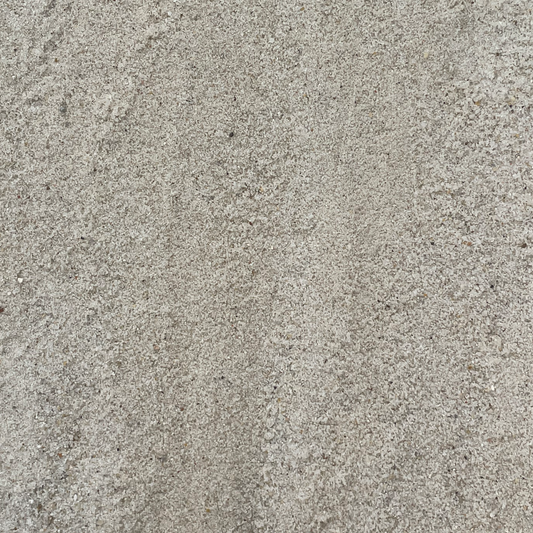
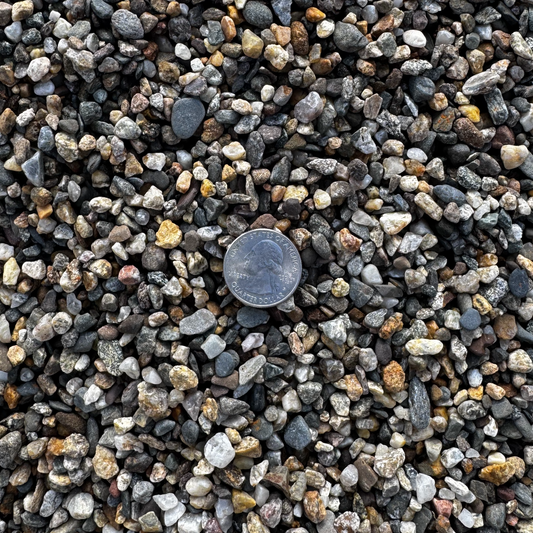
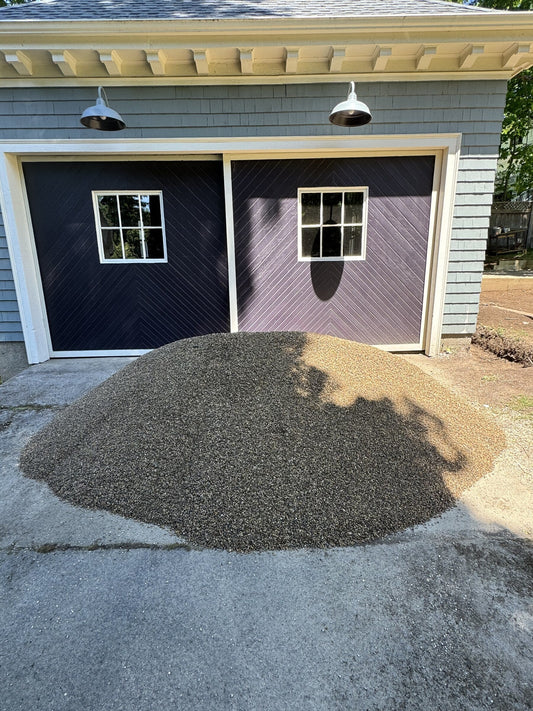
Mason sand is screened, washed, and sized. Grain runs 0.1–0.5 mm — fine and uniform. Sharp angular grains lock into ice and snow. Clean of organics, clay, and oversize particles. The same sand mason crews use under brick and stone, hence the name.
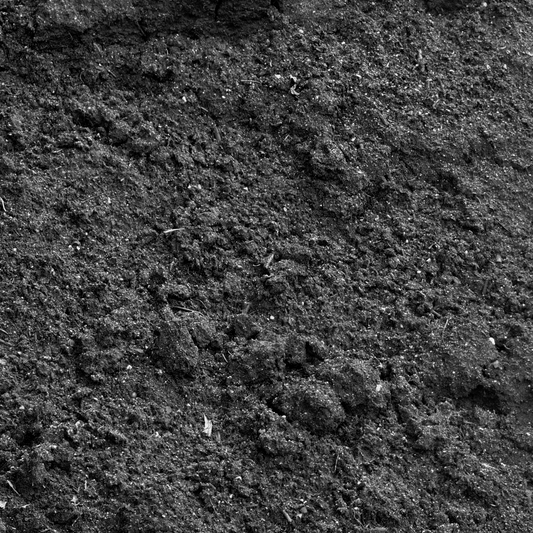
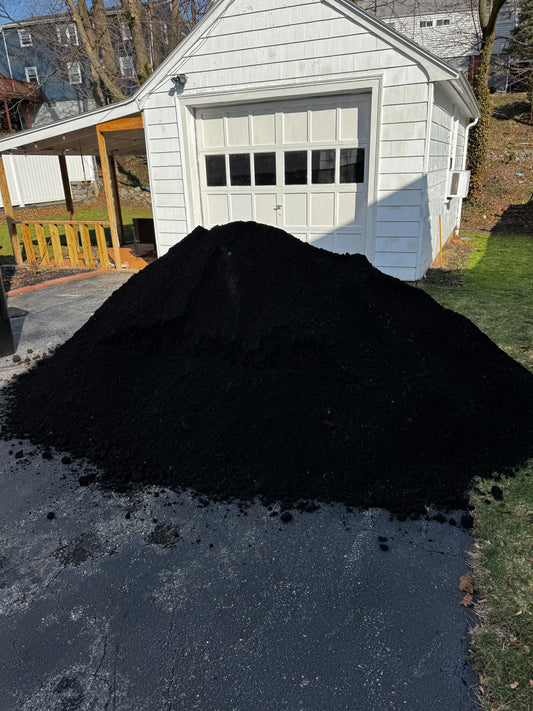
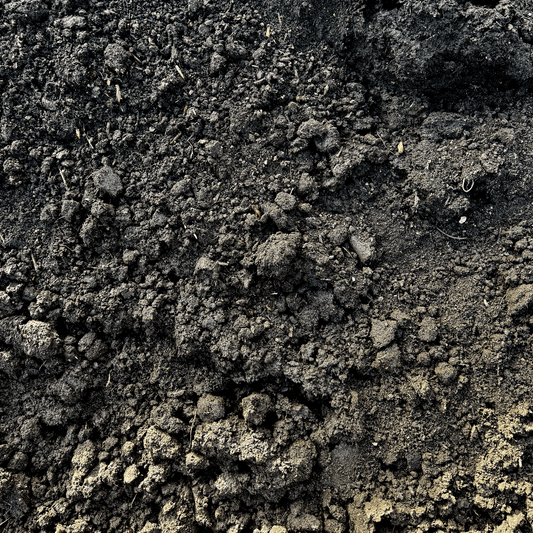
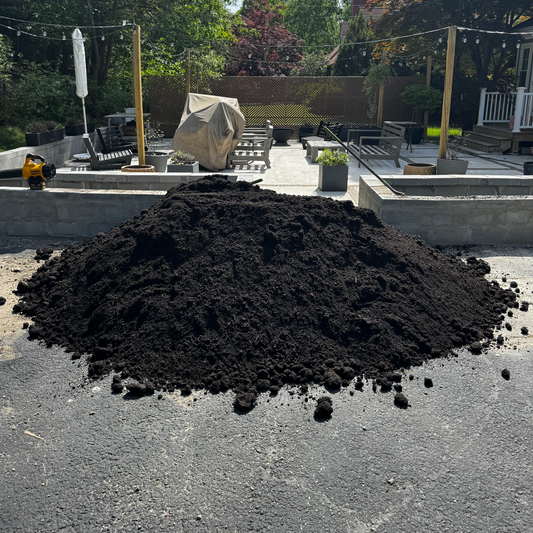
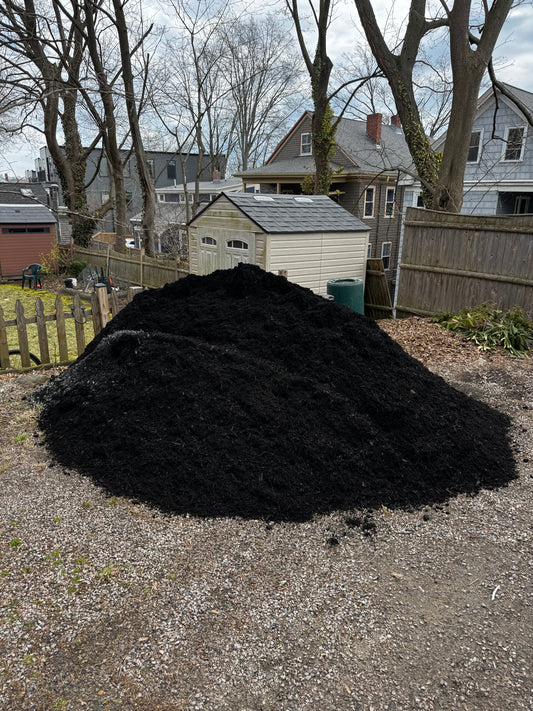
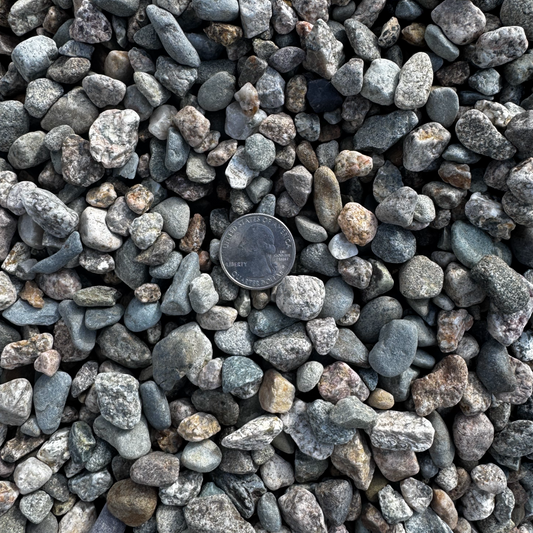
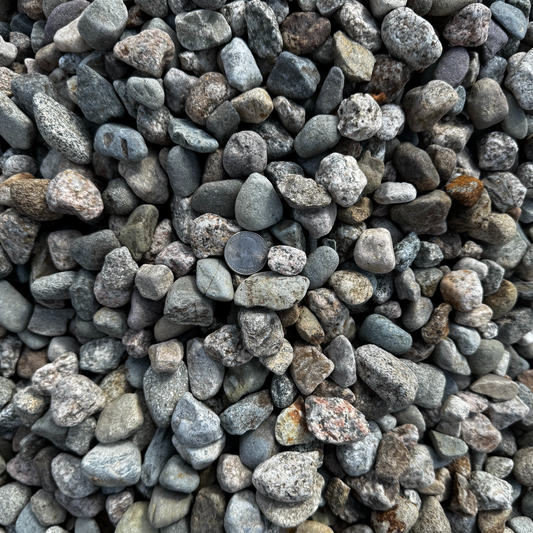
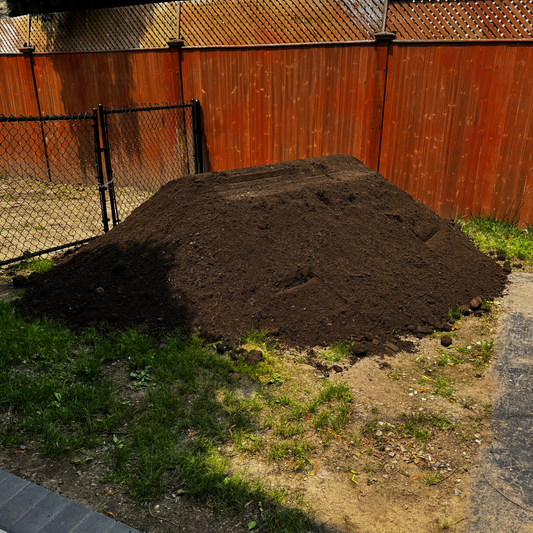
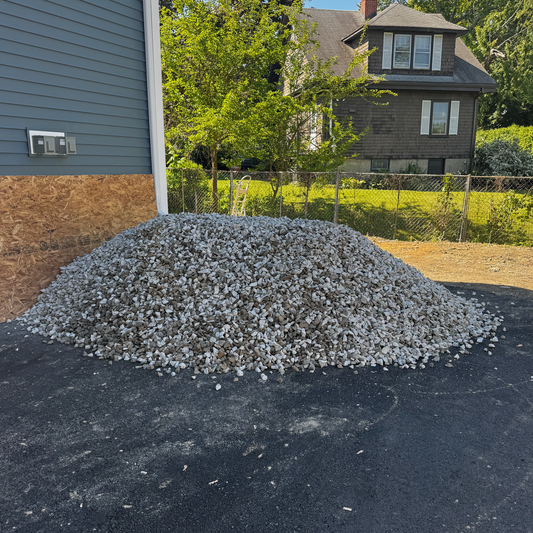
Bank sand (bank-run, pit-run sand) is dug from a sand pit and trucked as-is — no screening, no washing. Grain size varies wildly: fines, pebbles, organic debris, occasional small rocks. Cheap because it's raw material. Used for structural fill where you need bulk, not finesse.
Mass DOT doesn't have a "mason sand" category — mason sand is specified by ASTM C144 (aggregate for masonry mortar), while bank-run sand falls under Mass DOT Sand Borrow (M1.04.0). Different standards for different jobs.
Q: Can I use bank sand for winter traction?
You can, but you'll regret it. Three problems:
- Variable grain size — the fines pack into a slick layer and the small stones get tracked into the garage and the house. The medium grains are the ones doing the work, but they're maybe a third of the volume.
- Organic content — bits of root and leaf in raw bank-run will rot once they hit road salt or moisture, leaving a brown stain on concrete and asphalt.
- Clay content — even a small percentage of clay binds the sand into clumps when wet, defeating the spread-and-grip goal.
Worcester County winters are long. The sand sits on the driveway for months. Cleaner sand cleans up cleaner.
Q: Why does grain size matter for traction?
Sharp angular grains create thousands of tiny contact points with ice. Round grains (river sand) roll. Fine dust (silt) packs flat. Mason sand sits in the sweet spot — small enough to spread thin, sharp enough to bite, uniform enough that you don't get inconsistent slick spots.
For more on which winter materials work best in different conditions, see 5 Ice Melts Compared for Suffolk County Driveways — the same product reasoning applies in Worcester County.
Q: How much mason sand do I need for a Worcester County driveway?
A typical 600 sq ft driveway uses ¼ to ½ pound of sand per square foot per application for traction-only zones. That's 150–300 lbs per application, or roughly 8–10 applications per cubic yard.
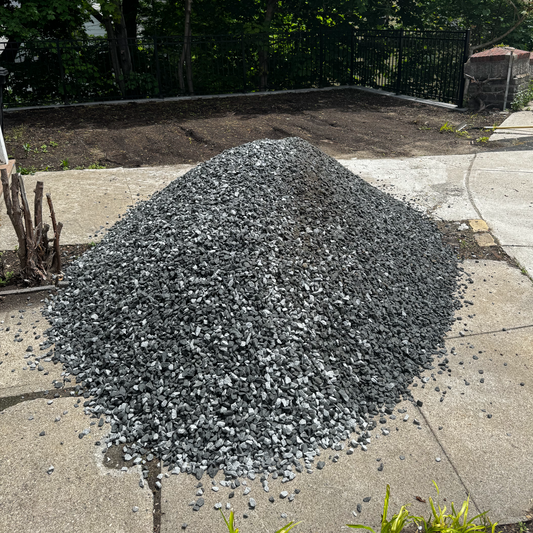
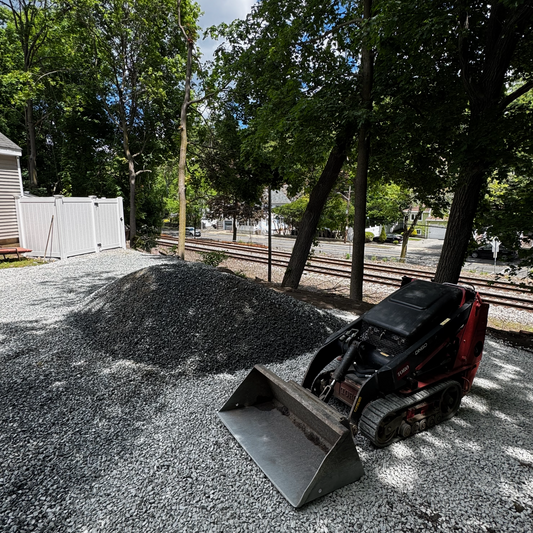
For a typical Worcester County winter (18–22 plow events), 1.5 to 2 cubic yards of mason sand covers the season — usually mixed half-and-half with a salt-sand blend depending on temperature.
For ordering and delivery details, see How to Order Bulk Winter Sand for a Plymouth, MA Driveway — the same playbook applies to Worcester County.
Q: When does bank sand make sense?
Bank-run sand earns its keep on three jobs:
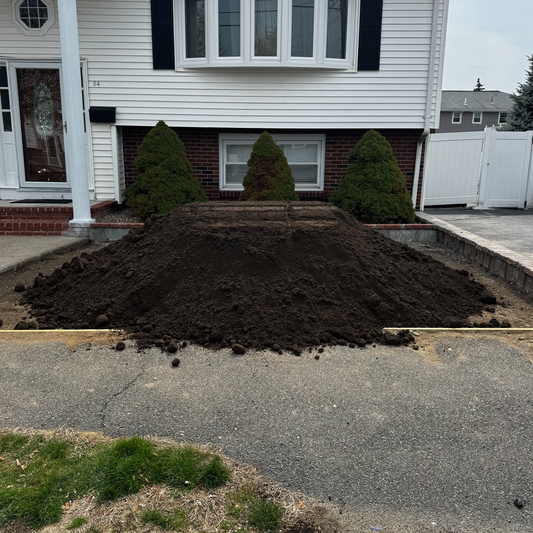
- Site grading under sheds, driveways, or patios where the goal is bulk material at low cost
- Berm building along property edges or for stormwater management
- Backfill behind retaining walls or around foundation drainage
None of these are winter traction jobs. For mason-sand alternatives in those structural roles, see the Patio & Walkway Base collection (concrete sand and crushed-stone bases for hardscape).
Q: What about play sand, beach sand, or filter sand?
- Play sand is washed and rounded — too fine and too rounded for traction. Stays in the sandbox.
- Beach sand is unwashed, organic-rich, and salt-laden already. Skip it.
- Filter sand (used in pool filters) is sized like mason sand but pricier and harder to source. No advantage over mason sand for traction.
Q: Is mason sand "pet-safe"?
Yes. Pure mason sand has zero chloride and zero chemical additives. Pets can walk on it without paw irritation, and runoff from the driveway doesn't load the soil with salt. The catch: if you mix mason sand with rock salt, the chloride content creates the standard issues. Use straight mason sand for the pet-walked path and a salt-sand blend elsewhere if you need melt.
Q: How long does mason sand keep in storage?
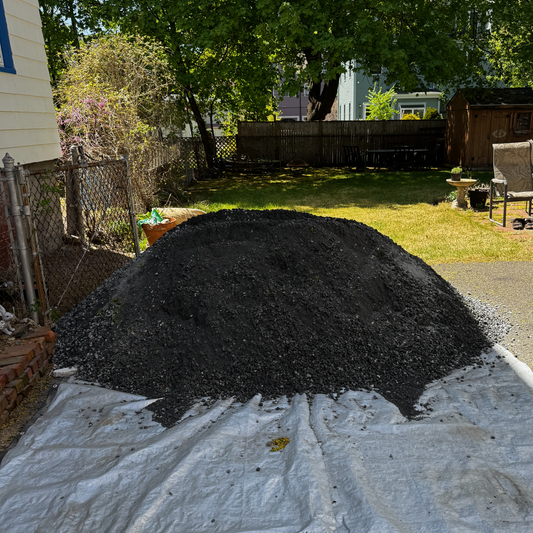
Indefinitely if kept dry. The grain doesn't degrade. Wet mason sand clumps but breaks up easily once dried. Lift the pile off bare ground (tarp or pallet) and cover the top with a tarp between uses. A 2-yard order purchased in November is still usable in March.
For bin-style storage of leftover sand, see Weekend Project: Building a Weatherproof Salt-and-Sand Bin for a Hyde Park Side Yard.
Q: Does Ottr stock both mason and bank sand?
Yes. Mason sand is stocked year-round by the cubic yard. Bank-run sand is stocked seasonally — order ahead for fill projects in spring or fall. See the Snow & Ice Management collection for winter-specific blends and the broader catalog for fill materials.
For real-world performance notes on Ottr's winter products, Ottr's Granular Calcium Chloride: Real-World Notes from a Plymouth Driveway walks through a full season's experience.
The Short Version
For Worcester County winters: mason sand for traction, salt-sand blends for melt, bank-run sand never (unless you're filling a hole). Order 1.5–2 yards of mason sand for a typical residential driveway, store dry, apply ¼–½ lb per sq ft per event, and you'll have material to spare in spring.
For broader winter sand application standards, UMass Extension and MA DOT material specs are the authoritative sources.