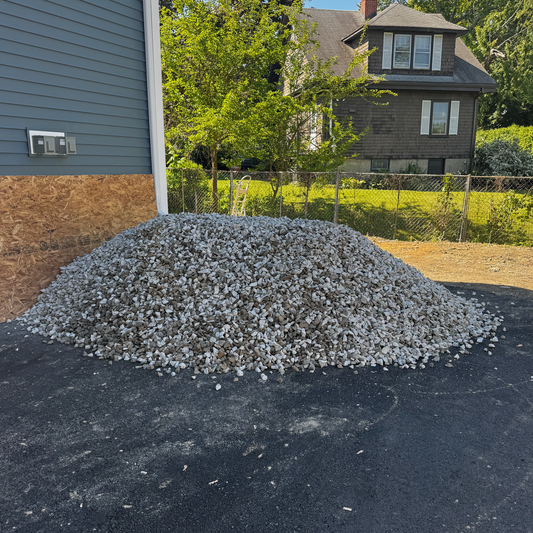
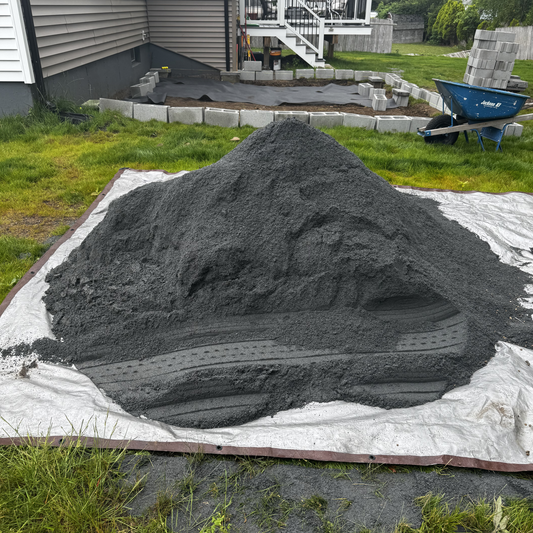
Buying bulk winter material should make the season easier. A few measurements and a clear product choice help you avoid ordering from habit or copying a property with different needs.
This checklist works for a driveway, apartment complex, or operating yard. The quantities change; the questions remain useful.
What property are you maintaining?
Write down the area you are responsible for, including driveways, parking sections, shared paths, and business access. Separate different sites and surfaces.
For a homeowner, one yard of winter material is a starting conversation, not a fixed seasonal promise. A business should build its total from maintained area and actual use.
Which product do you want to stock?
Compare untreated rock salt, 50/50 salt-sand, and the other products in the winter materials collection.
Read the product description against your surface, equipment, and maintenance approach. Do not choose a blend only because another property uses it. The Waste Management transfer-station example shows one operating use, not a universal instruction.
Is the quantity in the right unit?
Keep cubic yards and tons distinct. Volume-to-weight conversion depends on the material, so a yard of one product should not be assumed to weigh the same as a yard of another.
For a larger plan, distinguish the opening delivery from the total seasonal allowance. Write separate quantities for different blends and separate properties.
Is storage ready for the delivery?
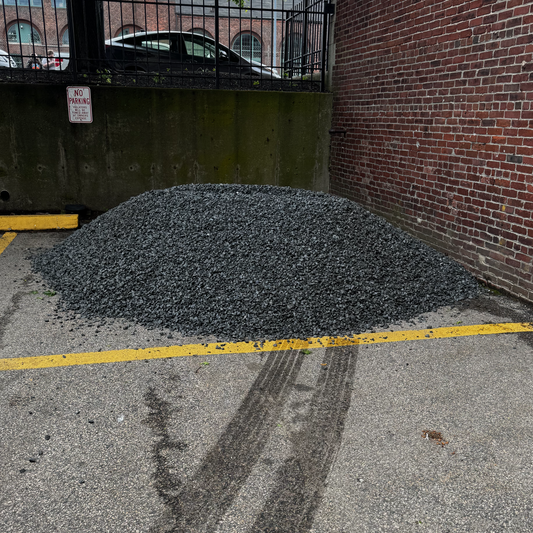
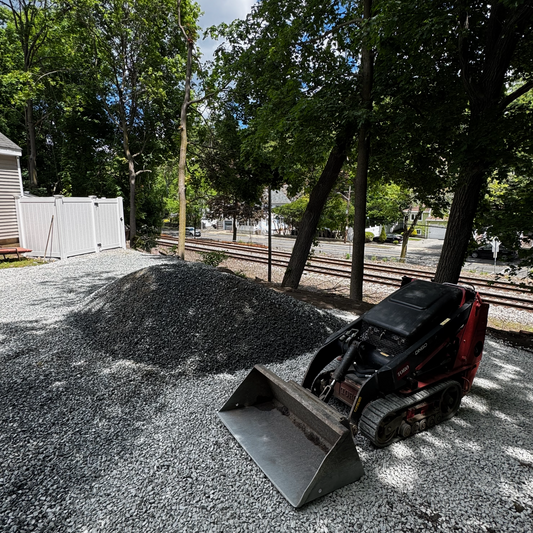
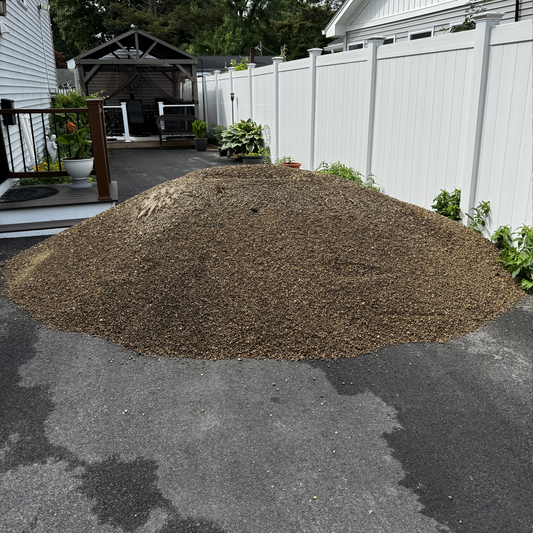
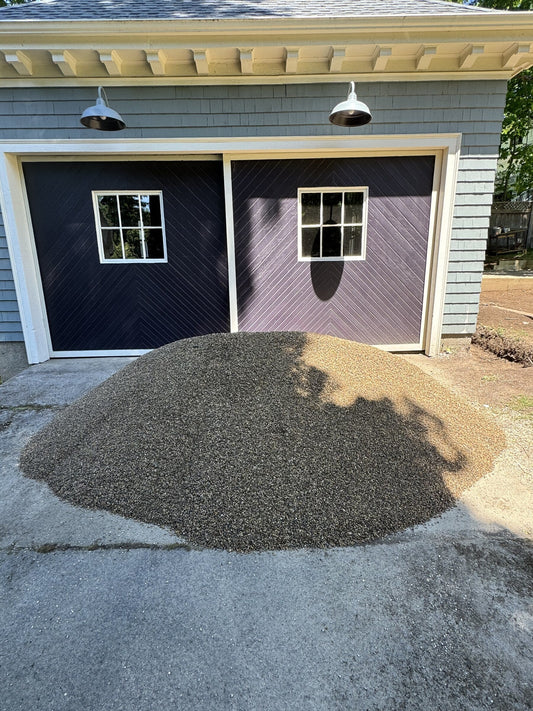
Choose the drop location and prepare protected storage. Check the approach, turning room, overhead obstructions, and the route used to move the material after unloading.
Use Ottr’s delivery information to prepare the site. For storage background, consult MassDEP’s road salt guidance. A stockpile should be ready to use without being exposed or blocking the property.
How will you know when to buy more?
Keep a record of the opening amount, treatments, and remaining material. Set a refill trigger before the pile is nearly empty.
If the property changes during the season, revisit the estimate. A new parking section or an added account changes what the reserve must support.
Choose the winter product that matches your plan and go directly to its product page to build the order. Preparing the information now helps turn a last-minute purchase into a repeatable part of winter maintenance.
Frequently asked questions
Do I need to choose a product before estimating storage?
Yes. Material choice affects handling, application, and the meaning of the quantity.
Is a seasonal allowance always delivered in one drop?
No. An opening stockpile and a seasonal total are different planning decisions.
Should I wait until the pile is empty?
Use a refill trigger that leaves time for the next order while maintenance continues.