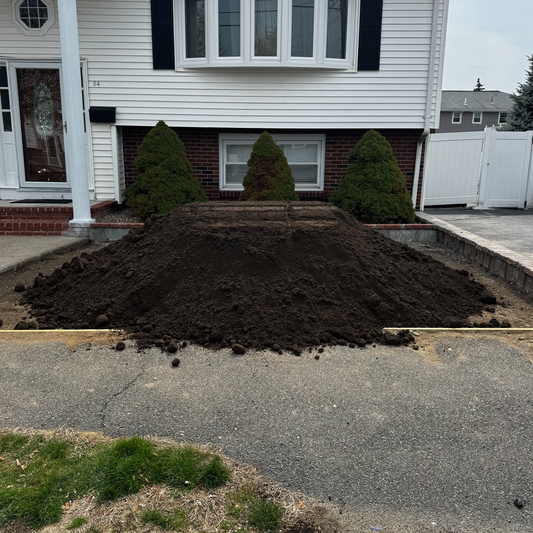
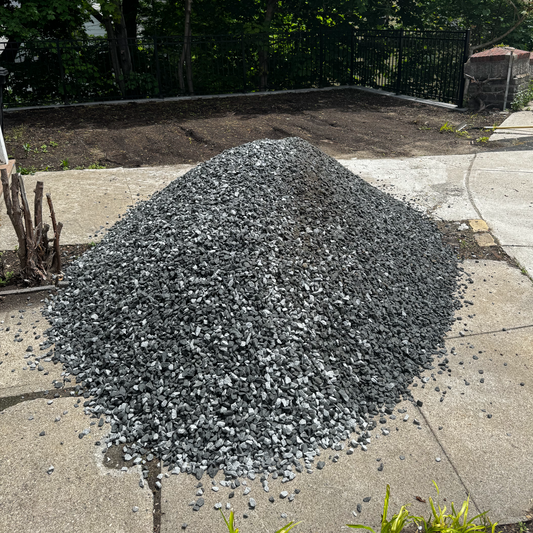
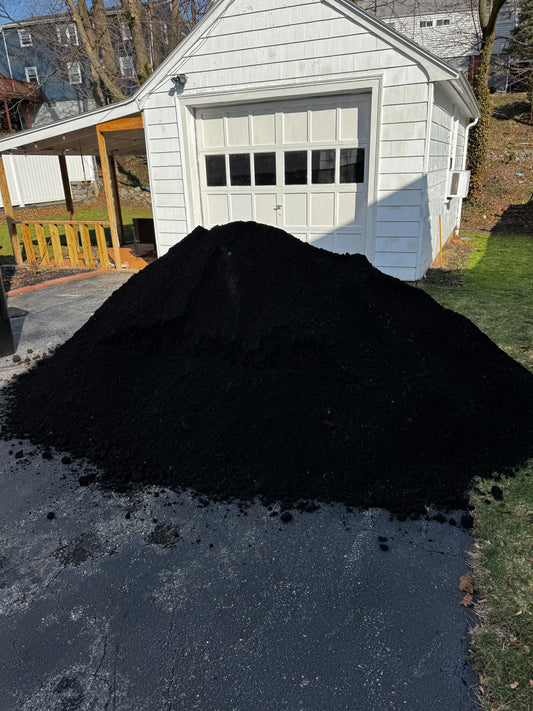
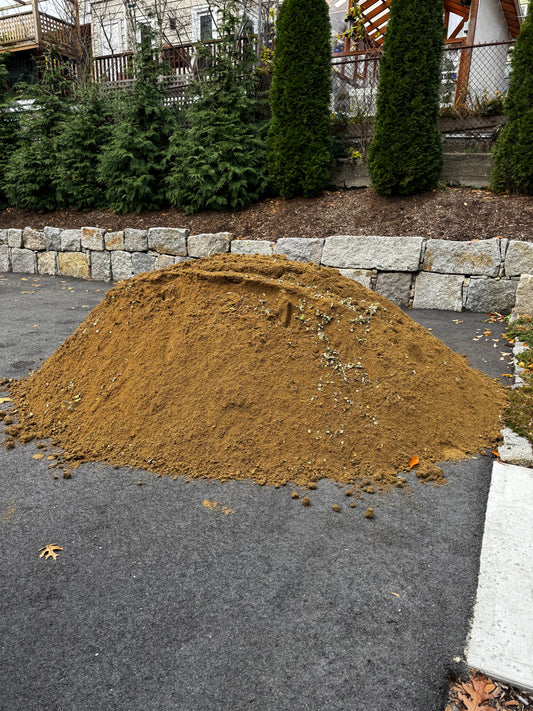
October 17 is a useful checkpoint. The driveway has had another rain test, the walkway edges are visible, and there is still time to organize the material and equipment that will be used all winter.
The month’s focus is straightforward: keep the routes usable and put the right winter material where it can be reached.
Are the gravel repairs finished?
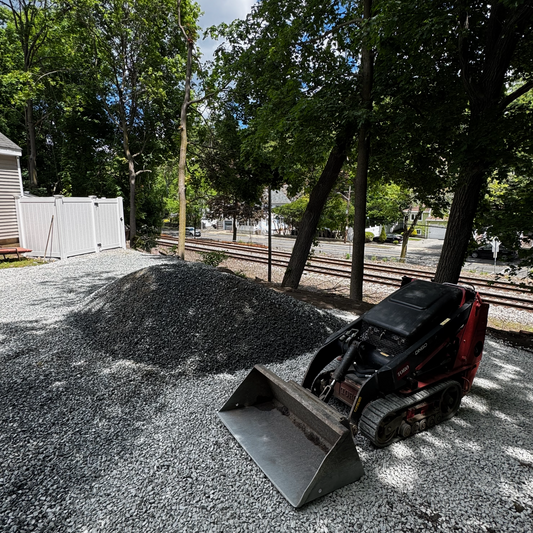
Check the potholes and ruts marked earlier in the month. If a repaired area still holds water or moves under traffic, look again at the base and drainage.
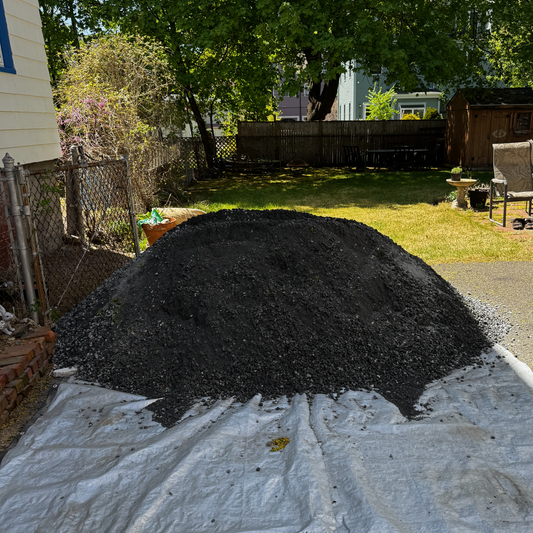
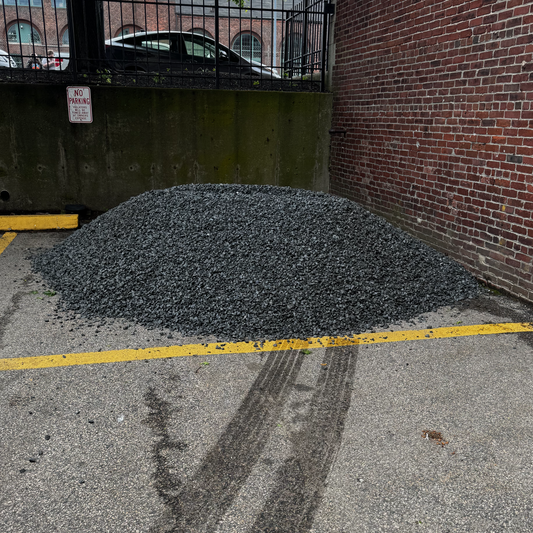
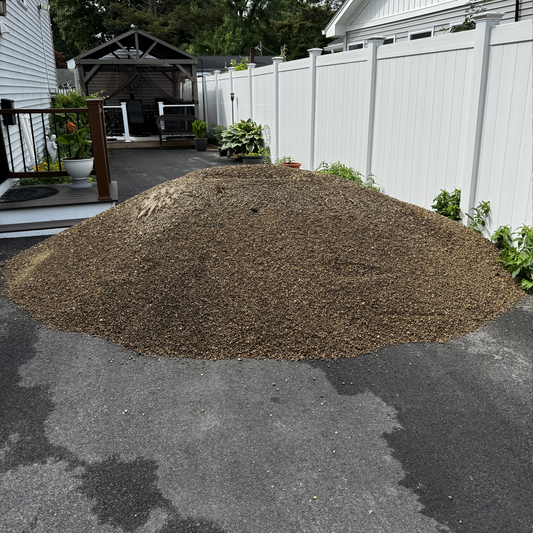
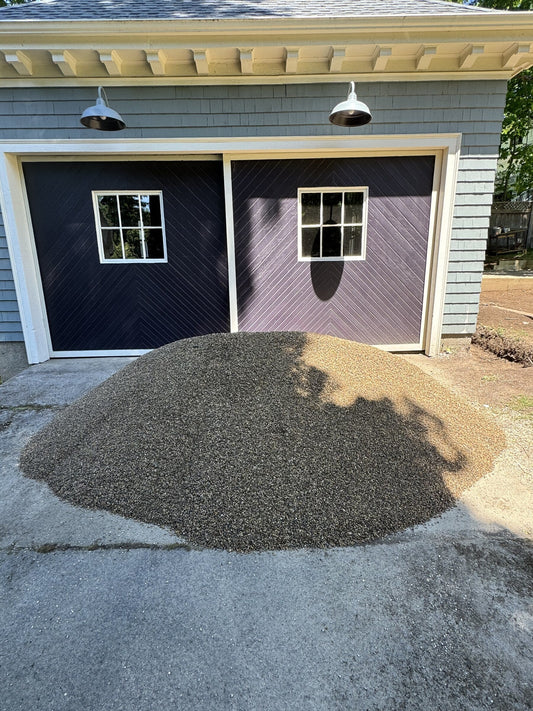
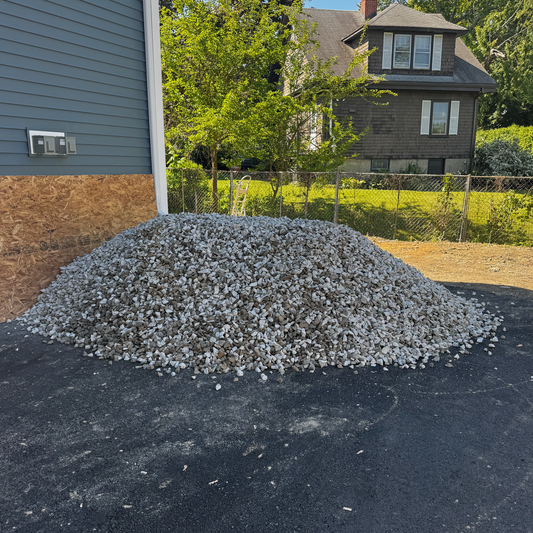
Order structural material from the base collection, and choose any finish refresh from driveway gravel. Keep a gravel walkway firm and even rather than adding unnecessary loose depth.
Our Brockton pothole repair guide provides a step-by-step starting point.
Have you chosen the winter material?
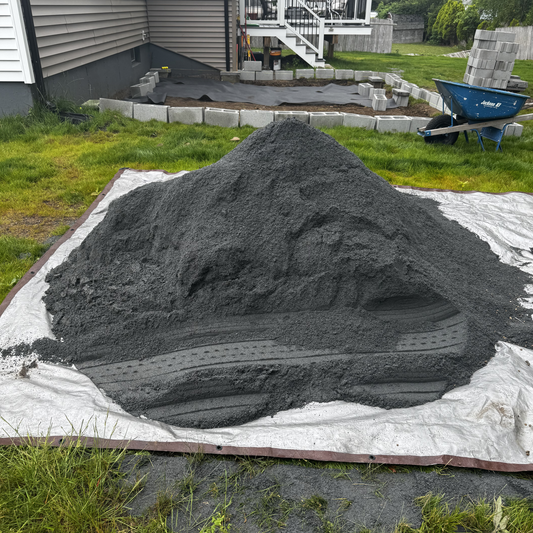
For deicing needs, review untreated rock salt. Where the plan also calls for an abrasive component, review 50/50 salt-sand.
Make the choice around your surface and maintenance equipment. A homeowner’s driveway, an apartment parking lot, and a transfer-station truck route do not automatically need the same product or quantity.
Waste Management’s use of 50/50 at its transfer-station operation is one example of buying for how vehicles move through a site.
Does the stockpile size fit the property?
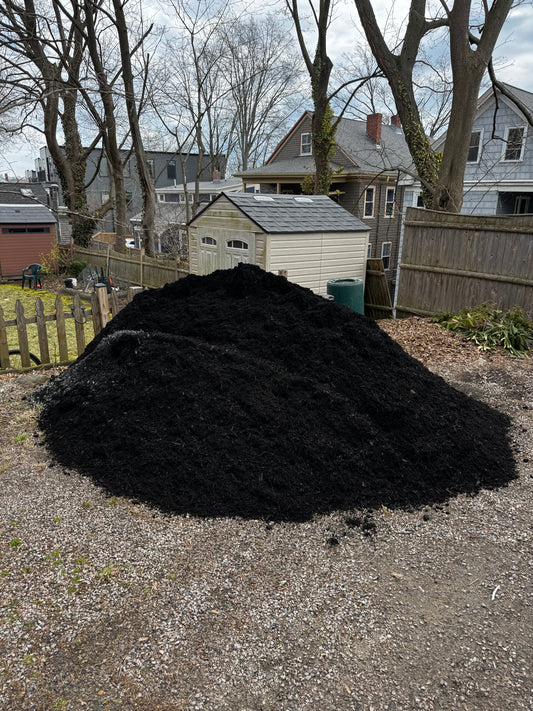
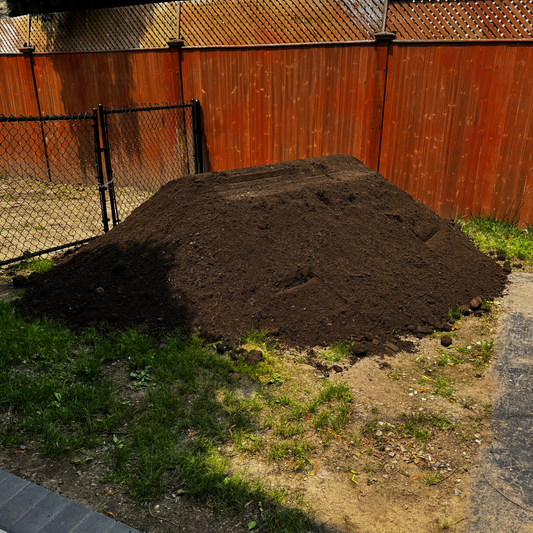
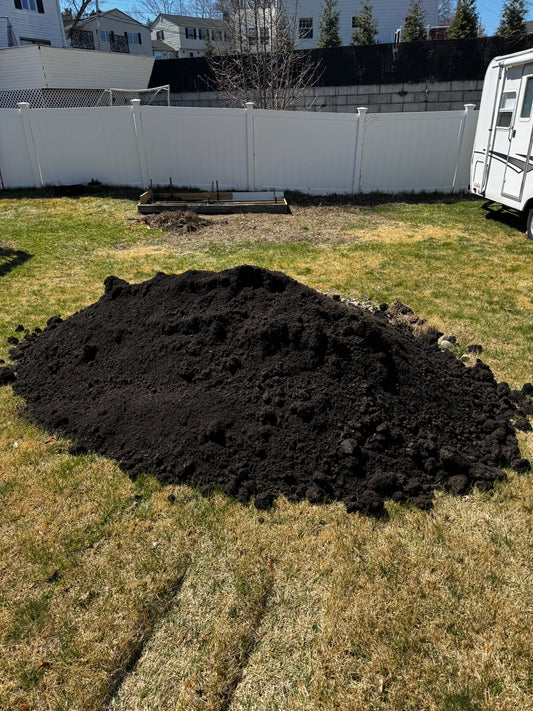
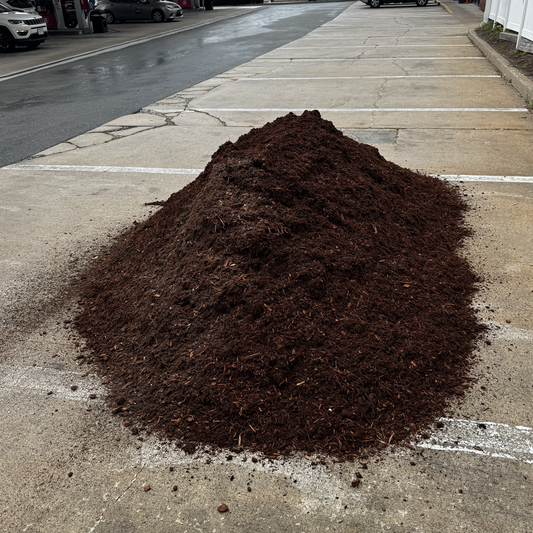
A homeowner considering one yard should check maintained area, previous use, and storage. A large property considering 100 yards should distinguish a seasonal total from the opening stockpile and organize deliveries around storage and handling.
Do not use either example as a universal amount. Review actual consumption during the season and adjust the reserve as the work changes.
Can someone use the material when it is needed?
Check keys, tools, spreader condition, loading access, and the backup contact. Make sure parked vehicles and planned snow piles will not block the storage area.
Keep product names and quantities clear. If multiple blends are stored, the crew should not have to guess which pile belongs to which route.
What is the next purchase?
Choose the product and quantity from the winter materials collection, then prepare the delivery location and record the opening amount.
Use National Weather Service Boston for changing weather information. The preparation you can finish now is practical: repair the surface, stock the appropriate material, and assign the people who will keep the property moving through winter.
Frequently asked questions
Is October 17 too early to stock winter material?
It is a useful time to plan storage, product choice, and delivery before the work becomes storm-driven.
What should come first: gravel repairs or salt?
Identify and repair surface failures while planning the winter material order. Salt does not replace the repair.
What should I record after the opening order?
Record the product and amount on hand, then track use and the quantity that triggers replenishment.