The first winter problem is not always deep snow. It may be a wet entrance, a shaded path, or a small patch where runoff reaches the driveway overnight.
On a Suffolk County property, inspect the route people actually use: from curb to vehicle, from parking to the door, and between buildings. A compact lot can still have several different conditions.
What should you inspect during October?
Watch the property after rain and during an early morning walk. Mark places that remain wet, areas shaded by buildings, and water crossing stairs or paths.
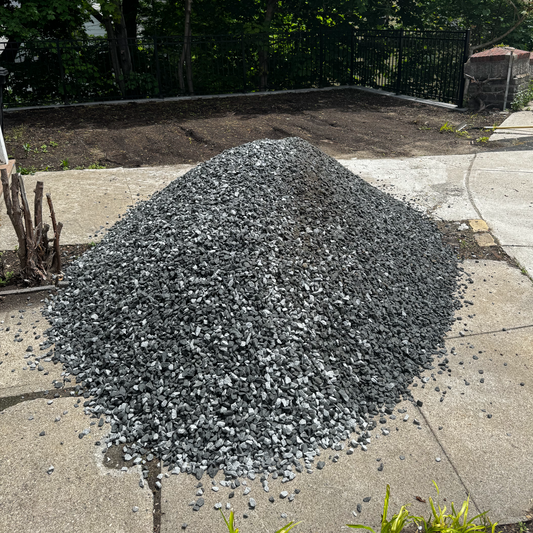
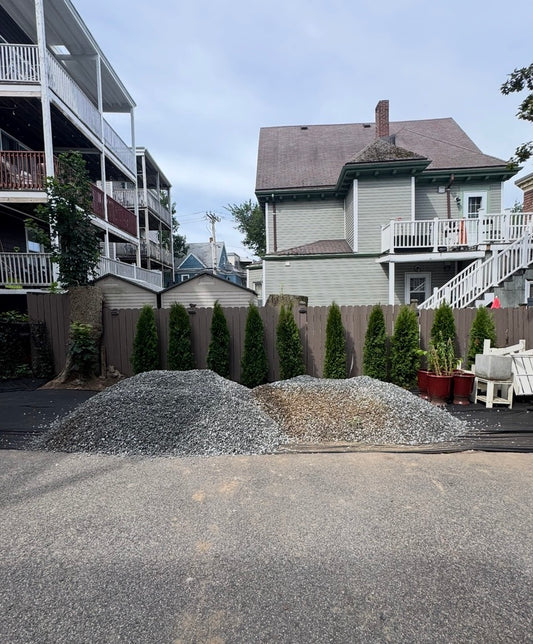
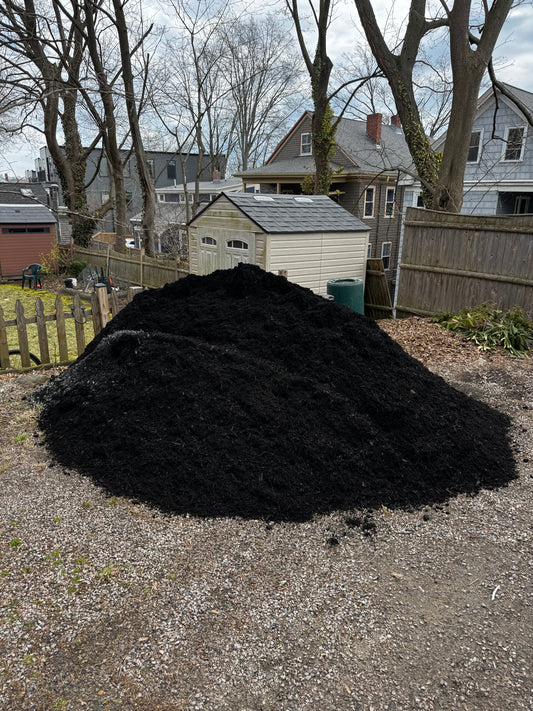
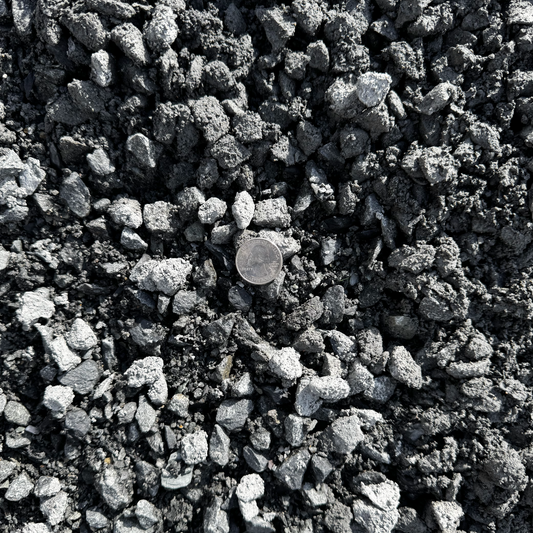
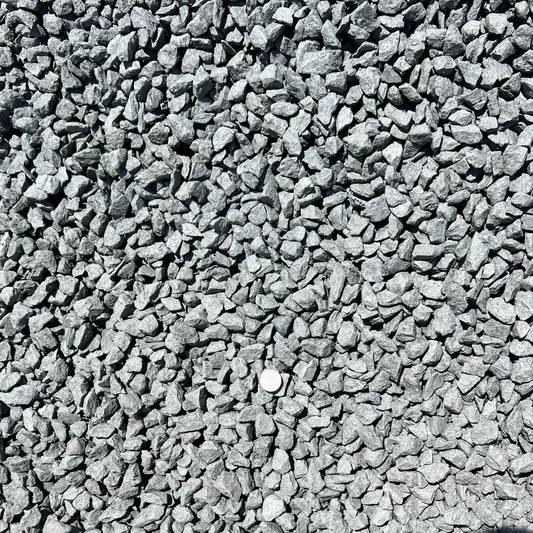
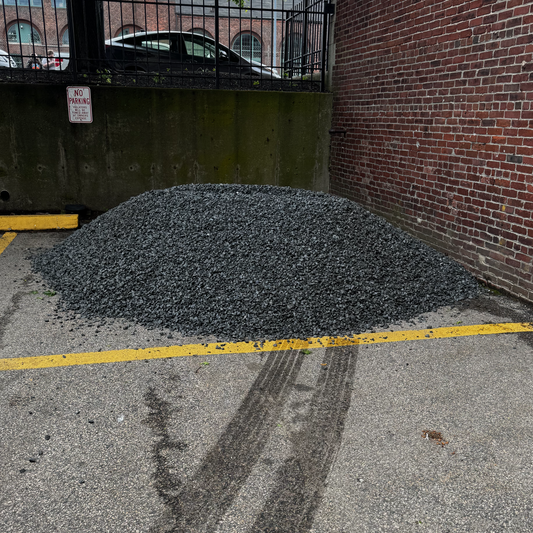
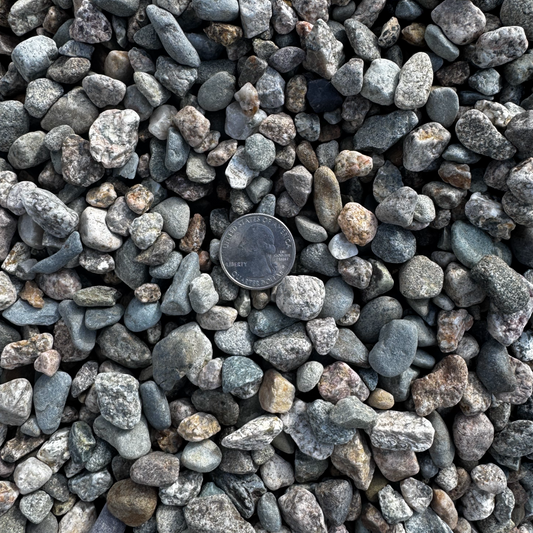
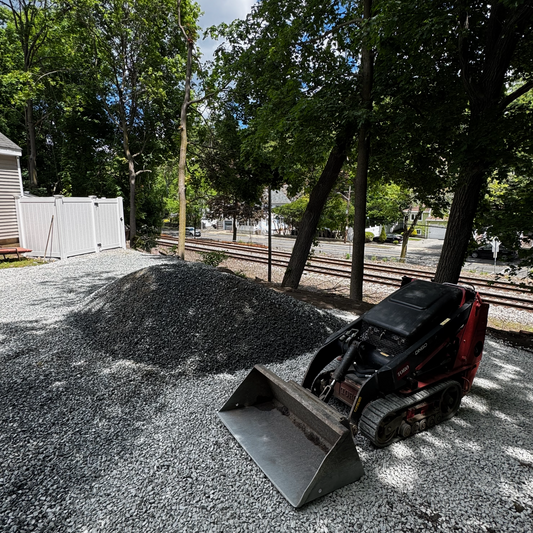
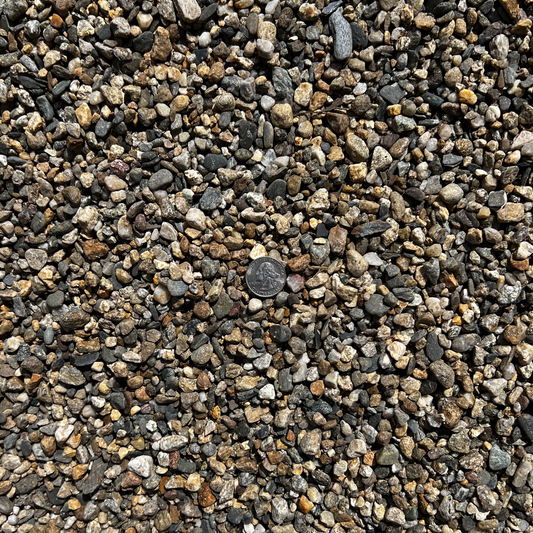
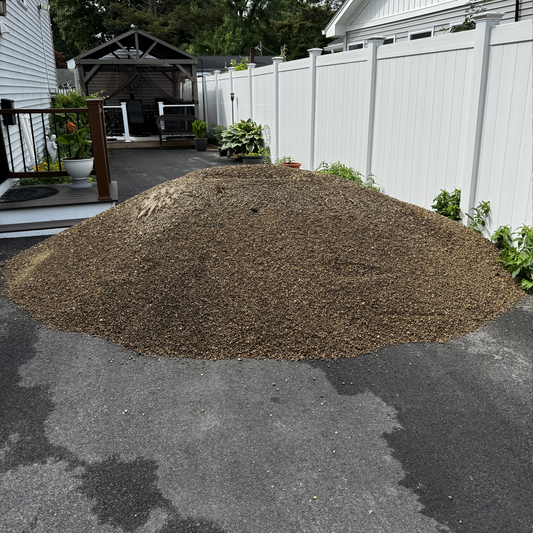
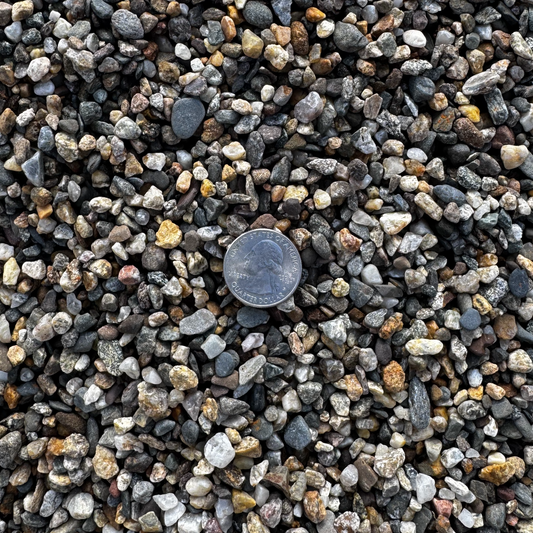
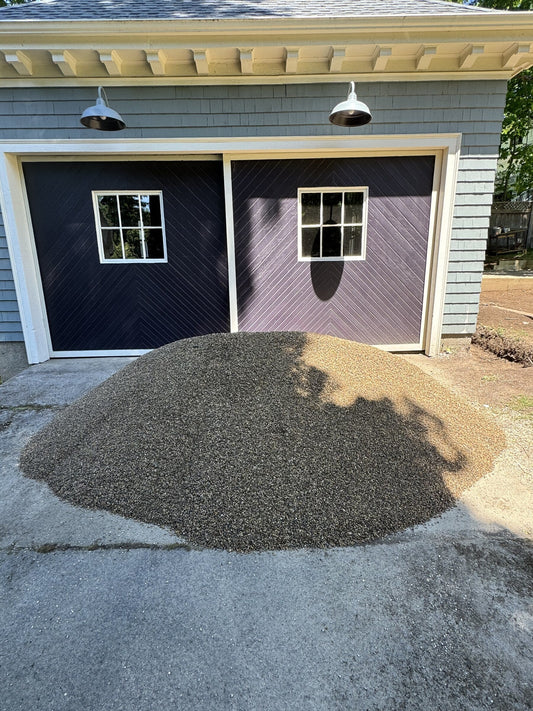
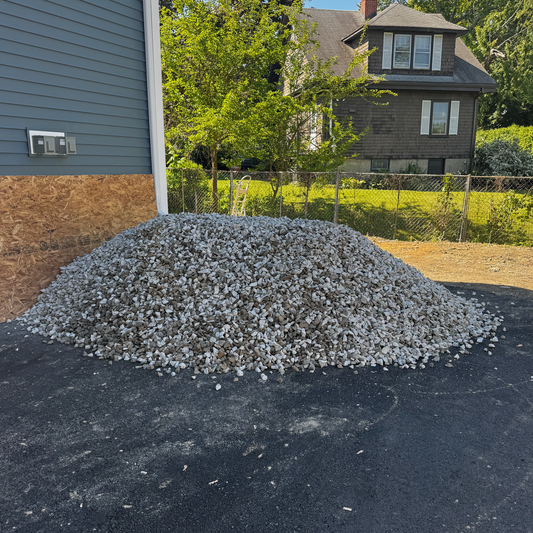
Clear leaves so the surface is visible. Address drainage or damaged pavement through the appropriate repair. If a gravel section needs work, choose repair materials from the driveway gravel collection before winter hides the edges.
Our Jamaica Plain ice-spot checklist is useful background for tight residential properties.
Which supplies should be accessible?
Keep snow-clearing tools, the suitable spreader, and the selected winter material where the person doing the work can reach them. A reserve behind a locked gate is only useful if the responsible person has access.
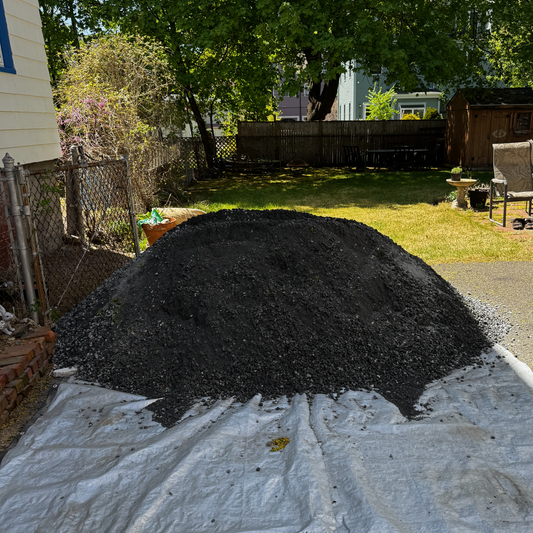
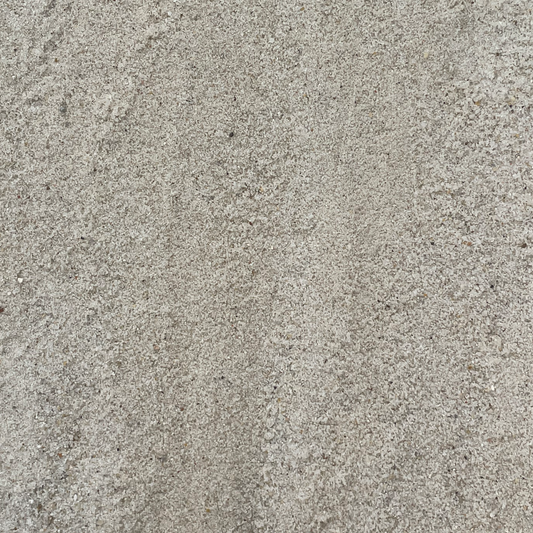
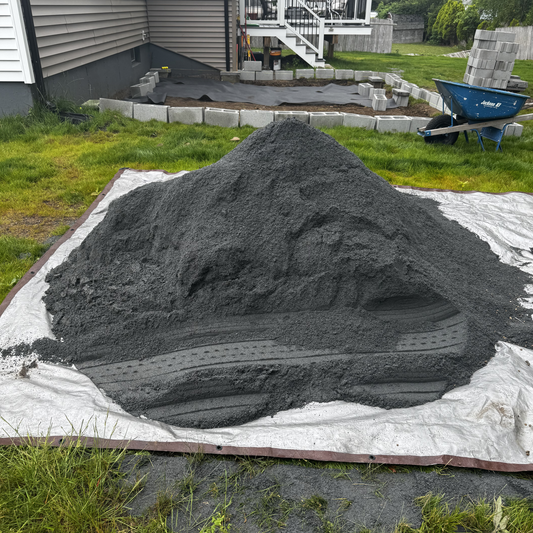
Start with rock salt or consider 50/50 salt-sand where the plan includes an abrasive component. Read the product instructions and verify equipment suitability before the first use.
Who checks the property before opening?
For a home, agree on who handles the driveway and shared walk. For a shop or apartment building, name a primary and backup person.
Have the inspection cover parking, pedestrian routes, and known runoff points. Record what was done and revisit conditions when water or temperatures change. Buying a product does not remove the need to observe the surface.
How should you use the forecast?
Follow the National Weather Service Boston office for the regional forecast. Treat it as preparation information rather than proof that every surface at the property has the same condition.
Do not spread a heavy blanket of material merely because the date feels wintry. Use the chosen product according to directions and observed conditions, alongside mechanical clearing where needed.
What can you finish today?
Mark the problem spots, arrange repairs, test the tools, prepare storage, and choose your material from the winter collection.
That puts the basic decisions behind you before the first early-morning call. Keep the supplies reachable and the inspection responsibilities clear so the property is ready to respond when conditions change.
Frequently asked questions
Does the air forecast describe every pavement surface?
No. Shade, moisture, and local conditions can produce different surface conditions across one property.
Should I treat the whole lot without inspecting?
Inspect and follow the material directions and maintenance plan rather than assuming every area needs the same response.
What if the shared path is someone else’s responsibility?
Confirm that responsibility before winter and make sure the route is included in the overall plan.