A pothole that is annoying in October becomes harder to see after the first snowfall. On a Brockton driveway, it can also collect meltwater and leave a rough patch exactly where tires turn or people step out of the car.
The fix begins below the visible depression. Find out whether the surface has worn away or the ground beneath it has softened. Our earlier Brockton driveway repair article introduces the problem; use this checklist to prepare the material order.
Why does the same pothole keep coming back?
Look for runoff entering the driveway, a low center, raised edges that trap water, or a soft patch beneath the hole. Repeated failures deserve a closer inspection rather than another surface top-up.
The Federal Highway Administration gravel road guide explains the relationship between surface shape, drainage, and gravel maintenance. Residential repairs are smaller, but water management still matters.
What is the repair sequence?
- Wait for workable conditions. Keep vehicles away from the repair and remove standing water.
- Expose sound material. Remove loose, muddy aggregate and open the failed area enough to rebuild it properly.
- Check the base. A deep or persistently soft section may need a contractor to determine the repair depth.
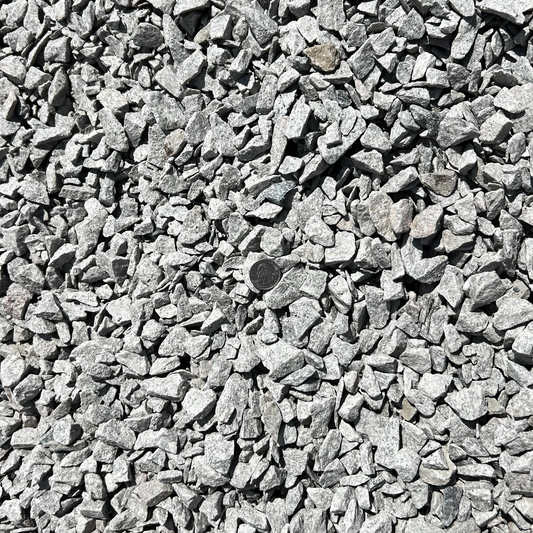
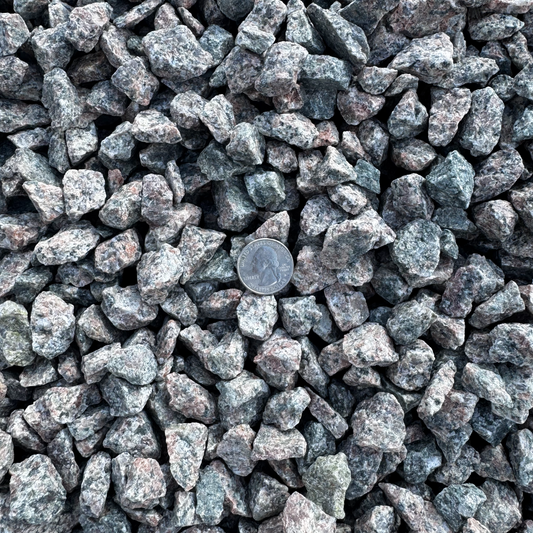
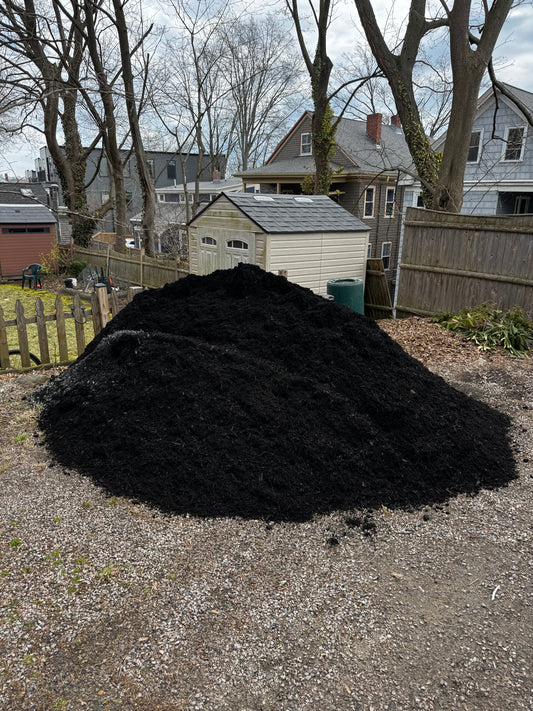
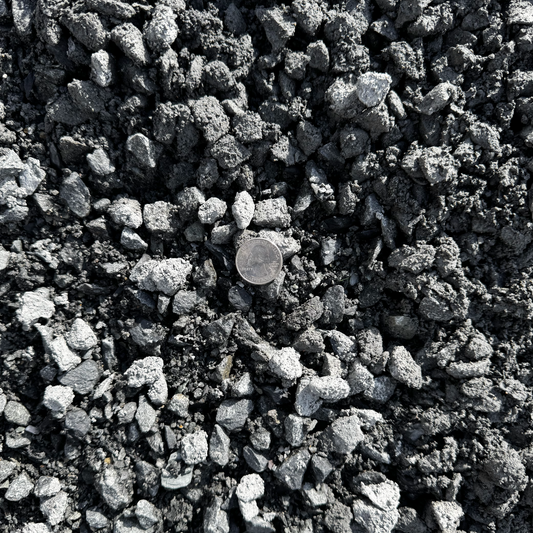
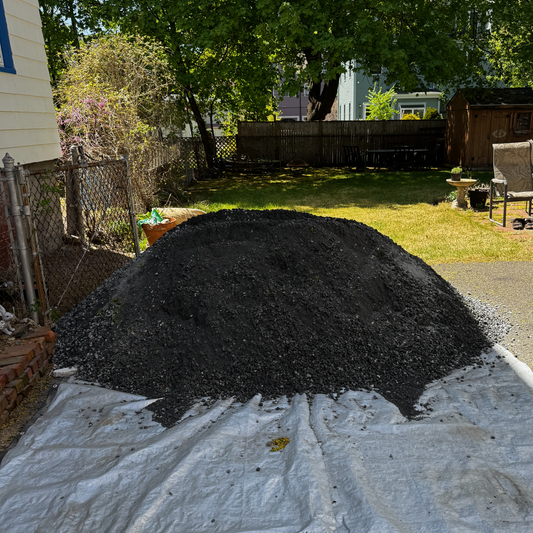
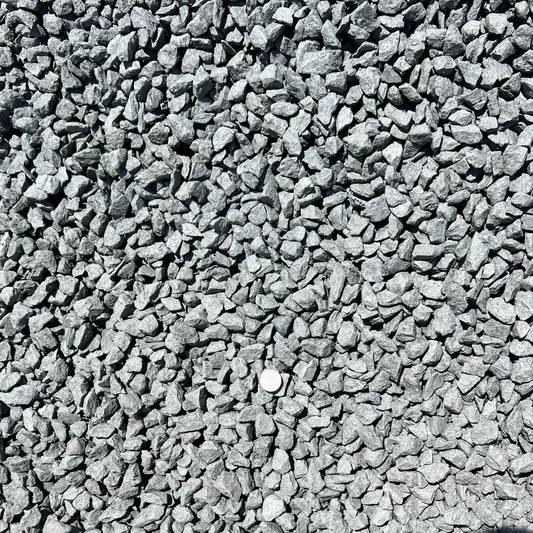
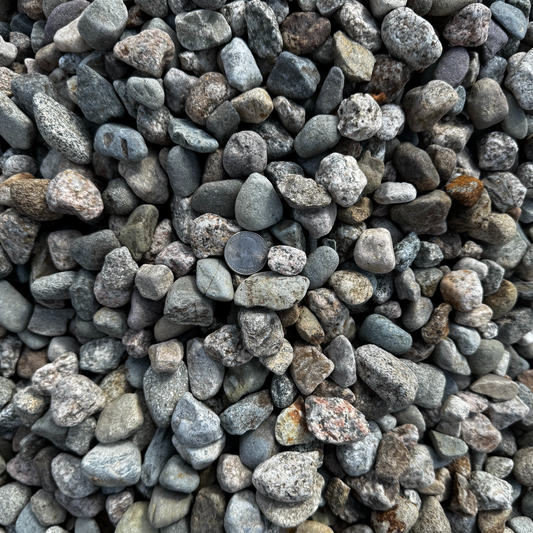
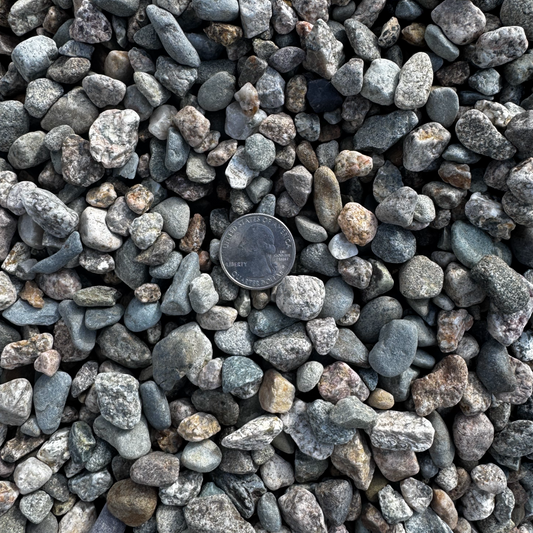
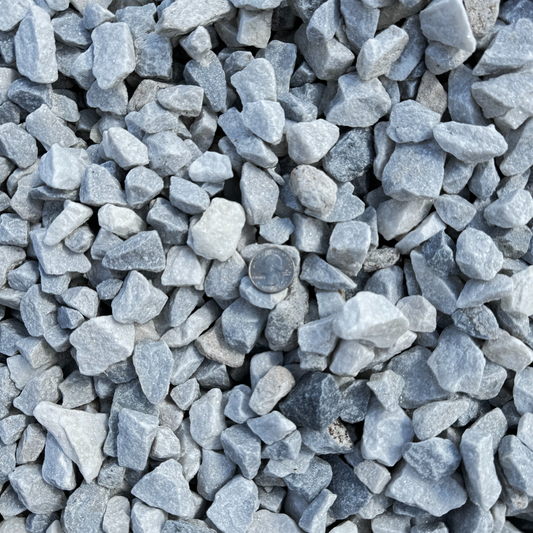
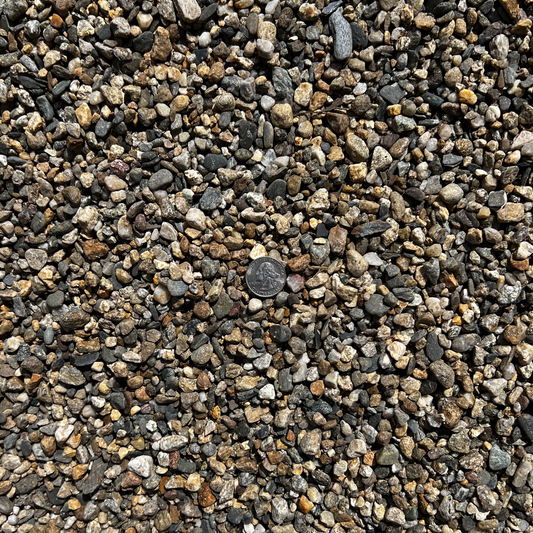
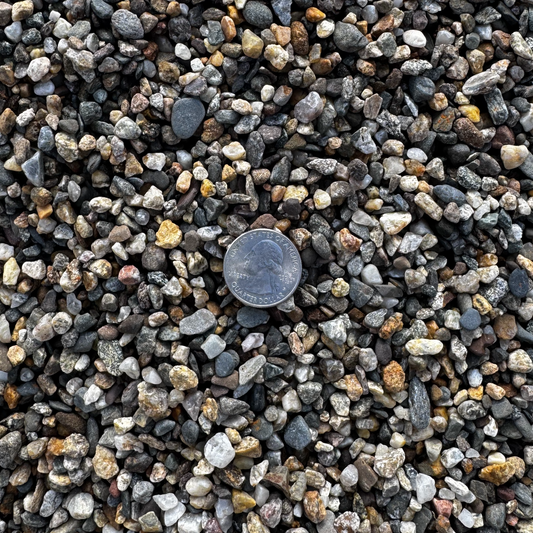
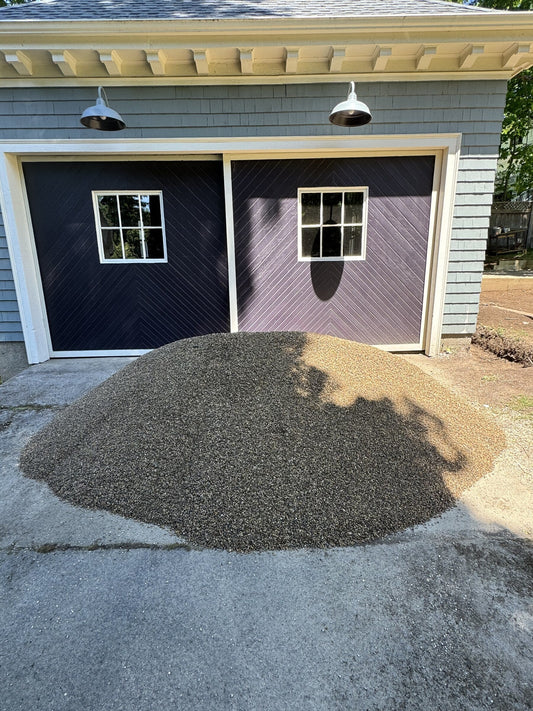
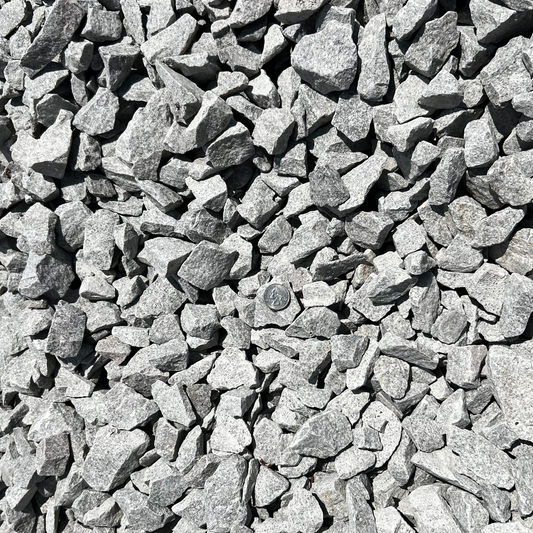
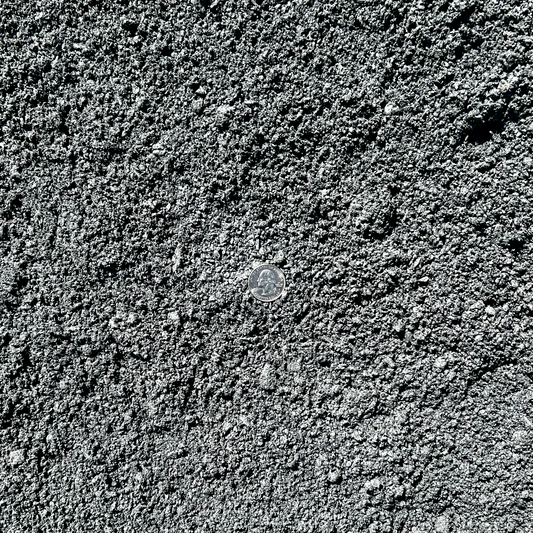
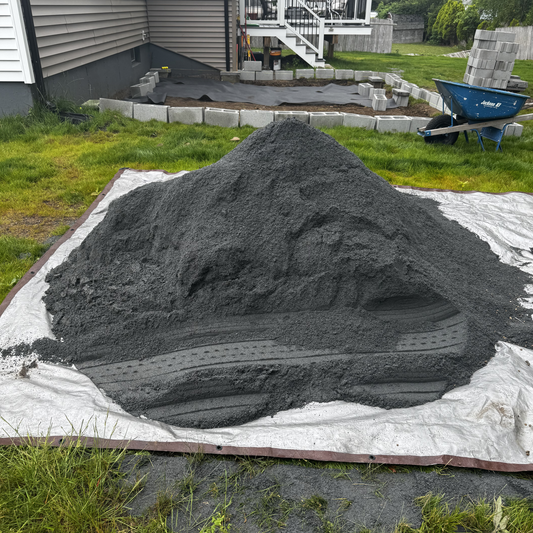
- Place suitable aggregate. For a compacted patch, discuss Dense Pack ¾-inch to minus, rather than rounded decorative stone.
- Compact in suitable lifts. Follow the compactor’s limits and use material moisture appropriate for compaction.
- Blend the surface shape. Match the driveway’s drainage pattern without creating a bump or a new basin.
Keep the patch out of traffic until it is firm. Driving over an uncompacted heap is not a substitute for controlled placement.
How much gravel should you order?
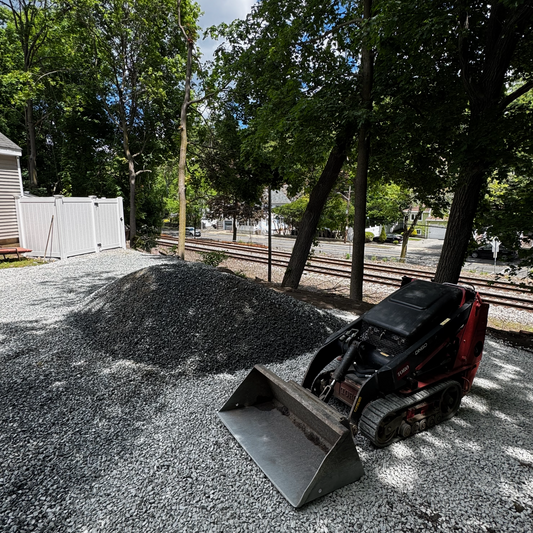
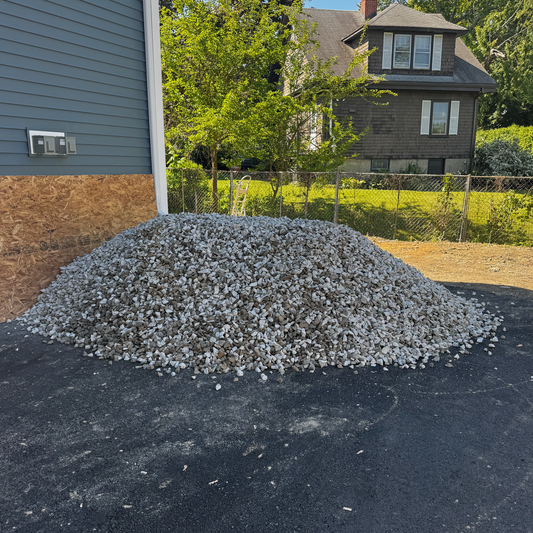
For a rectangular repair, calculate length × width × depth in inches ÷ 324. A 6-by-4-foot patch averaging 4 inches deep has a geometric volume of about 0.30 cubic yard.
That is the space being filled, not a final delivery recommendation. Irregular excavation, compaction, and surrounding repairs change the purchase quantity. Measure all the holes before choosing the order.
What should happen after the repair?
Recheck after rain. Water should leave the repaired section without collecting at its edges. Mark driveway boundaries for the plow operator and agree on the winter treatment plan.
Compare base materials with the driveway gravel range, then choose Dense Pack for your repair after measuring the failed areas. Include winter salt needs if you want to plan the whole property at once.
Frequently asked questions
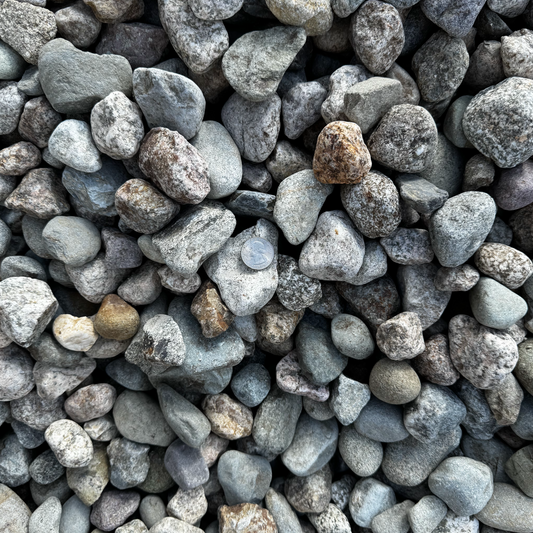
Can I fill the hole with pea stone?
Rounded stone is usually a poor choice for a compacted structural patch. Match the repair aggregate to the driveway and base.
Should I work while the hole is full of water?
Remove standing water and address saturated material before rebuilding. Persistent water can point to a drainage problem.
Is the volume formula the final order quantity?
No. It measures geometric volume. Allow for the actual excavation, compaction, and product recommendation.