Quick Answer
Cambridge's triple-deckers and brick row houses don't have basements full of dry storage. The best ice melt storage spots for the city's housing stock are: a lidded entryway tote for daily reach, a vented metal trash can in the garage, an under-stoop bin for brick walk-up entries, a back-porch wall-mount caddy for second- and third-floor units, and a shared-condo coat closet bin for buildings with no outdoor space. Keep it sealed, keep it small, keep it close to the door it's used at.
Why Ice Melt Storage Matters in a Cambridge Triple-Decker
Salt absorbs moisture from the air. Left in a paper bag on a damp basement floor, it clumps into a brick within a week. Left in a metal can with no liner, it eats through the can. The right storage is dry, sealed, vented enough to prevent condensation, and — critically for Cambridge — accessible at 5 a.m. when the sidewalk's iced and the trash truck is rolling up.
Spot #1 — Lidded Plastic Tote on the Entryway Floor
Best for: anyone who sees the front door more than the garage.
A 5- to 10-gallon plastic tote with a snap lid (clear plastic so you can see the level), parked on the entry mat or just inside a mudroom corner. Toss in a measuring scoop. Refill from a bigger bin elsewhere monthly. The salt stays sealed, the scoop's at the door, and you can grab a handful in slippers if the porch ices over.
Tip: drop a silica gel packet inside to absorb residual moisture.
Spot #2 — Vented Metal or Heavy-Duty Plastic Can in the Garage
Best for: households with a one-car garage or a back driveway with covered storage.
A 20- or 30-gallon trash can with a tight lid is the workhorse storage for a season's worth of bulk ice melt. Use heavy-duty plastic (not a thin metal one — galvanized cans corrode fast under salt contact). Keep the can on a wood pallet or two cinderblocks to lift it off the cold concrete floor — that prevents condensation that beads up against the bottom and clumps the salt closest to the floor.
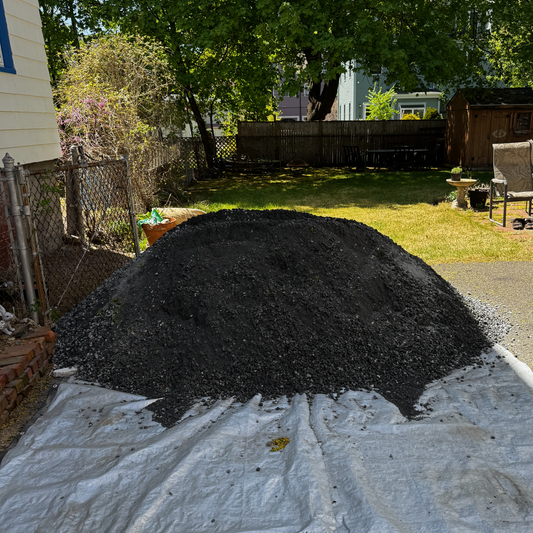
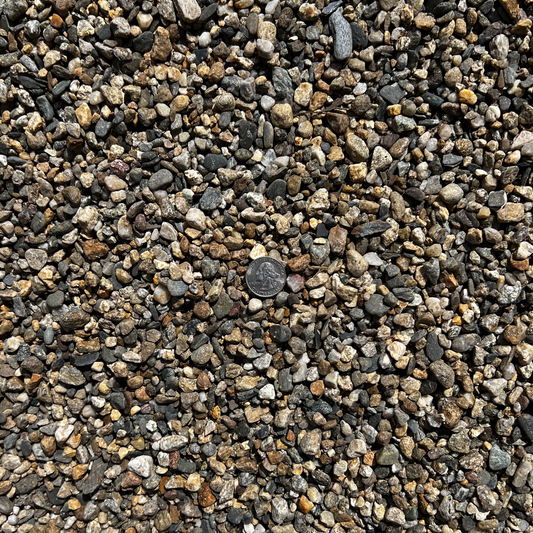
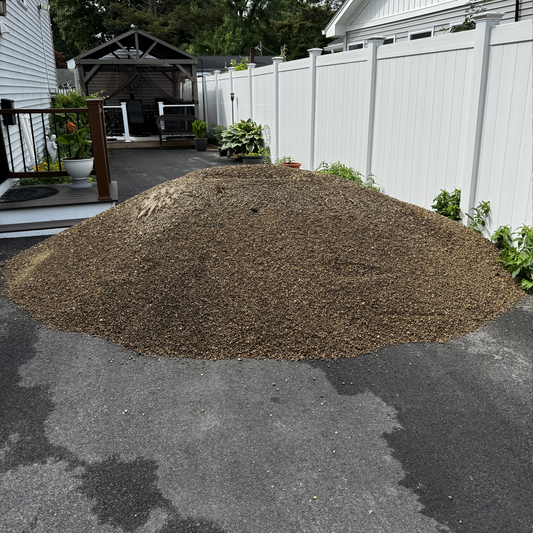
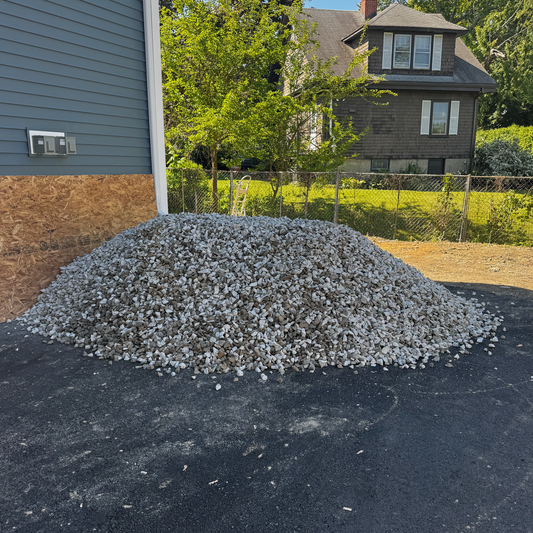
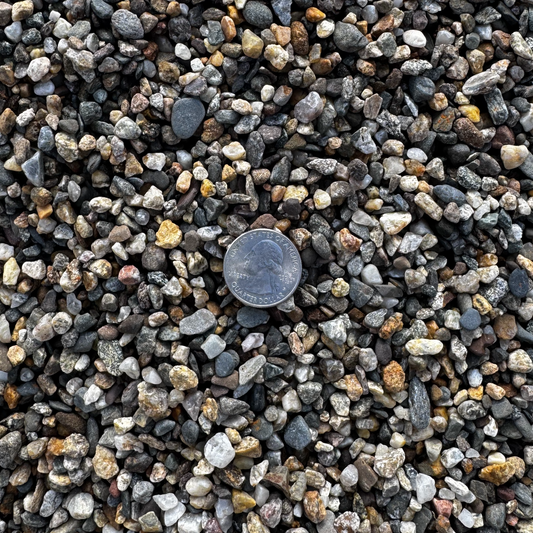
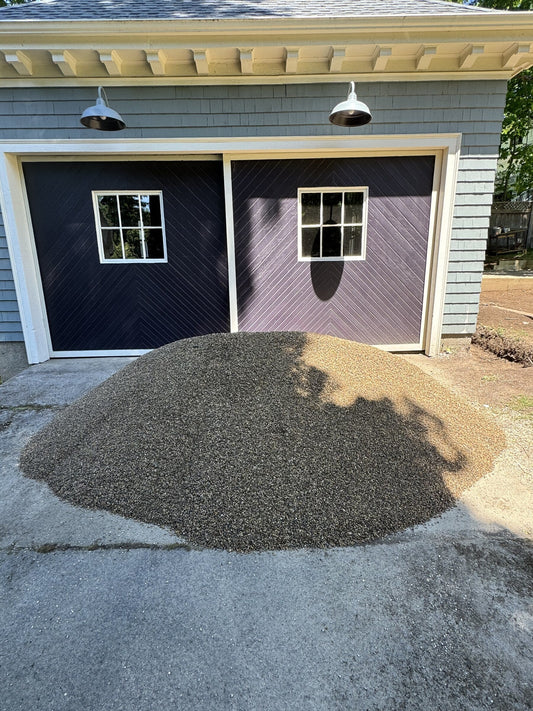
If you're buying bulk rock salt by the cubic yard, this can holds roughly 200 lbs of salt — enough for most of a typical winter on a Cambridge driveway.
Spot #3 — Under-Stoop Bin for Brick Walk-Up Entries
Best for: Cambridge's countless brick row houses and triple-deckers with stoop-front entrances.
The space under the brick stoop is often unused, dry, and right at the curb where the salt gets used. A weatherproof outdoor storage bin (the kind made for cushions) tucks under the steps with no sight-line impact from the street. Bonus: the location naturally puts the salt within reach of both the front walk and the curb.
Rule: secure the lid against raccoons and snowfall — they'll either flip the lid or pile snow on top of it during a storm.
For a DIY build that fits an awkward under-stoop space, see Weekend Project: Building a Weatherproof Salt-and-Sand Bin for a Hyde Park Side Yard.
Spot #4 — Wall-Mount Caddy on the Back Porch
Best for: second- and third-floor unit dwellers in Cambridge triple-deckers with no garage access.
A wall-mounted plastic caddy or covered milk crate, screwed into the back porch wall about waist-high. Holds a single 25-lb bag for the season. The roof line keeps it dry; the wall mount keeps it from blocking the porch.
This setup keeps salt close to the back door — useful in Cambridge winters when the back stairs ice over and tenants need quick access without trekking down to the basement.
Spot #5 — Coat Closet Bin for Condo and Apartment Buildings
Best for: Cambridge condo owners and apartment dwellers with no outdoor space at all.
A small lidded plastic bin (3-5 gallons) at the bottom of a coat closet, beside the boots. Holds enough salt for a few applications on the front walk or the building entry — the building handles bulk salting, you handle your own apron and steps.
Pair with a small handheld scoop. Empty and refill once or twice per winter from a smaller bagged purchase rather than buying bulk.
What Not to Do
- Don't store ice melt in a basement that floods or in a basement bulkhead with seepage. The bag will become a brick.
- Don't store on bare concrete. Lift it on wood, plastic, or pallet — the cold concrete causes condensation that ruins the bottom layer.
- Don't mix multiple ice melt types in the same bin. The chemistries compete and clump.
- Don't keep more than a season's supply at a time. Salt absorbs humidity year-round; a half-bag from last winter is usually a brick by November.
Where to Buy
Ottr delivers bulk rock salt, treated salt, and salt-sand blends throughout Cambridge and Greater Boston. See the full Snow & Ice Management collection for current per-yard rates, and read How to Read an Ice Melt Bag before you decide which chemistry fits your property.
For runoff and salt-application best practices in dense urban environments, the EPA Smart Salting program has the most authoritative guidance on minimizing impact.