Quick Answer
Plymouth County and eastern MA are heading into a 2026 season with bulk mulch holding near 2025 prices, crushed stone rising 4–6% on freight pressure, and screened loam tight in May–June. Contractors who pre-book spring loads in January and homeowners who order mulch by the first warm weekend in April will avoid the worst of the squeeze. Below: what's moving, what's not, and how to plan around it.
The Headline: A Steadier Spring Than Last Year
After a 2025 season that swung between a slow, wet April and a punishing late-June heat dome, 2026 is shaping up to be steadier. From Plymouth and Kingston up through Brockton and out to the South Shore, demand is tracking a normal seasonal curve — early-spring mulch driving the first wave, then a shift toward stone and loam by Memorial Day. The big drivers this year are freight and labor, not raw material shortages.
Pricing: What's Holding, What's Climbing
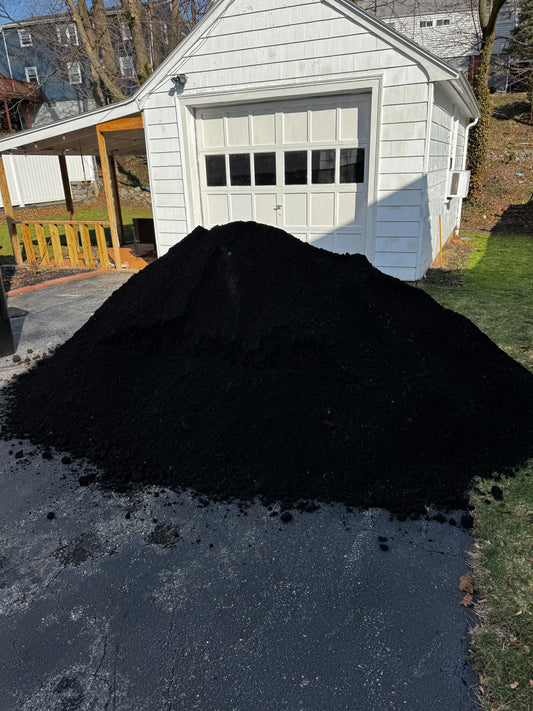
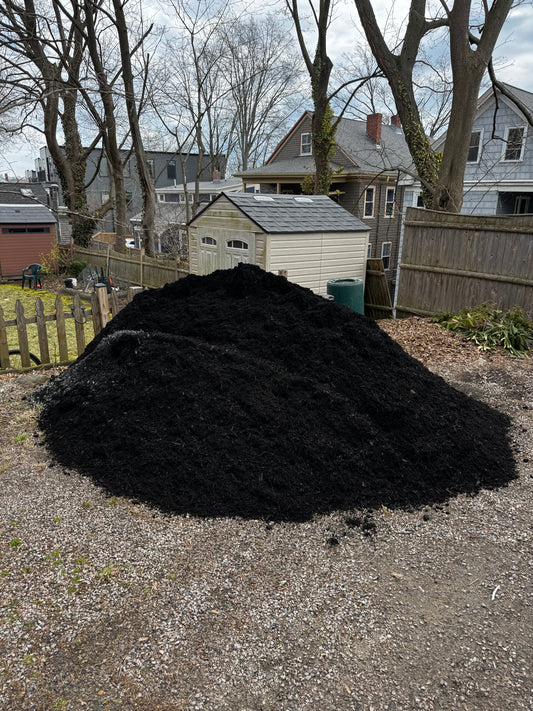
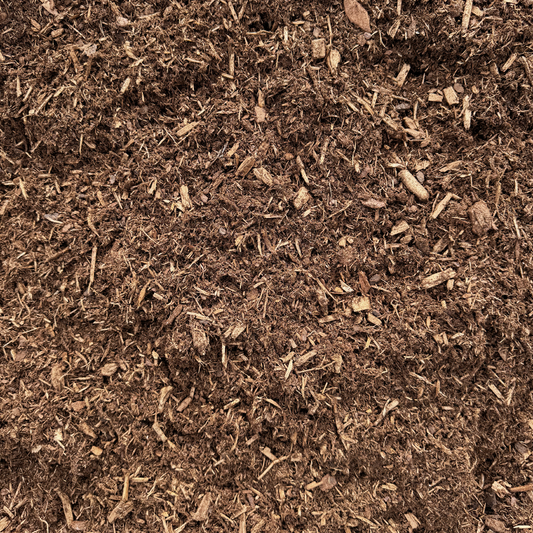
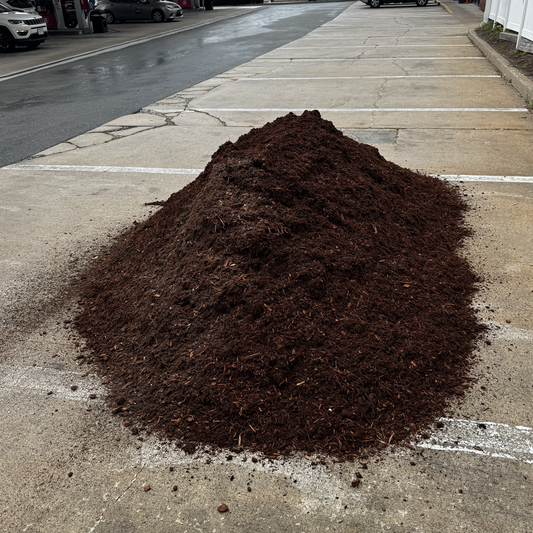
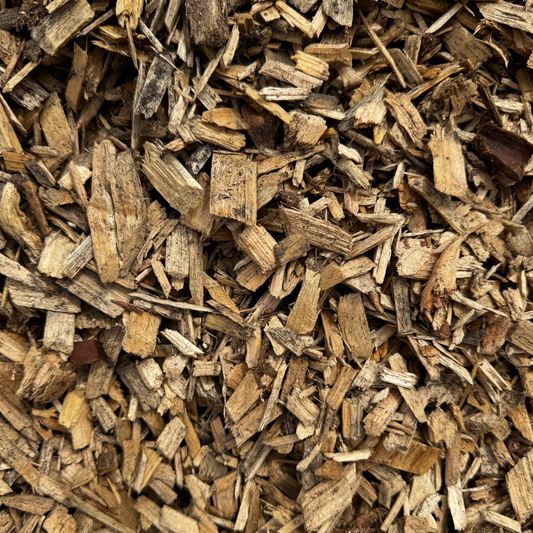
Mulch holds the line. Hardwood and hemlock supply across New England sawmills is healthy, and bulk mulch pricing in Plymouth County looks flat year-over-year. Black-dyed and cedar-blend products may move up modestly as colorant input costs settle. Browse the full mulch lineup for current per-cubic-yard rates.
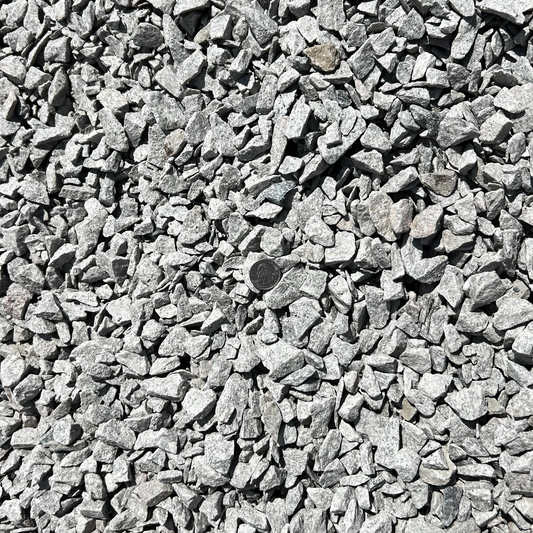
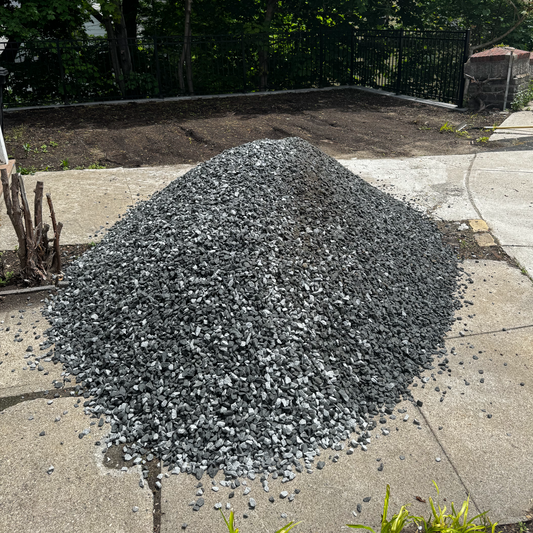
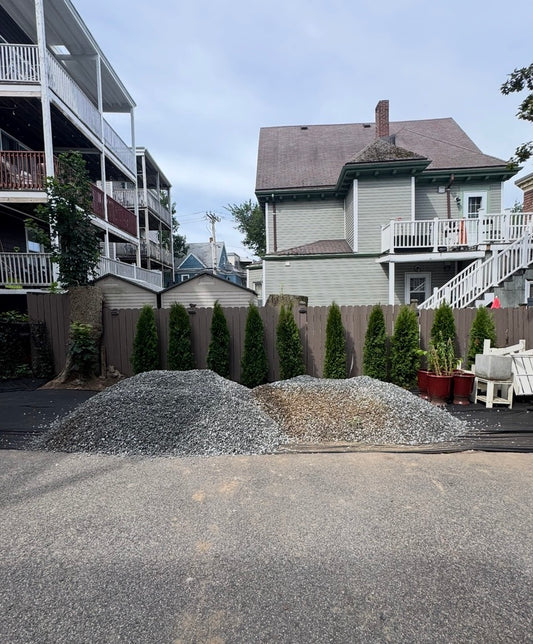
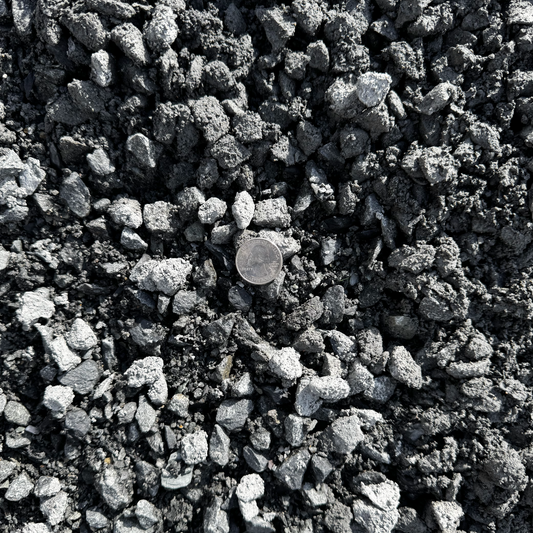
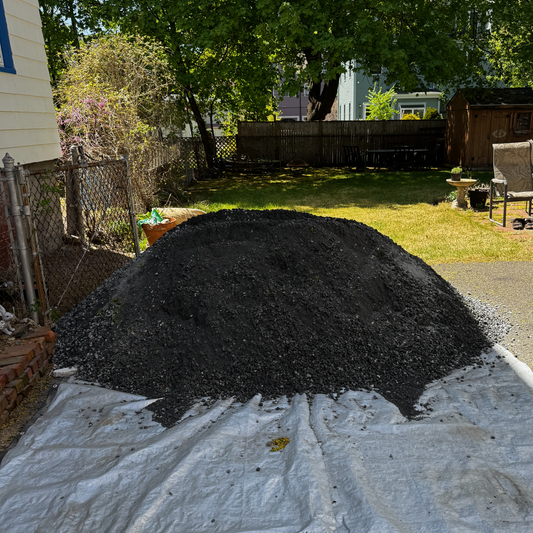
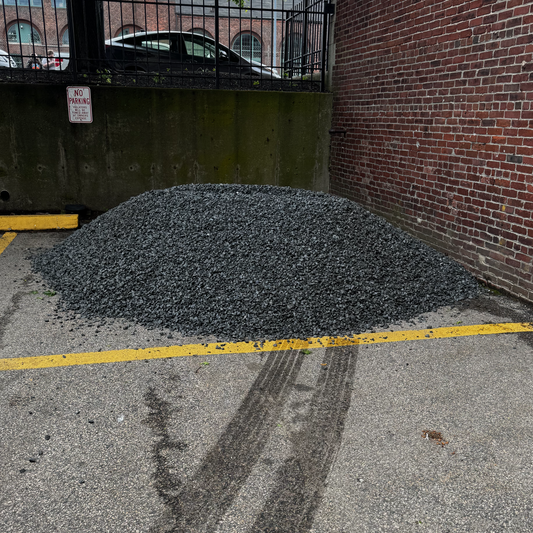
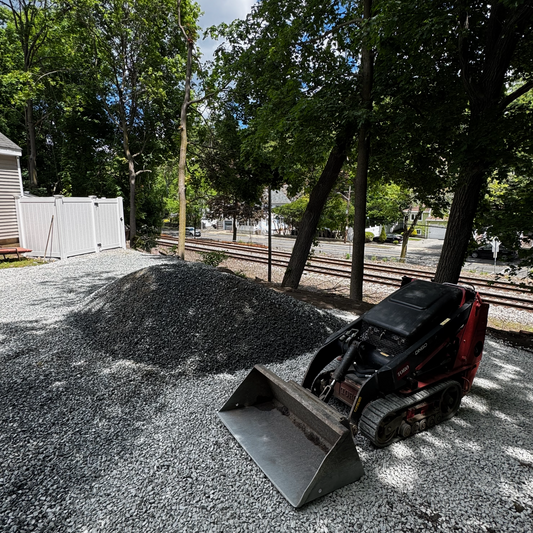
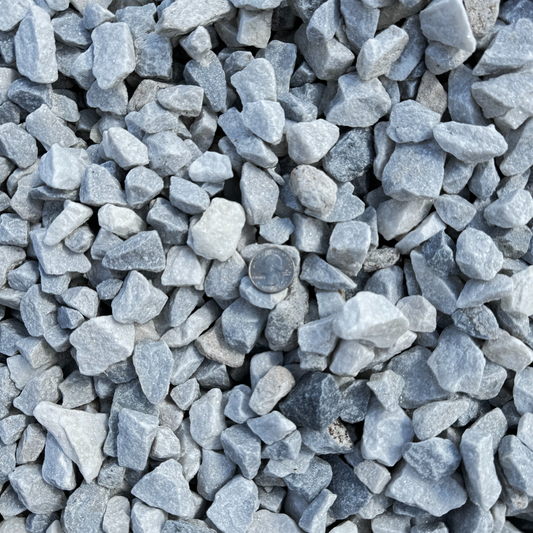
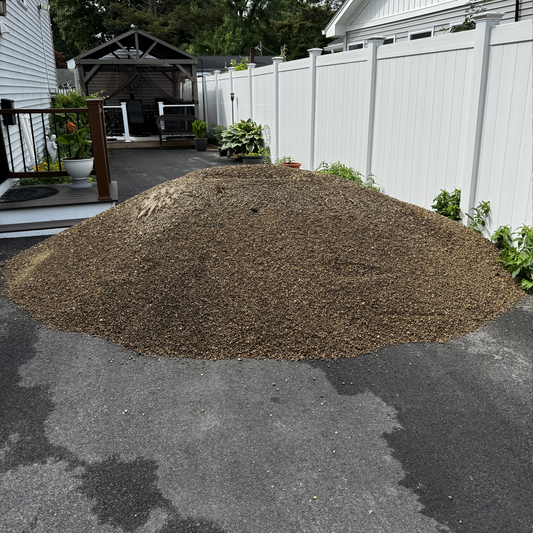
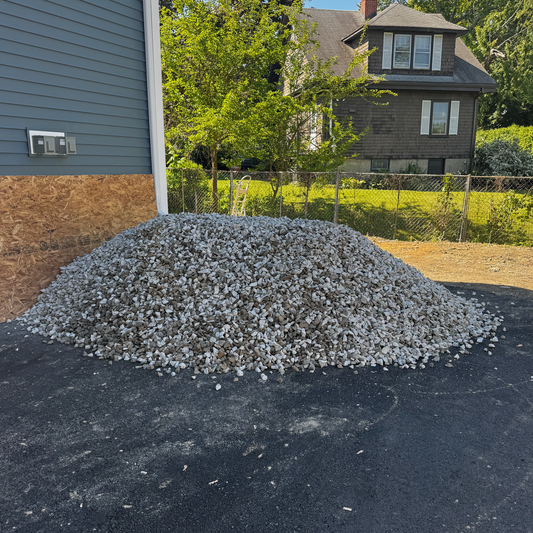
Crushed stone is up. Quarry-side prices are stable, but trucking from Bridgewater, Plympton, and Carver pits is running 4–6% above last year. That premium gets felt most on smaller orders (1–3 cubic yards). If you're doing a driveway base, a French drain, or a patio sub-base, our crushed stone collection shows the per-yard breakdown — bigger orders smooth out the trucking math.
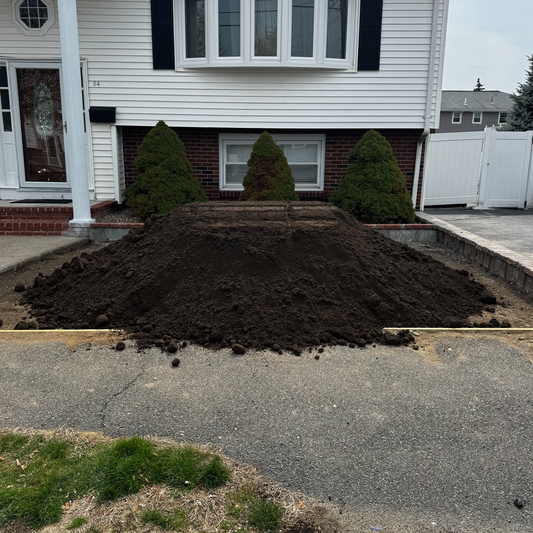
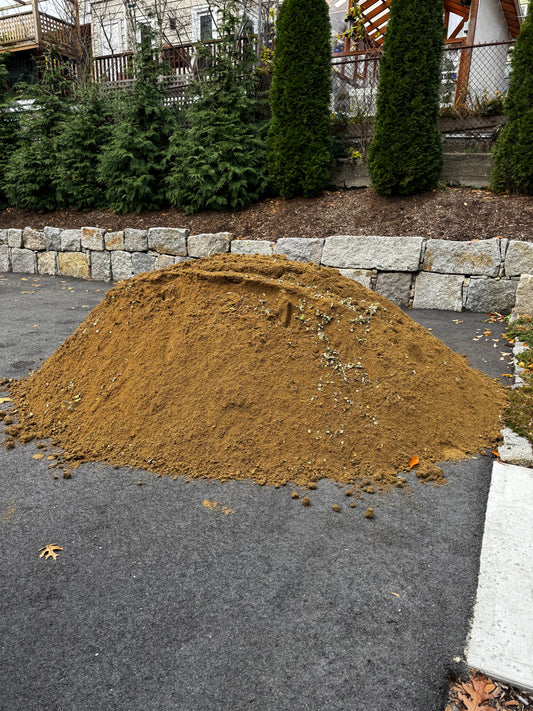
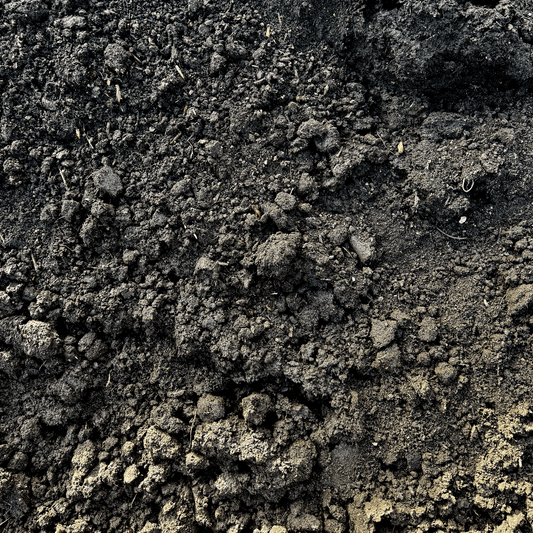
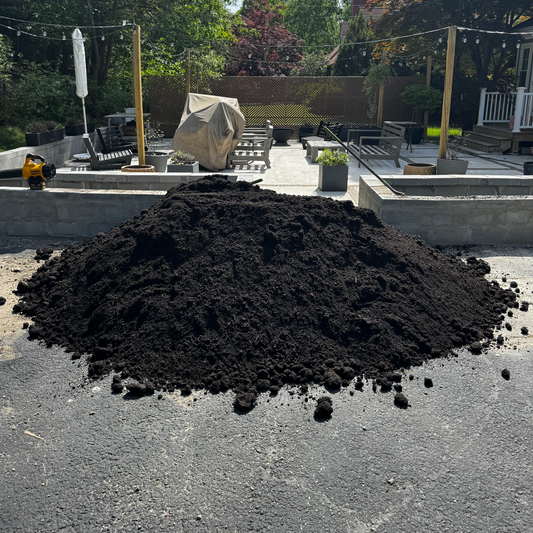
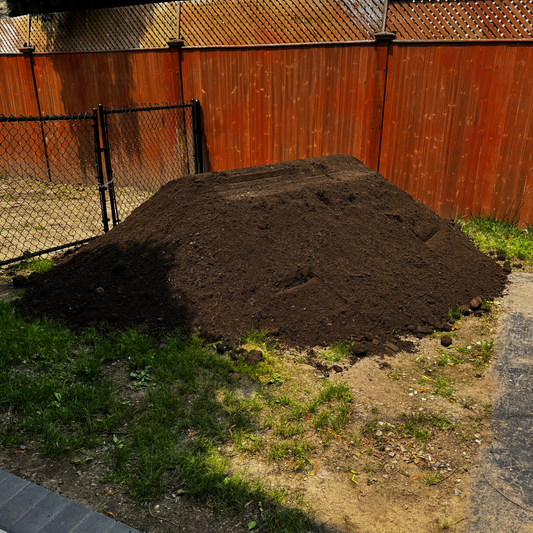
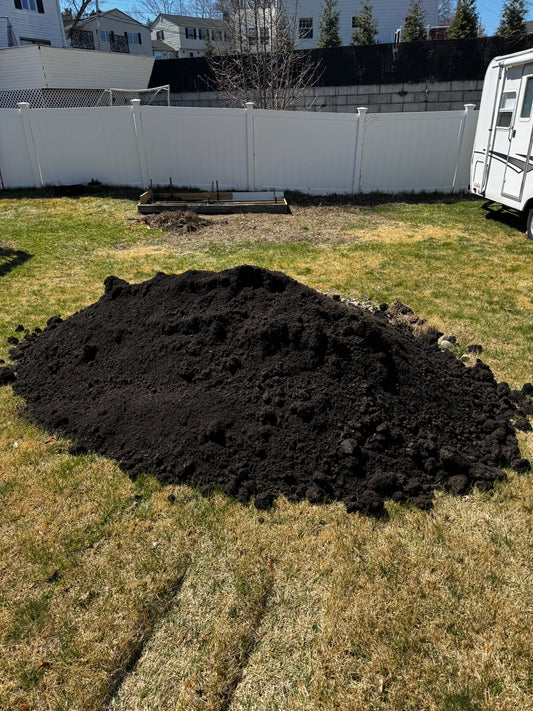
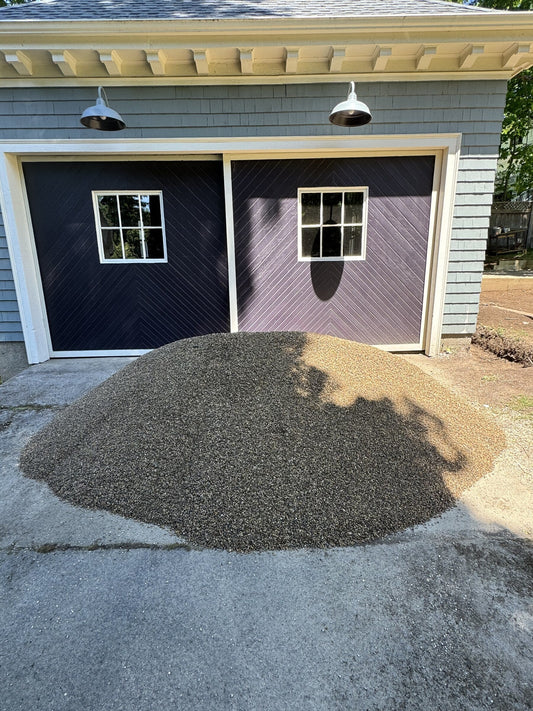
Screened loam tightens in May. Plymouth County loam sources stay tight from late May through mid-June every year, and 2026 won't be different. New-build sites in Plymouth, Halifax, and Middleborough always pull hard on the local supply right when homeowners are seeding. Order early or be flexible on screened vs. unscreened.
What's Driving Demand
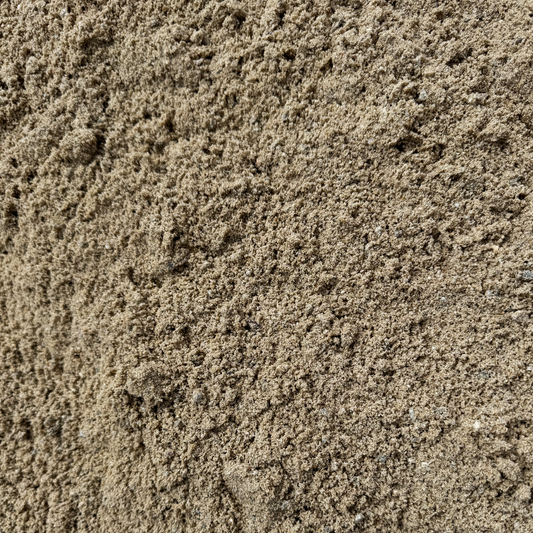
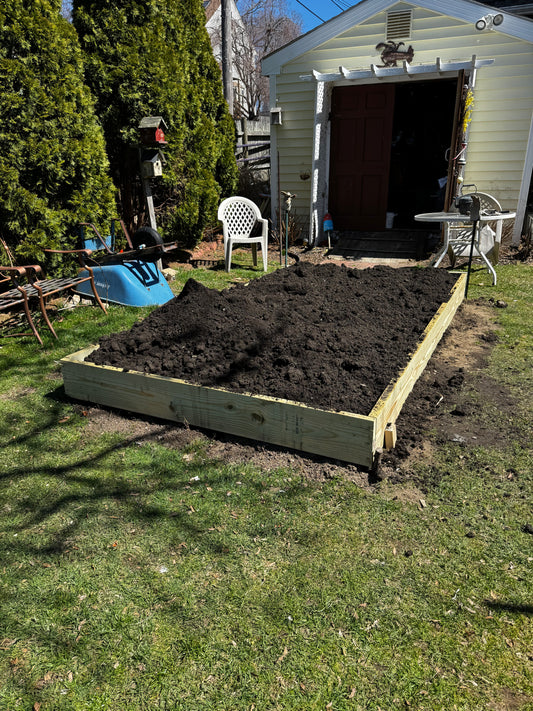
Three trends to watch this year. First, late-season raised-bed builds keep growing — homeowners are extending vegetable seasons with bagged garden soil mixes and bulk loam top-ups in March and again in August. Second, driveway resurfacing is up across the county; freeze-thaw cycles in 2024–2025 chewed up a lot of gravel aprons. Third, stormwater and drainage projects are picking up after MA tightened municipal stormwater guidance — expect more washed stone, French drain rock, and erosion-control material moving in mid-summer.
Practical Planning Calendar
- January–February: Contractors pre-book spring mulch loads to lock pricing. Homeowners plan beds and order soil tests through the UMass Soil and Plant Nutrient Testing Lab.
- March: First mulch deliveries start. Plymouth County crews begin spring cleanups; soil preps for vegetable gardens kick off.
- April–May: Peak mulch season. Beds get refreshed, new plants go in.
- June–August: Stone, drainage, and hardscape projects dominate. Loam tightens — order at least two weeks ahead.
- September–October: Fall mulch refresh, lawn seeding, late drainage work.
For contractor crews, the most expensive miss in 2026 will be waiting until April to confirm spring volume. The Pre-Booking Spring Mulch Loads playbook has the full pricing math.
What This Means for You
Whether you're planning a single bed refresh in Plymouth or running a six-truck crew across Brockton, Halifax, and Hanover, the move in 2026 is the same: lock in mulch in January, order stone in larger chunks to soften the freight bump, and plan loam orders around the May–June squeeze. Ottr Landscape Supply delivers across Plymouth County and eastern MA — see the full catalog and book delivery directly.
For region-specific guidance through the year, the UMass Extension Landscape, Nursery & Urban Forestry program is the most authoritative source on what to plant, when to feed lawns, and how to time amendments. We'll update this outlook in the February Middlesex County preview and the March 1 Boston yard kickoff as the season rolls forward.