Quick Answer
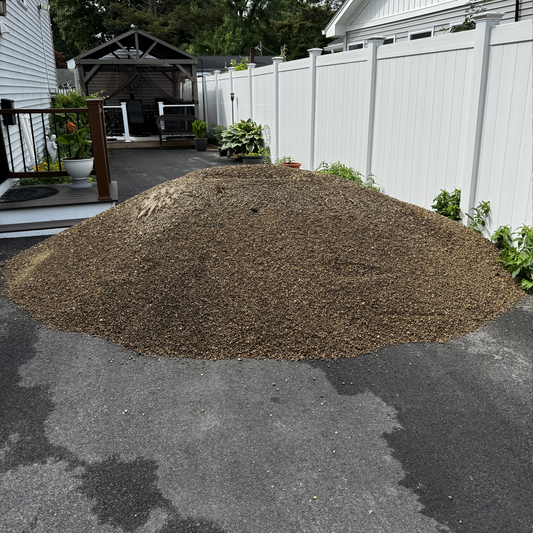
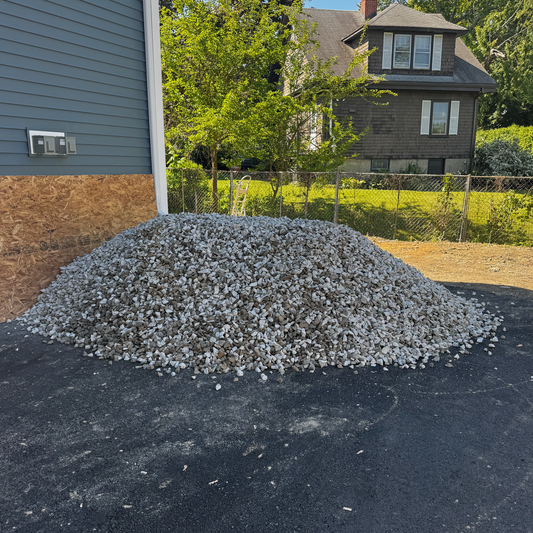
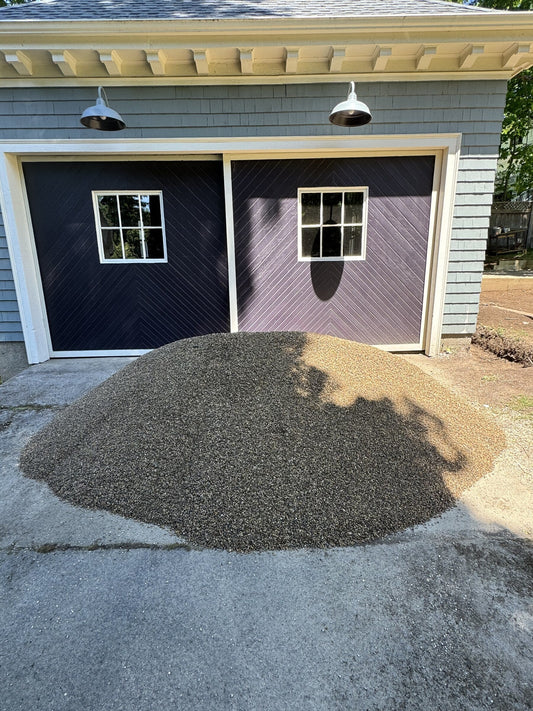
A coastal Nor'easter pulls bulk salt demand 4-6x normal across Boston in the 72 hours before landfall, drains pre-treated rock salt first, then mason sand and salt-sand blends, then calcium chloride. Trucking capacity tightens at the same time because dispatchers are routing plows. Homeowners who order bulk before the National Weather Service Boston issues a Winter Storm Watch get full inventory and standard delivery windows; those who wait until the Warning posts can find pickups limited to whatever's left.
What a Nor'easter Actually Does to the Supply Chain
A typical mid-winter snow event pulls maybe 1.5x normal salt demand in the eastern Massachusetts market. A Nor'easter is a different animal. The combination of a long forecast lead time (NWS Boston usually flags candidate storms 4-7 days out), wide geographic footprint (the whole I-95 corridor pulls hard at once), and high coastal precipitation totals concentrates demand on a narrow window before the snow even starts falling.
For our 2026 outlook on the broader supply year, see 2026 Landscape Material Outlook for Plymouth County and Eastern MA.
The Pre-Storm Demand Curve
We pulled order data from the last three Nor'easters that affected Boston:
- T-minus 5 days (Watch issued): Order volume runs 1.5-2x normal. Mostly contractors topping off bulk yards.
- T-minus 3 days (Watch upgraded toward Warning): Volume hits 3-4x normal. Homeowners start calling about bagged ice melt and mason sand.
- T-minus 24-48 hours (Warning issued): Volume peaks at 4-6x normal. This is when pre-treated rock salt sells out first; calcium chloride bagged product follows by the next morning.
- Storm day: Deliveries paused on impassable streets; pickup volume only.
- T-plus 2-4 days: A second wave hits as homeowners discover the salt-damage stripe on their walks and re-order to finish the cleanup.
What Sells Out First, In Order
- Pre-treated (treated) rock salt — the calcium-or-magnesium-coated rock salt is the first to clear because contractors prefer it for low-temp storms. It melts faster than untreated rock salt and outperforms in the kind of cold a Nor'easter brings.
- Mason sand by the cubic yard — Boston's older neighborhoods (South End brownstones, Beacon Hill, Charlestown) buy heavily on sand because the brick walks and granite stoops can't take heavy chloride loads. See Mason Sand vs Bank Sand: A Worcester County Winter Traction Q&A for grain specs.
- Bagged calcium chloride — homeowners realize their stash from December is empty; bagged calcium chloride goes by the next afternoon. Real-world performance notes are in Ottr's Granular Calcium Chloride: Real-World Notes from a Plymouth Driveway.
- Salt-sand blends — last to clear because they're a niche product, but the 20/80 blend is the right call for lawn-edge applications and goes fast in inner-ring suburbs (Newton, Brookline, Watertown).
Why Trucking Tightens at the Same Time
Three factors compound on the trucking side:
- Plow contracts pull dispatchers. Most bulk-delivery trucks in eastern MA also run plow contracts. Those contracts have priority. The hour the Warning posts, half the available trucks shift to plow standby.
- Routing windows shrink. Bulk delivery on a normal weekday is 8 AM to 5 PM. Pre-storm, the safe routing window collapses as snow timing tightens — once flakes start falling, residential side-streets become marginal for a 14-yard truck.
- Driver staffing. The same drivers running plow routes overnight aren't running deliveries the next morning.
If you're ordering bulk before a Nor'easter, the move is to order the moment the Watch posts, not the Warning. You get a full delivery window and full inventory.
What This Means for Homeowners
For the average Boston-area homeowner with a two-car driveway, the practical playbook:
- Keep a season's supply on hand by mid-December. A two-car driveway uses roughly 1.5-2 cubic yards of rock salt across a Boston winter. That's one truck delivery early in the season, not five panic-buys spaced across storms.
- Have one bag of calcium chloride in reserve. For sub-15-degree days a Nor'easter often brings.
- Know which bin holds what. Mid-storm at 6 AM is not the time to be sorting bags.
For inventory and ordering, browse the Snow & Ice Management collection or pull up the Boston landscape supply collection for delivery scheduling.
What This Means for Contractors
Contractor crews running plow contracts across Boston neighborhoods see the same demand wave but on a shorter fuse. The disciplined move is locking in bulk yards by the first week of December and topping off after every storm — not waiting until the next Watch posts. Contractors should also plan around late-January spring inventory; see how heavy snow pack feeds into the spring mulch cycle in Heavy Snow Pack and Spring Mulching: How One Affects the Other in Plymouth.
For Nor'easter forecasting, the National Weather Service Boston office is the most authoritative source on timing and totals. For broader chloride runoff impact in the Charles and Mystic watersheds, the EPA Smart Salting program has the regional guidance.