Quick Answer
A heavy snow pack on a Plymouth yard means wetter soil through April, slower soil-temperature warm-up, and a mulching window that pushes 1–2 weeks later than the average year. Soil that's saturated through the top 6 inches doesn't accept mulch well — the wood pile traps moisture against the crown of perennials and stalls bed warming. The fix is reading your own yard before the calendar: if there's still ice in the bed in late March, wait. If the soil's dry to 4 inches, mulch.
Why Plymouth's Snow Pack Matters for May
Plymouth's coastal location moderates winter temperatures relative to the rest of Plymouth County, but the snow pack still drives soil conditions for two months after the last flake melts. Snow on the ground in February and March insulates the soil — keeping it from deep-freezing — but the meltwater saturates the top 6–12 inches in a way that takes weeks to drain through Plymouth's mostly-sandy glacial outwash soil.
Heavy-snow years (50+ inches across Dec–Feb) routinely push the workable mulching date in Plymouth from "early April" to "third week of April." Light-snow years (under 25 inches) open the window in late March.
The 2025–26 winter through January 26 has run roughly normal — about 28 inches at the Plymouth NWS reporting station — so spring conditions look closer to a typical year than a wet one. But the rest of February and March will still shift that date.
What Snow Pack Does to Soil
Three effects matter for the mulching call:
1. Moisture saturation. Each inch of snow holds roughly 0.10 inches of water. A 30-inch winter dumps 3 inches of liquid equivalent into the soil over a 6–8 week melt window. On Plymouth's sandy soil, that mostly drains through. On the heavier clay-and-loam pockets in Pine Hills and Manomet, it pools.
2. Soil temperature lag. Snow-covered ground warms slower than bare ground in March. A bed that was under 18 inches of snow on March 1 typically runs 5–8°F cooler at 4-inch depth on April 1 versus a bed that was bare. That cooler soil delays bulb emergence and slows perennial wake-up.
3. Crown rot risk. Mulch laid on saturated soil traps moisture at the crown of perennials, where the stem meets the root. Over a wet April, that's where crown rot starts. Daylilies, hostas, peonies, and irises all suffer when mulched too early on too-wet ground.
Reading Your Plymouth Yard in Late March
The decision isn't calendar-driven. It's yard-driven. Three checks:
- Push a screwdriver into a bed. If it goes 4 inches with light pressure, the soil is workable. If it stops at 1 inch, there's still frost, and you wait.
- Squeeze a handful of soil. If it forms a tight ball that drips water, too wet. If it crumbles into chunks, ready.
- Check perennial crowns. If new growth is visible at the soil line, you can mulch around but not over the crown. If growth hasn't started, wait — mulching over a still-dormant crown that's about to push buries new shoots.
When to Mulch in a Heavy-Snow-Pack Year
The Plymouth playbook for heavy-snow springs:
- Late March: Inspect, don't mulch. Pull back any winter mulch that's holding moisture against shrubs.
- First week of April: Cleanup — rake winter debris, edge beds, prune dormant shrubs.
- Second to third week of April: Mulch as soon as the soil-test screwdriver check passes. Mulch over established perennials only after new growth is 2–3 inches tall.
- Last week of April / first week of May: Window closes — soil is generally workable, perennials are up, and you want mulch down before May rain.
In a light-snow year, advance everything by 7–10 days. In a heavy-snow year (which 2025–26 isn't shaping up to be), push everything 7–14 days later.
What to Mulch With After a Wet Winter
After a saturated winter, the right mulch matters:
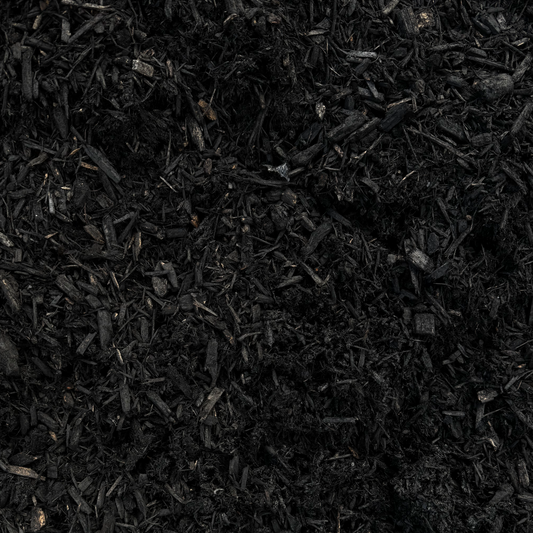
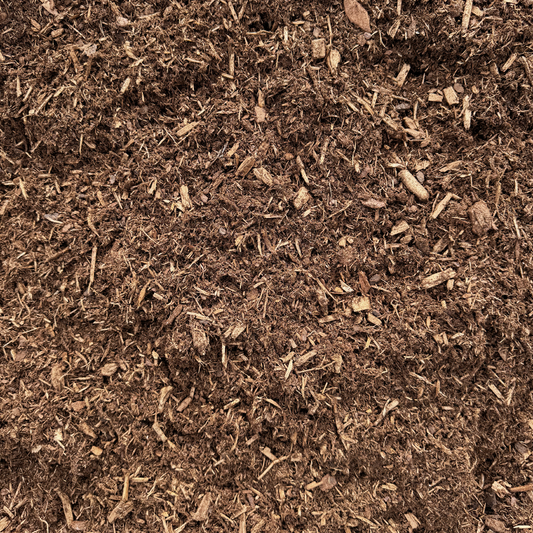
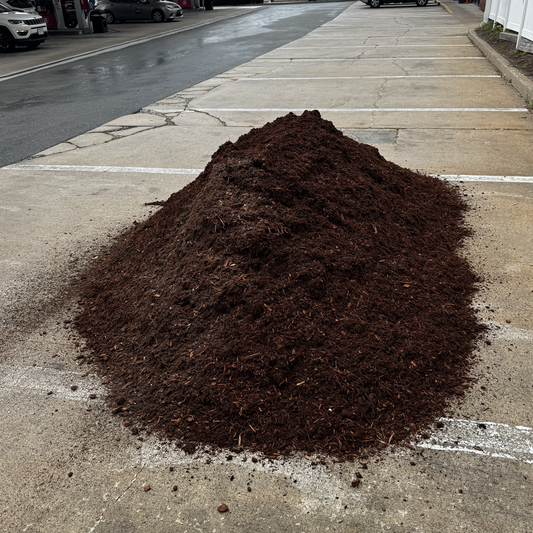
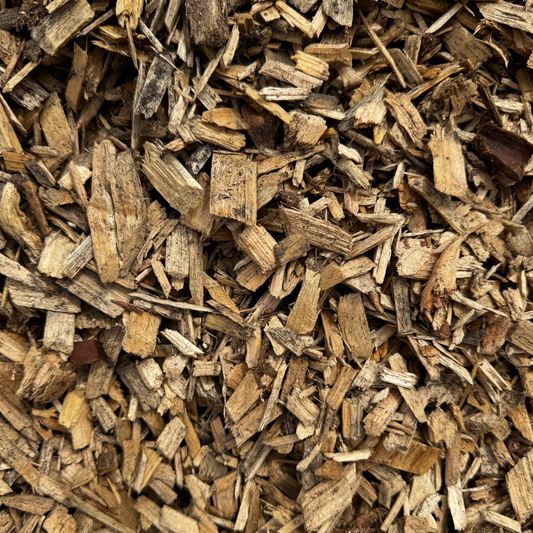
- Plain ground hardwood is the safest pick. Drains well, doesn't pack tight, holds moisture without smothering. The bulk hardwood mulch at Ottr is the workhorse for Plymouth front and back beds.
- Aged dark mulch (composted hardwood) is fine if the bed isn't already saturated.
- Pine bark fines drain best of any common mulch — useful for the wet-soil pockets in Manomet.
- Avoid double-shredded fresh hardwood in a wet spring. It mats and slows drainage.
For a Plymouth-County-wide ordering walkthrough, How Plymouth County Homeowners Pre-Order Bulk Mulch and Lock March Delivery covers the timing call. For a full overview of the Mulch Bed Refresh use-case set, the Mulch Bed Refresh collection is the consolidated reference.
Volume Math for a Plymouth Yard
A typical Plymouth front-and-back bed system runs 600–1,200 sq ft of mulched area, refreshed at 2 inches deep:
- 600 sq ft × 2"/12" = 100 cu ft = ~3.7 cu yds
- 1,200 sq ft × 2"/12" = 200 cu ft = ~7.4 cu yds
Round up to the next yard for the trucking math. Most Plymouth orders run 4–8 yds — a single drop on the 14-yard hauling truck with margin to share with a neighbor.
What to Watch in February
Between January 26 and March 1, two things drive the spring mulching call:
- The next 6 weeks of snow. If February brings another 18 inches, push the mulching date.
- The depth of the freeze. Soil temperatures at 4-inch depth tell you when biological activity restarts. The UMass Extension Landscape program maintains the regional soil-temperature reference.
For the broader February outlook on snow-pack and bed conditions across eastern MA, the Late February Weather and Why Boston Mulch Beds Look Their Worst Right Now extends this analysis. For the March 1 Boston yard kickoff and what's possible across the region by then, the March piece bridges the gap.
For the most accurate Plymouth-area weather and snowpack data, the National Weather Service Boston/Norton forecast office is the official source.
The short version: don't mulch by the calendar, mulch by the soil. Plymouth yards that read their own ground in late March consistently land mulch on dry beds in mid-April — and skip the crown-rot problem the calendar-mulchers create.