Quick Answer
Boston mulch beds look terrible in late February for three predictable reasons: nine months of UV fade has stripped color, freeze-thaw cycles have matted the surface flat, and snow-mold mycelium has bloomed where snow sat longest. The next four weeks won't fix any of it — natural color restoration takes UV exposure on fresh fiber. Plan a March refresh, not a February intervention. Pre-book bulk hardwood or hemlock now and lock a March delivery slot.
What's Actually Happening to the Mulch
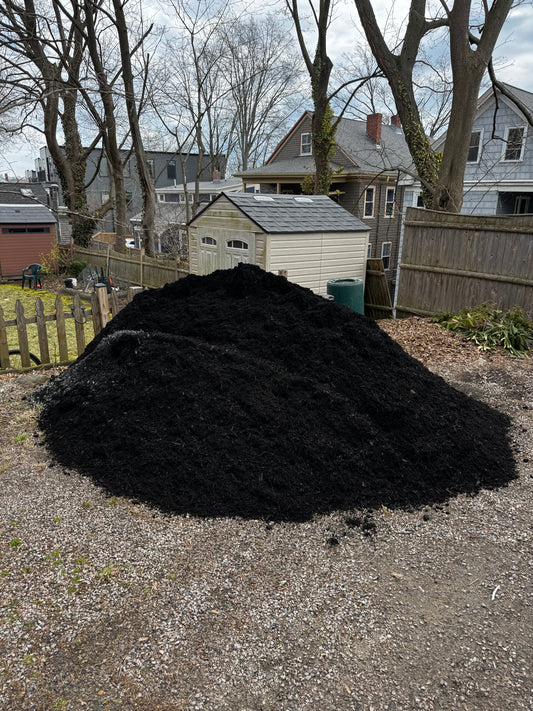
Walk Beacon Hill, Back Bay, or any Dorchester three-decker block today and the mulch beds look the same: gray-brown instead of dark brown, matted into a crust at the surface, sometimes with a white or pinkish bloom where the snow lingered longest. Homeowners assume the mulch has "gone bad." It hasn't. Three things are happening at once.
UV fade. Every dyed or naturally pigmented mulch fades when exposed to sun. By February, last spring's fresh April mulch has had nine months of UV — the dye in black-dyed mulch has bleached to gray, hardwood has weathered to silver, hemlock has lost its red. The fade is irreversible on the existing fiber.
Freeze-thaw matting. Boston gets 30+ freeze-thaw cycles between December and February. Each one compresses the mulch fiber slightly. By late February, what was 3" of fluffy mulch in October is 1.5" of compressed mat. Visually it reads as a flat, dead surface.
Snow mold and mycelium bloom. Where snow sat for weeks (north sides, foundation edges, under shrub canopy), the moisture and dark created a perfect environment for white or pink-tinted fungal growth. It looks alarming but it's normal — the UMass Extension confirms it's a cosmetic issue that disappears once the surface dries out.
What the Next Four Weeks Will and Won't Do
Will not: restore color, refluff matted mulch, prevent more fade. The existing fiber is past the recovery point. New growth and warmer days don't reverse weathering on dead organic material.
Will: dry out the snow-mold blooms (cosmetic improvement), reveal where actual bare spots have opened up (tree-ring erosion, plow scrape damage, foot-traffic wear), and tell you exactly how much fresh mulch each bed needs.
This is the diagnostic window, not the action window. For deeper Plymouth context on how heavy snow pack affects what shows up underneath, see Heavy Snow Pack and Spring Mulching: How One Affects the Other in Plymouth.
What to Do Right Now (Three Things)
1. Walk every bed and inventory. Note where mulch is matted, where it's blown thin, and where bare soil shows through. Estimate cubic yardage for replacement — most Boston front beds need 1–2 cubic yards each, side and back beds 3–4 yards combined.
2. Pre-book the spring delivery. March mulch slots fill by mid-February. Pre-booking now locks the delivery window before April demand spikes pricing. See How Plymouth County Homeowners Pre-Order Bulk Mulch for the call script — same logic in Boston neighborhoods.
3. Don't apply anything yet. Mulching frozen ground or wet matted beds wastes the new fiber. Wait for ground to thaw and existing mulch to dry. The optimal Boston window is mid-March through mid-April, depending on weather.
Pick the Right Refresh Strategy
Three approaches, depending on how bad the existing mulch is:
- Light top-dress (1" of fresh on top of existing): for beds where the mulch is just faded but still 2"+ deep. Restores color, no removal needed. Cheapest option.
- Half-replacement (rake out and remove the matted top, top with 2" fresh): for beds where the mulch has compressed flat. Right approach for most Boston beds.
- Full reset (remove all old mulch, top with 3" fresh): only for beds where snow-mold is heavy or the existing fiber has decomposed past usefulness. Most expensive.
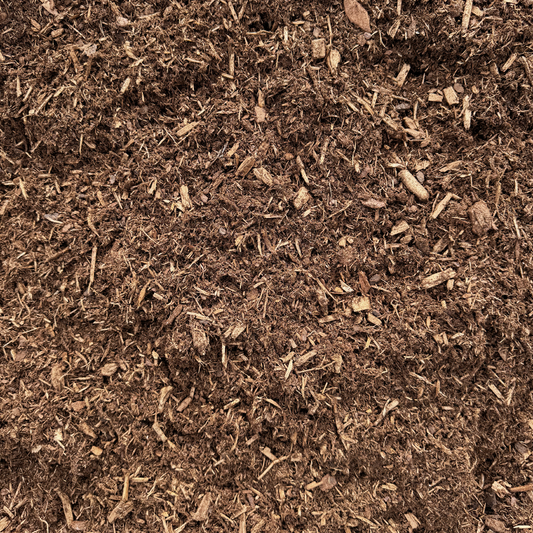
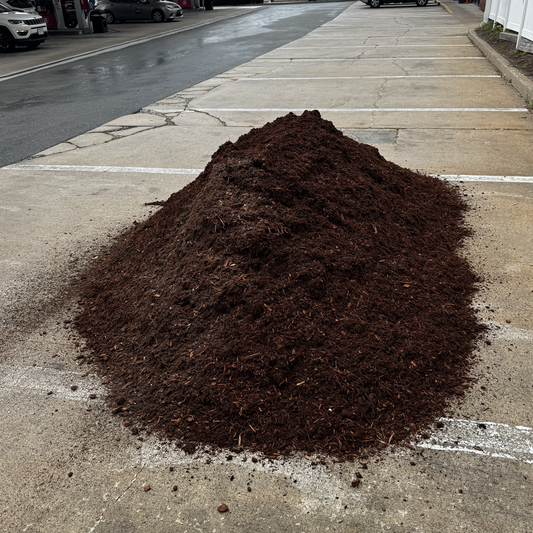
For broader mulch product selection, browse Mulch Bed Refresh for hemlock, hardwood, black-dyed, and natural blends.
What's Available for March Delivery
Boston-area bulk mulch supply is healthy heading into 2026 — see the 2026 Plymouth County and Eastern MA outlook for the regional view. Hemlock and hardwood are the volume products; cedar and black-dyed are smaller-volume specialty options that should be ordered early.
For homeowners with dogs in Medford and similar neighborhoods, the pet-safety question on cocoa mulch matters before you order — see Building a Dog-Friendly Yard in Medford.
The Honest Boston Mulch Calendar
- Late February (now): beds look worst; diagnostic walk; pre-book spring delivery
- Early March: spring cleanup begins; clear winter debris; light edging
- Mid-March: ground thaws on south-facing beds; first refresh applications begin
- Late March / early April: peak refresh window; prices and demand both spike
- Mid-April through Memorial Day: wrap-up; perennial planting follows
The beds will look better in five weeks — but only because of what you do, not because of what the weather fixes. For a March 1 walkthrough on what your Boston yard needs before mulch goes down, see March 1 Kickoff: What Your Boston Yard Needs Before Mulch Goes Down.
For broader MA seasonal mulching guidance, the US Composting Council has the most authoritative standards on what counts as quality mulch product.
The mulch isn't broken. It's February.