Mulch Bed Refresh

Collection: Mulch Bed Refresh

By late April the mulch beds around the foundation are faded, matted, and starting to grow last season's weed seed bank. The annual refresh is the single highest-impact project on the South Shore landscape calendar — it suppresses weeds for the season, locks in soil moisture through the summer drought stretch, and gives the front yard a clean line.

The Ottr refresh: rake the existing mulch loose to break up the cap (don't add fresh mulch on top of a thick old layer — you'll suffocate roots), pull weeds, edge the beds clean, then apply 2–3" of fresh mulch.

  • Pine Bark Mulch — the classic dark-brown New England look. Acidifies slightly as it breaks down — great for hydrangeas, azaleas, and rhododendrons.
  • Hemlock Mulch — reddish-brown tone, holds color longer than pine bark. Premium choice for front-of-house beds.
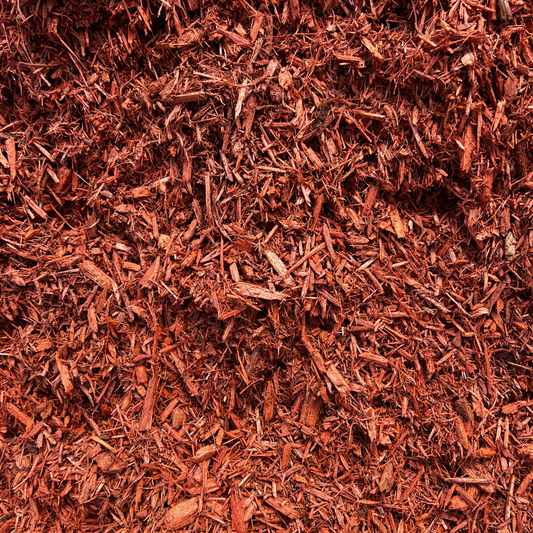
  • Red Cedar Mulch — the warmest red tone available. Naturally resistant to insects and decomposition; lasts the longest of any mulch we carry.
  • Black Mulch — deep black hue for high-contrast looks against light-colored homes or hardscape.
  • Playground Mulch — Certified — IPEMA-certified for play areas; also doubles as a softer, kid-friendly mulch around backyard sets.
  • Compost — work a 1" layer into the bed before mulching for a multi-year nutrient boost. Single best long-term move for tired beds.

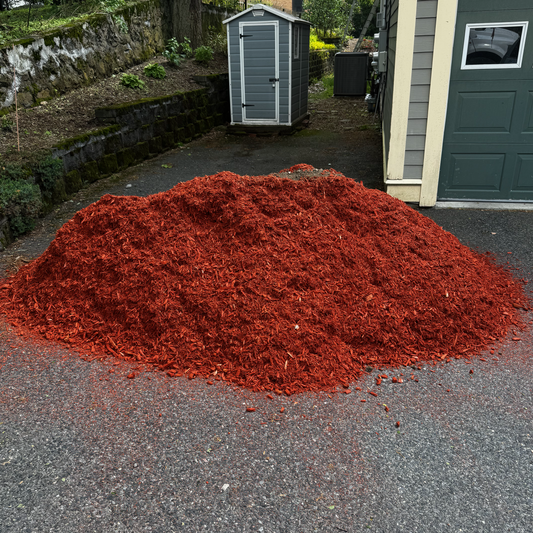
Coverage rule of thumb: 1 cubic yard covers 100 sq ft at 3" deep, or 160 sq ft at 2" deep. A typical front foundation bed (3×40') needs 1–1.5 yards. A full residential refresh runs 4–8 yards.

Same-day or next-day dump-truck delivery across Massachusetts and Rhode Island for orders over 3 yards. We spot-drop multiple piles around the property to cut your wheelbarrow runs.