Quick Answer
A dog-friendly Medford yard works in zones: a high-traffic dog run in smooth pea stone, planted beds in dog-safe hardwood or cedar mulch, a shaded lounging zone on dense turf or a small patio pad, and zero cocoa mulch anywhere. Skip sharp angular crushed stone, lava rock, and rubber mulch — all paw hazards. The best Medford dog yards spend the design effort on layout, not exotic materials. Pea stone, cedar mulch, and a flagstone patio pad cover 90% of needs.
Why Medford Yards Need a Plan
Medford's neighborhoods — West Medford, Wellington, South Medford — pack dense triple-deckers and Capes onto small lots. Backyards are 25×40 typical. Dogs use the whole yard. Without intention, the yard turns into a worn-grass patch with mud, splinters from cedar mulch in the wrong places, and a dog who tracks debris into the house.
A 30-minute layout plan fixes most of it. The materials are cheap; the layout is what makes the yard work.
The Five Zones of a Working Dog Yard
Most successful Medford dog yards have these five zones, even on small lots. You can fit all five in 25×40 with intentional planning.
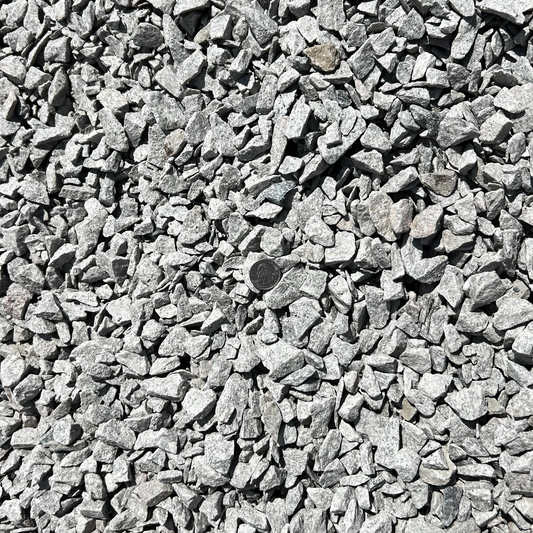
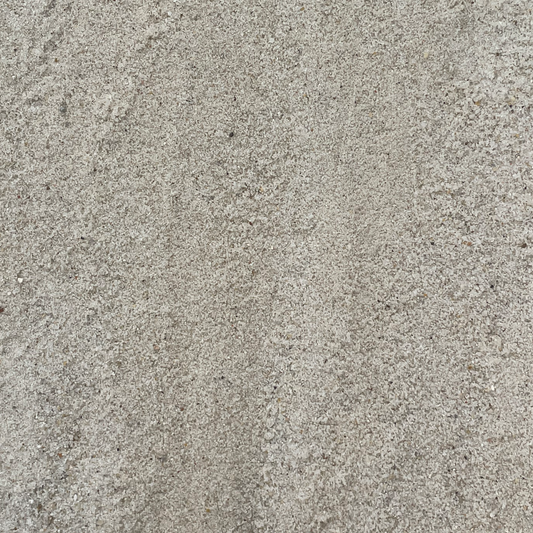
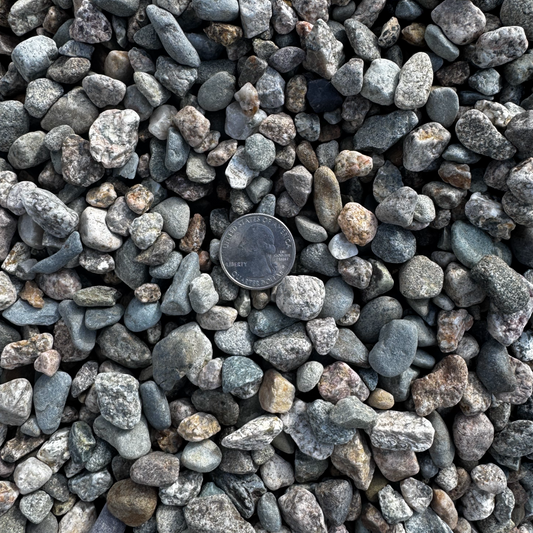
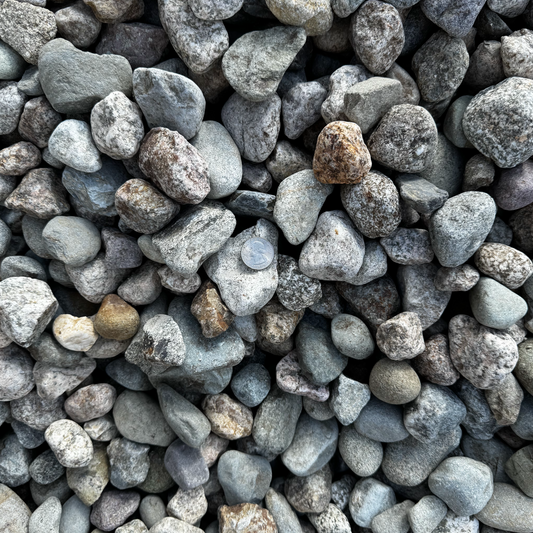
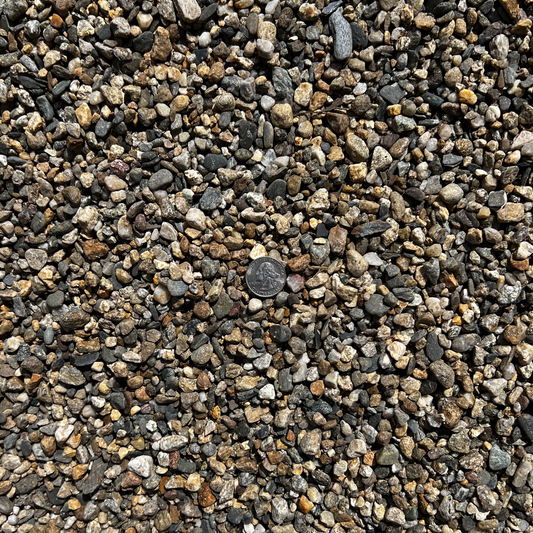
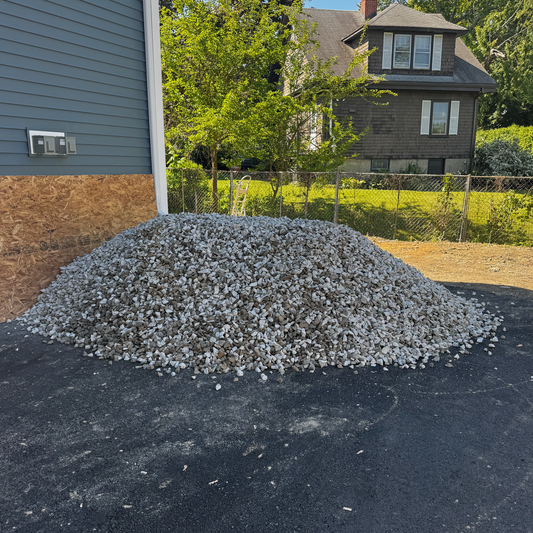
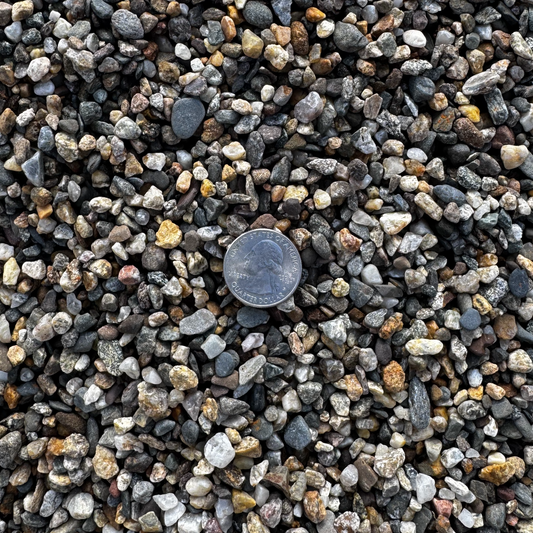
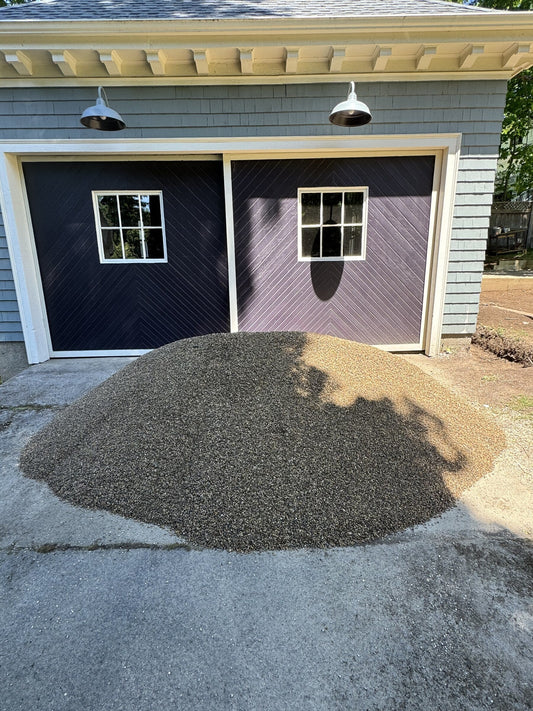
Zone 1: The Patrol Run. Along the fence line where the dog walks the perimeter. 18–24 inches wide. This is where grass dies first and mud appears. Lay smooth pea stone (¼–⅜ inch) 3 inches deep. Comfort underfoot, drains instantly, doesn't hold smell.
Zone 2: The Bathroom Spot. Most dogs pick a spot and use it. Don't fight it — work with it. Grass won't survive nitrogen burn from dog urine. Replace the bathroom spot with pea stone (same as the patrol run) so cleanup is a hose-and-scoop, not a dead-grass patch.
Zone 3: The Lounging Zone. Where the dog actually wants to lie. Usually shaded, often on a back patio or under a tree. A small flagstone or paver pad gives a clean, cool surface. If you don't have shade, plant a fast-growing shade tree this spring — see How to Plant a New Tree in a Lexington Yard With Loam and Compost for the technique.
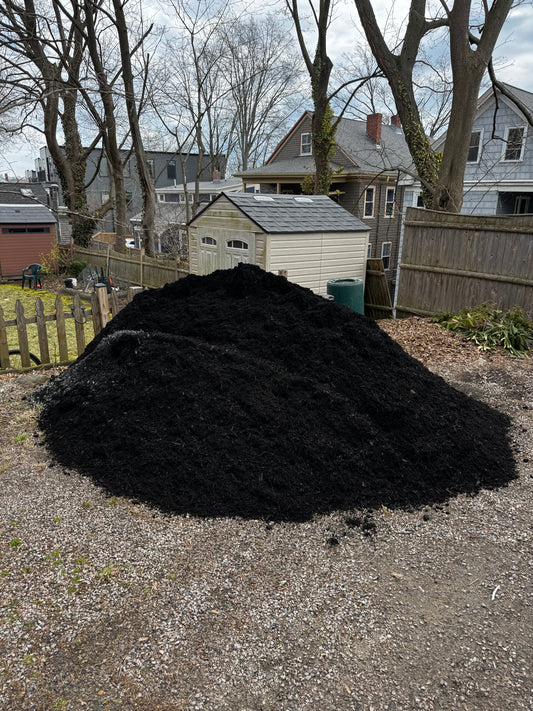
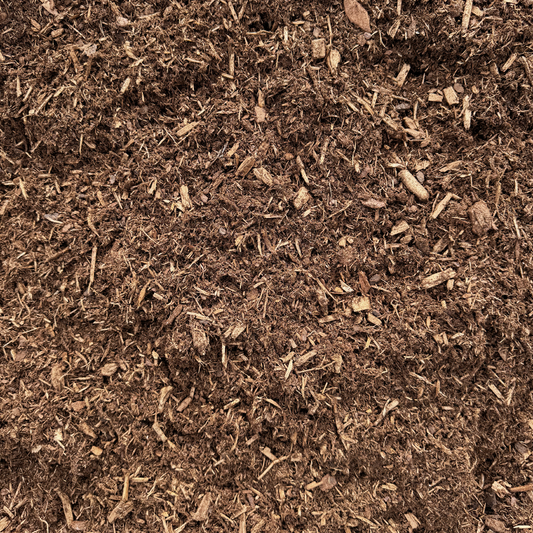
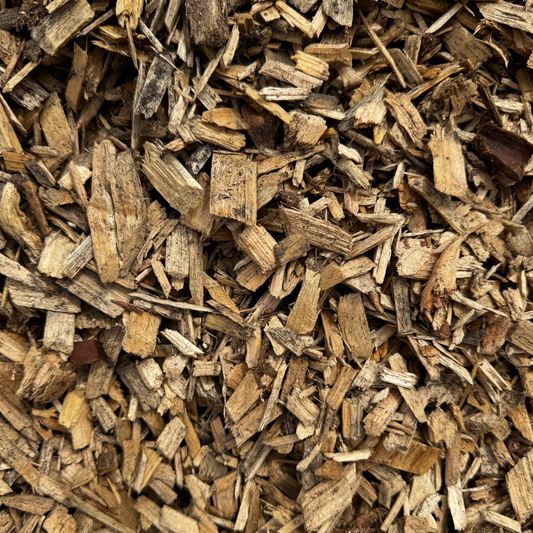
Zone 4: Planted Beds. Anywhere the dog isn't constantly walking. Hardwood mulch or cedar mulch — both dog-safe. Cedar adds a natural insect-deterrent benefit. Skip cocoa mulch entirely (toxic to dogs — the full breakdown is in Is Cocoa Mulch Toxic to Dogs?).
Zone 5: The Center Lawn. What's left in the middle. A durable cool-season turf mix (Kentucky bluegrass + perennial ryegrass + tall fescue) handles dog traffic better than fine fescue alone. The lawn is the casualty zone in any dog yard — accept some wear.
Materials That Work Across All Zones
The Medford-tested short list:
- Smooth pea stone for patrol runs, bathroom spots, drainage zones. Available in Ottr's decorative stone collection.
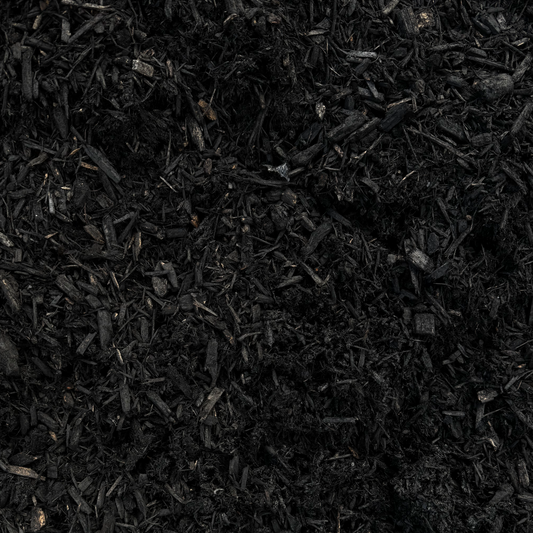
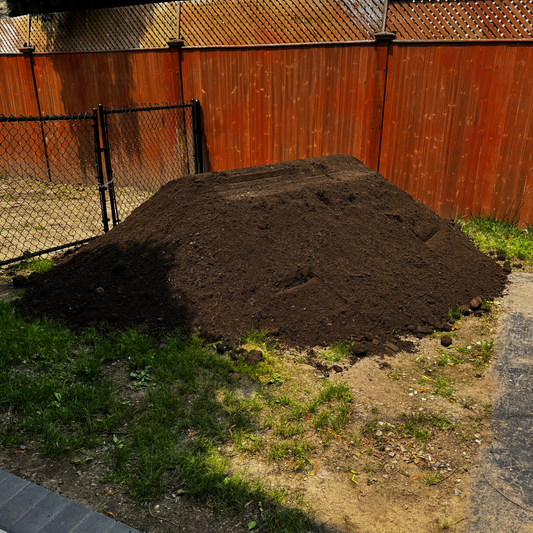
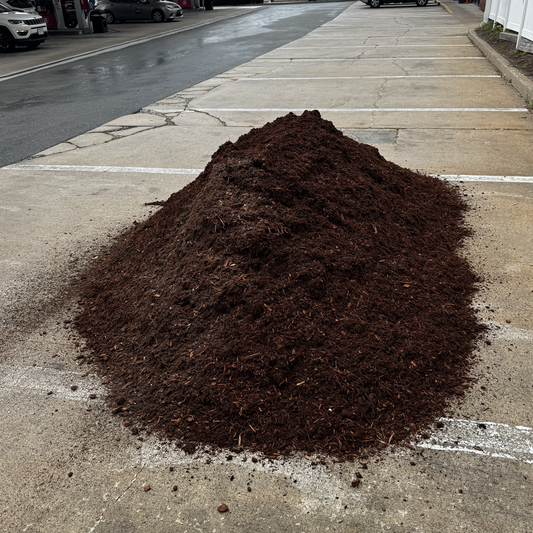
- Hardwood mulch for shaded planted beds. The mulch collection covers the species options.
- Cedar mulch for sun-exposed beds where the natural insect deterrent helps.
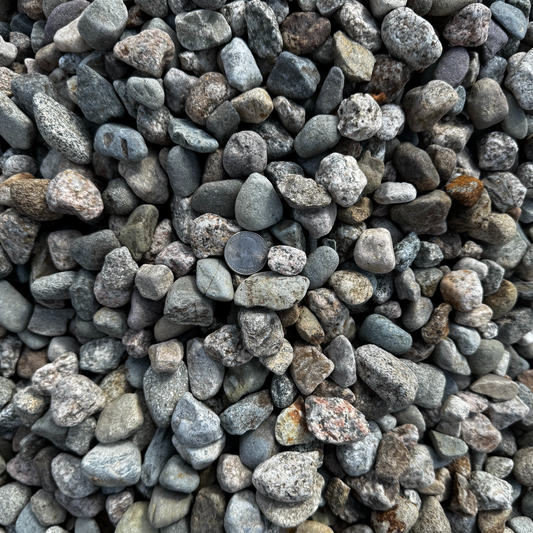
- River rock (1–2 inch rounded) for downspout splash zones and decorative edges.
- Flagstone or large pavers for the lounging pad.
For the full ranked materials lineup, 5 Pet-Safe Mulch and Stone Picks for a Watertown Backyard covers every option including price and where each one wins.
Materials to Avoid
- Cocoa mulch. Toxic. Theobromine poisoning is real. Never.
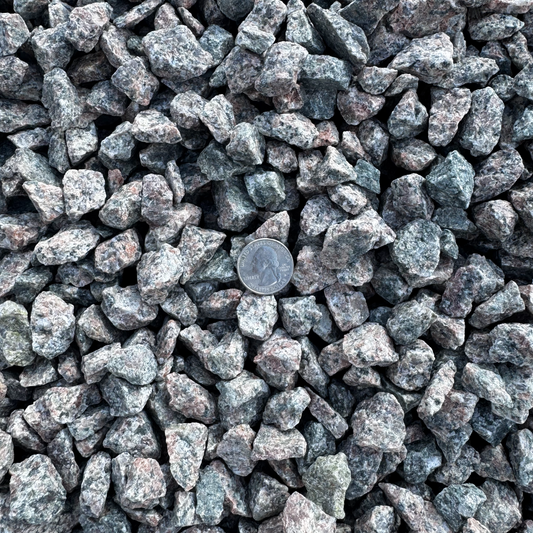
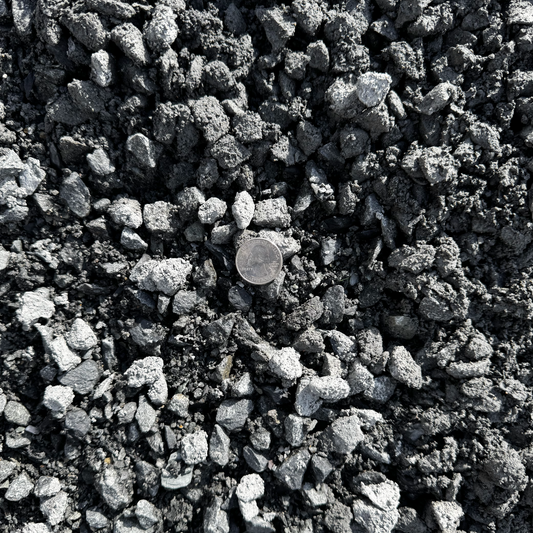
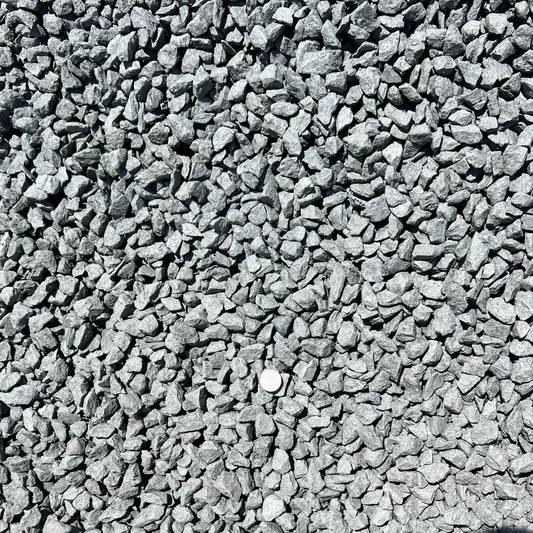
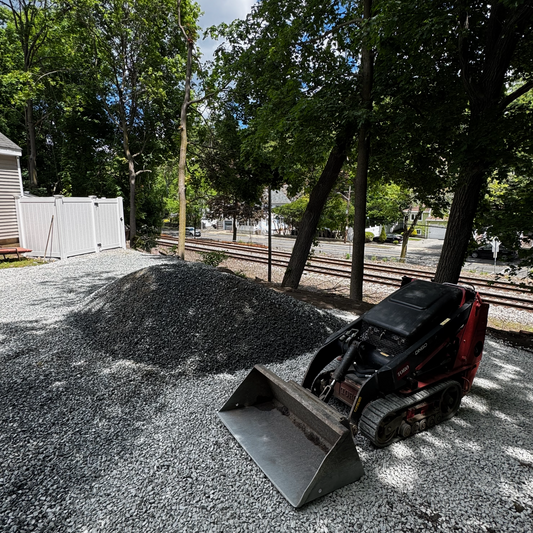
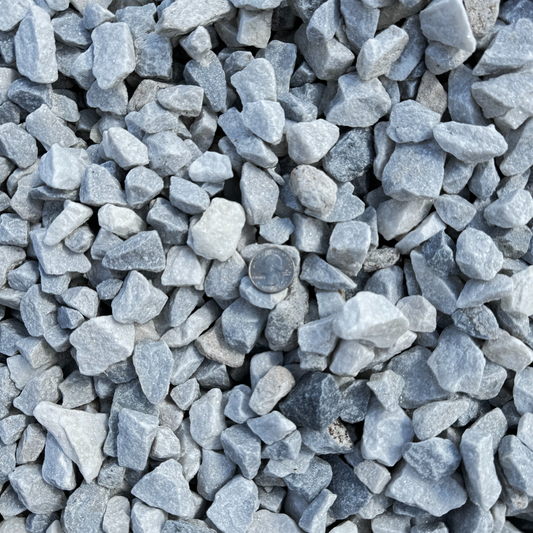
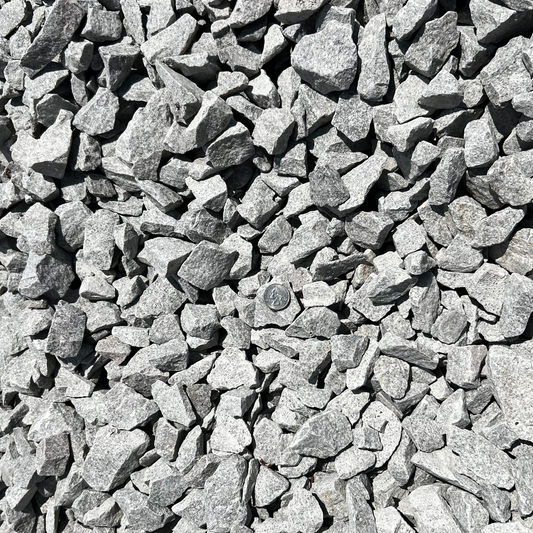
- Sharp angular crushed stone (¾" Dense Pack, processed gravel). Cuts paws over time. Fine under a driveway base; never in a paw-traffic zone.
- Lava rock. Abrasive surface, often retains heat in summer.
- Rubber mulch. Heat retention runs hot; off-gassing concerns from recycled-tire stock.
- Pine bark large nuggets (2-inch grade). Chew hazard for puppies and small dogs. Use mini-nuggets (½–1 inch) instead.
- Treated lumber chips or mulch from unknown feedstock. Buy mulch only from suppliers that confirm clean-wood sourcing.
The ASPCA Animal Poison Control Center maintains the canonical list of yard-material hazards.
Plant Choices Matter Too
Materials are half the dog yard. The other half is plants. Skip these in dog-accessible areas:
- Sago palm (highly toxic, often fatal)
- Lily of the valley (cardiac toxin)
- Oleander (highly toxic — uncommon in MA outdoors but a houseplant risk)
- Yew (common foundation shrub; toxic if chewed)
- Hydrangea (mildly toxic, large quantities)
- Lily (toxic to cats; less to dogs but still risky)
Safer ornamental choices for Medford dog yards: hostas, daylilies, ornamental grasses, boxwood, dwarf spruce, coneflower, black-eyed Susan. The UMass Extension Landscape program lists pet-safe plants by region.
Layout for a Typical 25×40 Medford Yard
Here's a worked layout for a typical fenced Medford backyard:
- Patrol run along all four fence lines: 24" wide × ~120 ft total. About 1.5 cubic yards of pea stone.
- Bathroom spot in the back-right corner (away from the door): 4×6 ft. About 0.25 cubic yards of pea stone.
- Lounging pad next to the back door: 6×6 flagstone pad. About 36 sq ft of pavers.
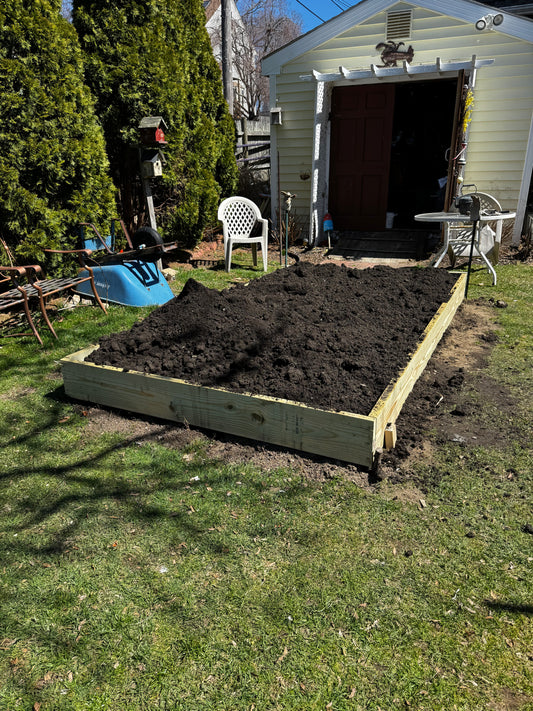
- Planted beds along the house foundation and one side fence: 2×30 + 2×25 = 110 sq ft. About 0.7 cubic yards of cedar or hardwood mulch at 2 inches deep.
- Center lawn: ~600 sq ft of turf. Overseed in spring; re-evaluate every 2 years.
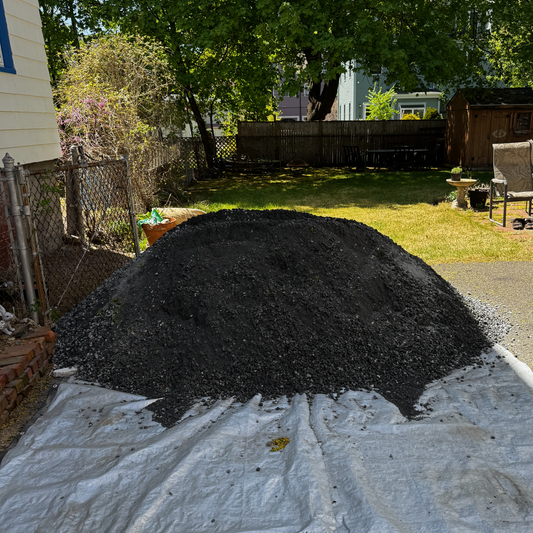
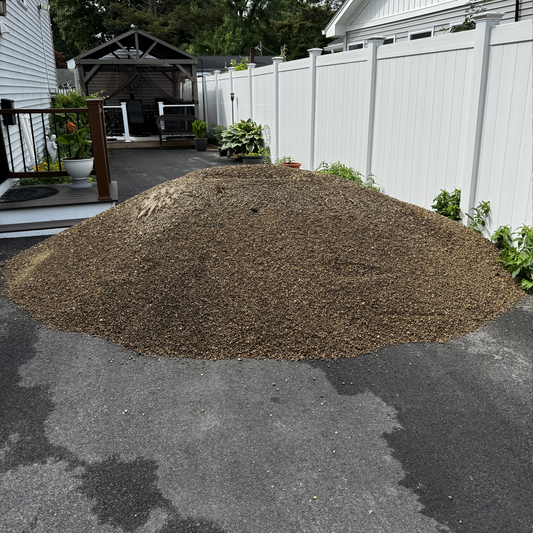
Total bulk material order: ~2 yards pea stone + 1 yard mulch. Single delivery handles it. See the decorative stone and mulch collections for current pricing.
Maintenance Realities
Pea stone needs occasional top-up — about ¼ yard every 2 years to replace what gets tracked, kicked, or scattered. Mulch refreshes annually (½ yard top-dress). Lawn overseeds in early September. Lounging-pad pavers last 10+ years if installed on a proper base — see How to Set a Patio Base That Won't Heave: A Newton Hardscape Step-by-Step.
The short version: dog yards work when the materials and the layout work together. Pea stone in the high-traffic, mulch in the planted, pavers in the lounging, lawn in the middle — and never any cocoa mulch. Medford lots are small enough that getting the zones right matters more than picking exotic materials.