Quick Answer
For a Watertown backyard with dogs in regular use, the five materials that work — comfort, safety, durability — rank as: smooth pea stone, cedar mulch, hardwood mulch, river rock, and pine bark mini-nuggets. The materials to skip: cocoa mulch (toxic), sharp angular crushed stone (paw cuts), and rubber mulch (chemical concerns and heat). Below: where each pet-safe pick wins, where it doesn't, and how to mix them across a typical Watertown yard.
Why Watertown Backyards Are a Specific Case
Watertown's neighborhoods — East Watertown, Coolidge Square, Bemis — run heavy on tight Cape and bungalow lots with fenced backyards 30 by 40 feet typical. Dogs use the whole yard. Cats prowl the perimeter. The materials decision isn't "pick one" — it's "stack the right material in each zone" so the high-traffic strips work, the planted beds are paw-safe, and nothing on the ground sends a dog to the vet.
For the deeper toxicity question on cocoa mulch specifically, Is Cocoa Mulch Toxic to Dogs? covers the chocolate-derivative chemistry. This piece is the materials-shopping list.
#1 — Smooth Pea Stone (Best for: high-traffic dog runs, drainage)
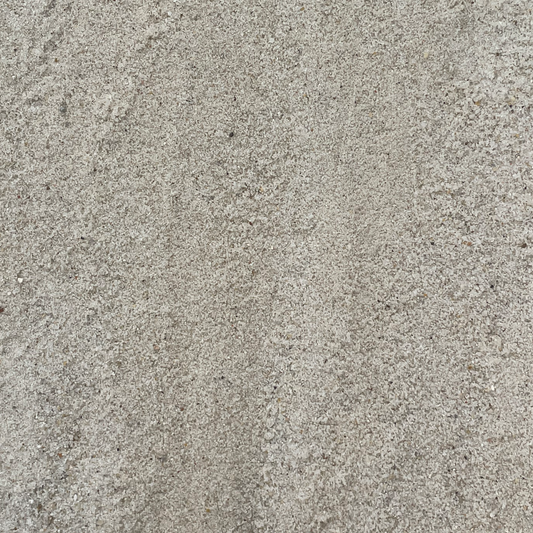
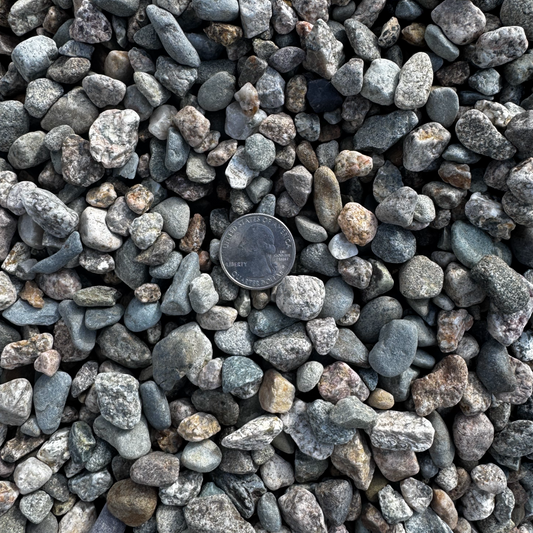
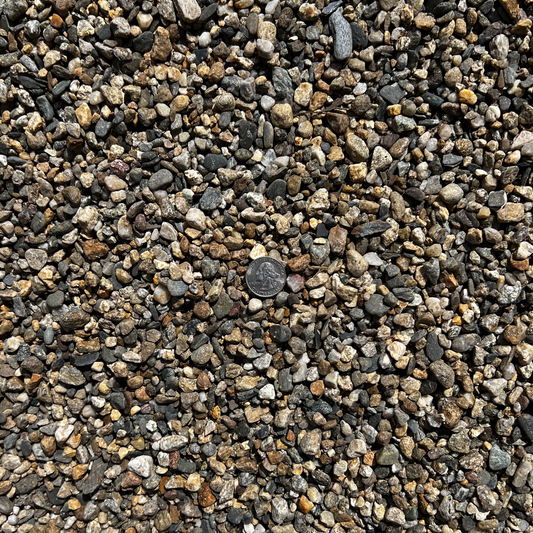
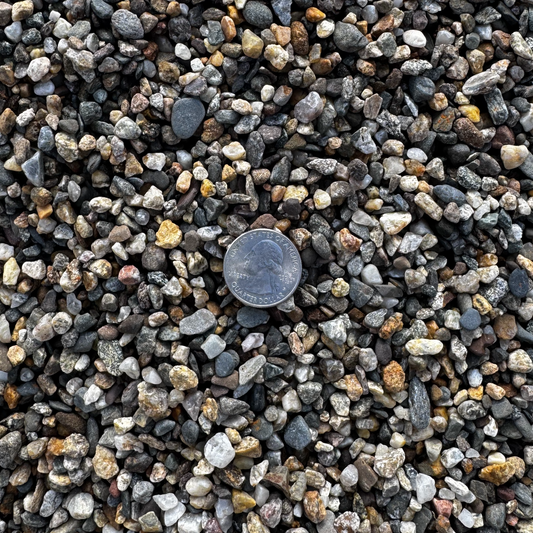
The runaway winner for a fenced Watertown dog yard. Smooth pea stone (¼ to ⅜ inch, rounded) is paw-comfortable, drains instantly, doesn't hold dog odor, and is easy to scoop solid waste from. Lay it 3 inches deep over a compacted base or a permeable fabric.
Wins when: A dedicated dog run along the fence line, the worn strip where the dog patrols, the area around the back-door bowl. Also in shaded spots where grass won't grow.
Stops winning at: Open digging dogs will scatter pea stone. Re-edging or a stone border solves it. Also: wet pea stone tracks indoors on paws — a doormat or rinse station fixes the issue.
Cost: Inexpensive by the cubic yard. Available in Ottr's decorative stone collection.
#2 — Cedar Mulch (Best for: planted beds with pet access)
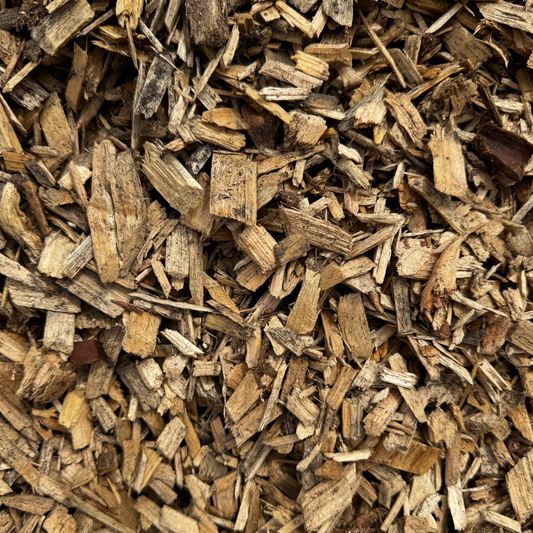
Cedar mulch is naturally aromatic — the cedar oils have mild insect-repellent properties — and it's dog-safe at all reasonable exposures. The texture is fluffy and easy on paws even when dogs lie in beds. The light tan color works against Watertown's typical clapboard and brick mix.
Wins when: Foundation beds where dogs walk or rest, ornamental beds in fenced backyards, raised-bed perimeter mulching. Also when you want a mulch with some natural insect-deterrent benefit.
Stops winning at: Cedar fades faster than dyed hardwood — by mid-summer it's silver-gray. Plan a top-dress in August, or accept the rustic aesthetic.
Cost: Mid-tier per cubic yard. See Ottr Cedar Mulch in a Cambridge Front Bed for the long-form walkthrough.
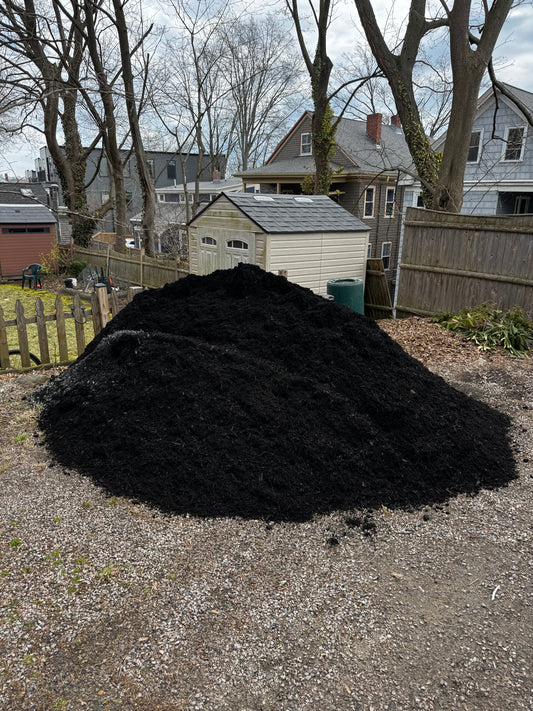
#3 — Hardwood Mulch (Best for: most planted beds)
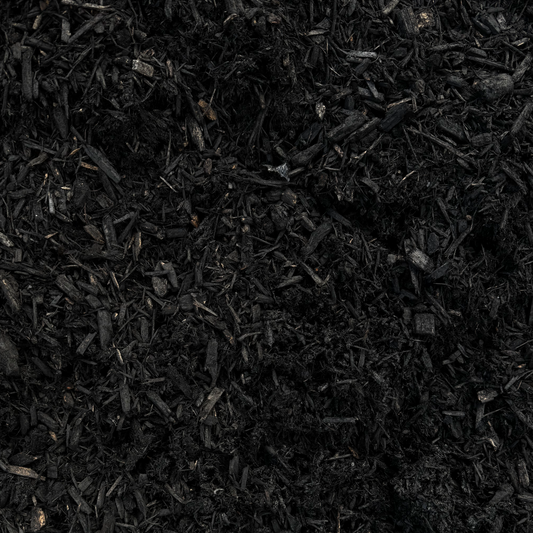
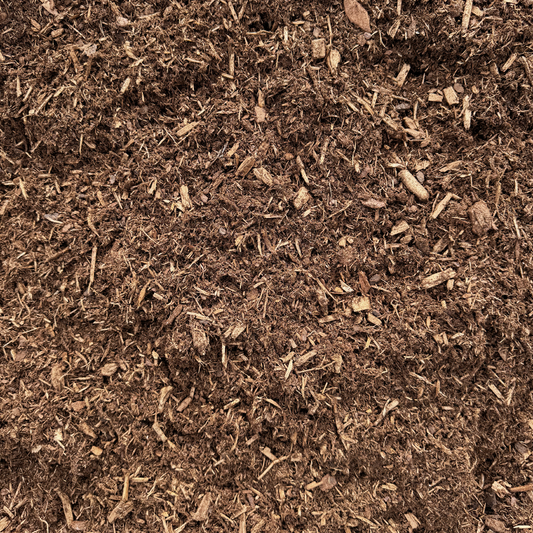
The default mulch and pet-safe at all exposures. Hardwood mulch comes from clean wood feedstock (no treated lumber) and the chemistry is inert. Dogs can lie on it, walk through it, even chew small amounts without harm — though chewing isn't recommended for any mulch.
Wins when: Standard planted beds, foundation plantings, anywhere not under direct dog traffic. The color choice depends on the architecture — see Black, Brown, or Natural? Picking a Mulch Color That Matches Cambridge Brick (Watertown's similar mix of brick and clapboard makes the same logic apply).
Stops winning at: Heavy dog traffic. Hardwood mulch breaks down where dogs run repeatedly — switch those zones to pea stone.
Cost: Mid-tier per cubic yard. The mulch collection has the full lineup.
#4 — River Rock (Best for: drainage zones, decorative borders)
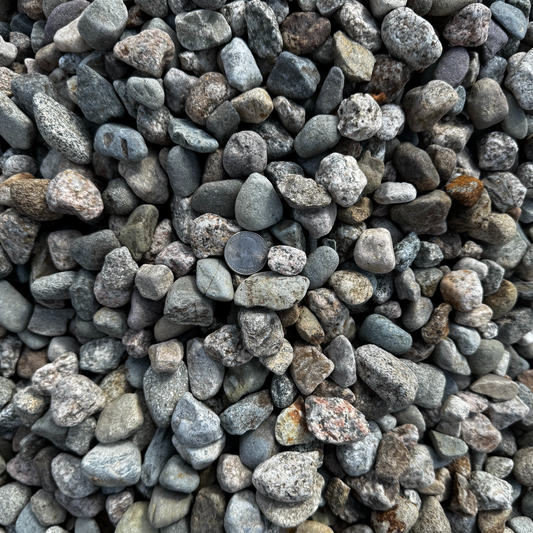
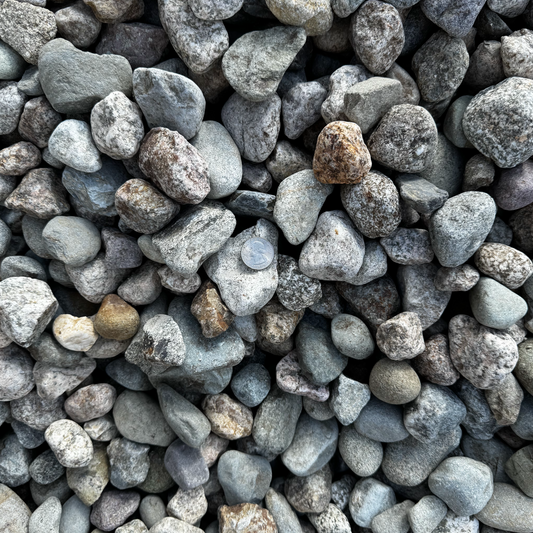
Rounded river rock (1–2 inches) is paw-safe, durable, and visually distinctive. Use it for downspout splash zones, the strip under a window where dogs pass through, or as a decorative border between a planted bed and a turf area.
Wins when: A drainage feature (dry creek bed, downspout terminus) where you want stone that handles water flow. Also as a perimeter contrast against pea stone or mulch.
Stops winning at: Hard underfoot for sustained dog rest. Dogs prefer pea stone or mulch for lying. River rock is a transit/decorative material, not a lounging surface.
Cost: Premium tier vs. crushed stone. See the decorative stone collection.
#5 — Pine Bark Mini-Nuggets (Best for: planted beds, slope retention)
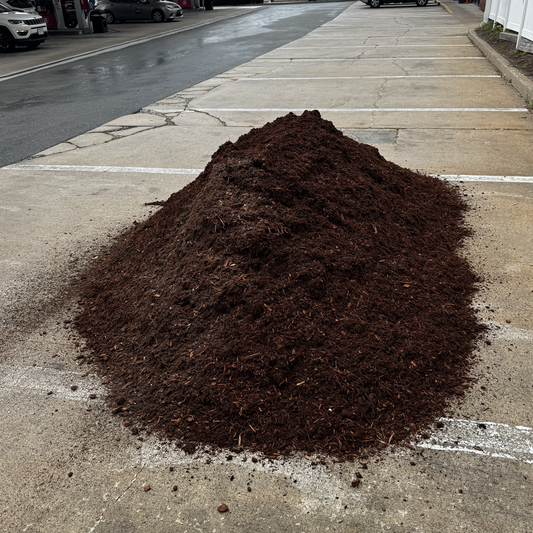
Pine bark in the small-nugget size (½ to 1 inch) is dog-safe, naturally weather-resistant, and locks together on slopes better than shredded mulch. The small chunk size is paw-comfortable. The reddish-brown color suits most architecture.
Wins when: Sloped beds in a fenced backyard, beds along the property-line fence where wash-out has been a problem, perennial beds with established plants.
Stops winning at: Some dogs chew chunks. Larger pine bark nuggets (2-inch) are a chew hazard for puppies — stick to the mini size for households with young dogs. See the hemlock vs pine bark comparison for the species head-to-head.
Cost: Mid-tier per cubic yard.
Materials to Skip in a Pet Yard
- Cocoa mulch — toxic to dogs (theobromine). Full breakdown in Is Cocoa Mulch Toxic to Dogs?.
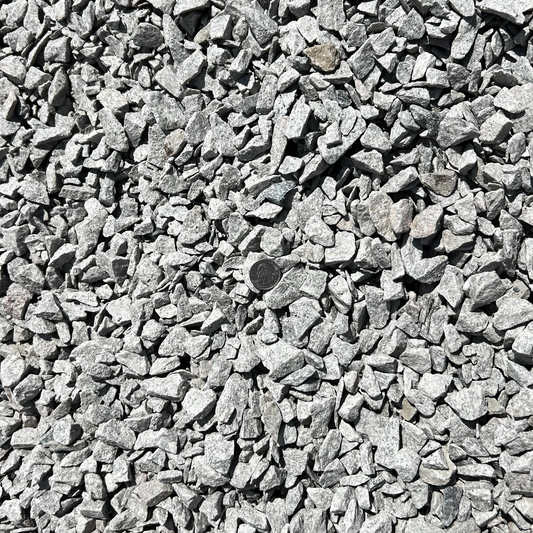
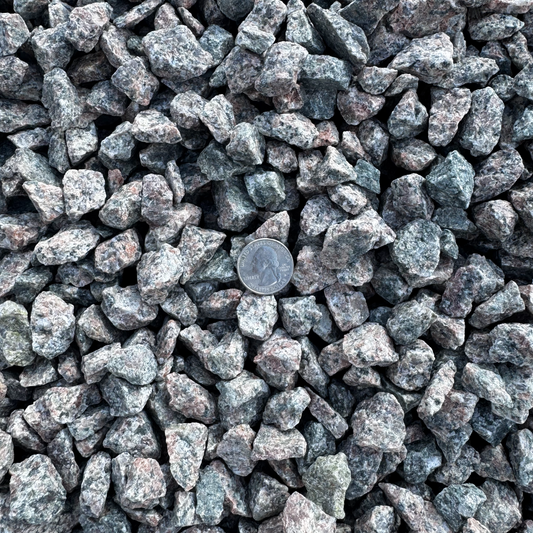
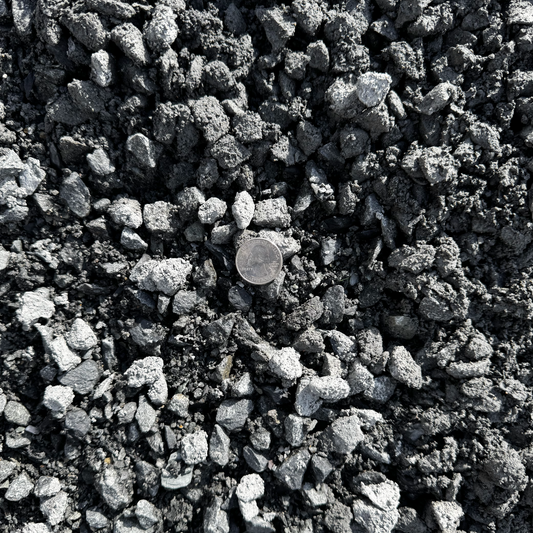
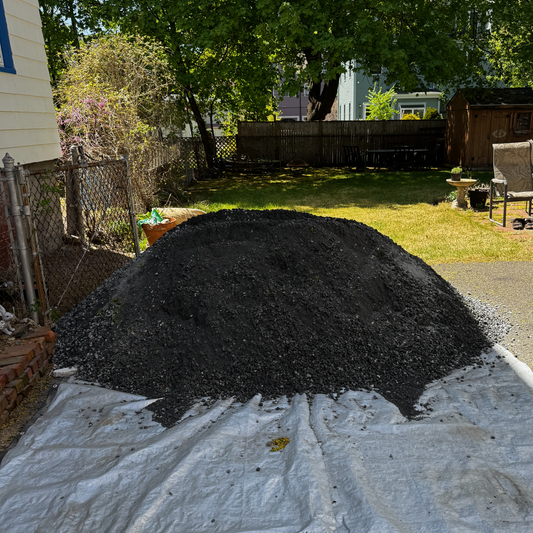
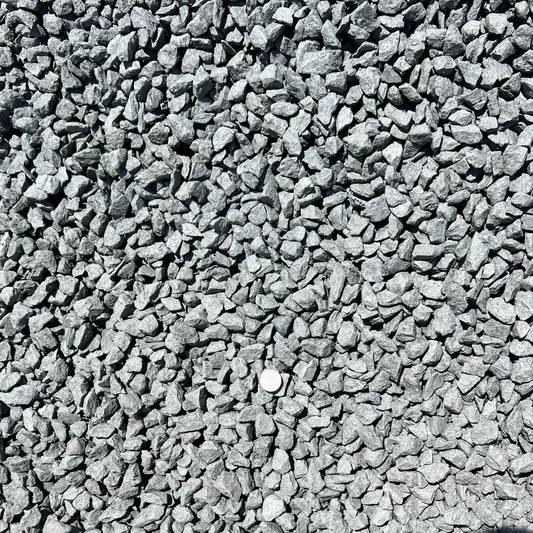
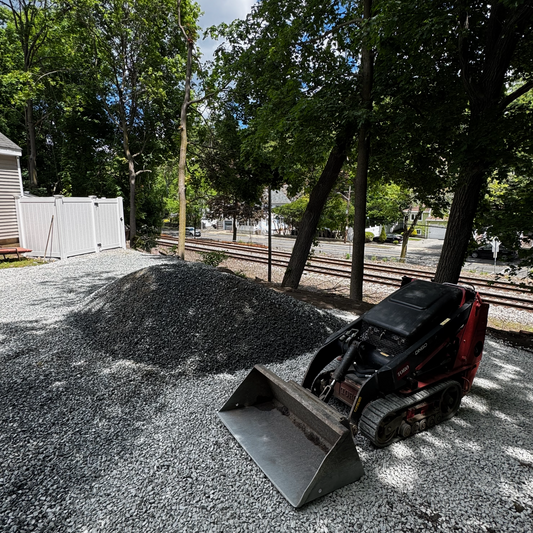
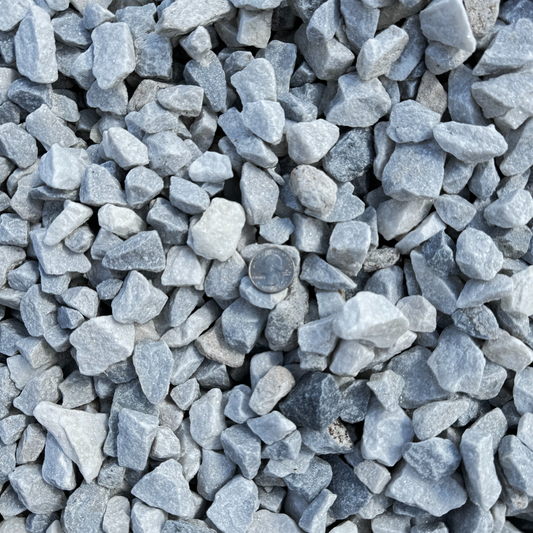
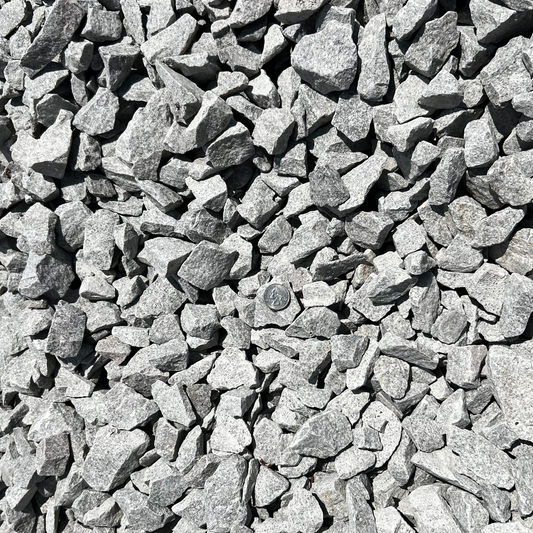
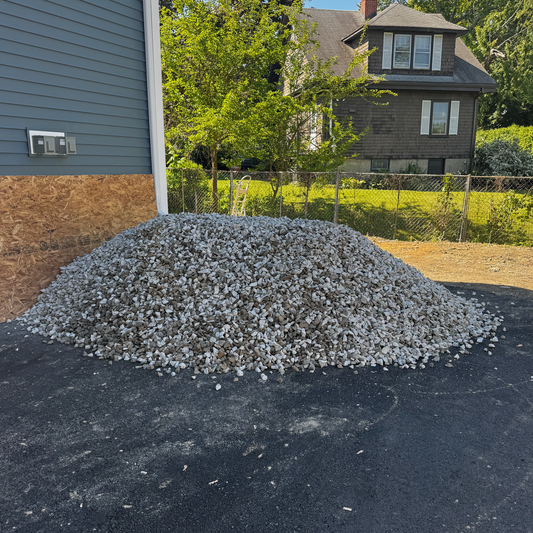
- Sharp angular crushed stone (¾" Dense Pack, processed gravel) — paw cuts. Fine under a driveway base; never in a paw-traffic zone.
- Rubber mulch — heat retention runs hot in summer; off-gassing concerns from recycled-tire stock. Skip.
- Lava rock — abrasive surface; cuts paws on rough specimens.
The ASPCA Animal Poison Control Center maintains the authoritative list of yard materials and plants toxic to pets — worth bookmarking.
How to Stack These Across a Watertown Backyard
A typical 30×40 fenced Watertown yard:
- Dog run along the fence line: smooth pea stone, 3 inches deep.
- Planted beds along the foundation: cedar mulch (front-facing) or hardwood mulch (back).
- Drainage zone under the rear downspout: river rock dry creek.
- Perennial bed against the property-line fence: pine bark mini-nuggets.
- Tree ring around the back-corner maple: hardwood mulch, 2 inches deep, donut-shape (not volcano).
For the broader dog-friendly yard layout (not just materials), see Building a Dog-Friendly Yard in Medford: Materials That Won't Hurt Paws or Pets.
For broader landscape-material guidance for MA pet households, UMass Extension Landscape is the regional authority on plant and material choices.