Quick Answer
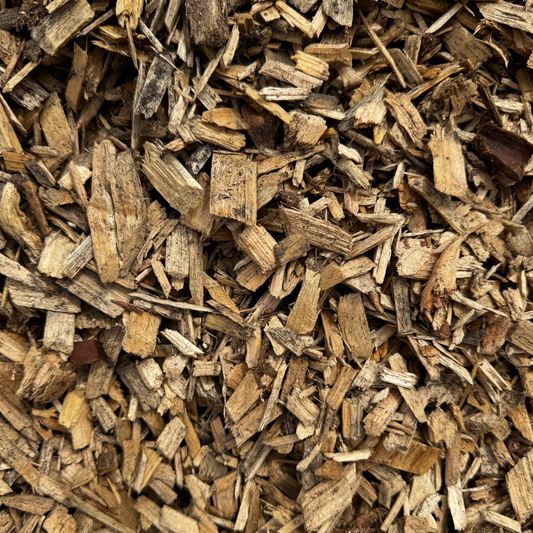
We tested Ottr cedar mulch across one full season in a typical Cambridge front bed near Harvard Square. It wins decisively on perennial beds, foundation plantings, and any bed visible from the sidewalk — the warm reddish-brown holds color longer than hardwood, and the cedar oils suppress some pest pressure. Hardwood still wins on tree rings, vegetable bed paths, and any large-volume mulching job where cost matters more than appearance. Below: full season notes, where each product comes out ahead, and the price gap.
The Test Setup
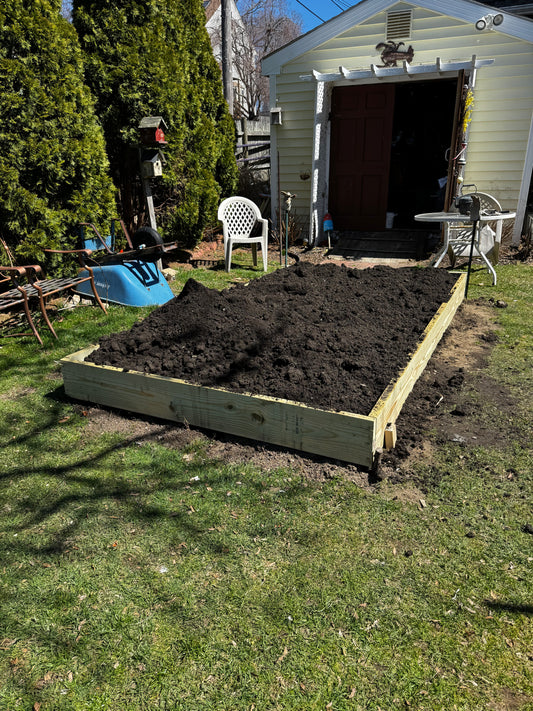
A 90 sq ft front bed on a residential block off Mass Ave in mid-Cambridge. Mixed planting: three boxwoods (replaced with inkberry mid-test — see Why Are My Lexington Boxwoods Browning?), six hosta, three astilbe, two heuchera, perennial geranium fill. East-facing exposure, partial shade, brick stoop.
Half the bed mulched with Ottr cedar (2 inches) in early April. Other half with double-ground hardwood (2 inches) for direct comparison. Both refreshed only as the depth dropped below 1 inch.
What Cedar Mulch Did Well
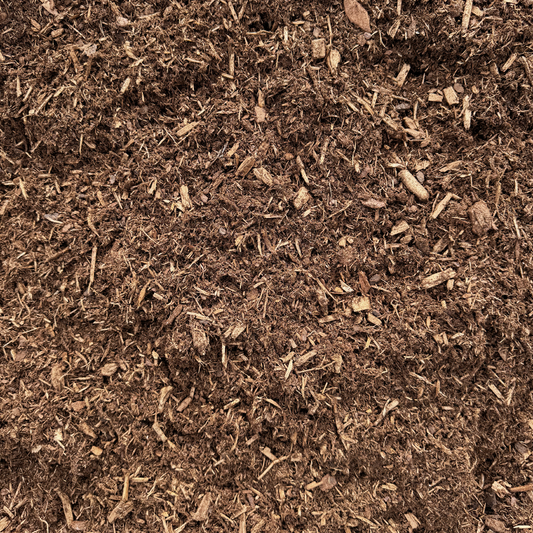
Color held through October. The reddish-brown faded to a softer warm-tan by August but never went the dishwater-gray that the hardwood side hit by mid-July. Cedar's natural oils slow color breakdown.
Aromatic for the first 6–8 weeks. Strong cedar smell when you weeded or watered. Pleasant against the brick stoop. Faded to neutral by late June.
Slowed weed pressure noticeably. Cedar oil isn't a herbicide, but it suppresses some annual weed germination at the surface. The cedar half had visibly fewer crabgrass and chickweed seedlings through July.
Looked clean against red brick. Cambridge's brick architecture pairs better with cedar's warm reddish tone than with hardwood's flat brown. For mulch-color decisions specifically against brick, Black, Brown, or Natural? Picking a Mulch Color That Matches Cambridge Brick has the visual breakdown.
Where Cedar Underperformed
Decomposition rate. Cedar's resistance to breakdown is a feature for mulch longevity but a problem when you want the mulch contributing to soil organic matter. By season end, the cedar half had little visible incorporation. The hardwood half had darkened the topsoil noticeably.
Cost. Cedar runs 25–40% more per cubic yard than double-ground hardwood. On small beds (under 200 sq ft) the dollar difference is trivial; on a full-yard mulching project the math matters.
Acidity / soil chemistry. Cedar mulch breaks down slowly enough that it doesn't significantly acidify soil over a season — but it doesn't add the moderate organic matter that hardwood does. For soil-building, hardwood is better. The US Composting Council breaks down the chemistry differences.
Where Hardwood Wins Outright
Tree rings. Big trees need 4-foot mulch rings; that's 2+ cubic feet per tree (see How to Mulch Around a Newly Planted Winchester Tree). On three trees, cost matters. Hardwood at 65% the cedar price is the right call here.
Vegetable bed paths. You want fast decomposition that's easy to till in next spring. Hardwood breaks down faster. Cedar oils may also affect some vegetable seedlings (the research is mixed but the effect is occasionally documented).
Large bulk jobs over 5 yards. Cost compounds. A contractor doing a four-bed Cambridge yard refresh saves $80–$150 by using hardwood throughout.
Where Cedar Wins Outright
Foundation beds visible from the sidewalk. Color holds through the season your house is on the market or visible to guests.
Perennial beds. Cedar's slower decomposition means less mulch refresh, and perennials don't need the rapid soil-organic-matter contribution that vegetables and trees do.
Pet-walked entryways. The aromatic oils discourage some pets from disturbing the bed (cedar shavings have used this property for decades).
For a related cedar/hardwood decision in a Plymouth County context, Hemlock vs Pine Bark Mulch: A Plymouth County Side-by-Side covers the parallel comparison for the south-shore mulch options.
How to Pick for Your Cambridge Yard
Three questions:
- Is the bed visible from the sidewalk or street? If yes, cedar earns its premium.
- Is this a perennial / foundation bed (cedar) or a tree ring / vegetable area (hardwood)?
- What's the total volume? Under 3 yards, cedar everywhere is fine. Over 5 yards, mix — cedar for visible beds, hardwood for tree rings and back beds.
For the bagged-vs-bulk decision that comes up on smaller Cambridge yards, Bagged vs Bulk Mulch for Cambridge Homeowners: When Each Makes Sense walks the cost math.
The Bottom Line
Ottr cedar mulch is the right pick for the front-of-house beds where it shows. We'd skip it for trees, vegetable paths, and any large-volume back-of-house mulching where cost wins. Most Cambridge yards end up with both — about a third of the order in cedar for visible beds, two-thirds in hardwood for the rest.
Browse current per-cubic-yard pricing for both in the Mulch collection. For Cambridge delivery on small loads (1–3 yards is typical for front-bed refreshes), the Cambridge Landscape Supply page handles same-week scheduling.
For broader mulch chemistry and standards, UMass Extension's landscape program and the US Composting Council cover the technical side.