Quick Answer
Lexington boxwoods brown for one of three reasons: winter burn (most common — bronze foliage, green stems, leaves hang on), boxwood blight (a serious fungal disease — dark stem cankers, rapid leaf drop from inside out), or boxwood leafminer (yellow-tan blotches on leaves, mostly cosmetic). Telling them apart takes about 90 seconds with the plant in front of you. Below: how to diagnose, how to treat each, and whether your boxwood is salvageable. Most winter-burn cases recover. Blight cases need to come out — and the inkberry holly replacement is honestly an upgrade.
Why Boxwoods Are Struggling Across Lexington
Lexington's older neighborhoods (around the Battle Green, Hancock Village, the Pierce Road area) have boxwood plantings going back 30–60 years. The problem isn't that homeowners are doing something wrong now — the issue is that boxwood blight arrived in MA in 2011 and has been spreading through landscape stock ever since. Combined with the increasingly cold-dry-windy late winters and irrigation patterns we're seeing, every spring brings more browning calls than the year before.
This Q&A walks through what Lexington homeowners ask most often when they see brown showing up in March and April, with diagnostic steps and recovery options for each cause.
Q: What does winter burn actually look like on a Lexington boxwood?
A: Bronze-orange foliage on the wind-facing side (usually north or west). Leaves still hang on. Stems are green when you scratch the bark with a fingernail. Damage stops at a clean line — not random pockets within the shrub. Caused by cold, dry, windy late-winter days when the leaves transpire moisture the frozen roots can't replace.
Q: How do I tell winter burn from boxwood blight?
A: Three checks:
- Stem cankers. Strip back leaves at a brown branch. Blight shows dark, sunken cankers running along the stem. Winter burn shows clean green stems.
- Leaf drop pattern. Blight causes rapid leaf drop from the interior outward — leaves litter the ground inside the shrub. Winter burn keeps leaves attached.
- Distribution. Blight starts as random pockets in the shrub, often lower and interior. Winter burn is on the wind-exposed side, top to bottom.
When in doubt, bag a sample and send it to the UMass Extension Plant Diagnostic Lab — they'll confirm blight in 5–7 days for about $20. Worth it before any treatment decision.
Q: My boxwood has yellow-tan blotches on individual leaves. Is that blight?
A: No — that's boxwood leafminer. Cosmetic. The larvae overwinter inside the leaf tissue. Most established Lexington boxwoods can tolerate moderate leafminer damage indefinitely. If it's severe or unsightly, a systemic insecticide applied in late April through early May (during adult emergence) controls it for the season. Light infestations don't require treatment.
Q: Can my boxwood recover from winter burn?
A: Most do. Wait until mid-May when normal spring growth has started. Prune out fully dead foliage back to live wood. Deep-water (5 gallons per shrub, weekly) through summer. Most plants regrow strong by August.
The mistake is pruning too early. Brown wood in March often pushes new buds in May. Wait it out.
Q: What about boxwood blight — can I save the plant?
A: Almost never, and you shouldn't try. Blight is a regulatory-level pathogen in MA. Once confirmed:
- Bag the entire plant. Cut at the base, double-bag in heavy plastic, dispose with municipal waste — not yard waste compost, not curbside.
- Sanitize tools. 10% bleach soak after every cut, before any use on other shrubs.
- Remove and dispose of mulch and the top 2 inches of soil under the shrub. Spores live 5+ years in fallen debris.
- Don't replant boxwood in the same spot. Spores remain.
The UMass Extension Plant Diagnostic Lab and Arnold Arboretum's plant clinic both confirm this protocol.
Q: What should I plant in place of a removed boxwood?
A: Inkberry holly (Ilex glabra 'Shamrock' or 'Compacta'). The closest evergreen substitute — same dark-green dense form, takes shearing, MA native, no blight susceptibility. Plant 30 inches apart for a hedge, 4 feet apart for individual shrubs.
The full pairing list, including foundation-bed contexts that come up across Lexington, is in 5 Foundation Planting Ideas for a Brookline Brownstone Front — same plant logic applies up Route 2.
Q: What soil prep does the replacement need?
A: Inkberry prefers slightly acidic, moist, well-drained soil. Lexington's clay-heavy soils need amendment:
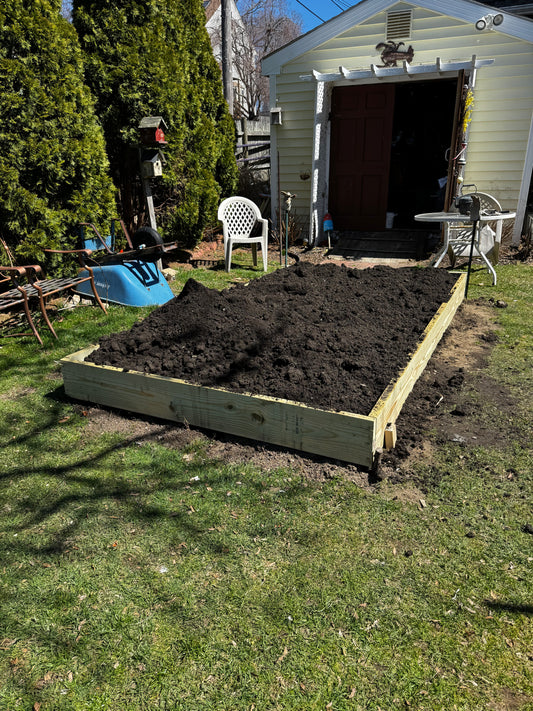
- Excavate to 18 inches. Remove debris.
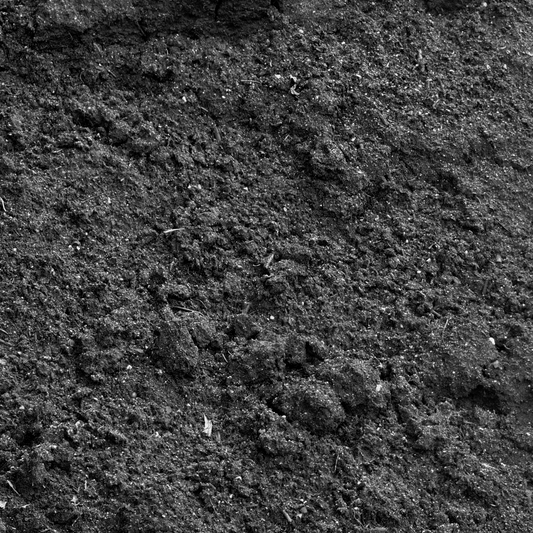
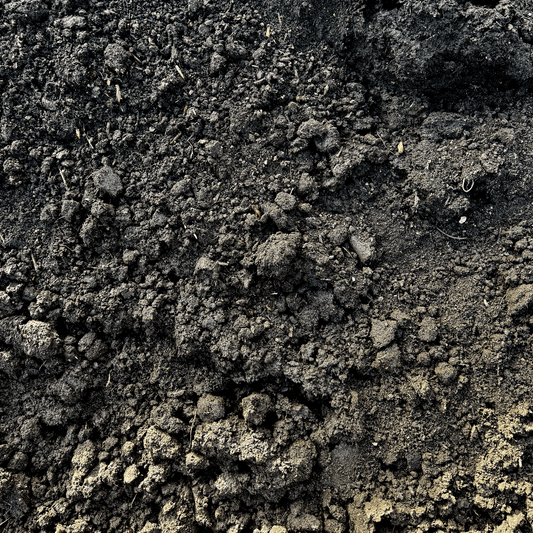
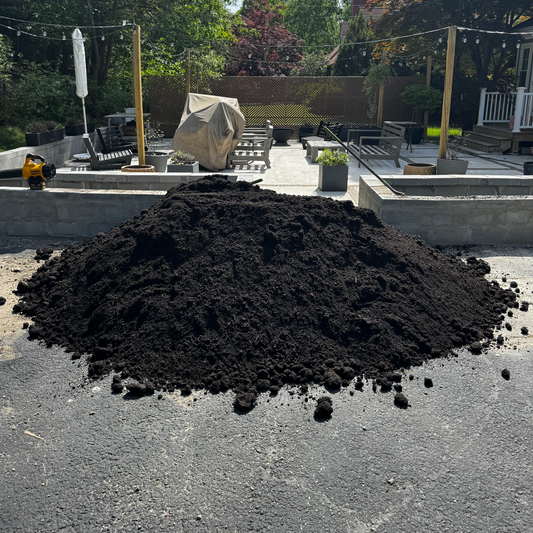
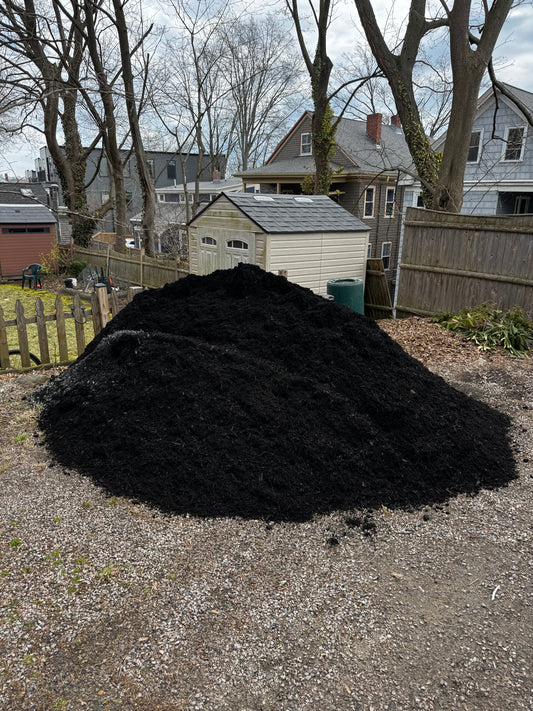
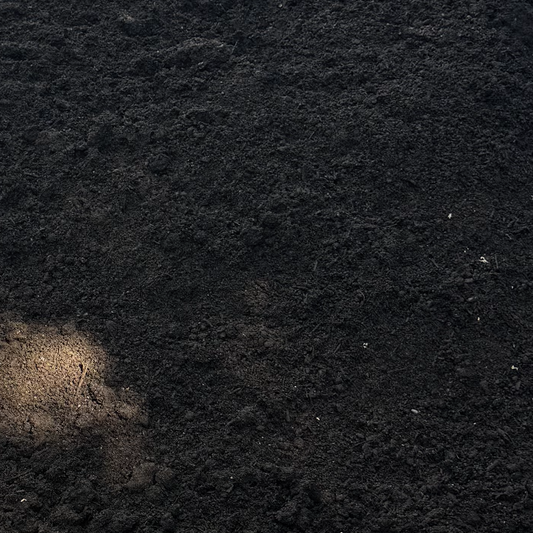
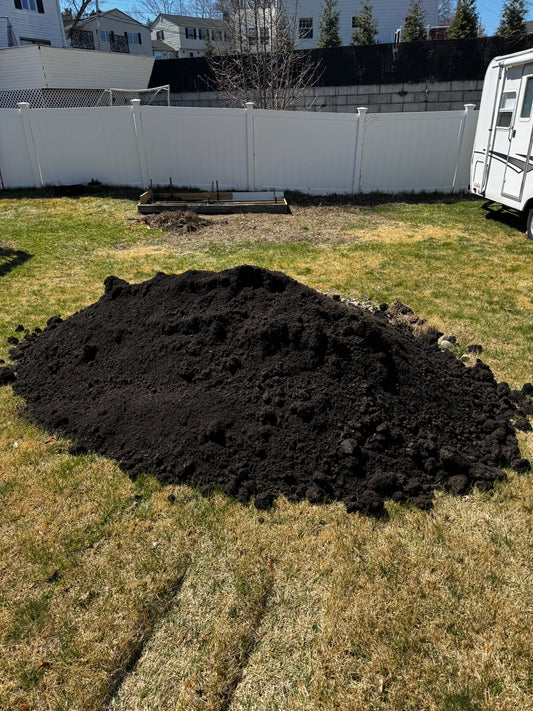
- Backfill 50/50 native soil and screened loam from the Plant Establishment & Tree Planting collection.
- Top-dress 2 inches of compost.
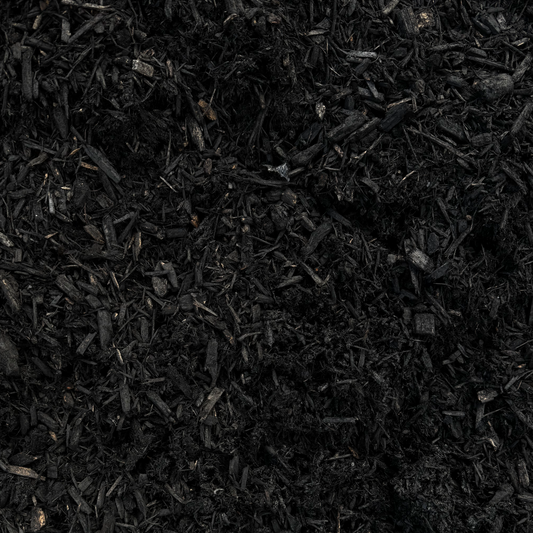
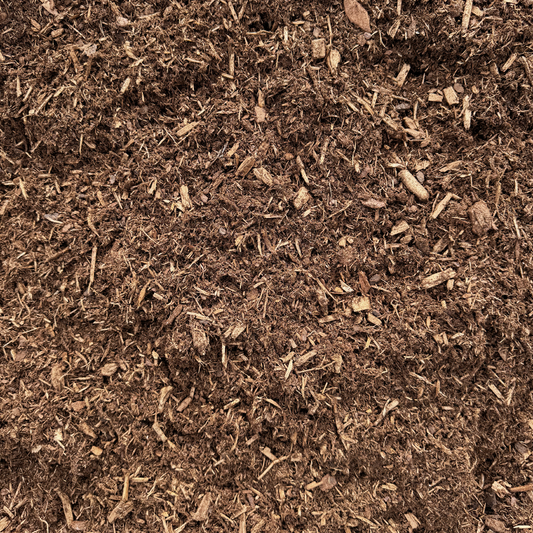
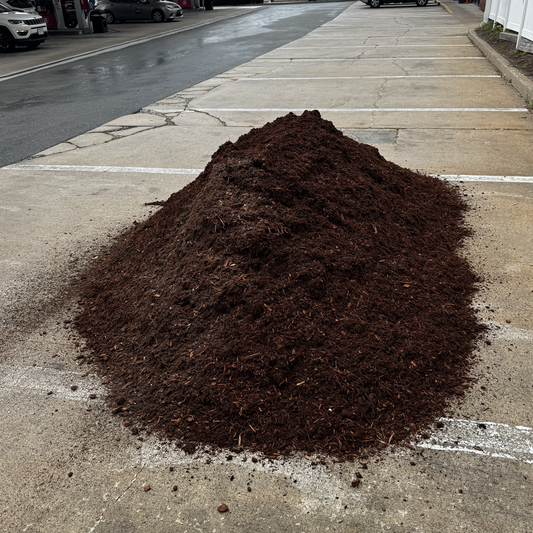
- Mulch 2 inches of acidic pine bark from the Mulch collection. Browse the hemlock vs pine bark comparison for the right pick.
For full bare-root planting technique, How to Plant Bare-Root Trees and Shrubs in a Cohasset Yard Before Bud Break covers the steps.
Q: How long does inkberry take to fill in like a boxwood hedge?
A: 3–4 years from a #3 container to a 30"-tall continuous hedge with regular shearing. Faster than most homeowners expect — by year two it's filling, year three it's reading like a hedge.
Q: Is there a fungicide schedule that prevents blight?
A: Preventive fungicides exist but they're commercial-grade products that need 4–6 applications per year, every year. Cost-prohibitive for most homeowners and not something we recommend. The cleaner long-term solution is replacement with inkberry.
Q: Where do I order the replacement plants and bed materials?
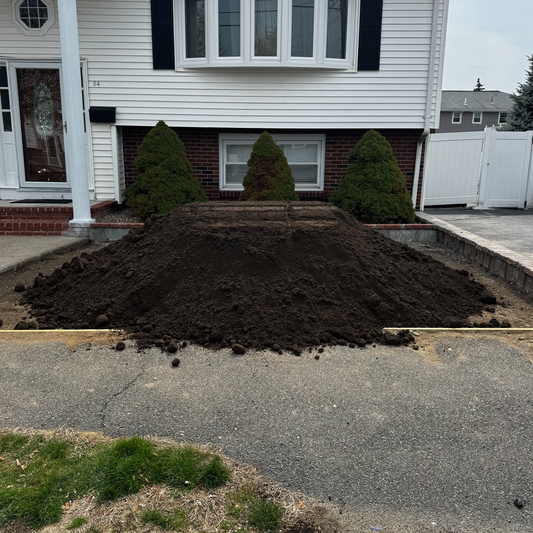
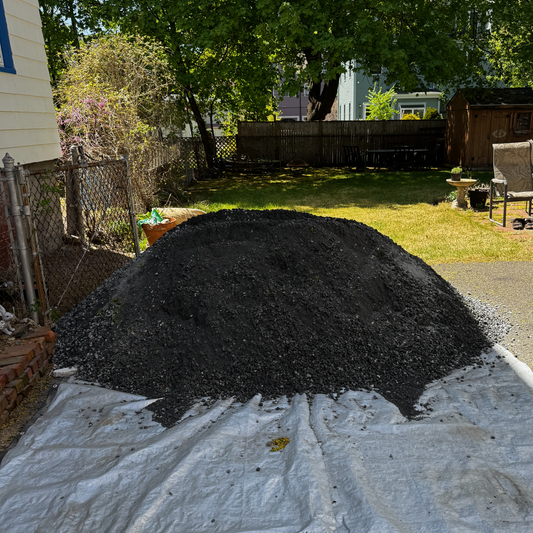
A: Inkberry holly through any MA native nursery (order April for May availability). Bulk loam, compost, and acidic mulch through the Plant Establishment & Tree Planting collection; for Lexington-area delivery, the Lexington Landscape Supply page handles scheduling.
The Recovery Timeline for a Typical Lexington Boxwood Bed
- April: Diagnose. Bag a sample if uncertain. Send to UMass.
- May: Treat winter burn (prune dead, water). Confirm blight diagnosis.
- June: Remove blight cases. Order inkberry replacements.
- September: Plant inkberry. Ideal MA shrub-planting window.
- April Year 2: Light shearing, deep watering establishes the new hedge.
- June Year 3: Hedge filling in, foundation reads as a continuous evergreen line.
The short version: most Lexington boxwood browning is recoverable winter burn. The cases that aren't are blight — get a sample tested, remove cleanly, and plant native inkberry that won't have the same problem in 10 years.
For ongoing diagnostic guidance, UMass Extension Plant Diagnostics is the authoritative MA source.