





Quick Answer
Bare-root trees and shrubs plant best in Cohasset between March 25 and April 15, before bud break wakes the plant up. Soak roots 2–6 hours, dig a hole twice the root spread but only as deep as the flare, drape roots over a soil cone, backfill with native soil plus a quarter compost, water deeply, mulch as a donut. A correctly planted bare-root sapling outperforms a $250 balled-and-burlapped equivalent within three years and costs a fraction.
Why Bare-Root in Cohasset
Cohasset's coastal soils run sandy, well-drained, and a little salt-affected near Atlantic Ave. Bare-root trees adapt faster to that exact native soil than container or B&B trees that arrive with a different soil ball. The International Society of Arboriculture backs the technique strongly for native species in well-prepped sites.
Bare-root planting works only in a narrow window — after the ground thaws but before the plant breaks dormancy. In Cohasset that's typically the last week of March through the second week of April. Miss the window and shift to container.
What to Order
Bare-root inventory is best in late March from MA-area native nurseries. Common Cohasset picks:
- Native shade trees: sugar maple, red oak, river birch, sweetgum
- Native shrubs: highbush blueberry, summersweet, winterberry, bayberry
- Edible: dwarf apple, peach, pear (adapted to USDA Zone 6b — see How to Read the USDA Hardiness Zone Map for Roslindale and West Boston Neighborhoods)
For a broader native list, 5 Native MA Plants That Thrive in Average Norfolk County Suburban Yards covers most of what works in Cohasset too.
Tools and Materials
- Round-point shovel (sharp)
- Wheelbarrow
- Bypass pruners
- 5-gallon bucket of water for root soak
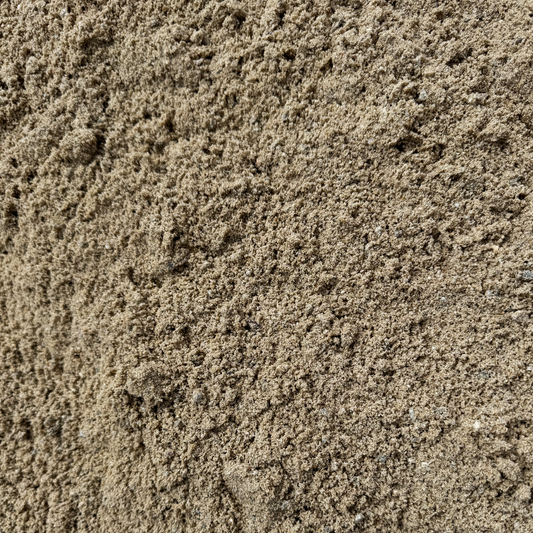
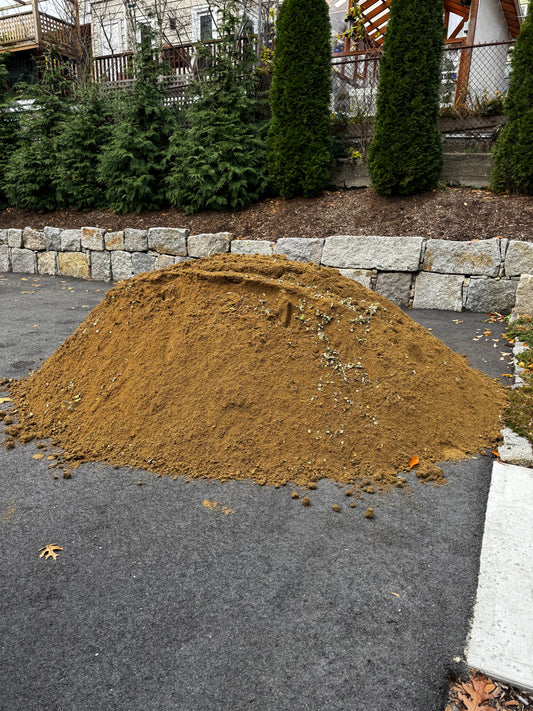
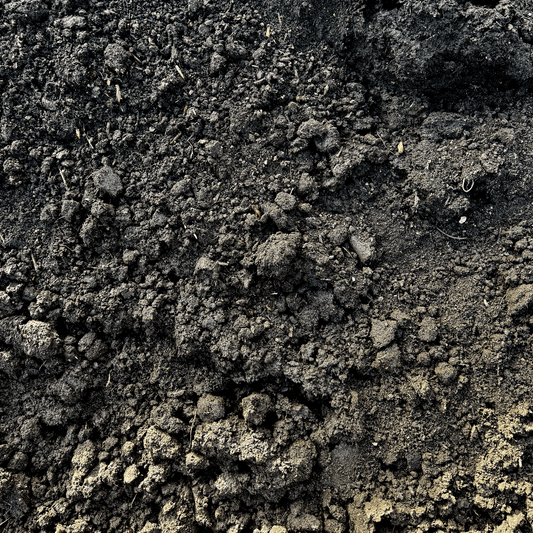
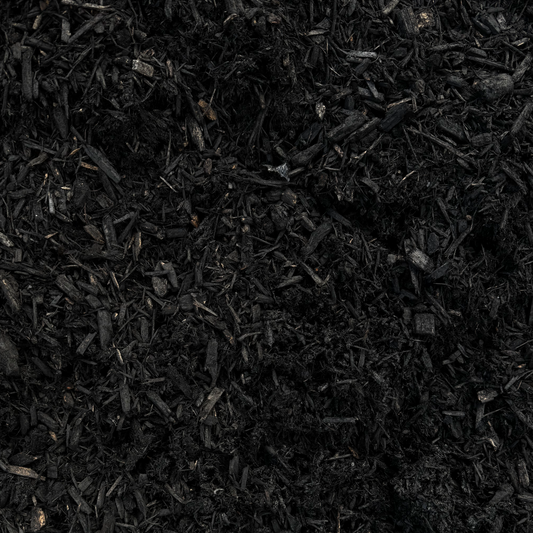
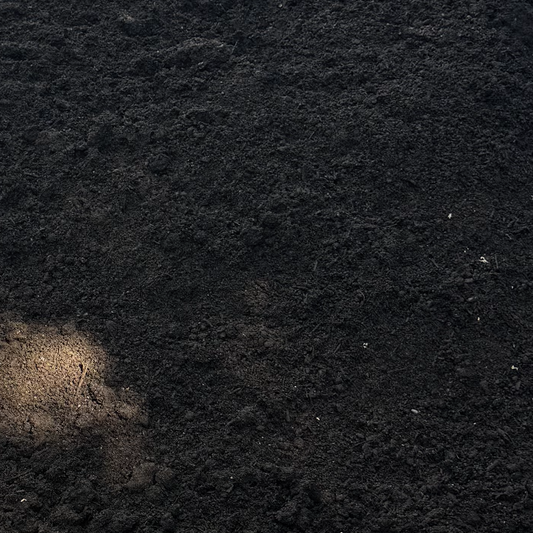
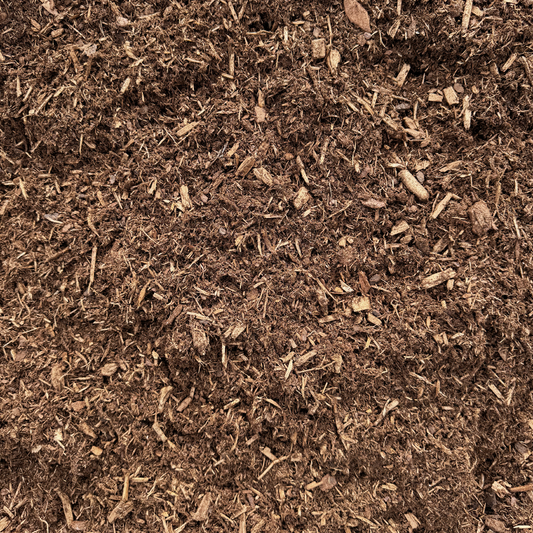
- 1–2 cubic feet of screened loam per plant
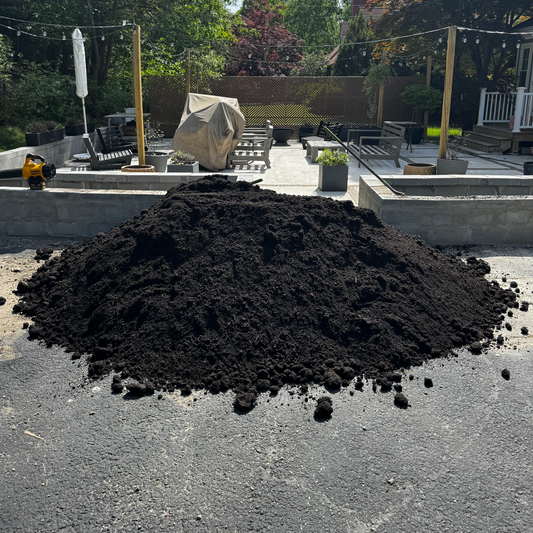
- 1 cubic foot of compost per plant
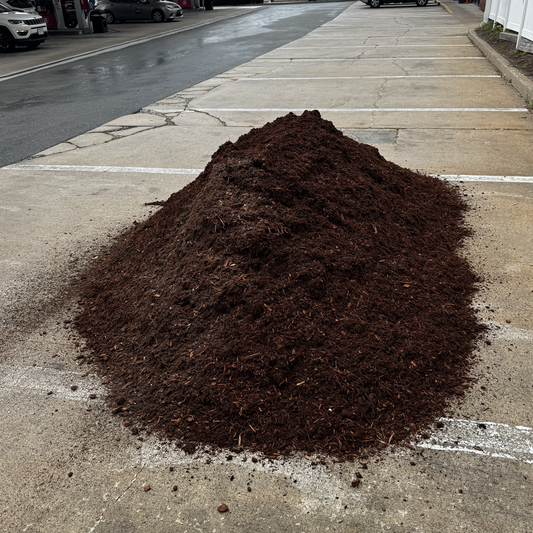
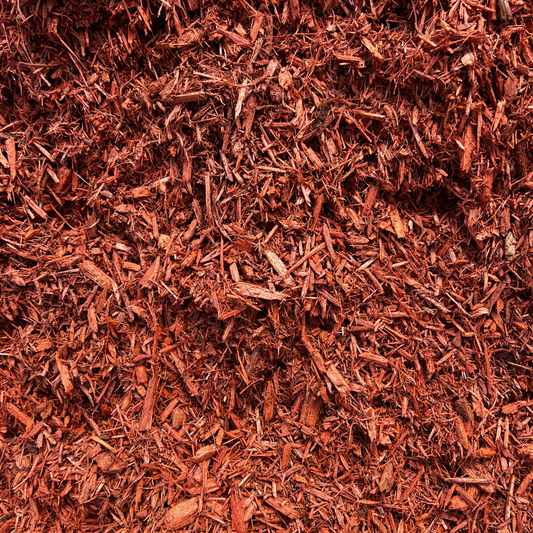
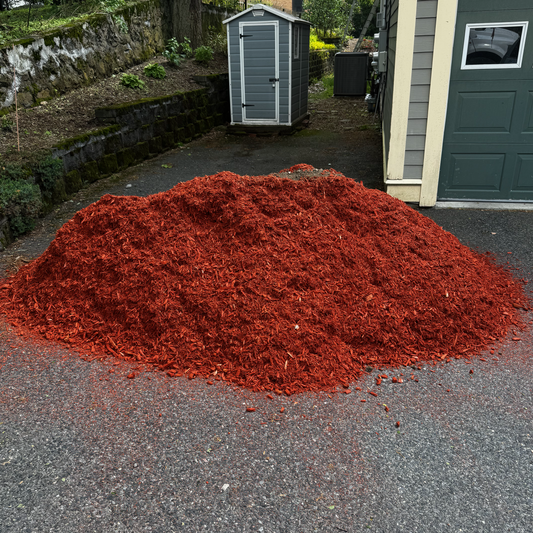
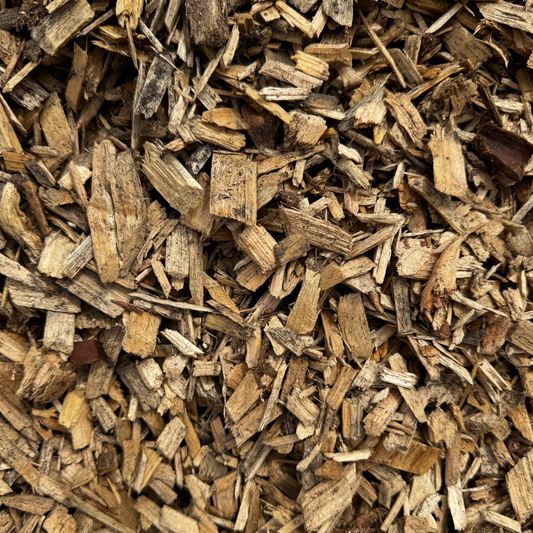
- 2 inches of hardwood or cedar mulch
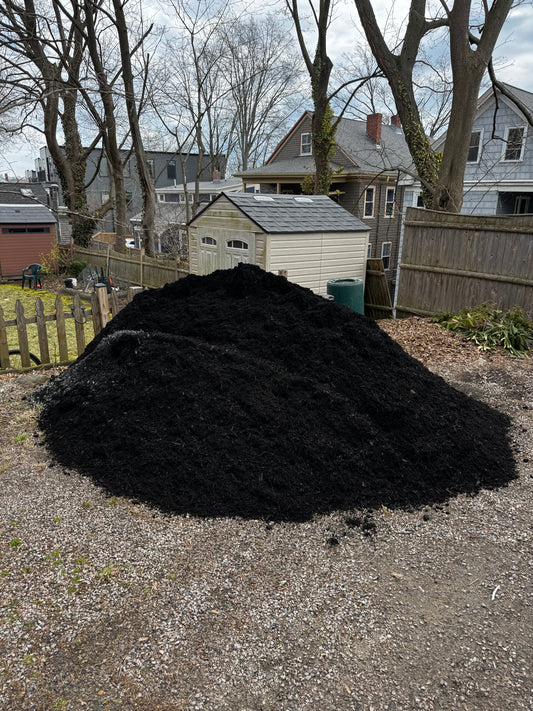
Bulk loam and compost in the right blend live in the Plant Establishment & Tree Planting collection. For Cohasset-area delivery on small loads, the Cohasset Landscape Supply page covers scheduling.
The Steps
1. Inspect and soak the roots. When the bare-root arrives, unwrap and inspect for damage. Cut clean with bypass pruners any broken or kinked roots. Soak the entire root system in a bucket of cool water for 2–6 hours before planting. Never longer than 24 hours — roots smother.
2. Dig the hole. Twice the root spread wide, only as deep as the root flare (where the trunk widens at the base). The shallow-and-wide rule is the single biggest predictor of survival. Most homeowners dig too deep — see How to Plant a New Tree in a Lexington Yard With Loam and Compost for the same rule applied to container trees.
3. Form a soil cone. Mound native soil in the center of the hole into a firm cone, tall enough that when you drape the roots over it, the root flare sits at or 1 inch above grade.
4. Set the plant. Drape roots evenly around the cone. The flare must end up at or above finished grade — never buried.
5. Backfill. Mix the excavated native soil with 25% compost. Backfill in 4-inch lifts, watering each lift to settle voids. Do not stomp the soil — water does the work.
6. Water deeply. 5 gallons of water for a 1" caliper tree, 10 gallons for a 2" caliper. Slow soak.
7. Mulch as a donut. Spread hardwood mulch 2 inches deep in a 3-foot-diameter ring, but pulled back 4 inches from the trunk. Mulch volcanoes against the bark kill trees over 3–5 years. The technique is detailed in How to Mulch Around a Newly Planted Winchester Tree (the Right Donut).
The First-Year Watering Schedule
Coastal Cohasset is sandy enough that bare-root plantings need consistent water through the first summer:
- Weeks 1–4: 5 gallons every 3 days
- Weeks 5–12: 5 gallons every 5 days
- Weeks 13 through October: 5 gallons weekly unless rainfall fills the gap
- November: one final deep soak before ground freeze
A simple soaker hose on a timer handles this for under $40 in equipment.
When to Skip Bare-Root
If bud break has already happened (leaves emerging), shift to container plants for a fall install. If your soil is heavily compacted clay, bare-root struggles — go with container and amend the planting hole more aggressively (see How to Amend Heavy Clay Soil Common Across Norfolk County).
For ongoing tree-care guidance after planting, Arnold Arboretum's resources and the ISA Trees Are Good site are the cleanest sources for MA tree species and maintenance schedules.


