Quick Answer
Norfolk County's heavy clay soil opens up over 3 years, not 3 weekends. The proven amendment plan: incorporate 2–3 inches of mature compost into the top 8 inches each spring, top-dress 1 inch annually for the next two years, and avoid sand-only amendments. Skip the gypsum unless a soil test shows sodium issues — for typical Norfolk clay, gypsum is hype. Below: why clay is hard, what actually works, and the realistic timeline for getting a Norfolk County bed to drain and grow.
Why Norfolk County Has Clay
Glacial till. The retreating ice sheet that shaped southern New England 14,000 years ago dumped a mix of pulverized rock — including a lot of fine clay particles — across what's now Norfolk County. Brookline, Newton, Wellesley, Dedham, Sharon, Foxborough — all sit on glacial-till substrates with varying clay content. The high spots are sandy; the low spots and most of the developed lots are clay-heavy.
The result: spring beds that stay saturated until June, summer beds that crack and resist water absorption, and the chronic frustration that perennials and vegetables don't establish well.
What Clay Soil Actually Does Wrong
Clay isn't poor in nutrients — it actually holds nutrients well. The problem is structure. Clay particles are flat and small (the smallest of the soil-particle classes), and they pack together tightly. The packing creates:
- Poor drainage — water doesn't move through clay; it sits.
- Poor oxygen exchange — roots can't breathe in saturated clay.
- Poor root penetration — roots can't push through dense clay.
- Compaction — once compacted (by foot traffic, equipment, or rain), clay stays compacted.
The fix isn't to add nutrients. The fix is to add organic matter that opens up the clay structure and creates aggregate stability — small "crumbs" of clay-plus-organic-matter that drain and root better than pure clay.
Why Sand Doesn't Work (And What Does)
A common myth: "I'll just add sand to my clay." Don't. Sand alone, mixed into clay in modest amounts (under 50% by volume), produces something close to concrete. The clay binds the sand particles into a denser, harder substrate than either alone.
What works:
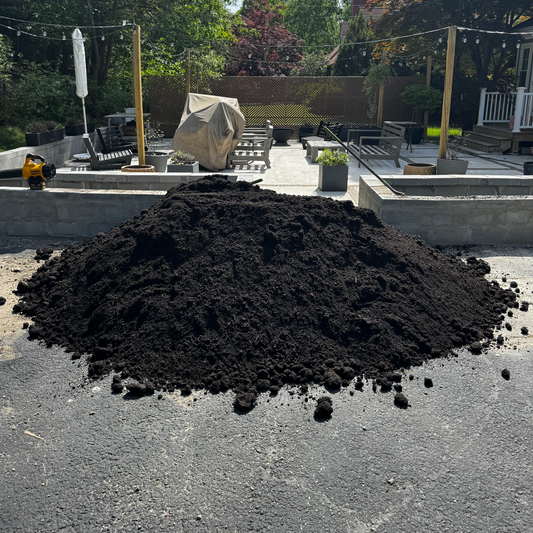
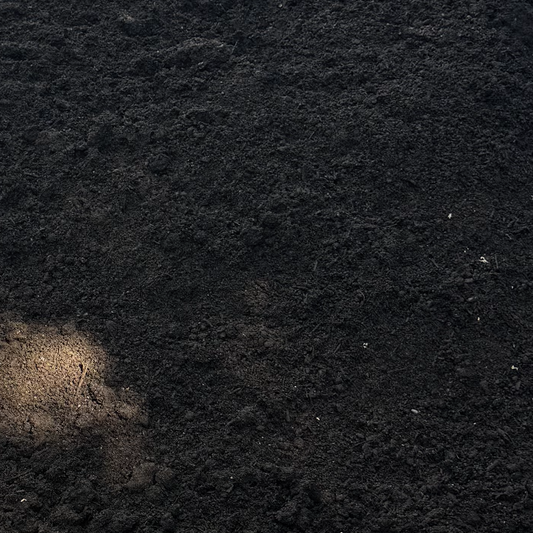
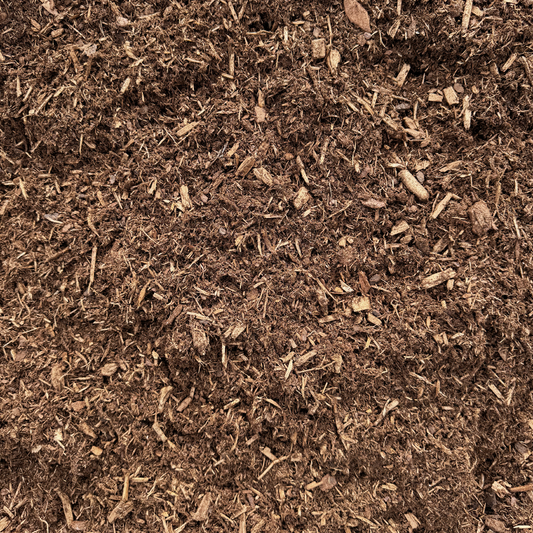
- Mature compost — the gold standard. The fine organic particles wedge between clay aggregates and create stable structure.
- Coarse sand at very high ratios (50%+ by volume) — only viable if you're rebuilding the bed entirely; not realistic for amending existing beds.
- Leaf mold — partially decomposed leaves, similar action to compost but slower.
- Aged manure — same role as compost; check that it's well-aged to avoid weed seed.
Compost is the answer for almost all Norfolk County applications. See Three Bulk Compost Sources Compared for Plymouth County Vegetable Gardens for the comparison of sources.
The 3-Year Amendment Plan
Year 1 is the heavy lift. Years 2 and 3 are maintenance. After year 3, the bed is amended and you transition to annual top-dressing only.
Year 1 — March or early April (when soil is workable but not muddy):
-
Test the soil first. Send a sample to the UMass Soil and Plant Nutrient Testing Lab. The test tells you pH, organic matter content, and nutrient levels. For Norfolk County, expect organic matter in the 1–3% range (target is 5%+) and pH around 5.5–6.5 (most plants want 6.0–7.0). For the step-by-step on getting the test done, see How to Get a UMass Extension Soil Test Done From Worcester County (Step by Step) — same process from anywhere in MA.
-
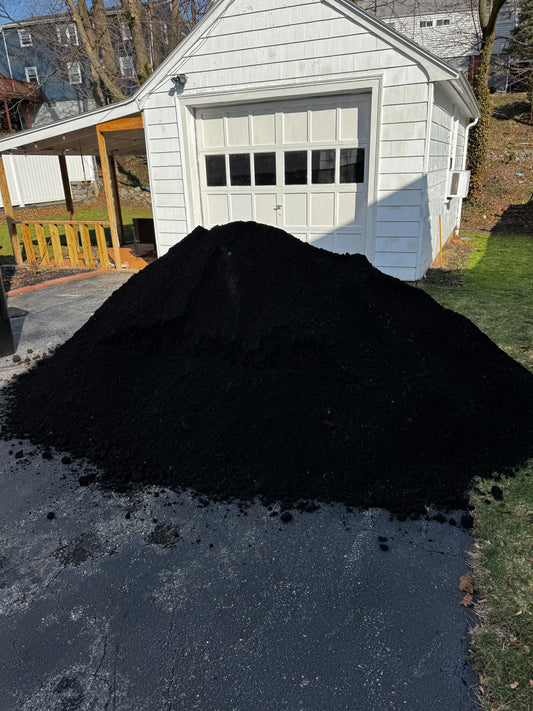
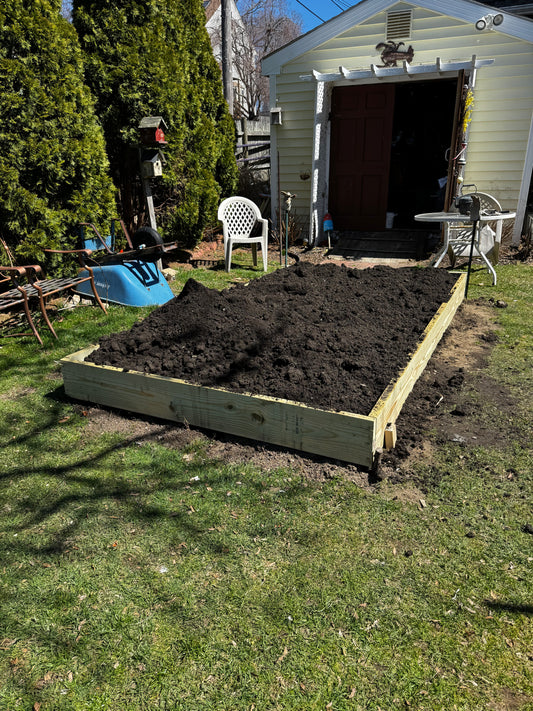
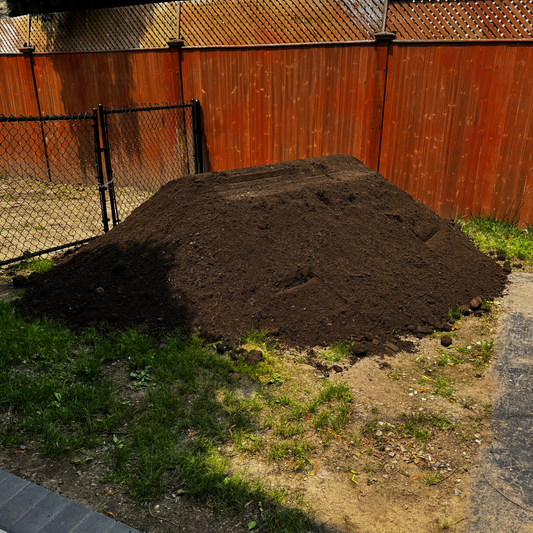
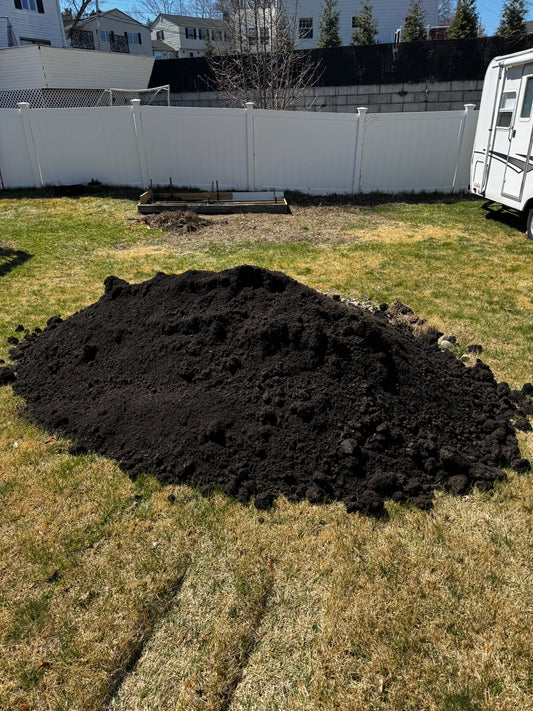
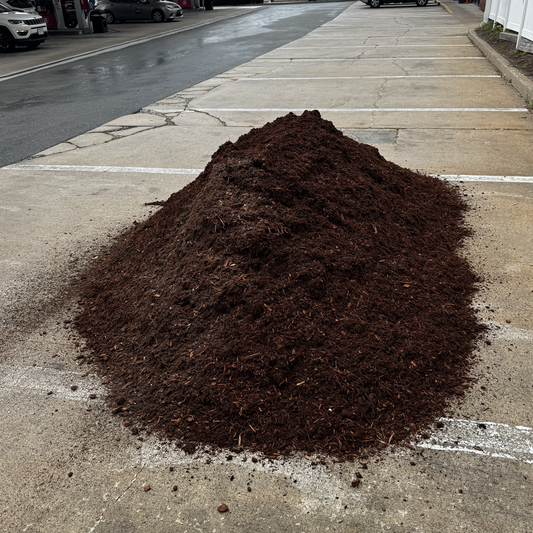
Spread 2–3 inches of mature compost across the bed surface. For a 100 sq ft bed, that's roughly 0.75–1 cubic yard of compost.
-
Incorporate to a depth of 8 inches. Use a garden fork, a spade, or a small tiller. Don't till deeper than 8 inches — you bring up subsoil that's worse than the surface clay.
-
Plant the bed. Roots establish in the amended top 8 inches and gradually work deeper as the structure improves.
-
Mulch 2 inches deep. Standard mulch rules apply — see The Two-Inch Rule.
Year 2 — top-dress 1 inch of compost in March, no tilling. Roots and earthworms incorporate the compost from above. Less disruptive than year 1; equally effective.
Year 3 — top-dress 1 inch of compost again. By now the bed drains, roots penetrate 12+ inches, and plants thrive.
Year 4+ — annual top-dress of ½ inch of compost. Maintenance only.
What About Gypsum?
The gypsum-for-clay claim is widespread. The honest answer: gypsum (calcium sulfate) only helps clay that has a sodium-related structural problem. Sodic clay — common in arid Western soils — has sodium ions binding the clay particles tightly. Gypsum's calcium displaces the sodium and the structure opens up.
Norfolk County clays are not sodic. They're glacial till with good calcium and no sodium issue. Adding gypsum to Norfolk County clay does almost nothing structurally. It can adjust calcium levels modestly, but if your soil test doesn't flag a calcium deficit, skip it.
The USDA NRCS Soil Survey has detailed soil maps for Norfolk County — useful for understanding what's under your specific lot.
Soil Test First, Amendment Second
Don't skip the soil test. Norfolk County clay varies enough across the county that a generic amendment plan can miss the actual issue. The test costs $20 and tells you exactly what's deficient. Common Norfolk County test results:
- pH 5.5–6.5 — most beds need lime to raise pH to 6.5–7.0 for vegetables and most ornamentals. The soil test tells you the exact application rate.
- Organic matter under 3% — confirms the compost-amendment plan.
- Phosphorus and potassium variable — most established yards have adequate P and K; new construction lots are often deficient.
- Calcium and magnesium adequate — for most Norfolk County soils.
For specific vegetable-bed amendments after the test, see 5 Soil Amendments Every Newton Vegetable Garden Should See in March.
When to Amend (and When to Wait)
- Wait if the soil is wet. Working clay when it's saturated destroys the structure you're trying to build. Squeeze a handful — if it forms a sticky ball, it's too wet. Wait a few dry days.
- Wait if the soil is frozen. Mid-March is usually fine across Norfolk County, but a late frost cycle can keep beds frozen until April 1.
- Don't wait for "perfect." First workable weekend in late March or early April is usually the right call.
Where to Buy
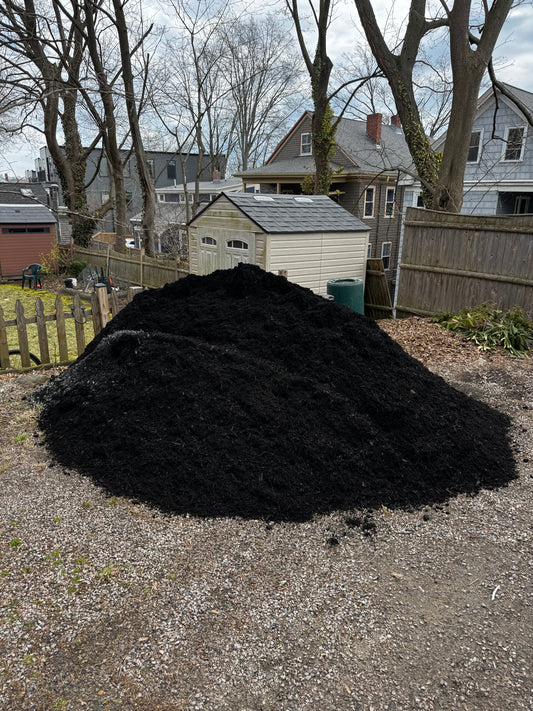
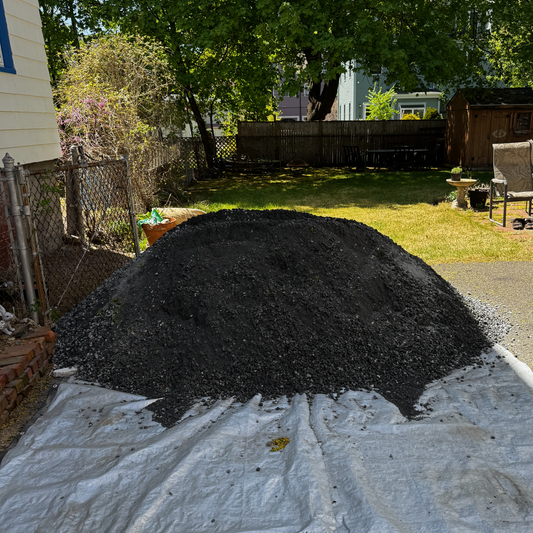
The plant establishment & tree planting collection covers the materials you'll need — compost, screened loam topper for severely depleted beds, planting mix. For the broader bulk lineup (the bulk compost order is the volume buy), browse the full catalog.
For broader regional soil guidance, UMass Extension Landscape and the USDA NRCS Soil Survey are the authoritative references for Norfolk County soils.
The short version: clay isn't the enemy; clay structure is. Three years of compost amendment opens up most Norfolk County beds. Skip the gypsum unless your soil test calls for it. Test first, amend second, and don't till when wet.