Quick Answer
Newton vegetable gardens need five amendments in March: 2 inches of finished compost worked into the top 6", pelletized lime to fix the sub-6.0 pH most Garden City yards run, leaf mold or aged leaves for water-holding tilth, a balanced organic fertilizer (5-5-5 or similar) at 1 lb per 100 sq ft, and azomite or kelp meal for trace minerals depleted after years of vegetable production. Apply in this order, two weeks before transplant.
Why March Matters
By April 1, soil temps in Newton hit 45–50°F and the biology kicks back on. Amendments need two to three weeks to integrate before they help that biology — so March is application season. Wait until April and you're feeding plants instead of soil; the difference shows in July.
Pull a fresh soil test before you start. The UMass Soil and Plant Nutrient Testing Lab is the cheapest decision-quality data you'll ever buy — $20, 7-day turnaround. For pH-specific sampling protocol see how to take a soil pH sample before the spring rush in Middlesex County. For the full mailing walkthrough, how to get a UMass Extension soil test done from Worcester County covers the same logistics that work from Newton.
#1 — Finished Compost (2 inches, top-dressed and forked in)
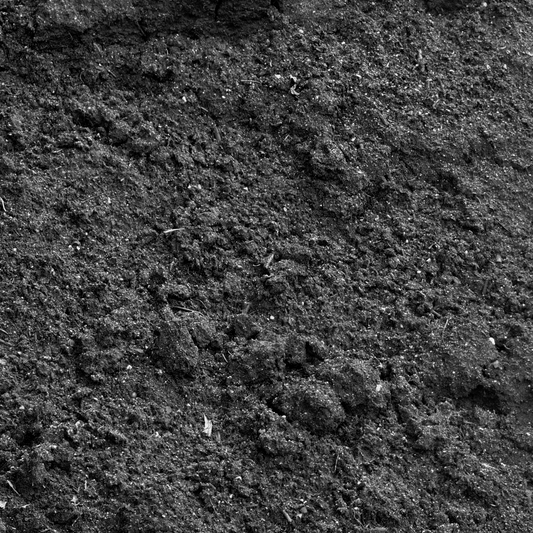
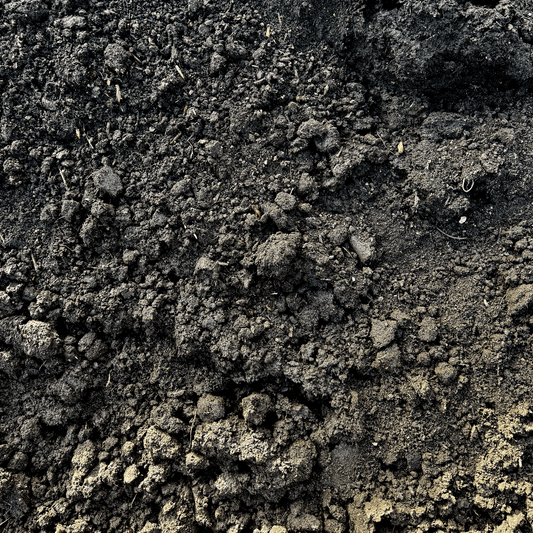
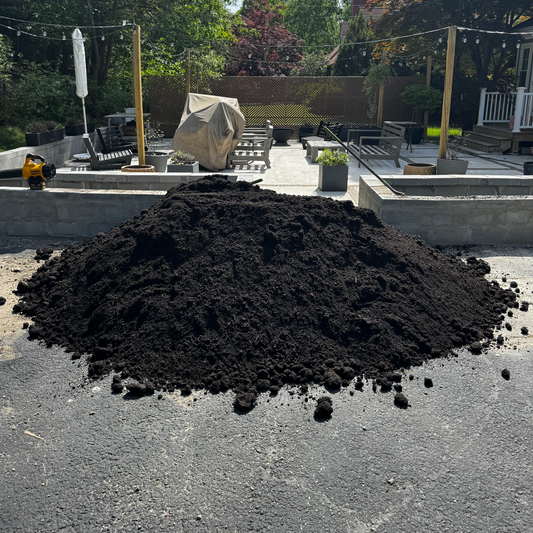
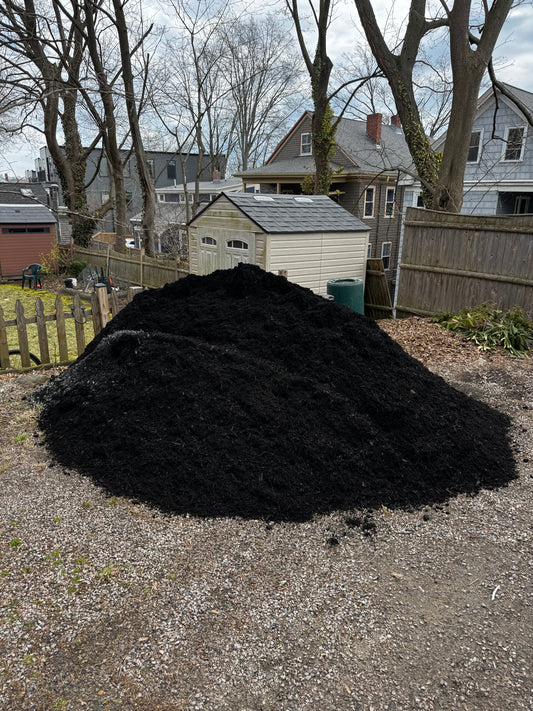
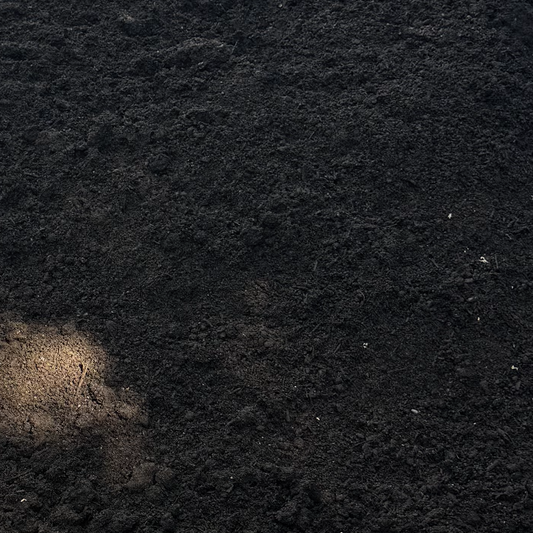
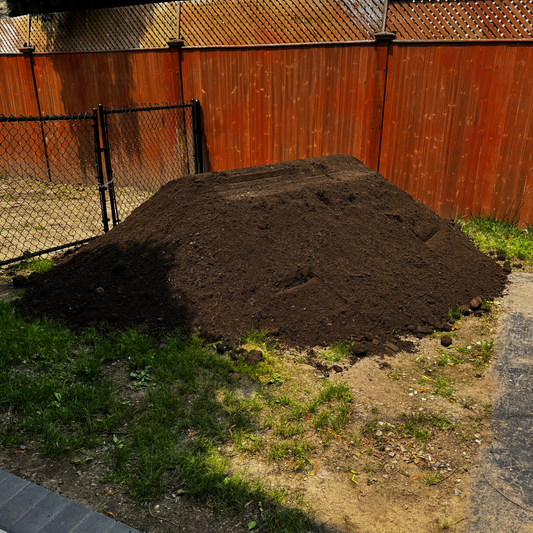
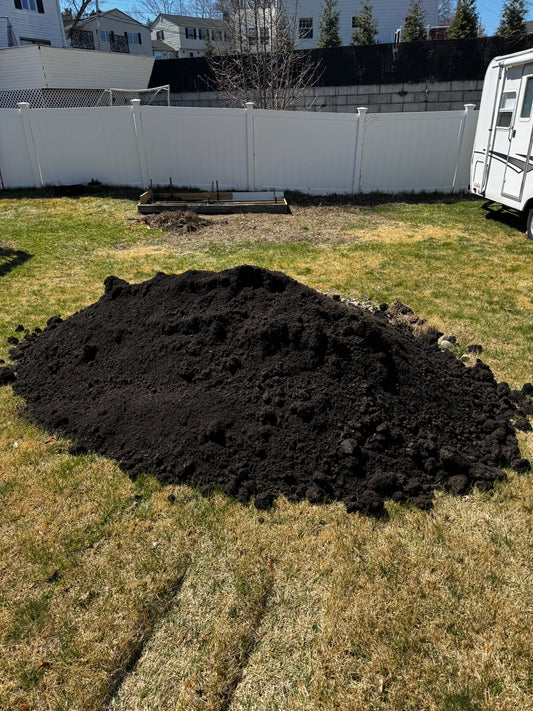
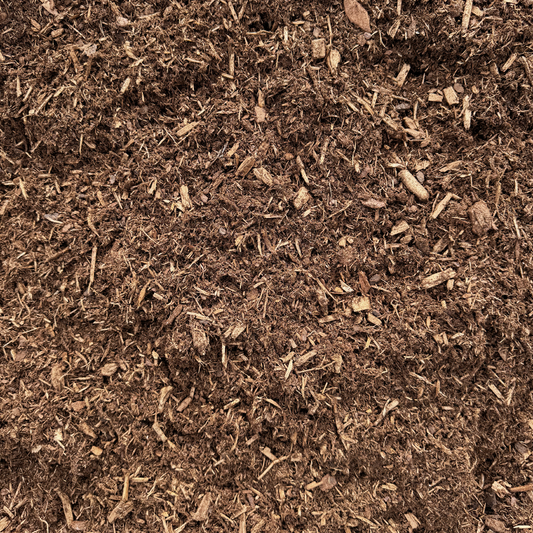
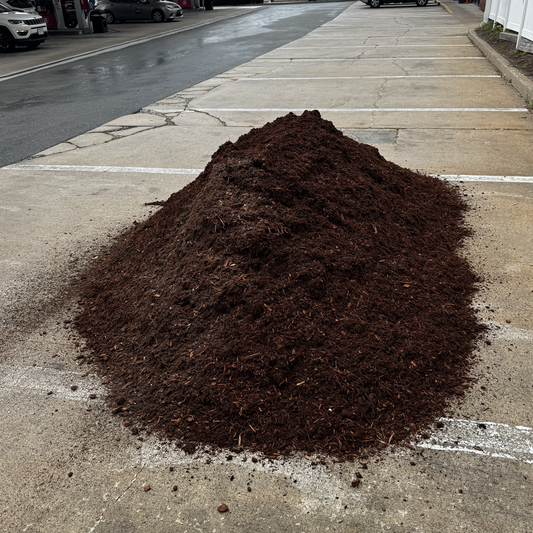
The non-negotiable amendment. Two inches of STA-certified compost across the top of the bed, forked into the top 6 inches with a digging fork. This single move adds organic matter, microbial diversity, and slow-release nitrogen, phosphorus, and potassium.
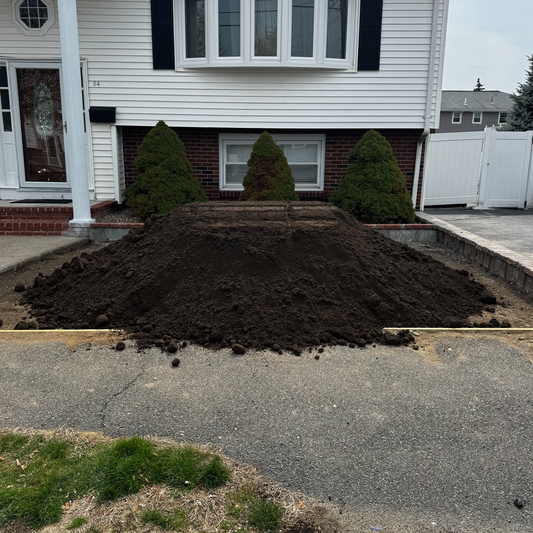
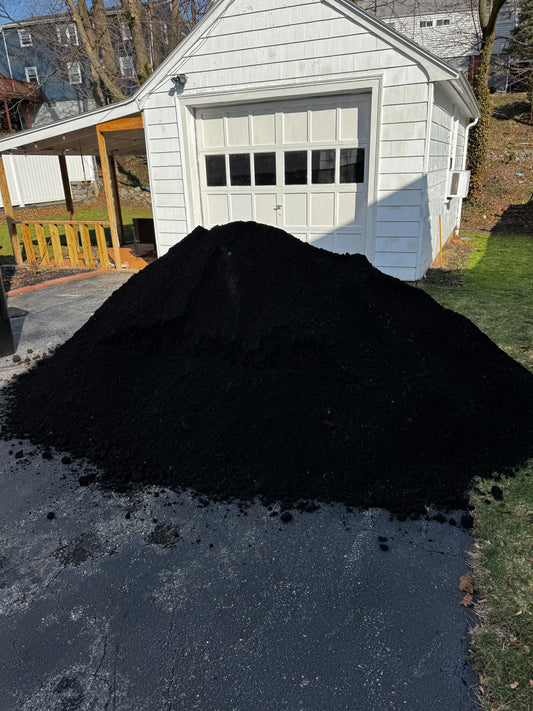
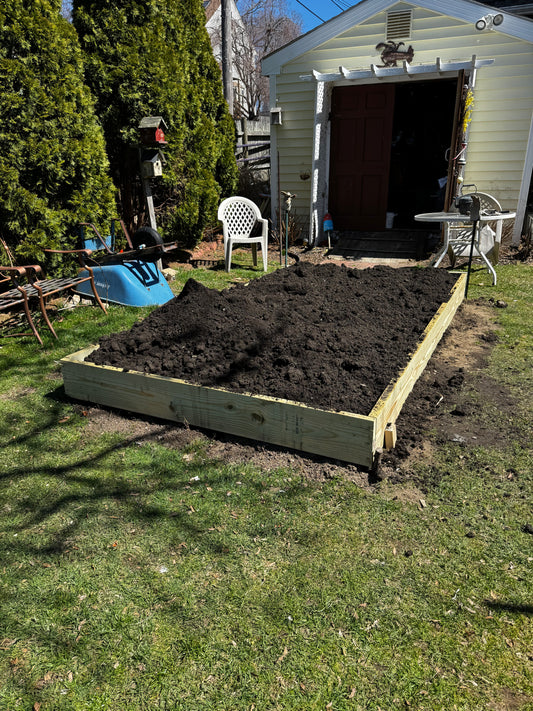
For a 4x8 bed that's about 0.2 cubic yards — roughly 5 cubic feet. Order through the raised garden bed materials collection.
The US Composting Council STA program lists certified producers — ask the dispatcher for source.
#2 — Pelletized Lime (calibrate to soil test)
Newton soils run acidic — most lots come in between 5.6 and 6.2 pH. Vegetables want 6.5–6.8. Pelletized lime corrects in 6–8 weeks at standard rates of 5–10 lbs per 100 sq ft depending on starting pH.
Skip lime entirely if your soil test reads 6.5+. Don't guess — over-liming locks up phosphorus and iron and you'll see the symptoms in your tomatoes by July.
For Norfolk County's heavier clay soils, see how to amend heavy clay soil common across Norfolk County — Newton runs slightly lighter but the pH math overlaps.
#3 — Leaf Mold or Aged Shredded Leaves
The second-place amendment after compost. Leaf mold (1–2 year decomposed shredded leaves) holds 2–3x its weight in water, feeds the fungal side of soil biology, and improves tilth in heavy soils. Newton homeowners with mature yards already produce this for free — it's the pile of leaves you raked into the back corner two falls ago.
If you don't have your own, fold in a 1-inch layer of partially-decomposed leaves with the compost. Don't bother with fresh fall leaves for spring — they tie up nitrogen as they break down. Wait a year.
#4 — Balanced Organic Fertilizer (5-5-5)
A balanced organic at 1 lb per 100 sq ft at the start of the season, broadcast and worked in. This carries the bed through the first 4–6 weeks while compost and leaf mold are still mineralizing.
Pick an organic over a synthetic. Synthetic NPK feeds plants but skips soil biology — and the biology is what carries you in year three and beyond. The UMass Vegetable Program has fertility recommendations tuned to MA crops.
#5 — Azomite, Kelp Meal, or Greensand (trace minerals)
The amendment most home gardeners skip and most experienced growers swear by. After 5+ years of vegetable production, micronutrients (boron, zinc, manganese, copper, molybdenum) deplete faster than NPK. Azomite, kelp meal, or greensand restore the trace-mineral profile.
Apply once every 3 years at 1 lb per 100 sq ft. You don't need it annually. Year one of a new bed you can skip — start in year three.
The Newton Application Order
The order matters more than people think. Work it in this sequence:
- Pull soil test (March 1).
- Lime first (March 8) — give it a 2-week head start on the compost so the pH shift is underway when the biology starts cooking.
- Compost + leaf mold + organic fertilizer + trace minerals (March 22) — broadcast across the bed and fork into the top 6 inches.
- Plant cool-season crops (April 5–10).
Skip the rototiller — it pulverizes soil structure. A digging fork or broadfork integrates amendments without trashing the biology you're trying to feed.
Where to Buy in Newton
The compost, leaf mold, and topsoil pieces come bulk through Ottr's raised garden bed materials collection. Lime, organic fertilizer, and trace minerals come bagged from any garden center — buy local.
For broader fertility guidance and crop-specific recommendations, the UMass Vegetable Program publishes the most authoritative MA-specific source.