Quick Answer
Take a soil pH sample in mid-January when the ground is workable but the UMass lab hasn't hit its March backlog. Pull 8-10 cores from a single bed at 4-6" depth, mix in a clean bucket, fill the lab's sample bag with one cup, and mail it to the UMass Soil and Plant Nutrient Testing Lab in Amherst. Turnaround is 5-7 business days in January, versus 3+ weeks in March. You'll have your lime or sulfur plan ready before the spring mulch trucks roll into Cambridge, Lexington, or Arlington.
Why January Is the Right Window
The UMass Soil and Plant Nutrient Testing Lab is the gold standard for MA soil testing — affordable (under $20 for the standard test), authoritative, and the one most local extension agents reference. The catch: their queue gets crushed in March and April when every Middlesex County homeowner suddenly remembers their lawn looked thin last summer. January submissions usually come back in a week. April submissions can take a month.
The other reason for January: lime takes 3-6 months to fully react in the soil. If your sample comes back showing a pH of 5.4 (common in Middlesex County's acidic clay-loam) and you need to lime up to 6.5, you want to spread by mid-March, not late May. January testing gives you that window.
What You Need
- 1 clean plastic or stainless bucket (no galvanized — zinc skews the test)
- 1 stainless garden trowel or soil probe
- 1 UMass Soil Test sample bag (download the form from the lab site, or call to request bags)
- Sharpie + masking tape for labeling
- $20 check or online payment
When the Ground Is Workable
In Middlesex County (Cambridge, Somerville, Arlington, Lexington, Belmont, Watertown, Newton border zones), the ground in mid-January is usually frozen 2-4" deep but soft below. You can punch through the surface with a probe or a sturdy trowel and pull a clean core. Avoid days right after a thaw — the surface mud will contaminate your sample. Pick a stretch of two or three dry, cold days.
If your bed is fully snow-covered and frozen solid 8" down, push the test to a thaw window in late January or wait until early March.
How to Pull a Clean Sample (45 minutes for one bed)
1. Pick the bed and define the area
A "sample" represents one management zone — one lawn, one vegetable bed, one shrub border. Don't mix lawn and bed soil; the lab analyzes them differently. For a typical Middlesex County front yard plus side bed, that's two samples.
2. Pull 8-10 cores in a zig-zag pattern
Walk the bed in a zig-zag and pull a 4-6" deep core every 8-10 feet. Use the trowel: cut a wedge, set it aside, then slice a thin vertical strip from the open face — that's your core. Drop the wedge back in.
For a lawn, set the cores at root-zone depth (about 4"). For a shrub or perennial bed, go a bit deeper (5-6"). For a vegetable bed, 6".
3. Mix in the clean bucket
Crumble each core into the bucket. Remove root pieces, stones, and worms. Mix thoroughly with the trowel. You're making one composite sample that averages the bed.
4. Fill the sample bag
Pour about one cup of the mixed soil into the UMass bag. Air-dry it on a paper plate for 24 hours if it feels wet — wet soil delays the lab's processing.
5. Label and mail
Write the sample ID on the bag (matches your form). Fill out the form: crop or use type (lawn, vegetable, ornamental, blueberry — blueberry is a special case because it wants pH 4.5-5.5). Mail with payment.
The lab address and current form are on the UMass Soil Lab page.
Reading the Results
You'll get a one-page report. The numbers that matter for most Middlesex County yards:
- pH — target 6.0-7.0 for most lawns and ornamentals; 5.0-5.5 for blueberries and rhododendrons; 6.5-7.0 for most vegetables.
- Buffer pH — tells you how much lime it'll take to move pH; the lab does this math.
- Organic matter — under 4% means your soil needs compost; over 6% is healthy.
- Macros (P, K, Ca, Mg) — the report gives "low / optimum / high" verdicts and recommends pounds per 1,000 sq ft to add.
What to Do With the Numbers
Most Middlesex County properties come back acidic (pH 5.0-5.8) and low in organic matter — a legacy of decades of leaf-blow-and-bag and chemical fertilizer. The standard fix is pelletized lime applied in March plus a half-inch top-dress of compost in April. For specific amendments by need, see 5 Soil Amendments Every Newton Vegetable Garden Should See in March. For heavy clay (common in Belmont, Lexington, parts of Cambridge), see How to Amend Heavy Clay Soil Common Across Norfolk County — same playbook applies in Middlesex.
For a step-by-step UMass test workflow walked from Worcester County, see How to Get a UMass Extension Soil Test Done From Worcester County (Step by Step) — same process, different mailing address radius.
Where to Order Your Lime, Compost, and Loam
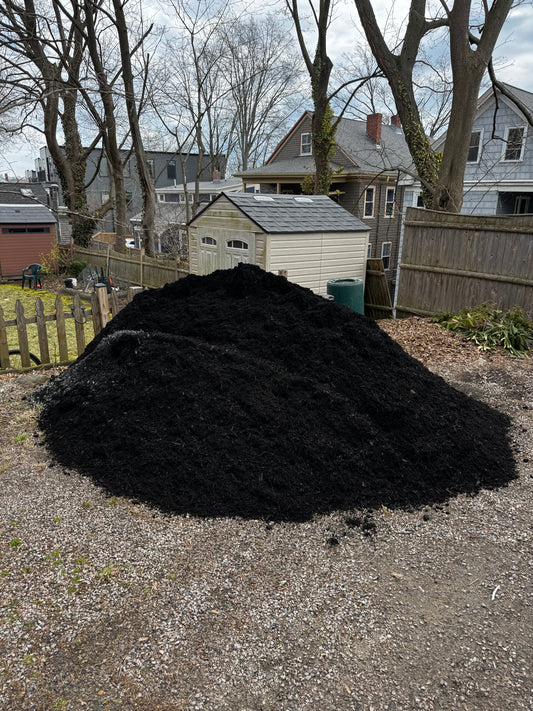
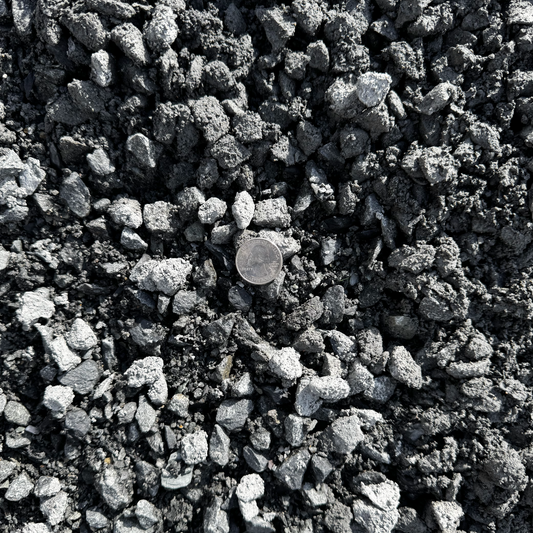
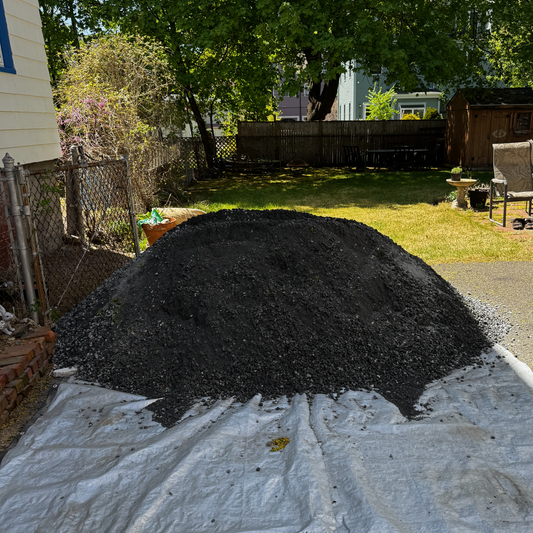
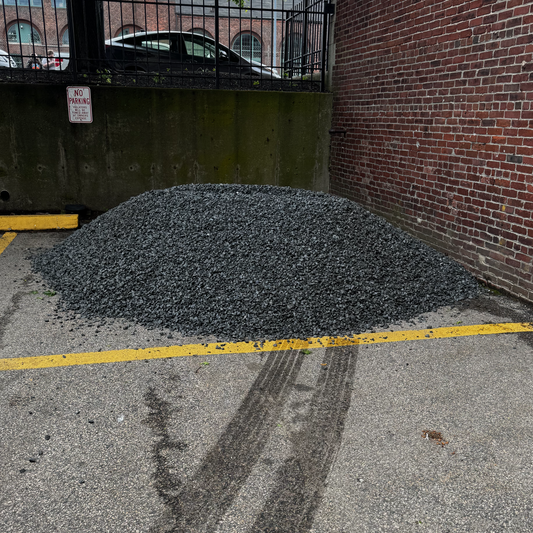
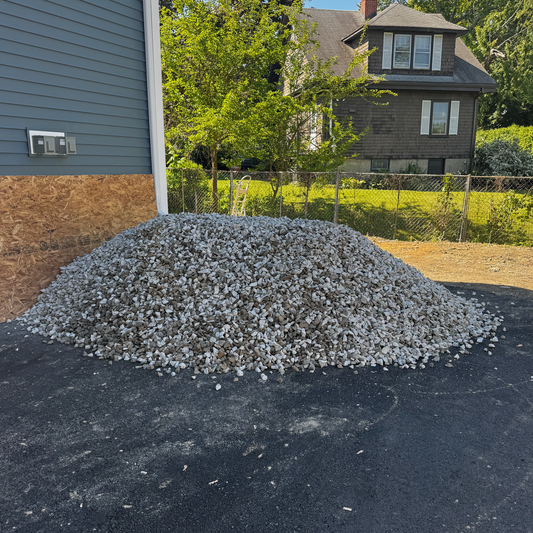
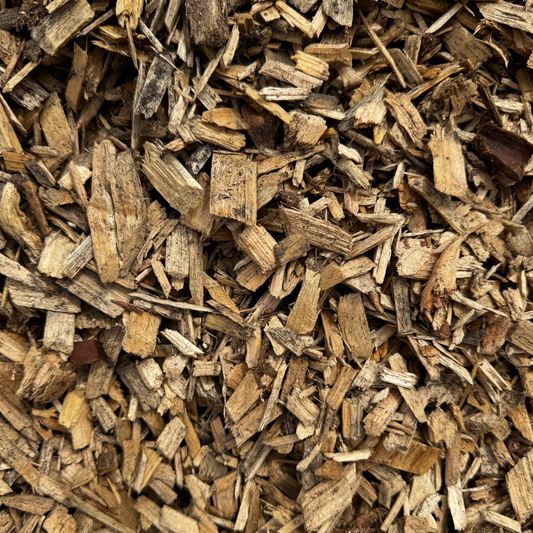
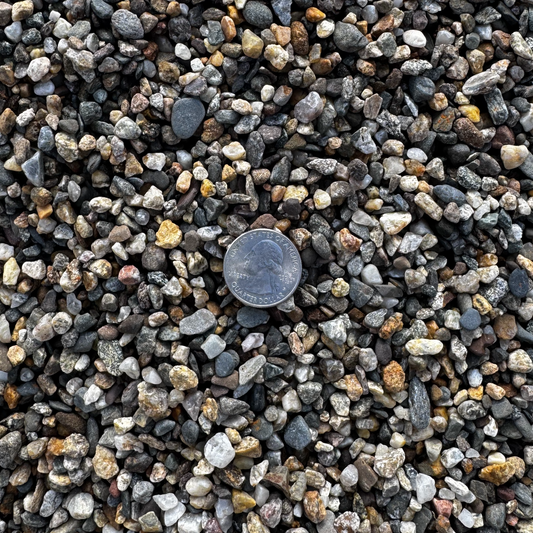
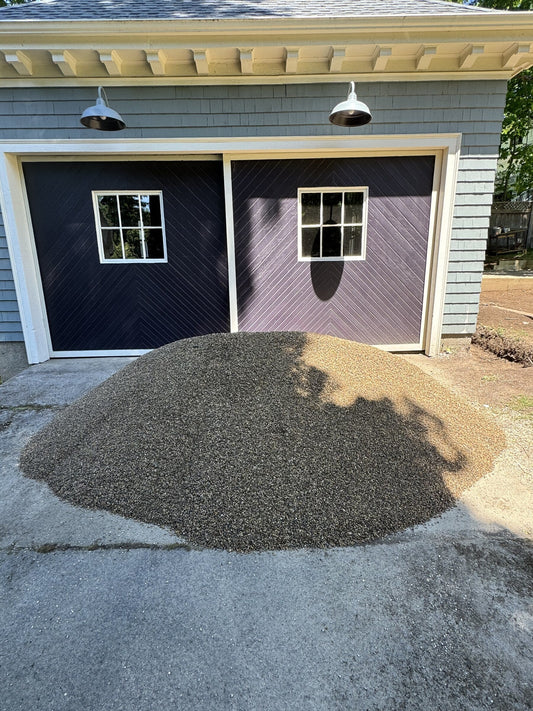
Once your results land, order amendments early. Bulk by the cubic yard from the full Ottr catalog is roughly half the per-cubic-foot cost of bagged retail. Middlesex County deliveries route through the Cambridge landscape supply collection and adjacent neighborhood pages.
For broader Massachusetts soil context, the USDA Natural Resources Conservation Service Web Soil Survey maps your specific soil series and gives drainage, depth-to-bedrock, and parent-material data — useful background before reading the UMass results.