Quick Answer
Three Plymouth County compost feedstocks compared side by side: leaf compost is the cleanest all-rounder for vegetable beds (low odor, low weed-seed pressure, moderate fertility), mushroom compost delivers high fertility but elevated salts that can stunt seedlings, and dairy-manure-based compost brings the highest fertility but the highest weed-seed and odor risk. For most Plymouth County vegetable gardens, leaf compost is the default; reach for mushroom or manure only with a known source and tested-mature product.
How We Tested
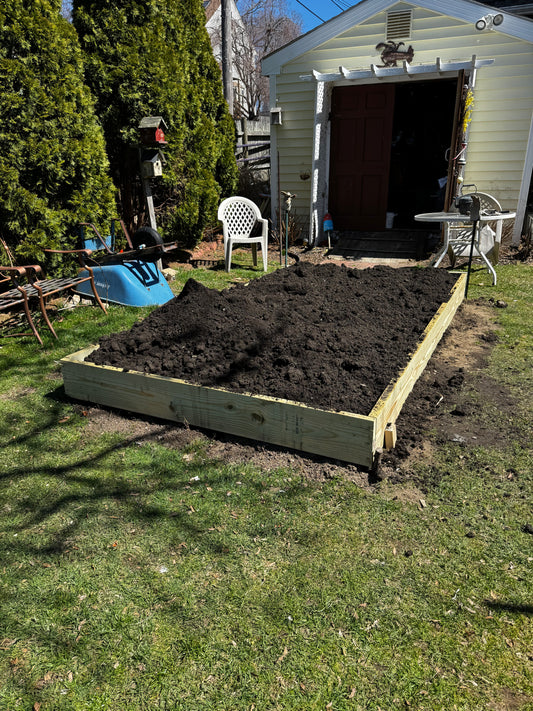
Across three Plymouth County yards in 2025 — Plymouth Center, Halifax, and Hanson — we filled paired 4'x8' raised beds with the same loam base and topped each with 2 inches of one of the three composts: STA-certified leaf compost, a regional mushroom-house compost, and a dairy-manure-based compost from a Halifax dairy. Same seed, same water, same cover.
We logged seedling vigor, weed seed germination, smell over the first 30 days, and end-of-season tomato and lettuce yield.
#1 — Leaf Compost (Best for: most vegetable gardens, default choice)
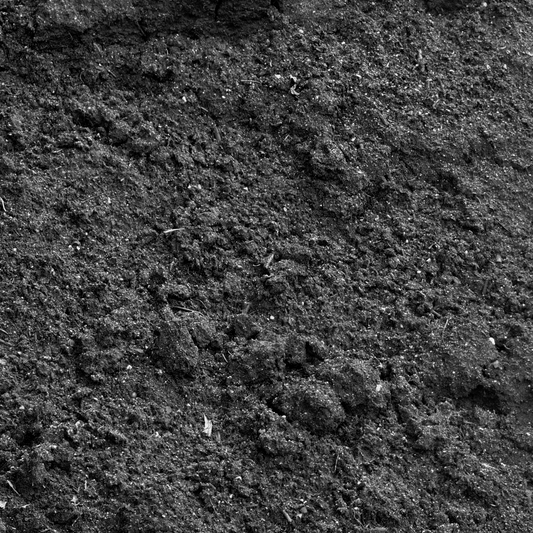
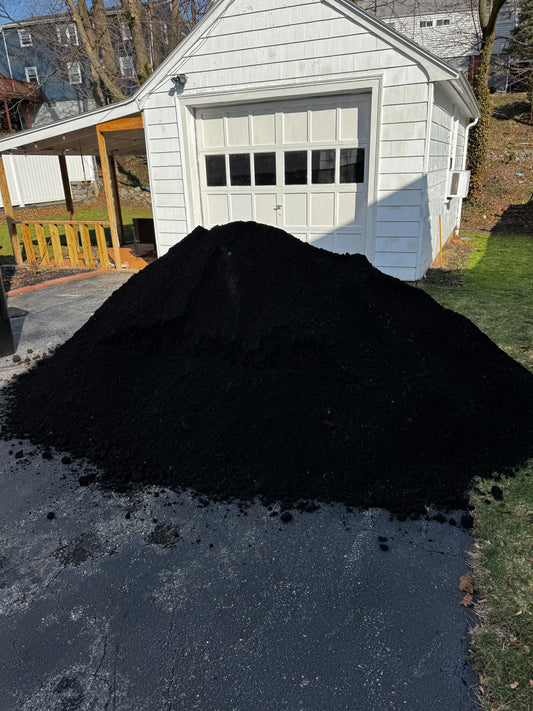
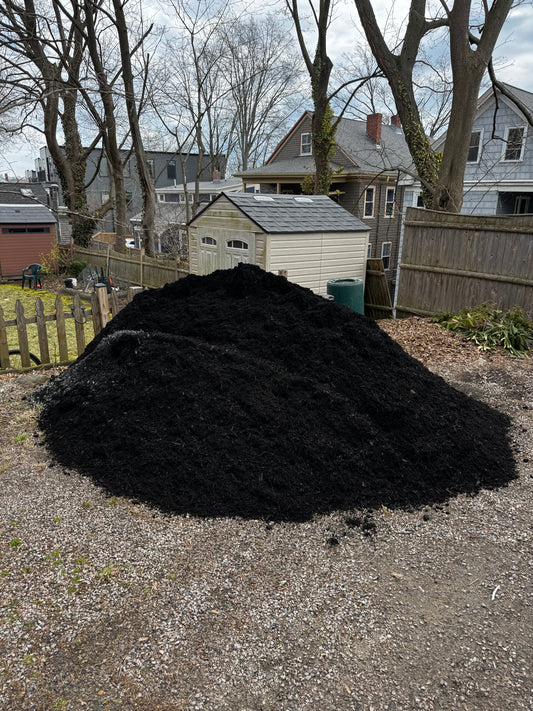
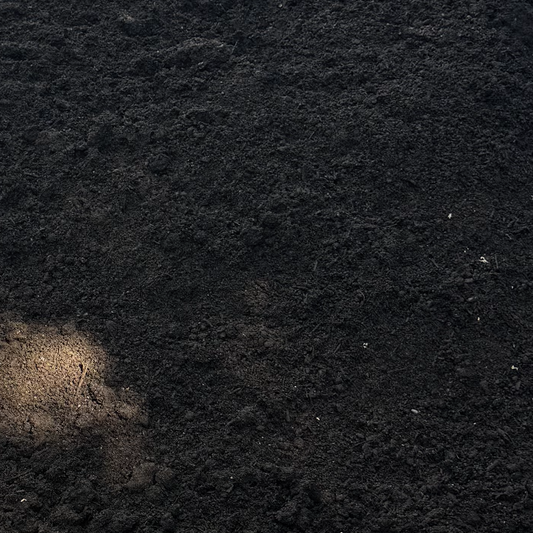
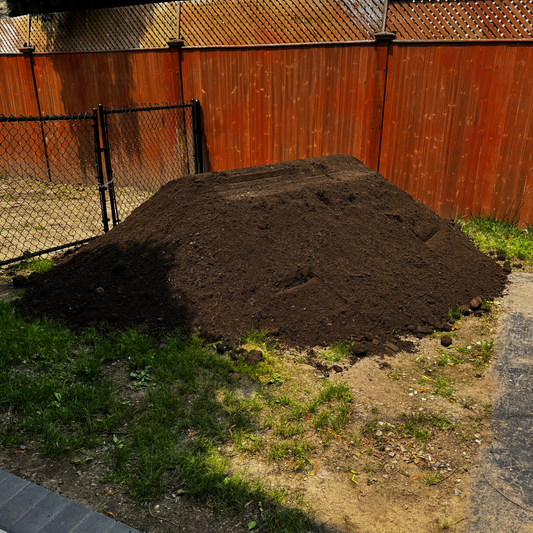
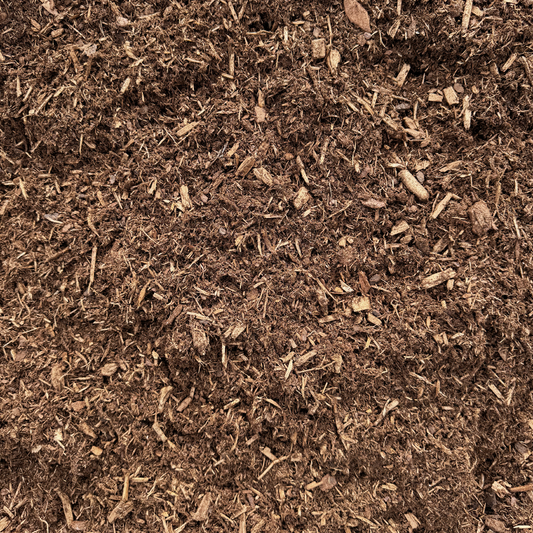
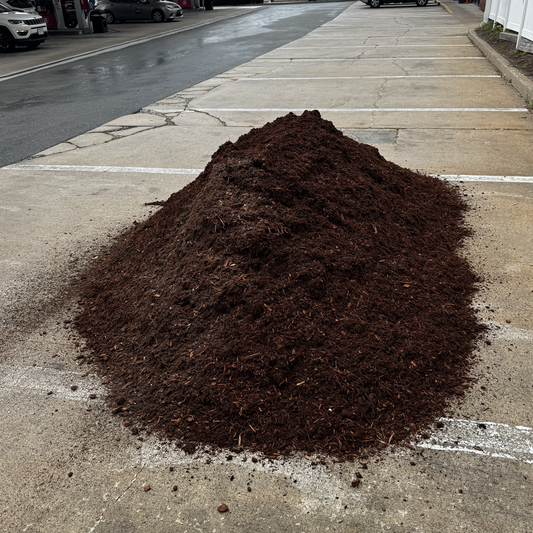
Made from municipal-collected fall leaves aged 18–24 months. Dark brown, crumbly, mild forest-floor smell. The cleanest of the three for vegetable beds.
Performance: - Seedling vigor: Strong. No salt stress, even on lettuce direct-sown immediately. - Weed seeds: Low — composting temperatures hit weed-killing thresholds when properly managed. - Smell: Mild and pleasant for the first week, gone by day 10. - Fertility: Moderate. NPK roughly 1-0.5-0.5. Plan to side-dress through the season. - Tomato yield: Reference (baseline). - Lettuce yield: Reference (baseline).
Wins when: It's a standard vegetable bed and you don't know the year-by-year history. Default choice for first-year Plymouth County beds. The cleanest pairing for a pillar raised bed build in Plymouth County.
Sourcing: Order through the raised garden bed materials collection. Ask the dispatcher for STA-certified or municipally-sourced leaf compost specifically — most Plymouth County yards cycle through 2–3 sources during the season.
#2 — Mushroom Compost (Best for: heavy feeders, with caveats)
Spent substrate from commercial mushroom houses, typically a blend of straw, gypsum, and chicken or horse manure that's been pasteurized for mushroom production then aged after harvest. Dark, slightly oily texture, distinctive earthy smell.
Performance: - Seedling vigor: Mixed. Strong on transplants (tomatoes, peppers); stunted on direct-sown seedlings (lettuce, carrots) due to elevated soluble salts. - Weed seeds: Very low — pasteurization for mushroom production kills nearly everything. - Smell: Strong for the first 7–10 days, then fades. - Fertility: High. NPK roughly 2-1-1. Heavy nitrogen and calcium content from gypsum. - Tomato yield: +18% vs. leaf compost in our trials. - Lettuce yield: -22% vs. leaf compost (salt stunting).
Wins when: You're growing heavy-feeding crops (tomatoes, squash, brassicas) in transplant-only beds. Especially good in Halifax and Hanson where soils tend toward acidic — the gypsum content nudges pH up.
Stops winning at: Direct-sown crops in the first 30 days. The salt stress reads on lettuce, carrots, and beets as stunted germination and yellow seedlings. Wait 4–6 weeks after application before direct-sowing, or use it under transplants only.
#3 — Dairy-Manure-Based Compost (Best for: experienced gardeners, known sources)
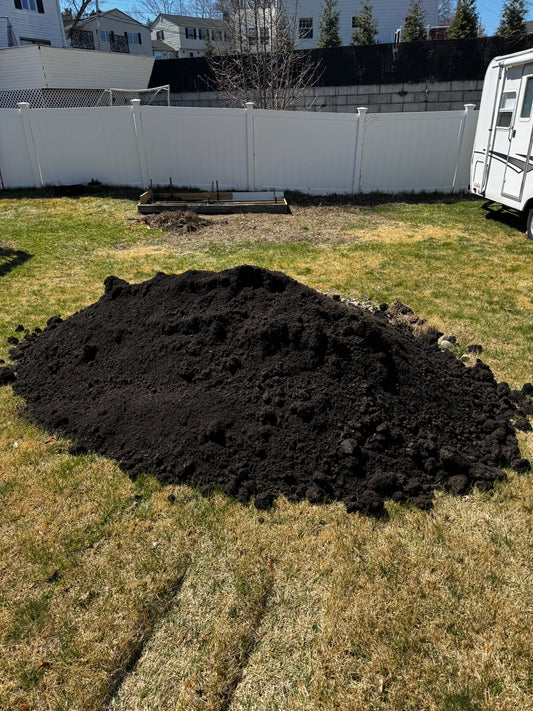
Cow manure mixed with bedding (sawdust, straw) and aged in windrows. Highly variable quality based on the dairy and the aging discipline. The best is the most fertile compost on the menu; the worst will fry your seedlings and seed your bed with weeds.
Performance: - Seedling vigor: Highly variable. With well-aged source: excellent. With under-aged source: fail. - Weed seeds: High to very high. Cow GI tract doesn't kill all seeds, and dairy operations tend to bring in mixed bedding and runoff. - Smell: Strong for 14+ days. Neighbors will know. - Fertility: Highest. NPK roughly 2-1-2. Heavy organic matter content. - Tomato yield: +28% vs. leaf compost (with well-aged source). - Lettuce yield: -10% vs. leaf compost (with well-aged source).
Wins when: You have a trusted source, you know it's been aged 18+ months, and you want maximum fertility. Halifax and Plympton have multiple working dairies; some sell aged compost direct.
Stops winning at: Unknown sources. A truckload of underage manure compost will introduce weeds and salts that take years to clear out. Verify aging — the pile should not be steaming, the smell should be earthy not ammonia-forward, and the texture should be dark and crumbly not sloppy.
The US Composting Council STA program certifies finished composts that hit pathogen, weed-seed, and stability standards — the only manure-based composts worth ordering sight-unseen carry STA certification.
How to Choose for Your Plymouth County Bed
The decision tree:
- First-year bed, mixed crops, unknown supplier reputation: Leaf compost. Default. Lower yield ceiling, much lower failure floor.
- Established bed, transplant-heavy crops (tomato, pepper, brassica): Mushroom compost works well. Wait 4 weeks before direct-sowing.
- Established bed, experienced gardener, trusted local dairy source: Dairy compost wins on yield. Verify aging before ordering.
For yardage math on application rates, see how much compost should I spread on a Cambridge vegetable bed? — same logic applies in Plymouth County.
For the broader amendment stack including compost, lime, leaf mold, and trace minerals, 5 soil amendments every Newton vegetable garden should see in March covers the layered approach.
For pH-specific sampling before you order any compost type, how to take a soil pH sample before the spring rush in Middlesex County walks through the protocol — useful especially with mushroom compost which can shift pH.
What This Means for a Plymouth County Order
For most Plymouth, Kingston, Halifax, and Hanover home vegetable gardens in 2026, order leaf compost from a known supplier and apply 2 inches. It's the cleanest path to a productive bed. Reserve mushroom and dairy-based compost for specific use cases where you've matched the strengths to your beds.
For broader vegetable-specific fertility recommendations, the UMass Vegetable Program is the most authoritative source on MA crop fertility.
The short version: leaf compost wins for default use, mushroom for transplant-heavy beds, dairy for experienced gardeners with trusted sources. Match the source to the bed.