Quick Answer
To build a raised garden bed in Massachusetts: use untreated cedar or hemlock at 4'x8'x12" minimum, fill with a 60% screened loam / 30% compost / 10% coarse sand mix, place in 6+ hours of direct sun, and plant cool-season crops by mid-April once soil hits 50°F. A first bed runs $180–$280 in lumber plus 1.2 cubic yards of soil (about $70). Total: under $400, ten-year lifespan, immediate yield.
The Plymouth County Raised Bed Reality
Across Plymouth County — Plymouth, Kingston, Halifax, Hanover, Marshfield — raised beds are now the dominant home-garden format. Ground is rocky, drainage runs sideways instead of down, and the deer pressure is real. A raised bed solves all three problems at once: you control the soil, you control the drainage, you control the height the deer have to clear.
This is the complete pillar guide. Q&A format — the questions Plymouth County homeowners actually ask in March when they're standing in a backyard with a square of grass and a Pinterest screenshot.
Q: What size should my first raised bed be?
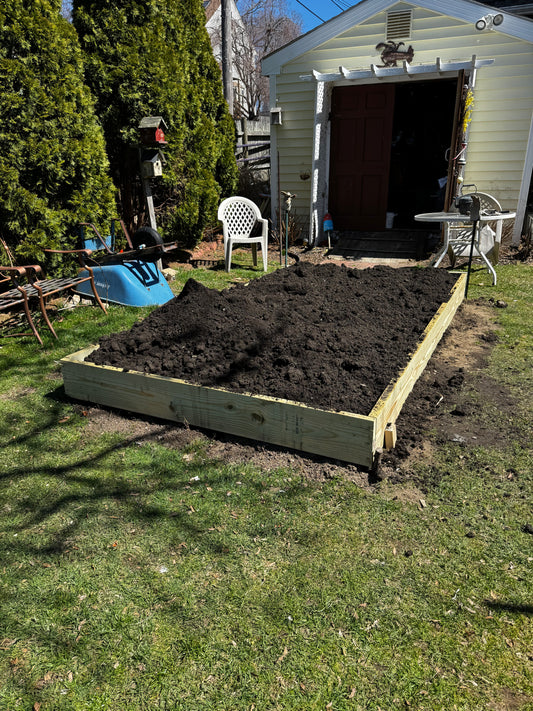
A: 4 feet wide by 8 feet long by 12 inches deep. Four feet across because you can reach the middle from either side without stepping on the soil. Eight feet long because that's the standard lumber length — no cuts wasted. Twelve inches deep because most vegetables root in the top 8 inches and you want headroom.
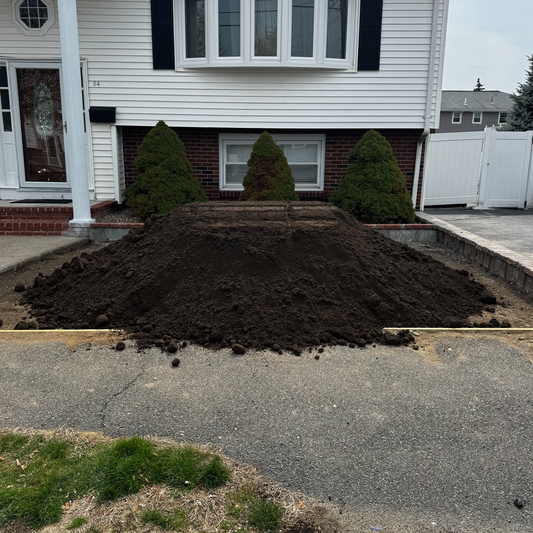
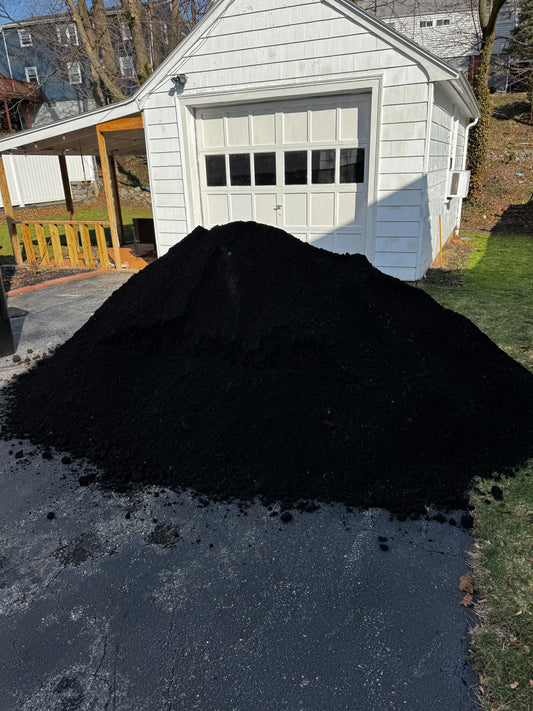
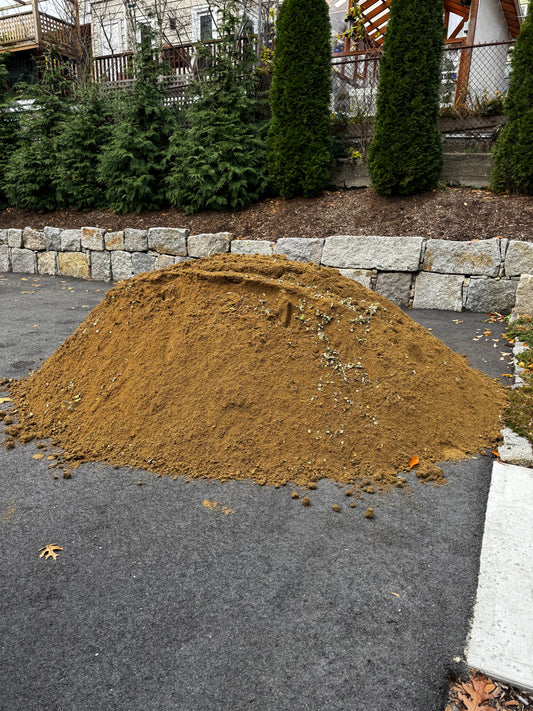
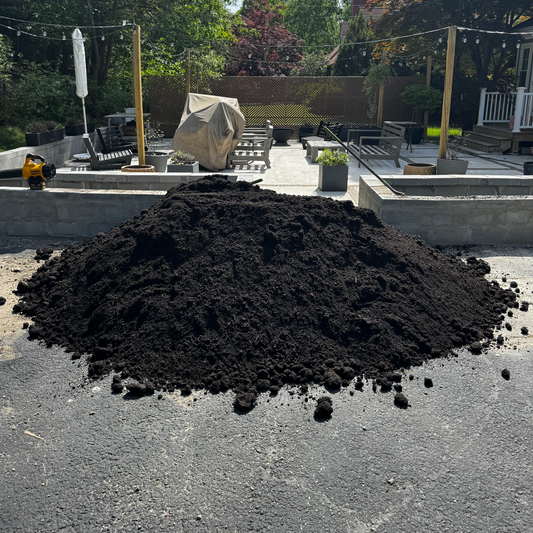
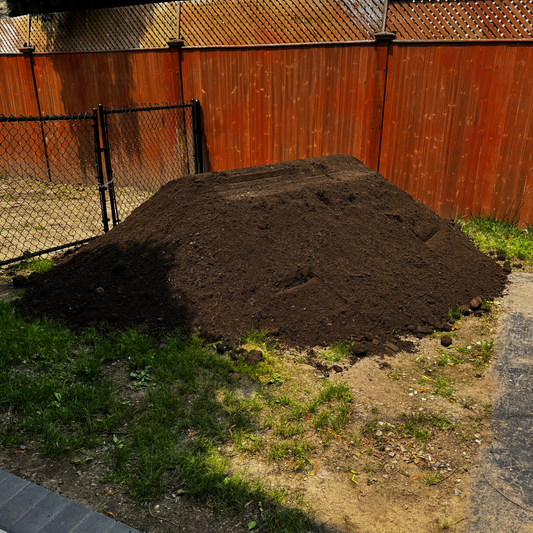
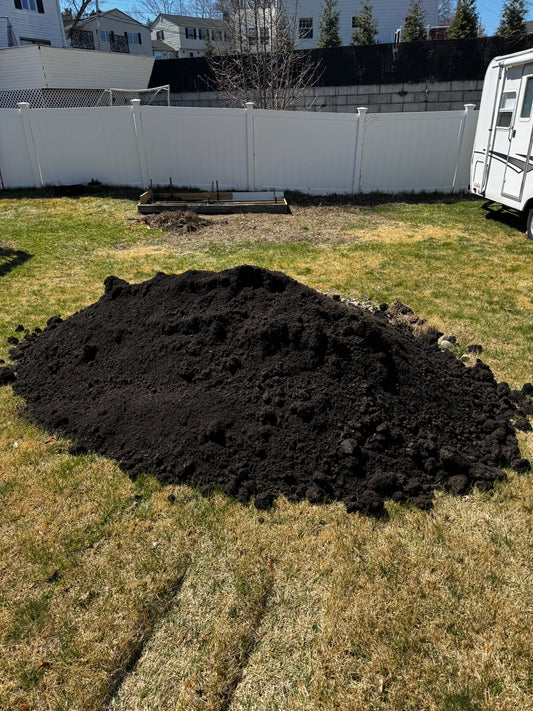
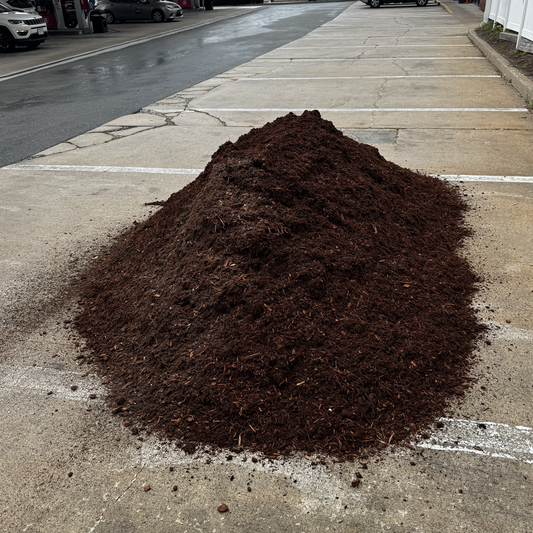
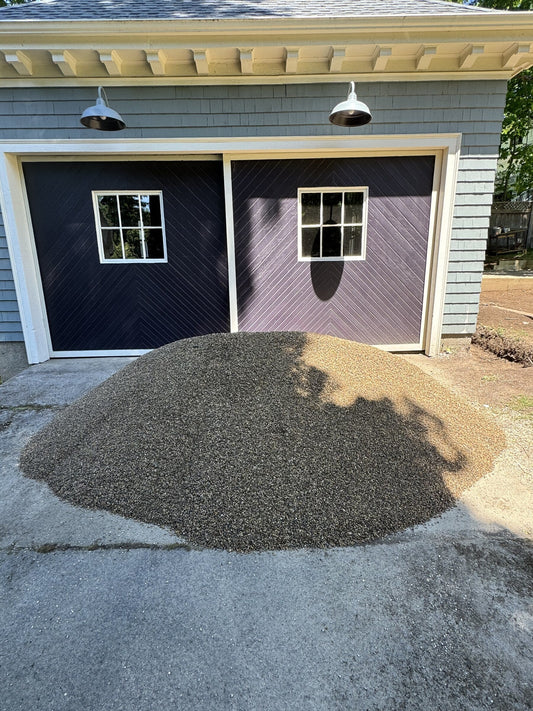
A 4x8x12 bed holds roughly 1.2 cubic yards of soil. Order bulk raised bed soil by the yard — bagged is 4–5x the cost.
Q: What wood should I use?
A: Untreated cedar or hemlock. Cedar is the gold standard — naturally rot-resistant, lasts 10–15 years in MA weather. Eastern hemlock is cheaper, lasts 8–10 years, and is widely available across Plymouth County lumberyards.
Avoid: - Pressure-treated lumber. Modern PT is not arsenic-based, but trace copper still leaches. Vegetable growers stay clear. - Pine. Rots in three years. Don't bother. - Railroad ties. Creosote. Hard no.
For a Watertown step-by-step on a 4x8 build, see how to build a 4x8 raised bed in a Watertown backyard in one weekend.
Q: What's the right soil mix?
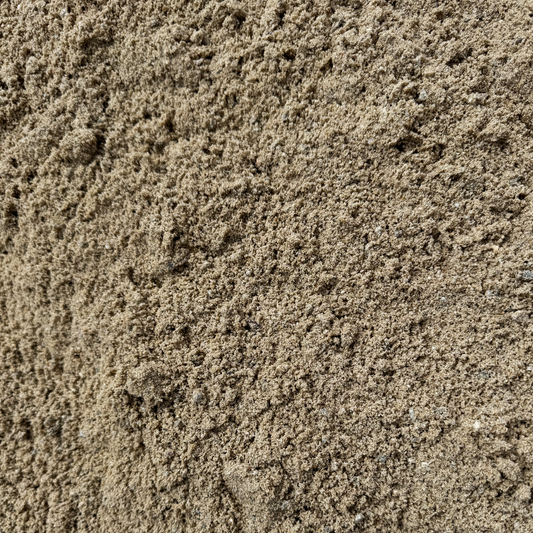
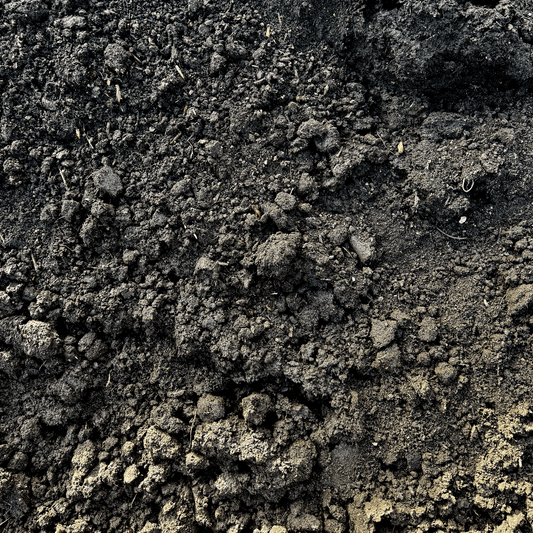
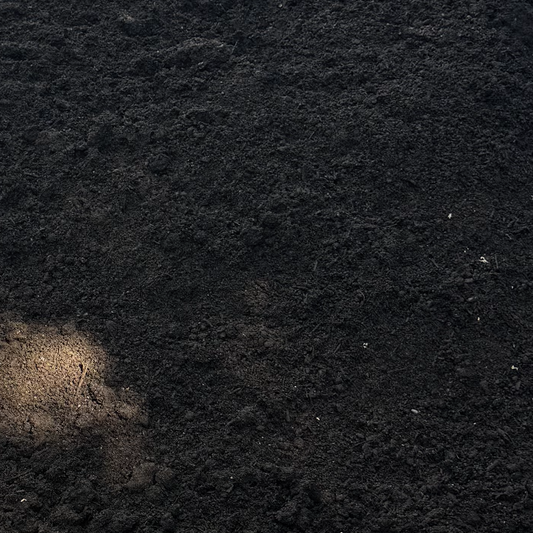
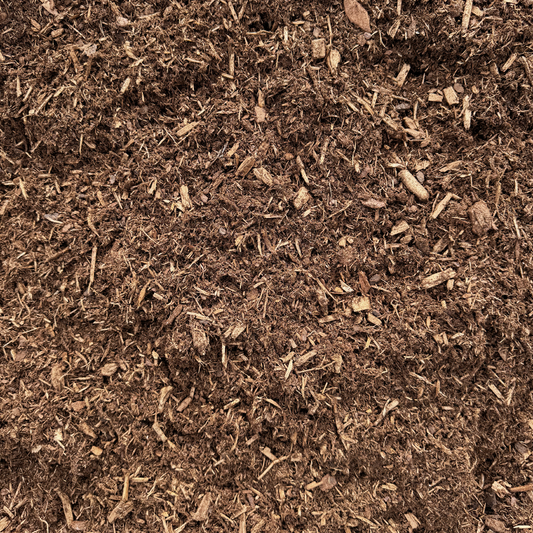
A: 60% screened loam, 30% compost, 10% coarse sand. This is the workhorse mix for MA Zone 6b. The loam provides mineral structure, the compost provides fertility and water retention, and the sand keeps it from packing down.
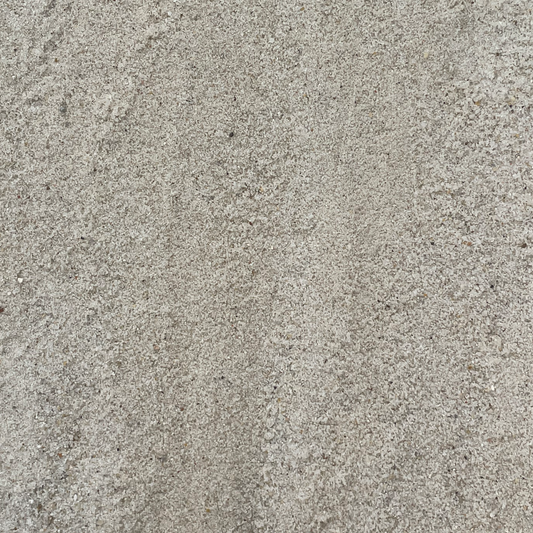
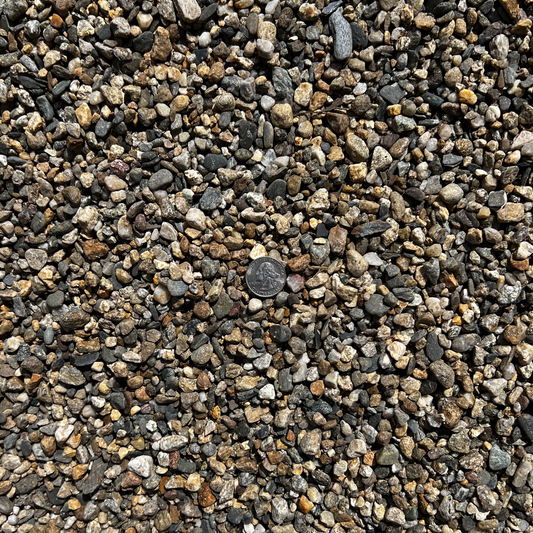
A 4x8x12 bed wants: - 0.7 cubic yards screened loam - 0.35 cubic yards compost (STA-certified or aged leaf compost preferred) - 0.12 cubic yards coarse sand
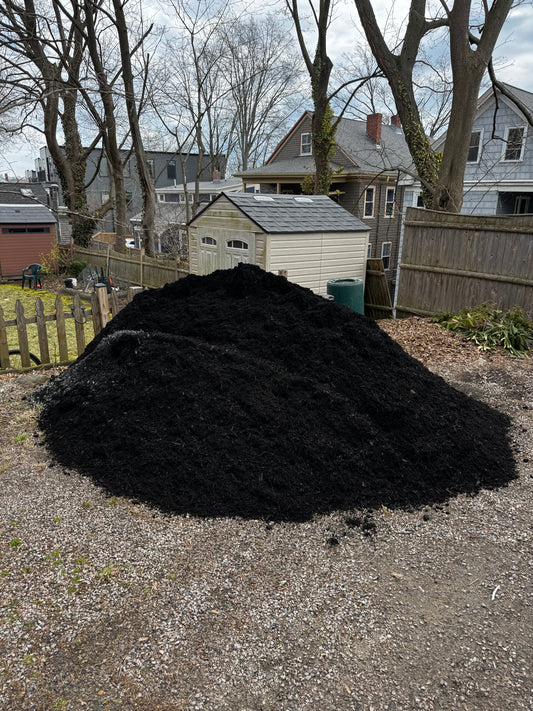
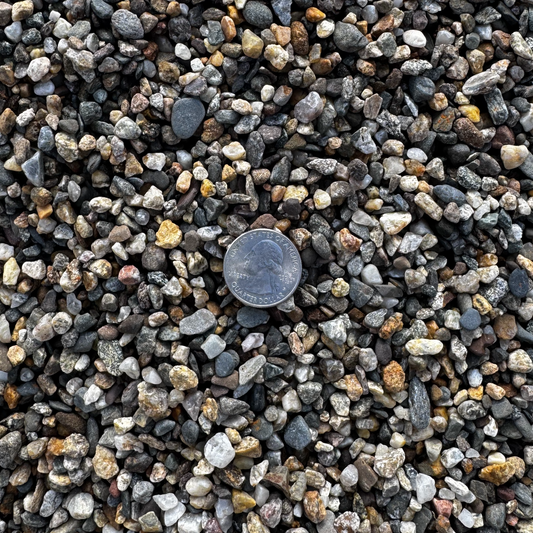
Order all three through the raised garden bed materials collection. The US Composting Council STA program is the standard for compost quality — ask the dispatcher if the source is STA-listed.
For the layering order, see how to layer a Somerville raised bed: loam, compost, and mulch in the right order.
Q: How much soil do I need to order?
A: 1.2 cubic yards for a 4x8x12 bed. Convert: bed length × width × depth in feet, divided by 27. A 4x8x1' bed = 32 cubic feet = 1.18 cubic yards. Round up — settling eats 5–10% in year one.
For a Watertown loam delivery walkthrough, see how to order a yard of loam for a Watertown raised bed build.
Q: Where should I put the bed?
A: Six-plus hours of direct sun, level ground, near a hose bib. Sun is the non-negotiable — fewer than 6 hours and tomato production tanks. In Plymouth County, the south or southwest side of the house is usually the call. Avoid the dripline of mature oaks and pines — root competition will pull water out from under your vegetables faster than you can replace it.
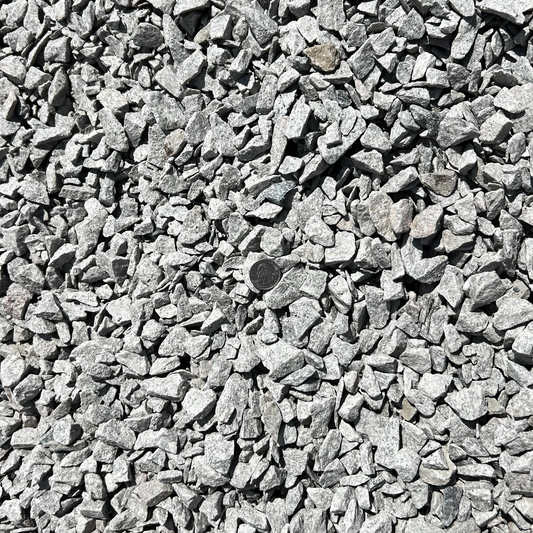
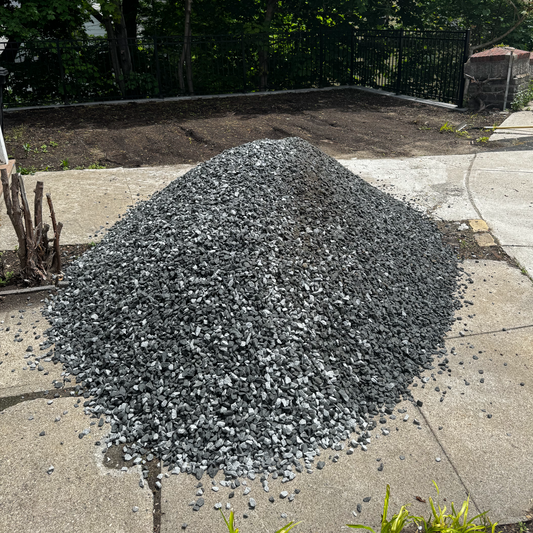
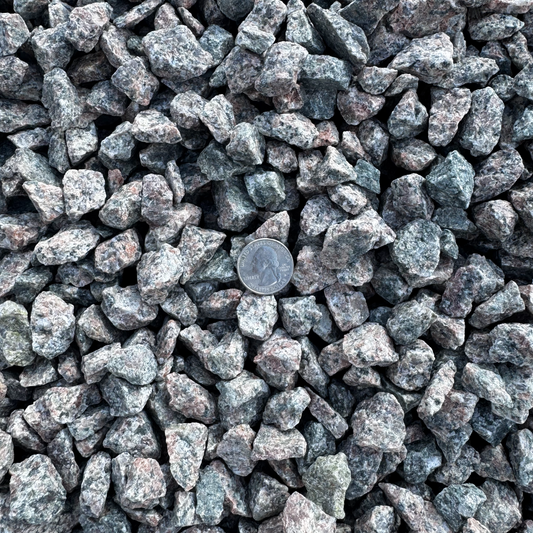
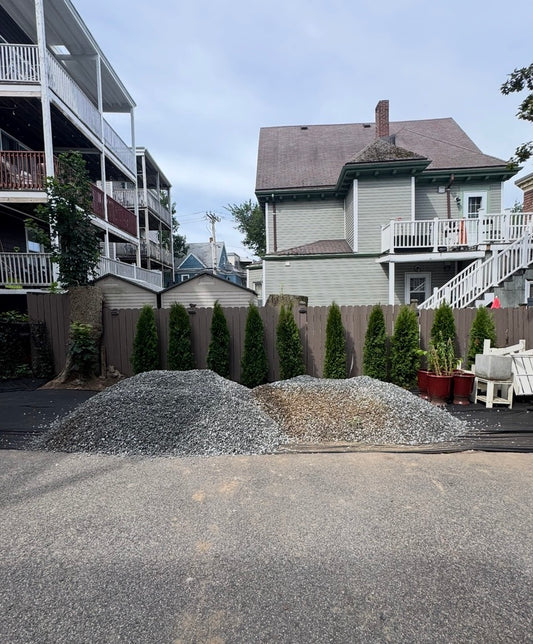
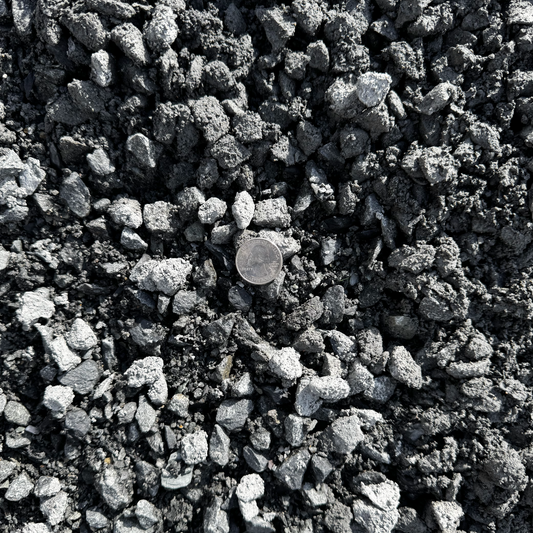
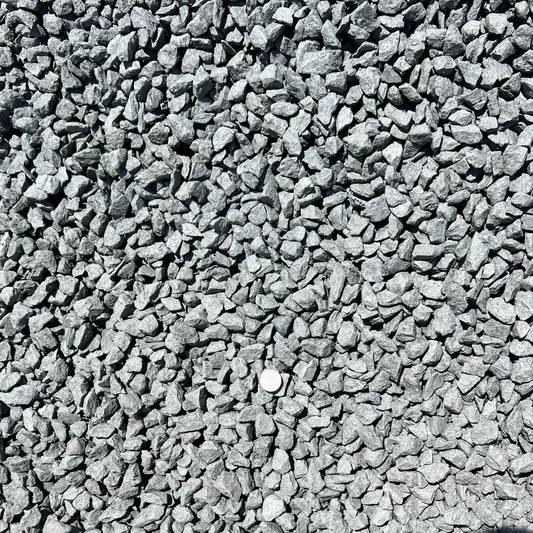
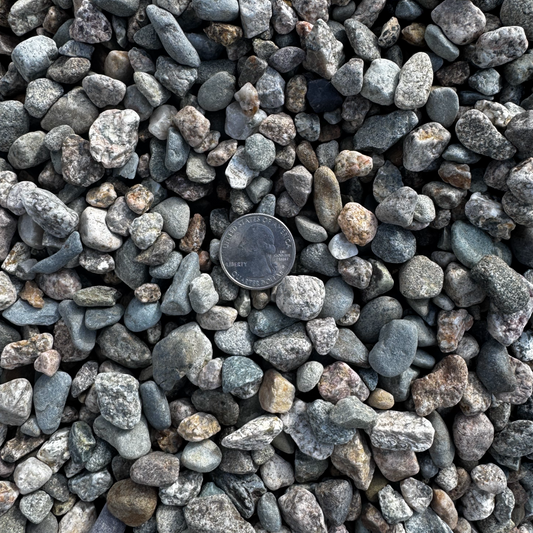
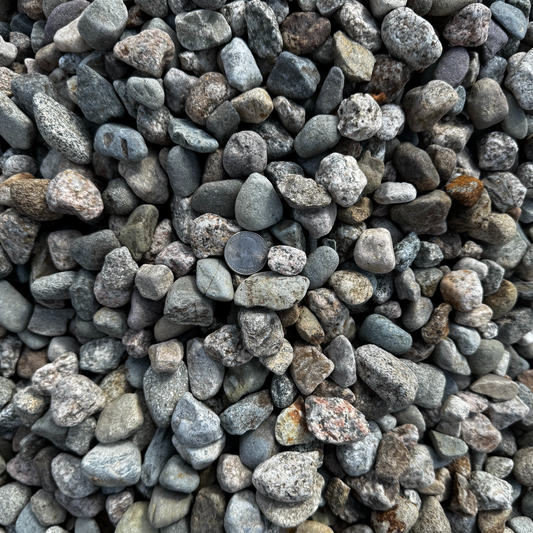
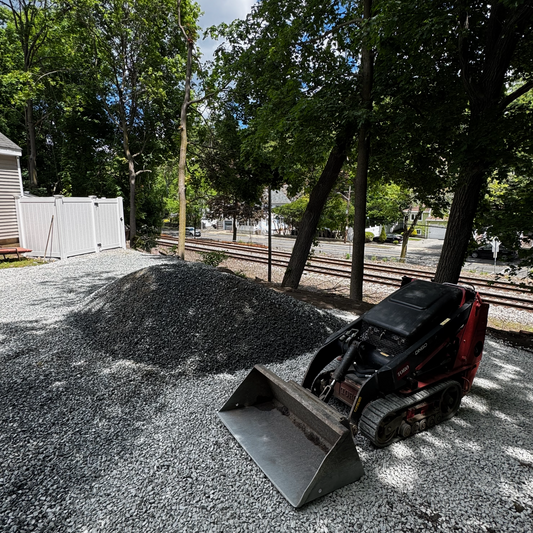
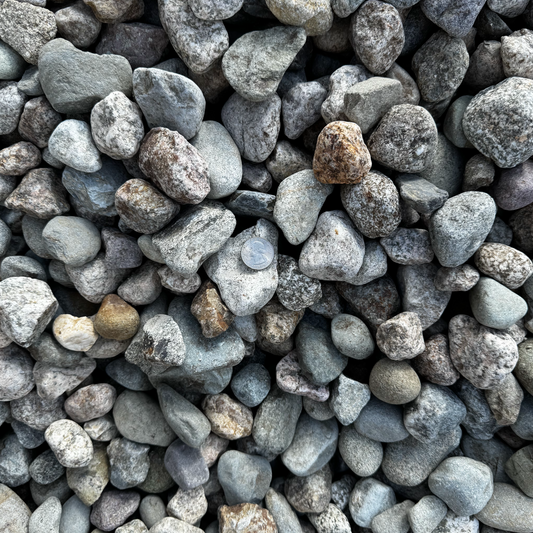
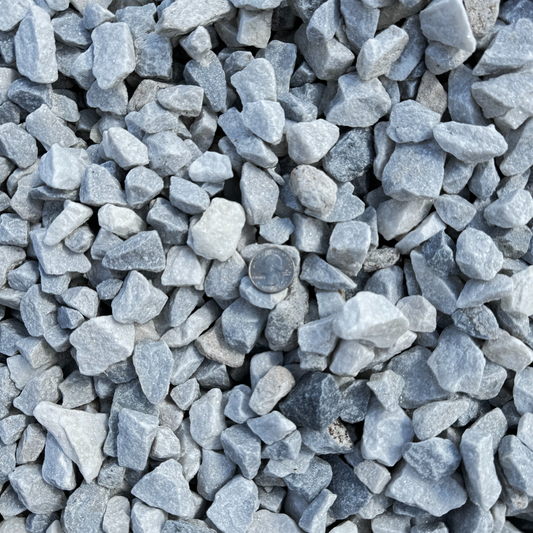
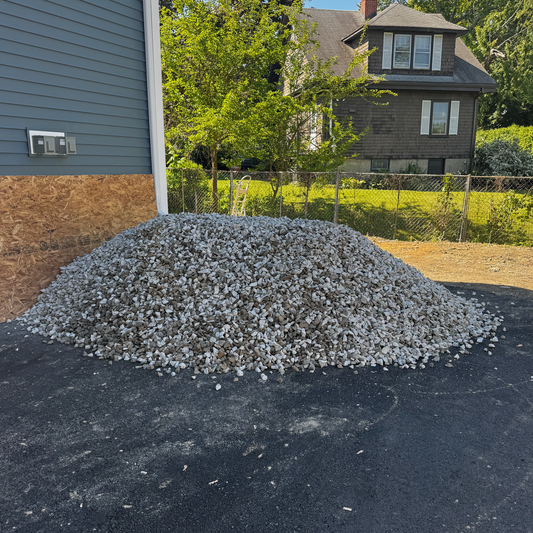
Level ground saves you from having to scribe the bed to a slope. If your only sunny spot slopes, level the footprint with crushed stone or a thin layer of dense pack ¾" before setting the frame.
Q: When can I plant?
A: Cool-season crops once soil hits 50°F (typically late March in Plymouth, mid-April in interior Plymouth County). Warm-season crops after the last frost, usually May 15.
The Plymouth coastline is warmer than Halifax or Bridgewater — it can hit planting temp two weeks earlier. The UMass Vegetable Program publishes a planting calendar tuned to MA conditions.
For five crops to plant at the end of March, see 5 crops to plant in a Plymouth raised bed at the end of March.
Q: Do I need landscape fabric on the bottom?
A: Hardware cloth yes, fabric no. ½" hardware cloth stapled to the bottom of the frame keeps voles from tunneling up. Landscape fabric blocks earthworm and root movement and tends to clog over time — skip it.
Q: How do I keep deer out?
A: 8-foot fencing or a 4-foot fence with a 2-foot top extension at 45°. Deer can clear 6 feet flat. They struggle with the angled top — it visually confuses the jump. In central Plymouth County the deer pressure is heavy enough that this is non-negotiable.
For drainage around the bed if you're on a slope or low spot, what goes in a French drain? A complete Massachusetts homeowner guide covers the geometry.
Q: What's the first-year yield I should expect?
A: 60–70% of a mature bed. Year one the soil biology is still establishing. Tomatoes give you a respectable but not abundant crop, lettuce and greens go great, and root crops (carrots, beets) are usually small the first season. Year two everything balances. Year three is peak.
Q: How much will the whole project cost?
A: $350–$420 for a single 4x8 cedar bed in Plymouth County.
- Cedar lumber (3 boards, 2x12x8'): $180–$240
- Hardware (deck screws, hardware cloth): $20
- Soil (1.2 yards blended): $70–$85
- Drip irrigation kit (optional): $40
- Stakes for plant support: $20
A second bed runs cheaper — bulk soil delivery has a fixed trucking component, so two beds at once amortizes the haul fee.
The Plymouth County Build Calendar
- Mid-March: Frame assembly, hardware cloth, site leveling.
- Late March: Soil delivery and fill. Soil temps usually hit 45°F by week 4.
- Early April: Direct-sow peas, lettuce, spinach, radishes once soil hits 50°F.
- Mid-May: Transplant tomatoes, peppers, basil after last frost.
- June–September: Harvest, side-dress with compost mid-season, water 1–1.5" weekly.
- October: Pull spent crops, top with 2" compost, mulch with shredded leaves for winter.
For a regional view of what's moving in Plymouth County materials, the 2026 Plymouth County outlook walks through pricing and timing across the county.
The short version: pick cedar, mix 60/30/10, get 6+ hours of sun, and plant cool-season crops first. A first bed pays for itself in three seasons of vegetables and ten years of stable yield.