Quick Answer
The five crops that go in a Plymouth raised bed by March 28: peas (snap and shelling, direct-sown 1" deep), lettuce (loose-leaf cultivars, direct-sown shallow), radishes (28-day quick-cycle), spinach (long-day cultivars before bolt pressure), and kale (cold-hardy, transplants out reliably). All five tolerate frosts down to 28°F and germinate in soil at 45–50°F. Plymouth's coastal moderation gives you a 1–2 week jump on inland MA gardens.
Why Plymouth Plants Earlier Than Boston
Plymouth's coastal exposure shifts the planting calendar by about 10 days vs. Boston in spring. The Atlantic moderates overnight lows, soil temps climb 1–2 weeks faster than Halifax or Bridgewater, and the last frost lands closer to April 25 vs. Boston's May 5–10.
By March 28, soil temps in a south-facing Plymouth raised bed sit at 48–52°F — cool-season crops germinate at 45°F+ — and overnight lows have stabilized above 28°F most years. The five crops below are the ones that handle this window reliably.
For broader Plymouth growing context, the 2026 Plymouth County outlook covers the regional picture. For the exact frost timing for nearby Boston, see when is the last frost in Boston? Planning around Zone 6b reality.
#1 — Peas (Snap or Shelling)
The Plymouth raised-bed kickoff crop. Snap peas ('Sugar Snap,' 'Cascadia') and shelling peas ('Green Arrow,' 'Lincoln') both germinate at 45°F and tolerate light frost. Direct-sow 1 inch deep, 2 inches apart along a trellis or fence line.
Why now: Peas hate heat. Plant by April 5 in Plymouth or you'll be picking through hot June and watching plants die back. Late March planting peaks in late June — perfect timing.
Yield: 1–1.5 lbs per row foot for snap peas; 0.5–0.75 lbs shelled peas per row foot.
Pair with: A 5–6 ft bamboo trellis or wire-mesh panel along the back of the bed. Don't bother with low-fence pea cultivars — even "bush" peas climb 3 ft.
For starting peas indoors as backup if outdoor conditions stall, see 5 vegetables to start indoors in mid-January for Plymouth County gardens.
#2 — Lettuce (Loose-Leaf, Butter, Romaine)
Direct-sow lettuce shallowly — ¼ inch deep, ½ inch between seeds, thin to 6"–8" spacing as plants grow. Loose-leaf cultivars ('Black Seeded Simpson,' 'Red Sails') give you the longest harvest window via cut-and-come-again. Butterhead ('Buttercrunch,' 'Tom Thumb') and romaine ('Parris Island,' 'Little Caesar') want full heads, harvest once.
Why now: Lettuce germinates at 40°F, bolts at sustained 75°F+. Plymouth's cool spring gives you 8–10 weeks of quality lettuce from a March 28 planting before bolt pressure starts in mid-June.
Yield: 4–6 oz per plant for heads; cut-and-come-again loose-leaf delivers 3–4 cuts before bolt.
Pair with: Floating row cover (lightweight, breathable) over the bed for the first 3 weeks — keeps overnight temps 4–6°F warmer and excludes early flea beetles.
#3 — Radishes (28-Day Quick Cycle)
The fastest crop in the bed. 'Cherry Belle,' 'French Breakfast,' 'Easter Egg' all mature in 25–30 days. Direct-sow ½ inch deep, 1 inch apart in rows or broadcast across a small section.
Why now: Radishes germinate at 45°F and produce best at cool temps. Plant March 28 → harvest April 25. They're also the bed-warming intercrop — they break up soil as they grow, marking rows where slower lettuce or spinach is germinating beside them.
Yield: ~1 oz per radish, 30–50 radishes per row foot at proper spacing.
Pair with: Interplant between lettuce rows. The radishes harvest before the lettuce needs the space.
#4 — Spinach (Long-Day Cultivars Only)
Direct-sow spinach ½ inch deep, 1 inch apart, thin to 4–6 inches. Critical: pick long-day cultivars ('Bloomsdale,' 'Tyee,' 'Space') for a March planting — short-day cultivars bolt the first week of June.
Why now: Spinach germinates at 40°F and bolts at 60°F+ daytime temps. Plymouth's coastal moderation extends the spinach window by about 10 days vs. Worcester County. A March 28 planting harvests through May 25.
Yield: 2–3 oz of leaf per plant in cut-and-come-again mode; 4–6 oz per plant if harvested whole.
Pair with: Same row cover as lettuce. Spinach is also a candidate for indoor seed-starting — see indoor seed starting schedule for a Somerville triple-decker (Zone 6b) for the schedule.
#5 — Kale (Transplant Cold-Hardy Cultivars)
Set out hardened-off kale transplants by March 28. 'Winterbor,' 'Red Russian,' 'Lacinato' (dinosaur kale) all tolerate frost down to 25°F. Space at 18 inches apart.
Why now: Kale grows at temps that stop most other crops. Setting out transplants in late March gets you full-size leaves by mid-May, primed for harvest through July before summer heat slows growth.
Yield: 1.5–2 lbs of leaf per plant over a 12-week harvest window; cut outer leaves and the plant keeps producing.
Pair with: A second succession in mid-July for fall harvest — kale is one of the few crops that's truly two-season in MA.
For Cornell Cooperative Extension Northeast crop guides as a peer reference, the Northeast Vegetable Production Guide complements UMass and is freely available online.
What Doesn't Go In Yet
Hold off on these for 4–6 more weeks (transplant out after May 15):
- Tomatoes, peppers, eggplant — frost-sensitive, want soil at 60°F+
- Cucumbers, squash, beans — germinate at 60°F+, last frost killer
- Basil and other tender herbs — wait until soil hits 60°F
For broader frost-timing guidance and Zone 6b context, the USDA Plant Hardiness Zone Map shows Plymouth's exact zone classification (mostly 7a along the coast, 6b interior).
The Plymouth End-of-March Order
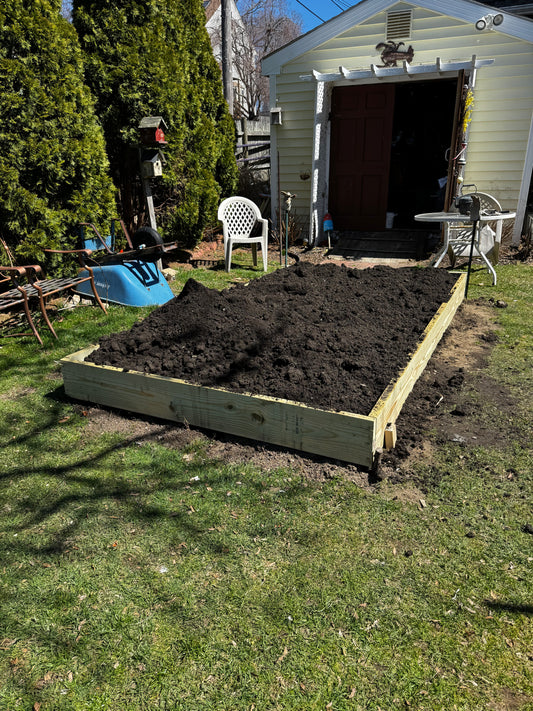
For a 4x8 raised bed with all five crops:
- Peas: 1 packet (~$3)
- Lettuce: 2 packets (loose-leaf + butterhead, ~$6)
- Radishes: 1 packet (~$3)
- Spinach: 1 packet long-day cultivar (~$4)
- Kale: 6 transplants from local nursery (~$18)
- Floating row cover (10x20 ft, optional): $20
- Total seed/transplant cost: $34–$54
Plant Saturday or Sunday afternoon after warming through midday. Water lightly. Check germination at day 7 for radishes, day 10 for lettuce/peas/spinach.
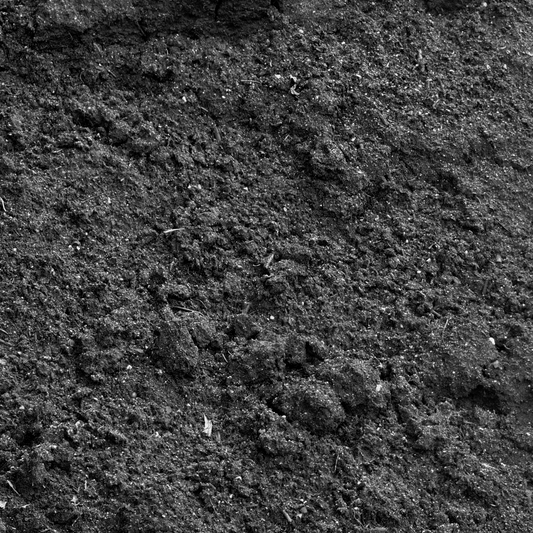
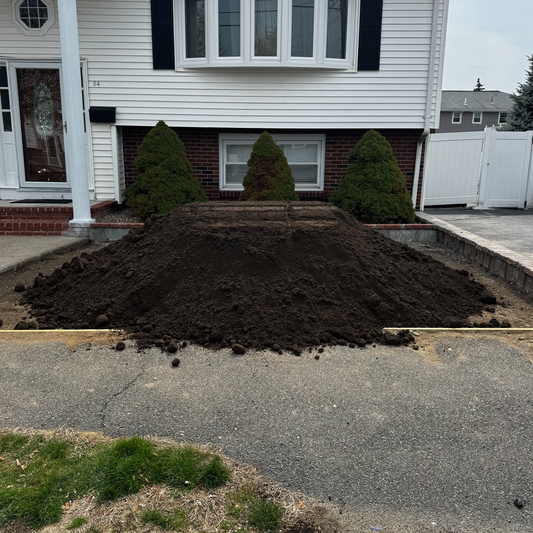
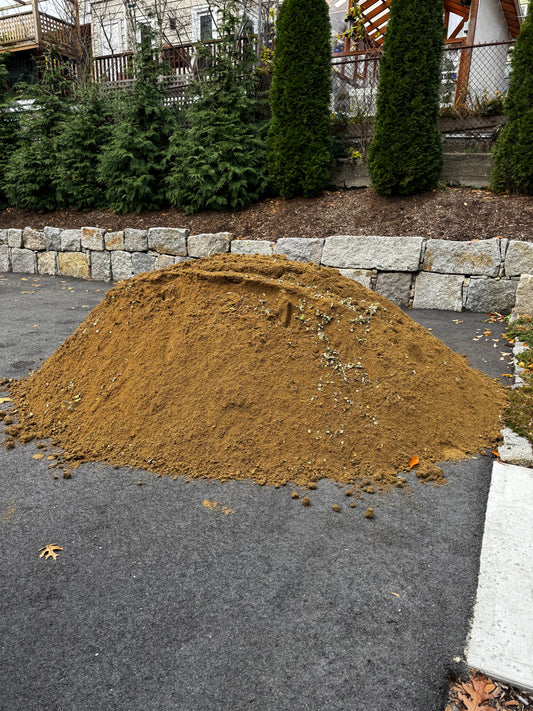
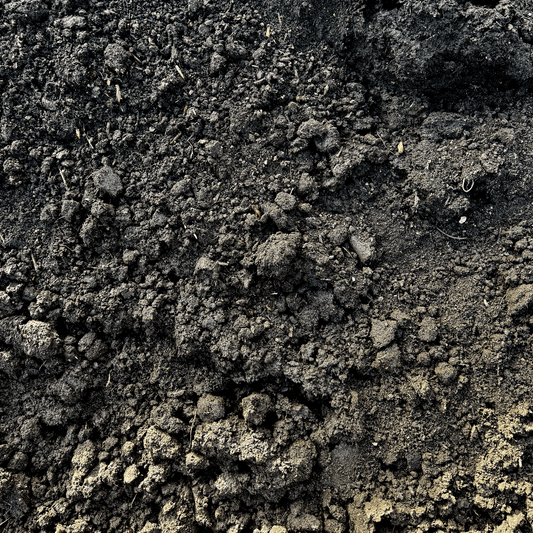
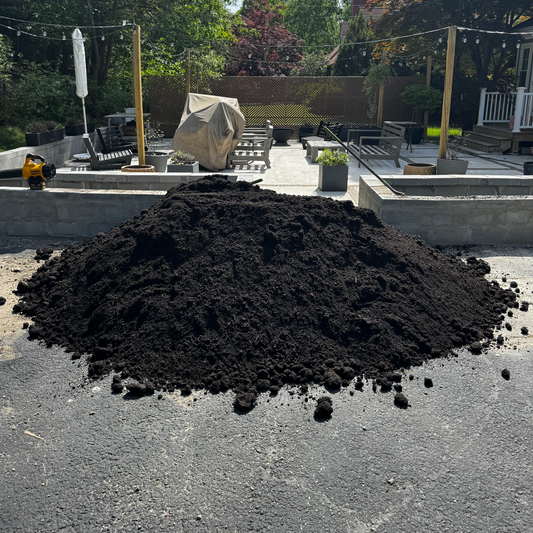
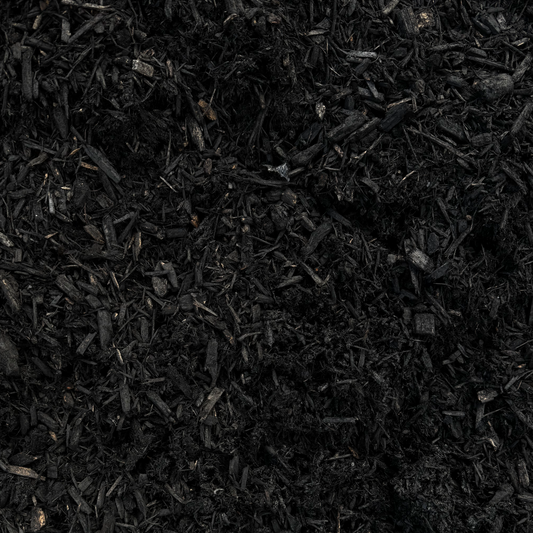
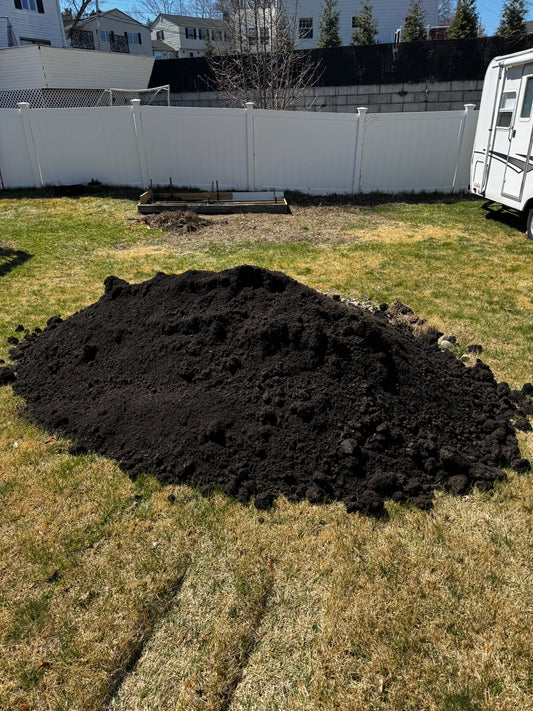
For broader vegetable-specific guidance and crop-by-crop fertility recommendations, the UMass Vegetable Program is the most authoritative MA-tuned source. For the bed itself, ensure the soil is right via the raised garden bed materials collection.
The short version: peas, lettuce, radishes, spinach, kale. Direct-sow four, transplant one. Plymouth's coastal moderation gets you a 10-day jump over Boston. Plant by March 28, harvest starts April 25.