Quick Answer
The five vegetables Plymouth County gardeners should start indoors in mid-January: onions (8-10 weeks to transplant), leeks (10-12 weeks), celery (10-12 weeks, painfully slow germination), parsley (8 weeks, slow start), and artichokes (annual culture in MA — 12 weeks of indoor growth plus a cold-trick to fool the plant into thinking it's a second year). Get these going by January 31 and they're field-ready when Plymouth County beds open up in mid-to-late April.
Why January and Not February
Plymouth County straddles Zone 6b inland (Halifax, Middleborough, Carver) and Zone 7a along the coast (Plymouth, Duxbury, Marshfield). The growing season averages 170 days inland, 185 along the coast. That sounds long, but the vegetables on this list need the front end of it — they're slow growers that won't size up if you start them in March, and you'll lose the harvest window to late-summer frost.
The five below all share a profile: slow germination, slow seedling growth, frost-tolerant transplant, and yields that depend on a long indoor head start. Anything faster (tomatoes, peppers, lettuce) waits until February or March. For the full schedule on faster crops, see Indoor Seed Starting Schedule for a Somerville Triple-Decker (Zone 6b).
#1 — Onions
Why now: From-seed onions take 8-10 weeks indoors plus another 90-110 days in the ground to size up to a full bulb. Plymouth County summer days hit the 14+ hour threshold long-day storage onions need only between mid-May and mid-July. Start January 17-25, transplant April 18-25, harvest late August.
Best varieties for Plymouth County: 'Patterson' (yellow long-day storage — keeps 8-10 months), 'Red Wing' (red storage), 'Walla Walla' (sweet — eat fresh, doesn't store).
Method: Sow 1/2" deep in 4" pots, 8-12 seeds per pot — they don't need cell division. Trim tops to 3" when they reach 6" — directs energy to bulb. Keep at 60-65 F.
#2 — Leeks
Why now: Leeks need 10-12 weeks indoors to develop a pencil-thick base before transplant. Plymouth County leeks are typically harvested October through December (some growers leave them under straw mulch into January). The longer the indoor start, the bigger the harvest stalk.
Best varieties: 'Lancelot' (90-day, reliable), 'King Richard' (early, lighter cold tolerance), 'Bandit' (overwintering — survives a Plymouth County winter under mulch).
Method: Same as onions — pot, not cell. Trim top growth same way. Plant out April 25 - May 5 in trenches, then hill the soil up the stem as they grow. The hilling produces the white blanched stem.
#3 — Celery
Why now: Celery is the slowest germinator on this list. Seeds can take 14-21 days to break ground, then another 8-10 weeks to grow into a transplantable seedling. Plymouth County celery wants planting out around Memorial Day weekend after a careful hardening-off; from-seed start in mid-January gives you that window.
Best varieties: 'Tango' (heat-tolerant, less stringy), 'Conquistador' (early), 'Redventure' (red — striking and slightly sweeter).
Method: Surface-press the seed (it needs light to germinate), cover lightly with vermiculite. Bottom-water only — overhead watering buries the seed too deep. Be patient with germination; don't reseed at day 10.
#4 — Parsley
Why now: Parsley is also slow to germinate (10-21 days, sometimes longer if you don't soak the seed for 24 hours first). Transplants well, but a January start means you've got fully filled-out plants ready to set in mid-April when most Plymouth County herb beds get refreshed. Direct-sown parsley in May is still struggling in late June.
Best varieties: 'Giant of Italy' (flat-leaf, vigorous), 'Forest Green' (curly, deep color, holds shape), 'Hamburg' (root parsley — grow for the parsnip-like root, not the leaf).
Method: Soak seed overnight in warm water before sowing. 1/4" deep in cells. Bottom heat helps. Plant out April 15-25.
#5 — Artichokes
Why now: This one's the wild card. Artichokes are perennial in California and the Mediterranean; in Plymouth County we grow them as annuals. To get a harvest the same season, you need to (a) start by mid-January, (b) grow them in 4" pots until they have 6-8 true leaves, then (c) "vernalize" them — fool them into thinking they've gone through a winter — by setting them outside or in a cold garage at 45-50 F for 10-14 days when they're roughly 8" tall. They flower the same year only if you do this.
Best variety for MA: 'Imperial Star' is the bred-for-annual-culture cultivar. Skip 'Green Globe' unless you've got a heated greenhouse.
Method: Sow 1/2" deep in 4" pots, 70-75 F bottom heat for germination. Drop to 60 F after sprouting. Vernalize in March. Transplant out May 15-25 once nights are reliably above 45 F.
What You'll Need by Plant-Out
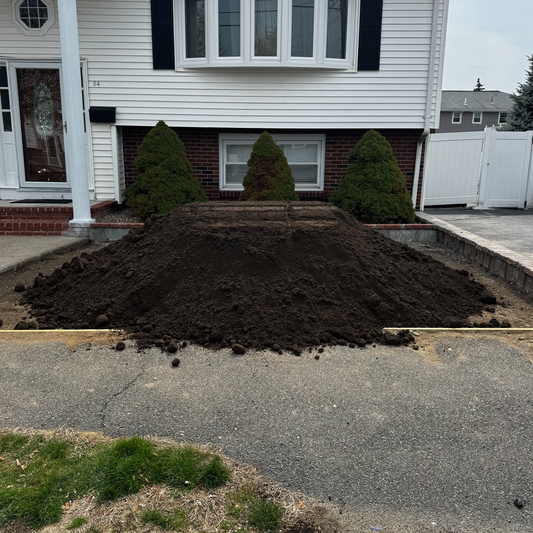
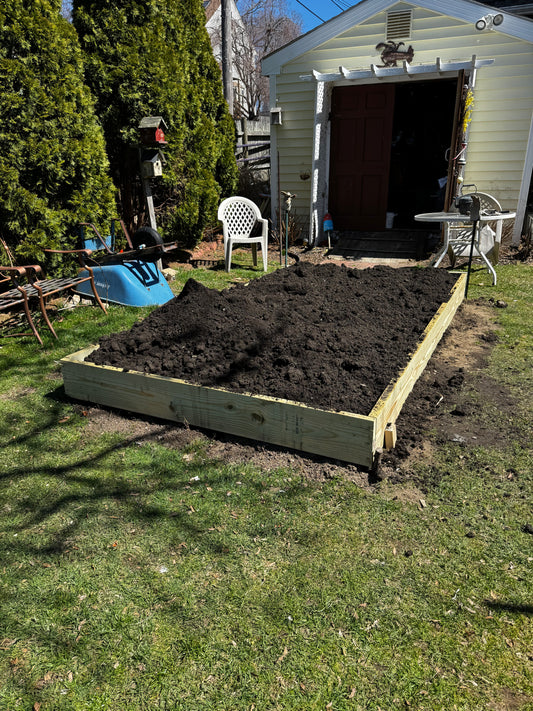
A January seed start commits you to a spring delivery of bed materials. Most Plymouth County vegetable gardeners running this list build or refresh 2-4 raised beds in mid-April. Plan now:
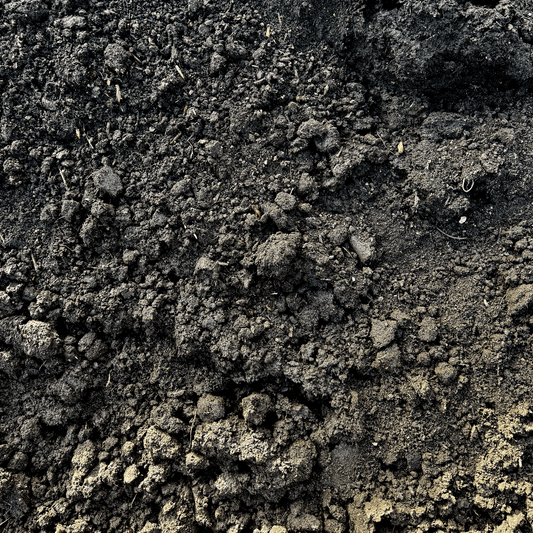
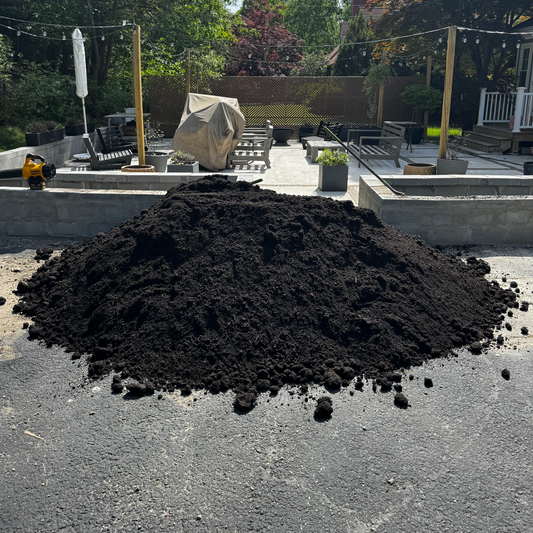
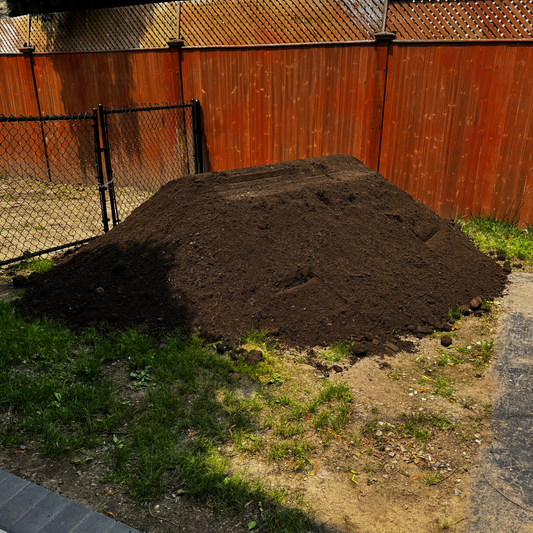
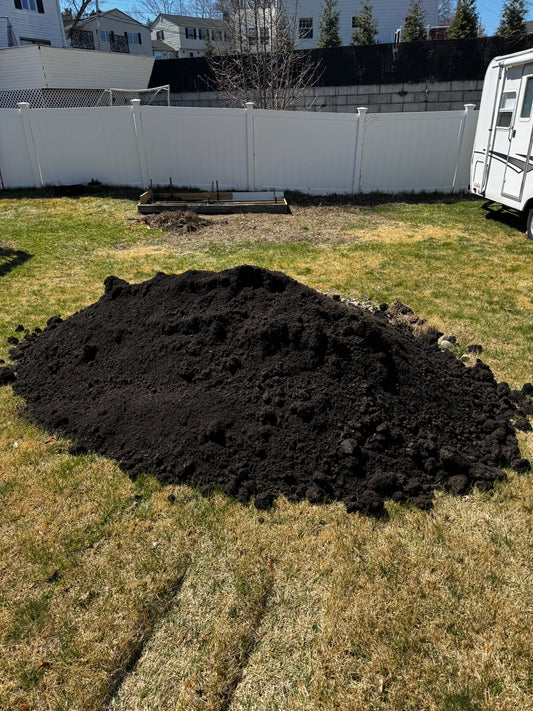
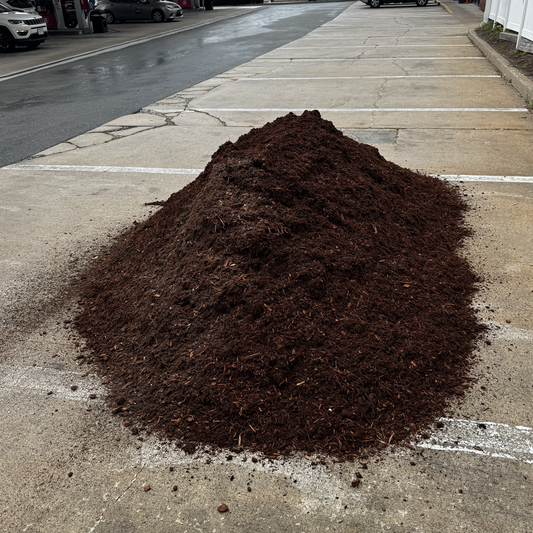
- 1-2 cubic yards screened loam per 4'x8' bed (12" deep)
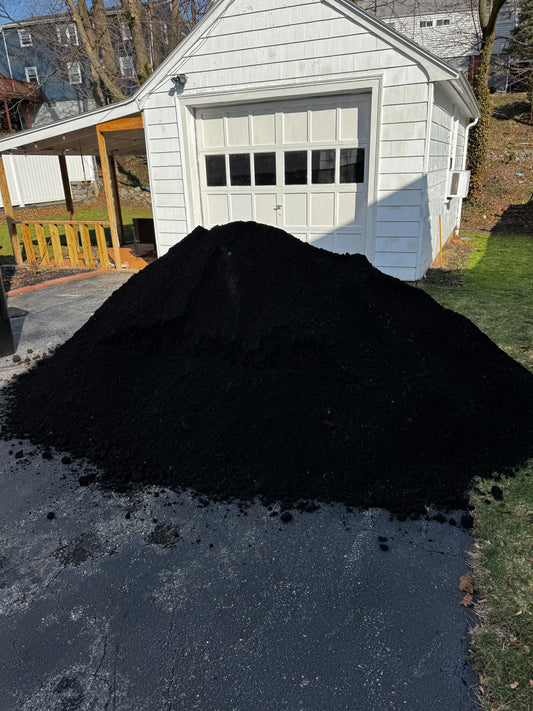
- 0.5 cubic yard compost per bed
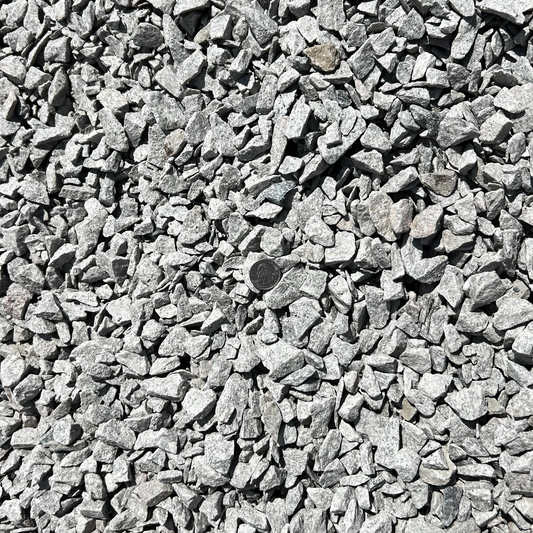
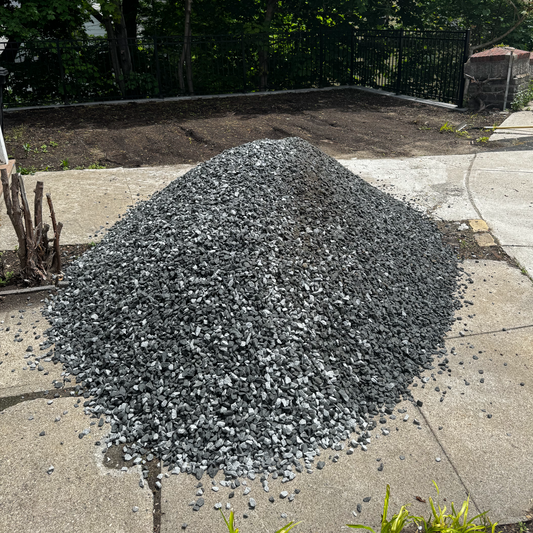
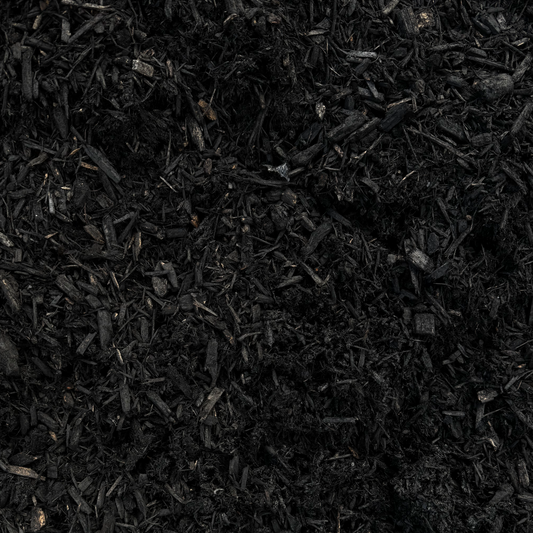
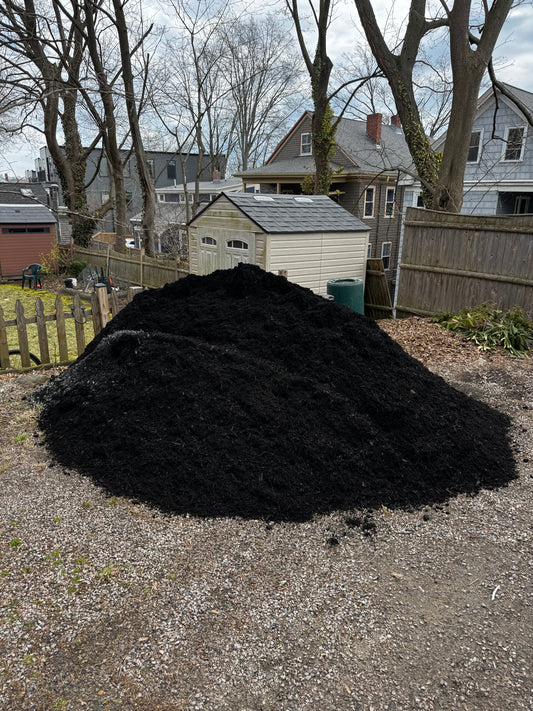
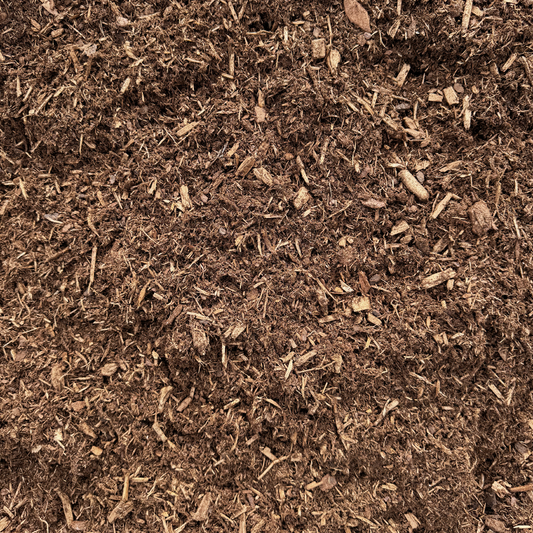
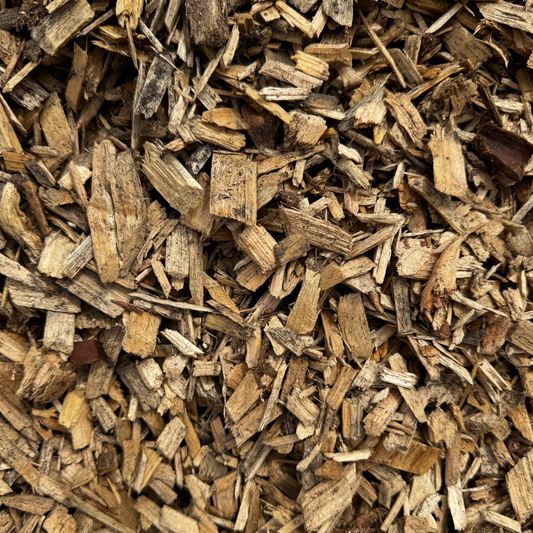
- 1-2 cubic yards mulch for paths and bed-edge
- Optional: lime if your soil test came back acidic (most Plymouth County soils run pH 5.4-5.8)
Browse the Raised Garden Bed Materials collection and the full Ottr catalog for current bulk pricing. For Plymouth County delivery scheduling, the Plymouth landscape supply collection has the routing.
For a side-by-side seed schedule from a Boston perspective, see Indoor Seed Starting Schedule for a Somerville Triple-Decker (Zone 6b). For zone-reading specifics across west Boston, see How to Read the USDA Hardiness Zone Map for Roslindale and West Boston Neighborhoods. For a spring lawn-erosion fix on coastal Plymouth County properties (which often run into the same January-planning calendar), see How to Stop Lawn Erosion on a Sloped Marshfield Yard.
For the most authoritative MA cultivar recommendations, the UMass Extension Vegetable Program is the source. For zone confirmation, check the USDA Plant Hardiness Zone Map — Plymouth County coastal areas moved to 7a in the 2023 revision.