Quick Answer
To stop lawn erosion on a sloped Marshfield yard: build a stone toe at the bottom of the slope, terrace mid-slope into 2–3 contour benches, lay erosion-control fabric (jute or coir) across freshly graded soil, seed with a deep-rooting cool-season grass mix, and plant native ground cover at the top edge to interrupt sheet flow. The combined fix holds the slope through 5+ years of nor'easter rain. The wrong fix — just adding loam and reseeding — washes out by August.
Why Marshfield Slopes Erode
Marshfield's geography is the cause. The town sits on glacial moraine and former coastal wetland; the slopes from the upland down toward the marsh and the ocean see exactly the kind of intense rain runoff that strips topsoil. Add a typical residential lawn (shallow-rooted Kentucky bluegrass, 4 inches of loam over compacted subsoil) and the slope can lose 1–2 inches of soil per heavy storm.
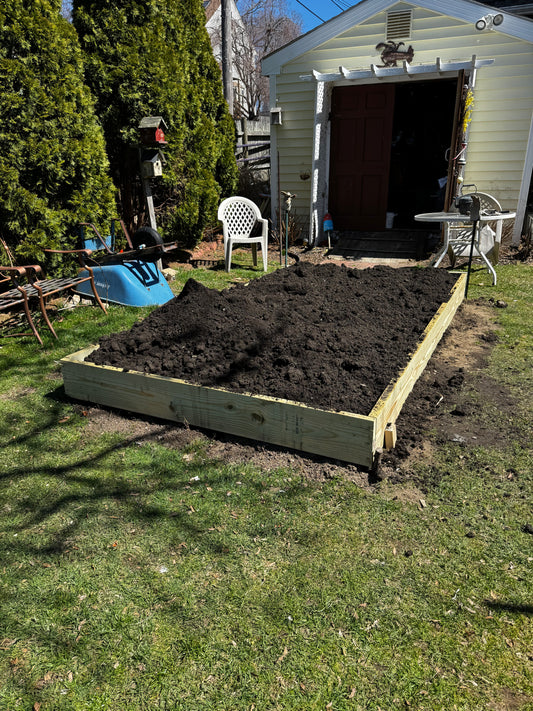
By April, the Marshfield slope shows: bare dirt strips where water channeled, exposed roots, and a delta of washed soil and mulch at the bottom. Without intervention, this gets worse every year.
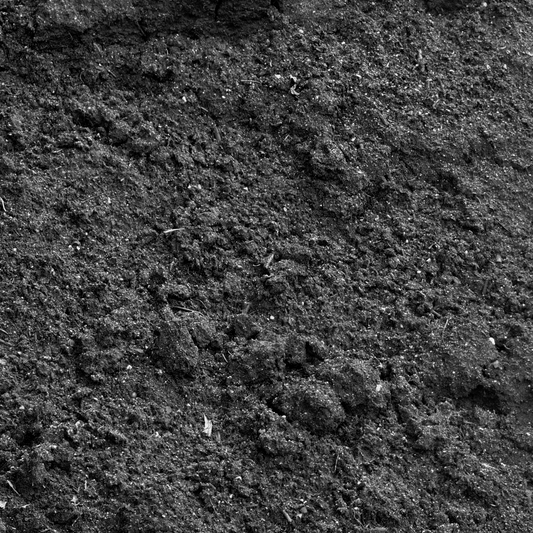
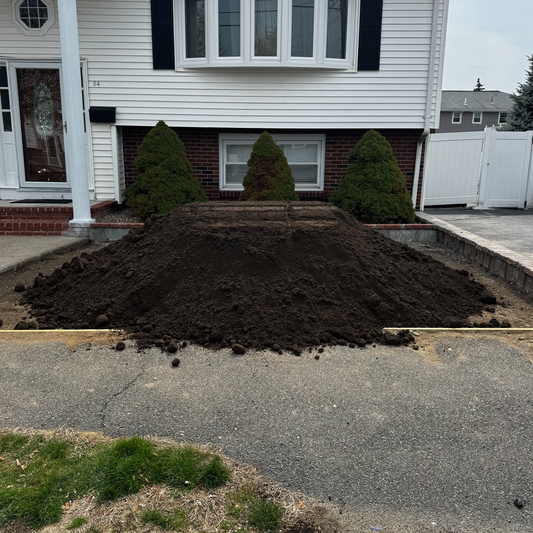
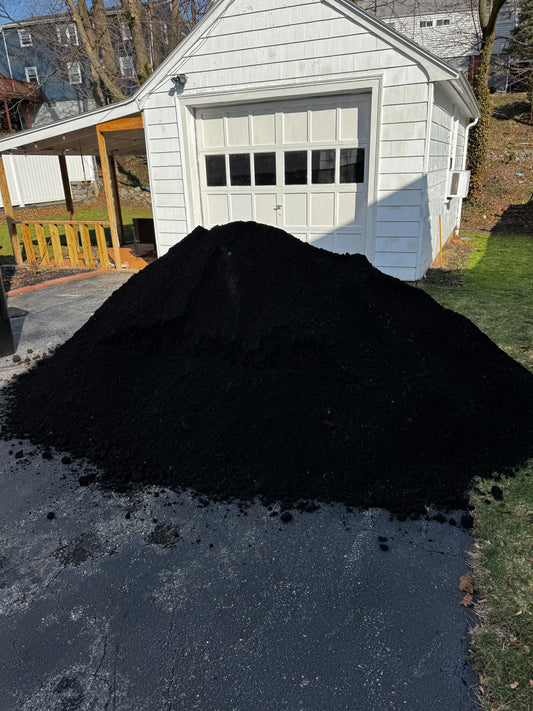
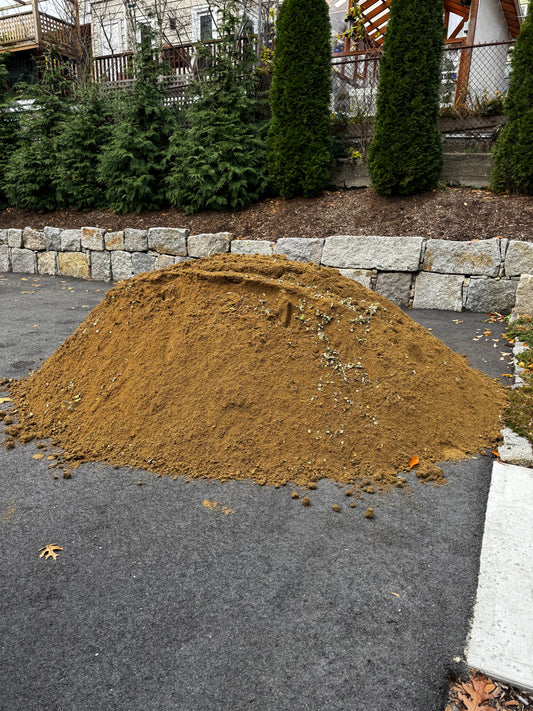
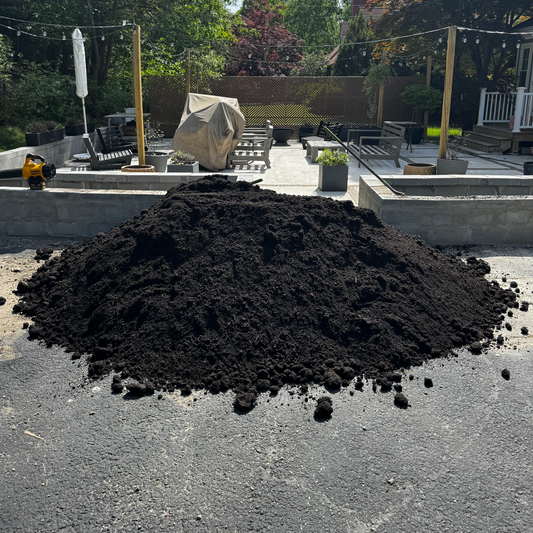
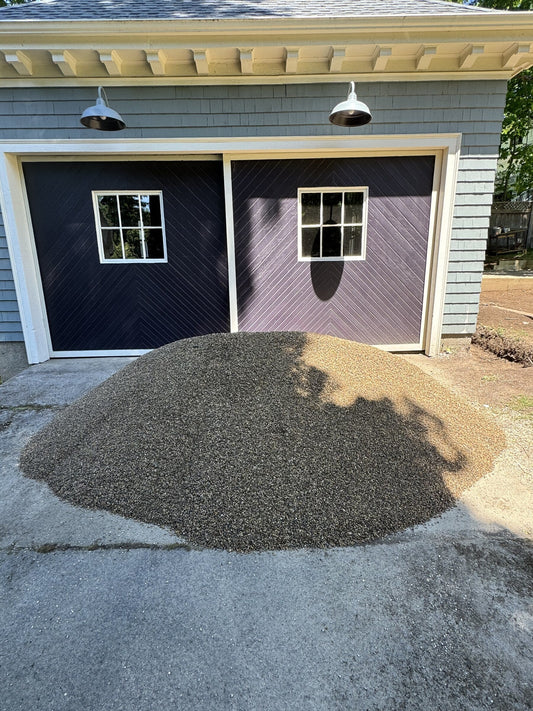
The fix is multi-layered. Browse the full Ottr catalog for the materials below — loam, erosion stone, fabric, and seed.
Step 1: Assess the Slope (30 minutes)
Walk the slope. Identify:
- Channel zones — visible runoff paths where water concentrates
- Sheet zones — broader areas where water moves as a thin layer
- Toe — the bottom edge of the slope where eroded material is collecting
- Top edge — where sheet flow originates from upslope hardscape or lawn
The fix sequence works from the bottom up: stabilize the toe first, then build mid-slope structures, then plant the top.
Slopes steeper than 3:1 (3 horizontal feet for every 1 vertical foot) need engineered solutions — terraced walls with drainage. The sequence below works for slopes between 5:1 and 3:1, which covers most residential Marshfield yards.
Step 2: Build the Stone Toe (90 minutes)
The toe is the foundation. Without it, anything done above just slides down.
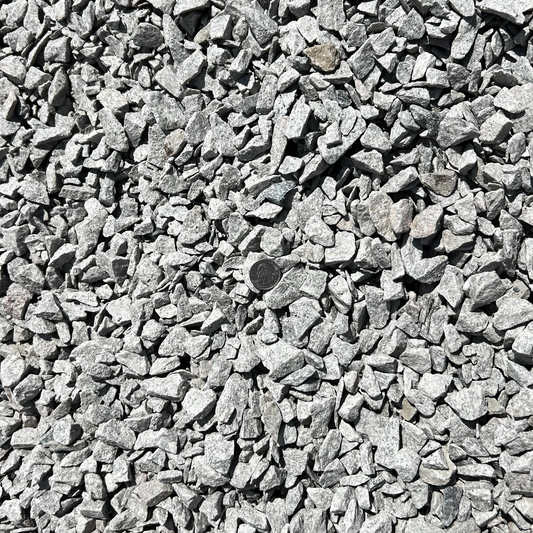
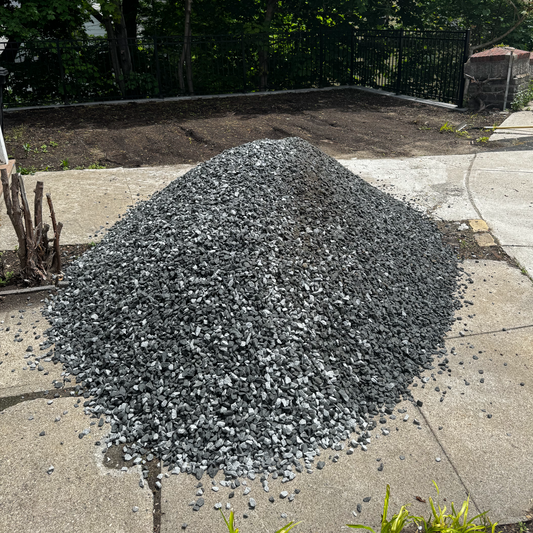
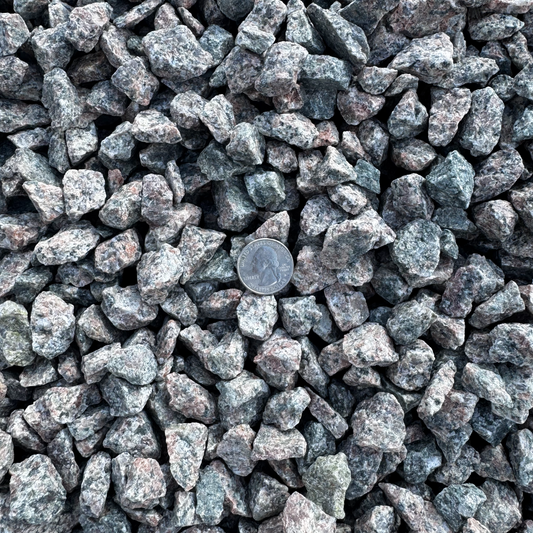
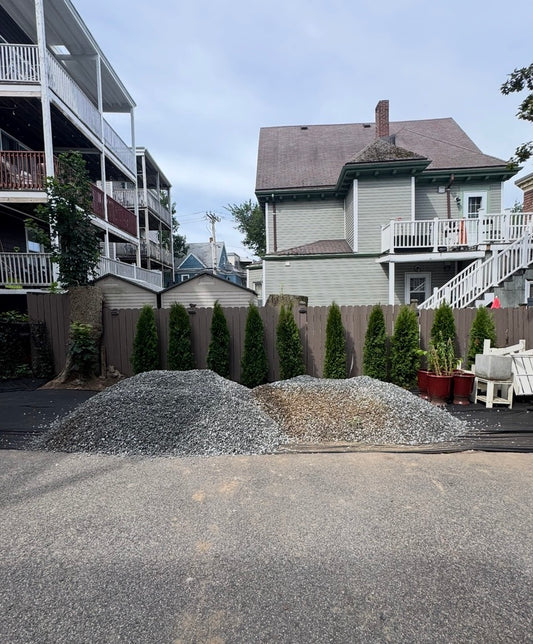
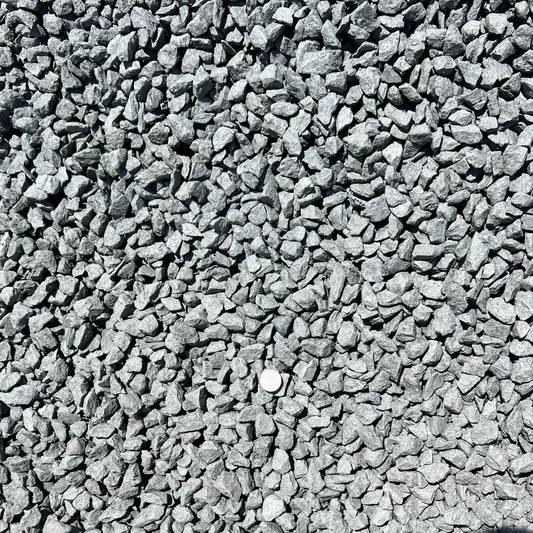
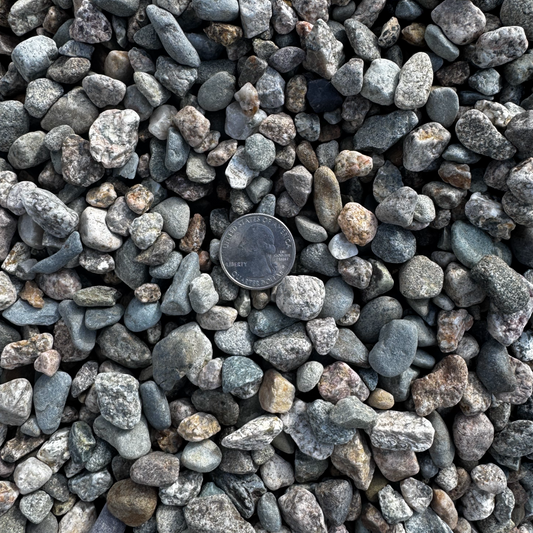
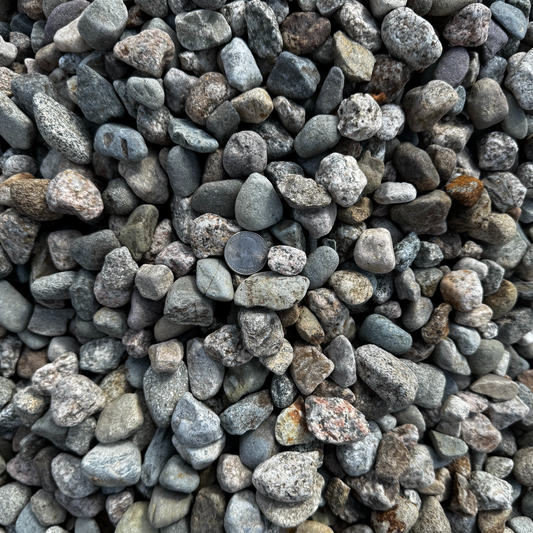
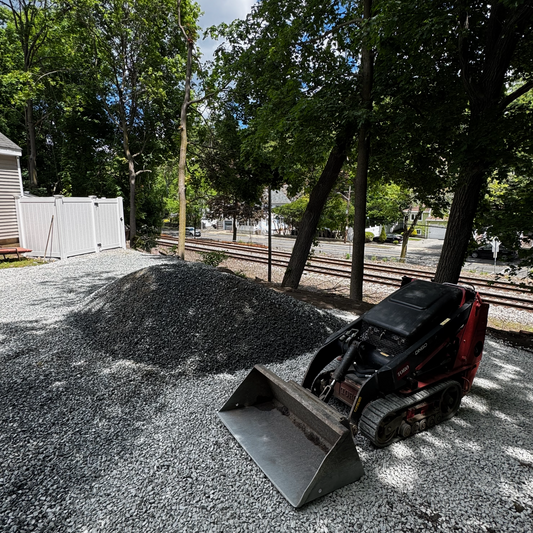
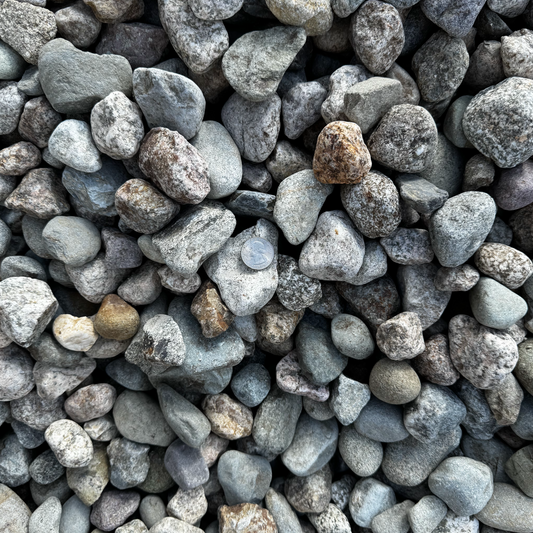
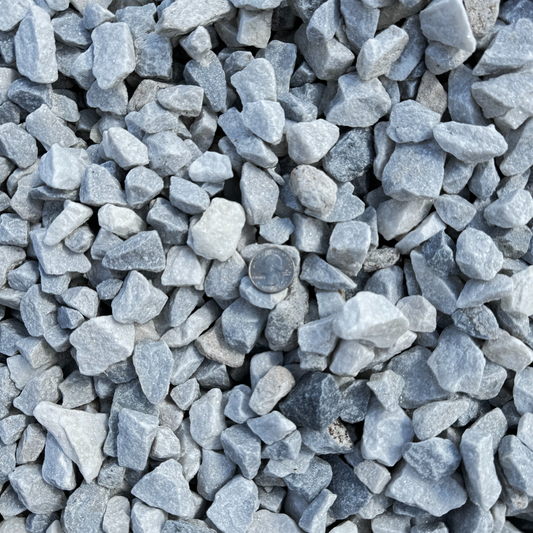
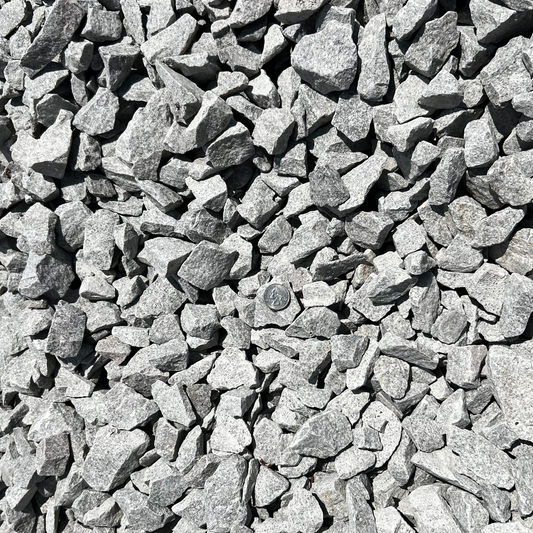
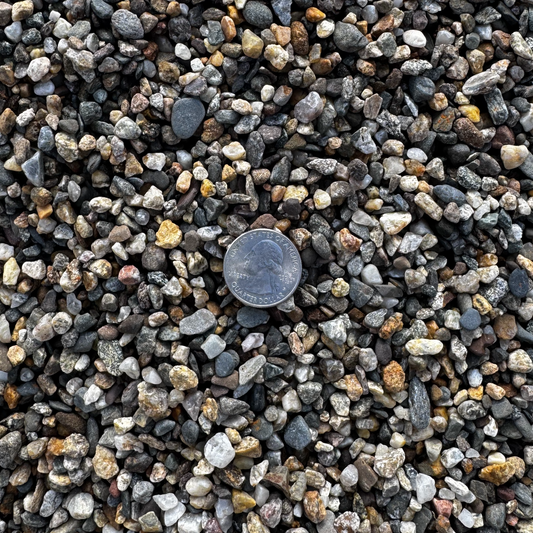
Excavate a 12-inch wide, 6-inch deep trench at the very bottom of the slope. Lay woven landscape fabric in the trench. Fill with 3-to-6-inch crushed stone or fieldstone to the surface. The stone toe creates a non-erodible apron that catches washed soil and lets water filter through without scouring.
Why this size stone: Anything smaller (3/4" or 1-1/2") will be displaced by storm runoff. The 3–6 inch stones lock together and stay put.
For broader drainage engineering relevant to slope work, see 5 Drainage Material Mistakes Common Across Norfolk County Yards.
Step 3: Terrace Mid-Slope (For Slopes Over 8 Feet Vertical)
For taller Marshfield slopes, intermediate terraces interrupt the long sheet flow that builds up speed and soil-stripping force.
How to terrace: - Cut 2-foot wide flat benches into the slope every 4–6 vertical feet - Stabilize the back of each bench with a low (12–18 inch) wallstone retaining wall - Backfill with screened loam to flatten the bench surface
Each terrace becomes its own micro-zone — water slows, soaks in, and the next sheet flow starts from a smaller drop than before.
Skip terracing for slopes under 8 feet vertical drop. They're not tall enough for sheet flow to gather destructive force.
Step 4: Spread Loam (60 minutes)
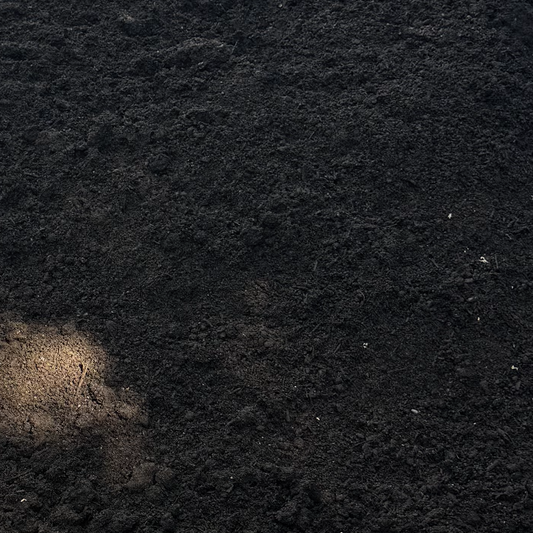
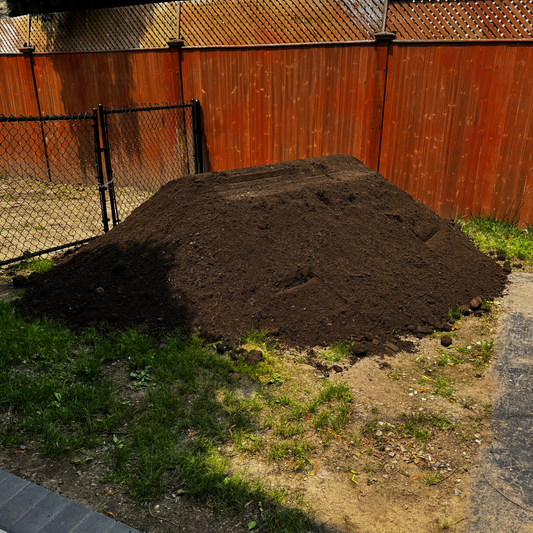
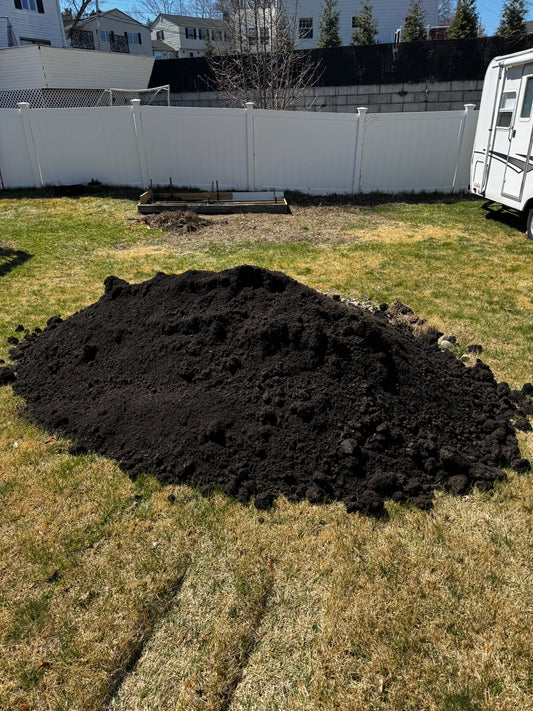
Across the entire slope (and any new terrace surfaces), spread 1–2 inches of screened loam. Don't pile it deep — too much loose soil = more erosion potential before plants establish.
For loam yardage math, see How to Calculate Mulch Yardage for a Quincy Triple-Decker Yard — same volume math applies to loam.
Rake the loam smooth. Don't worry about a perfectly even surface — slight texture helps the fabric grip.
Step 5: Lay Erosion Control Fabric (60 minutes)
This is the make-or-break step. Jute or coir erosion-control fabric (open-weave biodegradable mesh) goes over the entire slope, anchored with sod staples every 18 inches.
Lay technique: - Roll out fabric down the slope (not across), in vertical strips - Overlap each strip 4 inches with the next - Anchor with 6-inch sod staples at all four corners and every 18 inches across the surface - Pin extra staples along channel zones where water concentrates
Jute and coir biodegrade over 2–3 years — exactly the time grass needs to root deeply. The fabric holds soil and seed through every storm during that window.
The EPA stormwater management guidance covers erosion-control material specs at municipal scale; the same materials work residentially.
Step 6: Seed Through the Fabric (30 minutes)
Broadcast cool-season grass seed AT THE NORMAL APPLICATION RATE through the open weave of the fabric. The fabric is open enough that seed lands on the soil; closed enough that seed doesn't wash off.
The right seed mix for slopes: - 30% tall fescue (deep tap roots, 3+ feet down — the slope-stabilizing grass) - 30% fine fescue (drought-tough, holds dry slopes) - 25% Kentucky bluegrass (spreading rhizomes for long-term coverage) - 15% perennial ryegrass (fast germinator)
Avoid pure KBG mixes for slopes — too shallow rooted. Avoid pure ryegrass — short-lived. The deep-rooting tall fescue is the slope hero.
For more on cool-season seed choices, the UMass Turf Program is the authoritative regional reference.
Step 7: Native Ground Cover at the Top Edge
Plant a 3-foot strip of native ground cover at the very top of the slope where lawn meets walkway, patio, or upper bed. The native plants intercept sheet flow before it accelerates downslope.
Marshfield-appropriate natives: - Wild ginger (Asarum canadense) - Bearberry (Arctostaphylos uva-ursi) - Northern bayberry (Myrica pensylvanica) — small shrub - Switchgrass (Panicum virgatum) — taller, for the upper edge
For broader native-plant selection, see 5 Erosion Control Materials Compared for Coastal Plymouth County Properties — Marshfield's coastal proximity means many of the same plants apply.
Step 8: Water and Maintain (Days 1–60)
Mist twice a day for 14 days while seed germinates. Keep fabric moist but not saturated. After germination (day 10–14), shift to deeper watering 2–3 times a week through May–June.
By July, grass roots have grown into the fabric and the soil. By the next spring, the fabric has begun to biodegrade and the lawn is self-sustaining on the slope.
What Doesn't Work
Things homeowners try that don't fix slope erosion:
- Just adding more loam — washes out in next storm
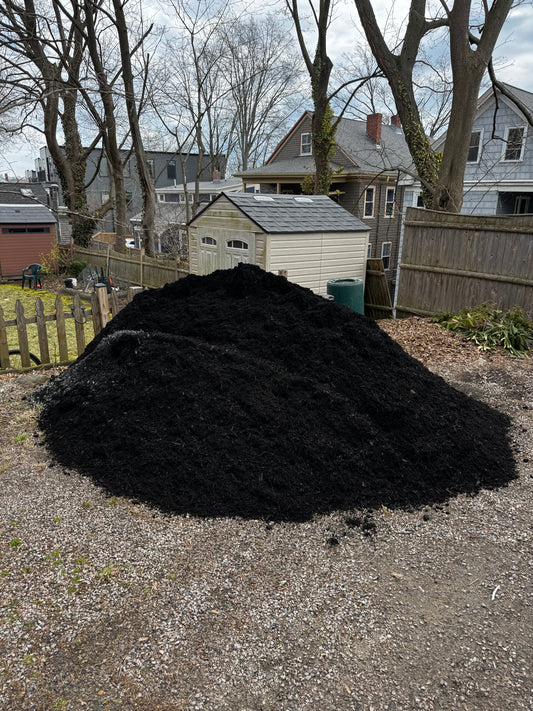
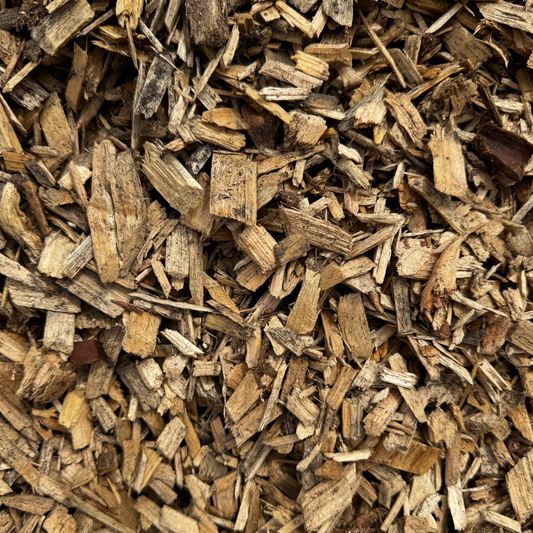
- Mulching the slope with hardwood — hardwood floats; ends up in the storm drain
- Hydroseed without fabric — same washout problem
- Sod alone — slips on slopes; needs fabric pinning underneath
The combined approach (toe + fabric + seed + natives) is what holds the slope long-term.
What This Means for You
A weekend of work, $400–$800 in materials for a typical 1,000 sq ft slope, and the erosion stops. Five years out, the slope is denser, healthier, and lower-maintenance than the flat lawn next to it.
For Marshfield homeowners, Ottr delivers loam, erosion stone, jute fabric, and seed across Marshfield landscape supply routes. For a related dry-creek-bed install used in similar conditions, see How to Build a Dry River Bed for Yard Drainage in a Scituate Backyard.