Quick Answer
The five drainage mistakes that flood Norfolk County basements: wrong stone size (using fines-mixed gravel instead of clean 1-1/2" stone), missing landscape fabric (lets soil clog the drain in two seasons), no slope (the water has nowhere to go), buried perforated pipe with holes facing up (defeats the entire system), and discharging into a low-spot dead end (just relocates the puddle). Fix all five and a French drain or yard drain works for 20+ years; miss any one and you're rebuilding in 2–3 years.
Why Norfolk County Has Drainage Issues
Norfolk County — Brookline, Newton, Wellesley, Needham, Dedham, the Walpole-Foxborough corridor — sits on a mix of glacial till (heavy clay over bedrock) and former wetland. Many older homes were built before modern grading codes; many newer homes were built on infill that compacted unevenly. By April every year, basements flood, lawns swamp, and homeowners call about French drains.
Most of the calls are for second-attempt drainage installs — the homeowner's first French drain failed within 3 years, almost always because of one of the five mistakes below.
Browse the French drain and drainage collection for the right materials.
Mistake #1 — Using the Wrong Stone Size
The most common mistake. Homeowners (and some contractors) fill drainage trenches with 3/4" processed gravel because that's the stone they have on hand. Wrong stone.
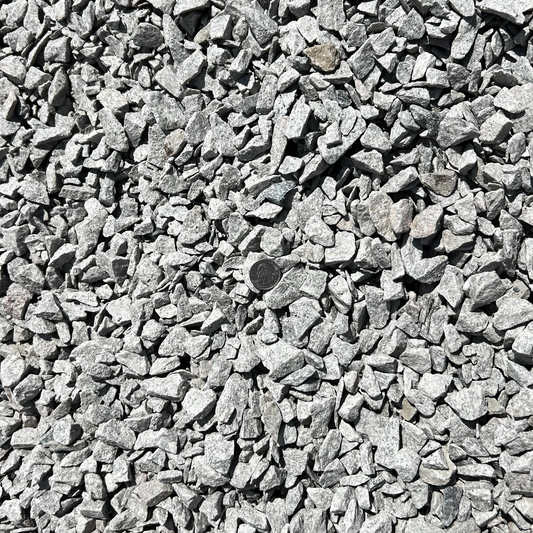
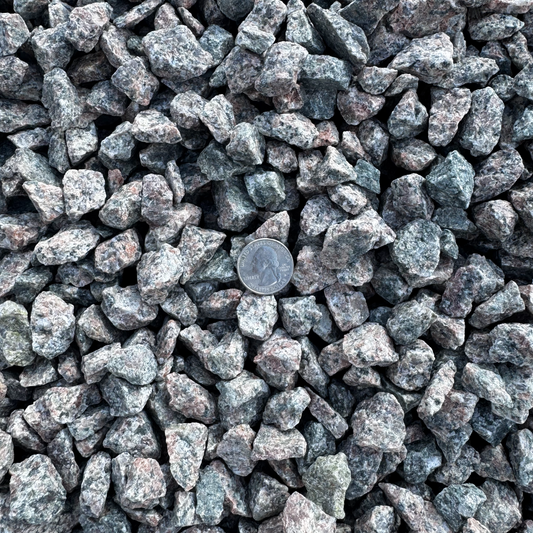
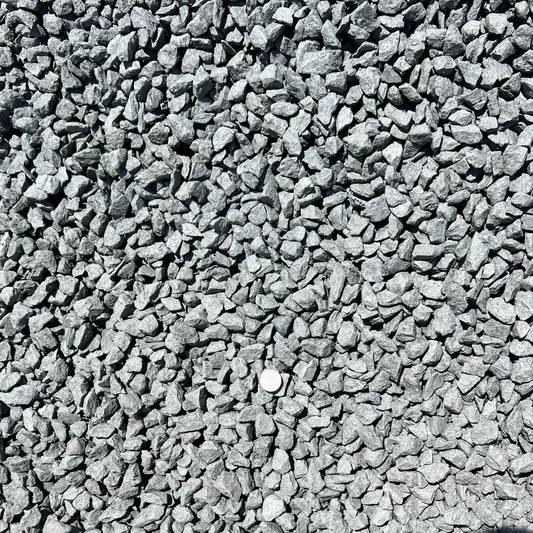
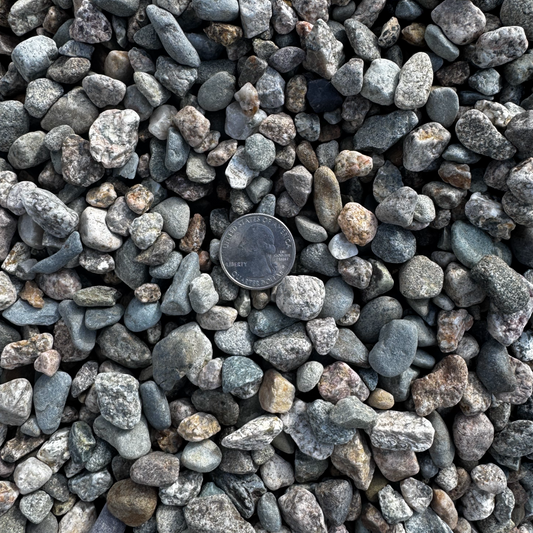
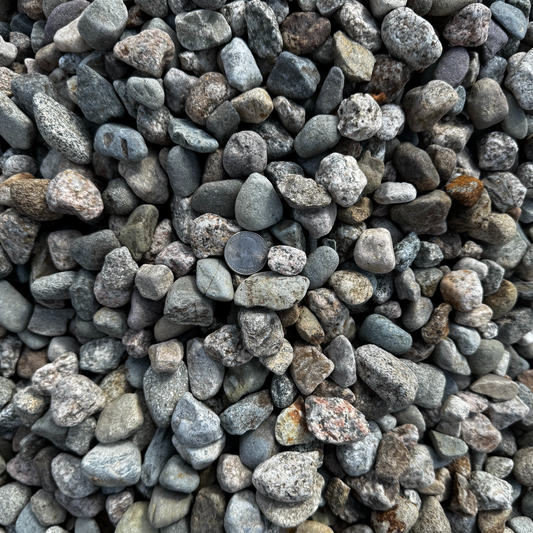
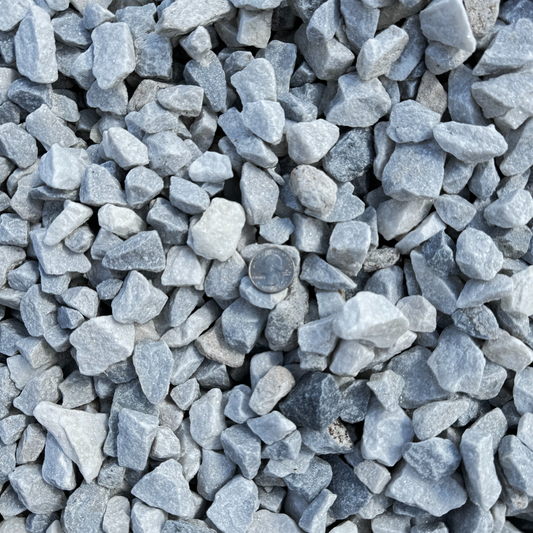
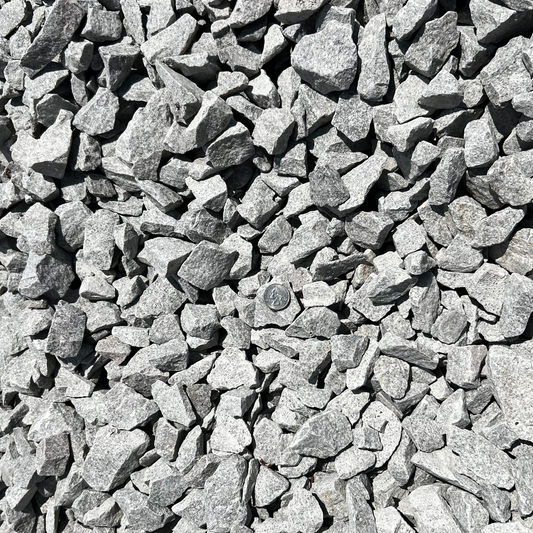
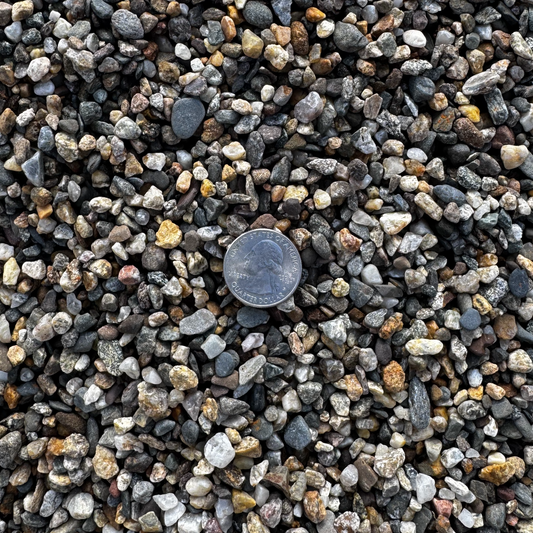
The right stone for any French drain or perforated-pipe drainage line is 1-1/2" clean crushed stone — no fines. Pure clean stone has high void ratio (water moves through fast) and won't compact tight over time.
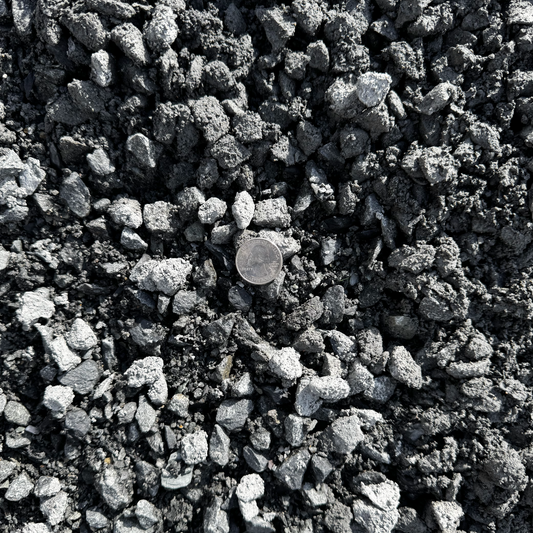
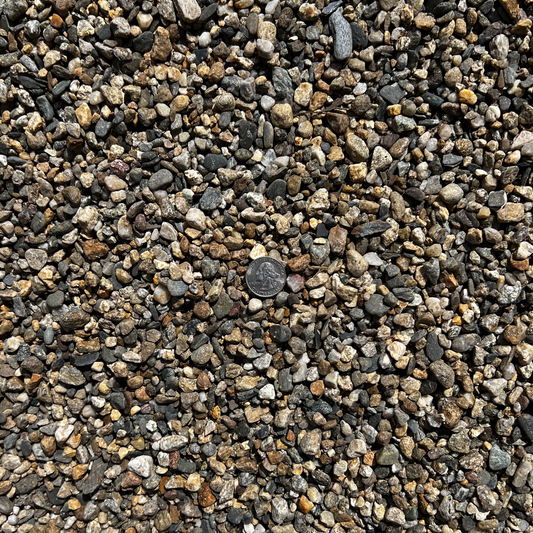
3/4" processed has fines mixed in. Those fines wash down into the bottom of the trench and form a clay layer that water can't pass through. The drain stops working in 18 months.
Fix: Use clean 1-1/2" or 3/4" CLEAN crushed stone (no processing, no fines). For driveway and base-stone applications where fines are wanted, see 3/4-Inch Crushed Stone vs 1-1/2 Inch: A Middleborough Driveway Test. Drainage is the opposite specification.
Mistake #2 — Skipping Landscape Fabric
The second-most-common mistake. The trench is dug, perforated pipe goes in, clean stone surrounds it, soil goes back on top. Two seasons later, the drain is silted in and not draining.
The fix that works: woven landscape fabric wrapping the entire stone-and-pipe assembly. Soil from above can't migrate into the stone voids. Stone stays clean. Drain works for decades.
Fabric placement: Lay fabric in the trench like a taco shell — long enough to wrap up over the top of the stone fill before backfilling soil. Pipe and stone go in the middle of the fabric.
Fabric type: Woven geotextile, not non-woven. Non-woven fabric holds water and clogs faster. Woven blocks soil migration without restricting water flow.
For broader engineering on French drain installs, the EPA stormwater management guidance covers municipal-scale principles that apply to residential systems.
Mistake #3 — Installing Without Slope
A French drain is just a tube and a stone bed. Water moves through it because of gravity — the trench has to slope continuously toward an outlet. Without slope, water sits in the pipe and the trench stagnates.
Minimum slope: 1/8 inch per linear foot (1% grade). Better: 1/4 inch per foot for shorter runs.
Common error: Installer follows the existing ground contour, which often dips up and down. The trench has to be cut to a continuous downhill grade regardless of the surface.
Tool: Use a string level or laser level along the trench bottom. Eyeballing it doesn't work — even slight back-pitches kill drainage.
For a related drainage piece on a Scituate dry creek bed install, see How to Build a Dry River Bed for Yard Drainage in a Scituate Backyard. And for a Cambridge stepping-stone path that involves similar base prep, see Building a Stepping-Stone Path Through a Cambridge Side Yard.
Mistake #4 — Perforated Pipe with Holes Facing Up
Perforated drain pipe is meant to be installed with holes facing DOWN. This is counterintuitive — most homeowners assume holes-up because that's how they imagine water entering.
Why holes-down works: Water fills the trench from the bottom. As it rises through the stone, it enters the pipe through the bottom holes, flows along the pipe, and exits at the daylight outlet. Holes-up only catches water at the top of the trench — water level has to rise that high before drainage starts.
Holes-down captures water at every level of the trench. Drains the trench faster and at lower water tables.
This single error is the cause of half the second-attempt French drain calls in Norfolk County. The drain looks installed correctly from above; underground, it's failing because the pipe is upside down.
Mistake #5 — Discharging into a Low-Spot Dead End
A drainage system needs an outlet. The water you collected has to go somewhere — to daylight at a lower elevation, to a dry well, or to a stormwater system.
The mistake: Running the drain to a "low spot" in the back yard that's already a puddle in spring. The water has nowhere to go from there; you've just relocated the basement flood to the back lawn.
Fixes: - Daylight discharge: the trench exits to a visible point at lower elevation (a swale, a slope, the curb) - Dry well: a buried perforated barrel or stone-filled pit sized to absorb peak flows - Stormwater connection: pipe to a municipal stormwater catch basin (if permitted by the town)
Confirm where the water goes BEFORE digging the trench. Backwards from the outlet.
For a related foundation-bed drainage issue covered in detail, see How to Stop Lawn Erosion on a Sloped Marshfield Yard — the surface-water management overlaps with subsurface drainage planning.
The Right French Drain Build (Quick Summary)
- Plan the route from the wet zone to the outlet, with continuous slope (1/8"–1/4" per foot)
- Dig the trench 18–24 inches deep, 12–18 inches wide
- Lay woven landscape fabric in the trench like a taco shell
- Add 4 inches of 1-1/2" clean crushed stone
- Lay 4-inch perforated pipe holes facing down on the stone
- Backfill with 1-1/2" clean crushed stone to within 4 inches of the surface
- Wrap fabric over the top of the stone
- Backfill with topsoil; reseed lawn or replace sod
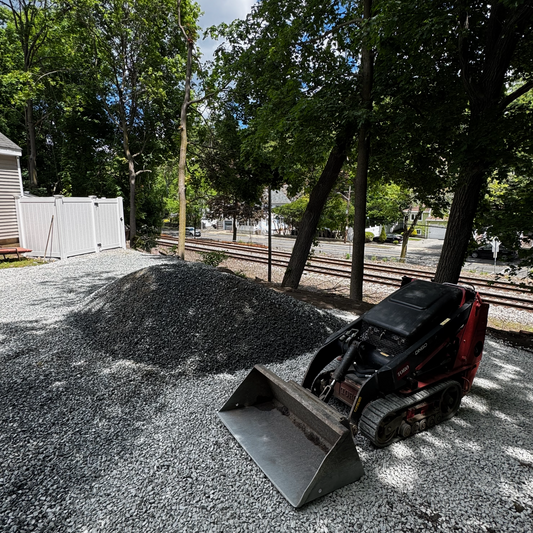
That's 4–6 hours of work for a 30-foot trench, plus material delivery. Rent or hire a small excavator to save the back.
For broader landscape research on Massachusetts soil conditions and drainage patterns, UMass Extension Landscape has authoritative regional guidance.
What This Means for You
Five mistakes — fix them all and the drain works for 20+ years. Fix three out of five and you're back to flooding by 2029.
For Norfolk County homeowners, Ottr delivers 1-1/2" clean crushed stone, woven landscape fabric, and perforated drainpipe across Norfolk County landscape supply routes. Order all three together; sequencing matters.