Quick Answer
For a Middleborough driveway, 3/4-inch crushed stone packs tighter, drives quieter, and is the right pick for the top course. 1-1/2-inch crushed stone moves water faster and locks into deeper sub-base layers — the right pick under the 3/4" cap or in a French drain. Most Plymouth County driveways do best with 1-1/2" base + 3/4" surface, not one stone alone. Below: the side-by-side from a real April test on a 180-foot Middleborough drive.
The Test Driveway
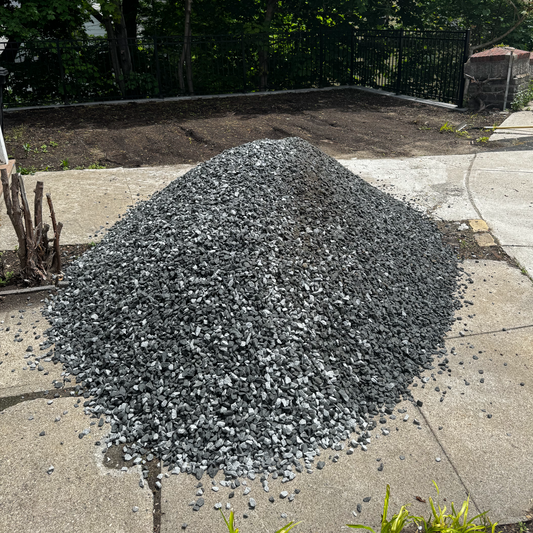
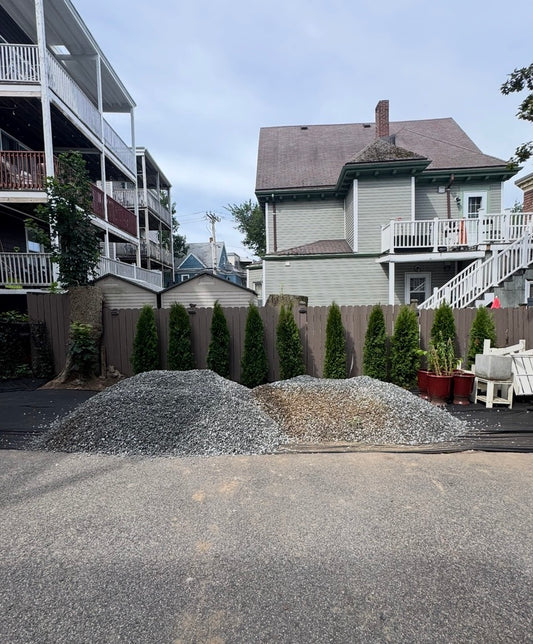
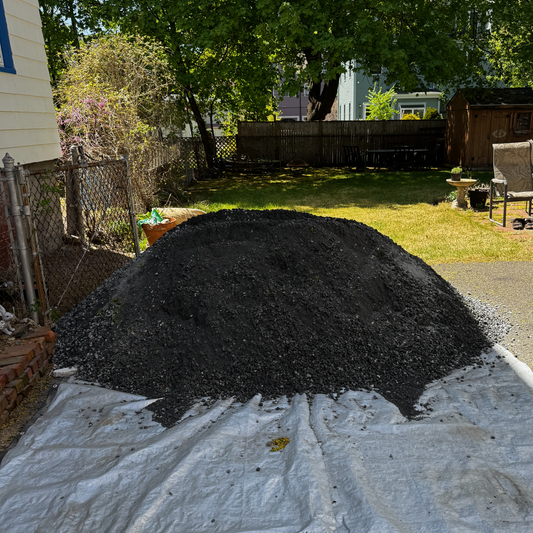
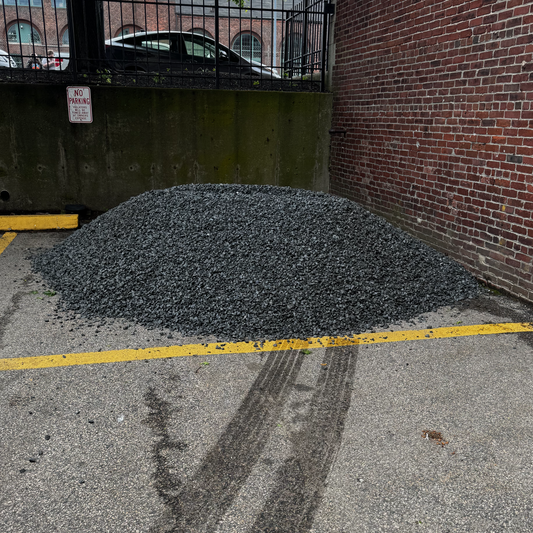
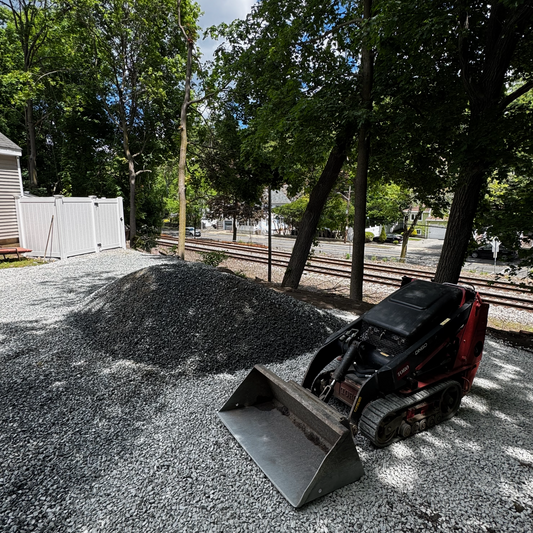
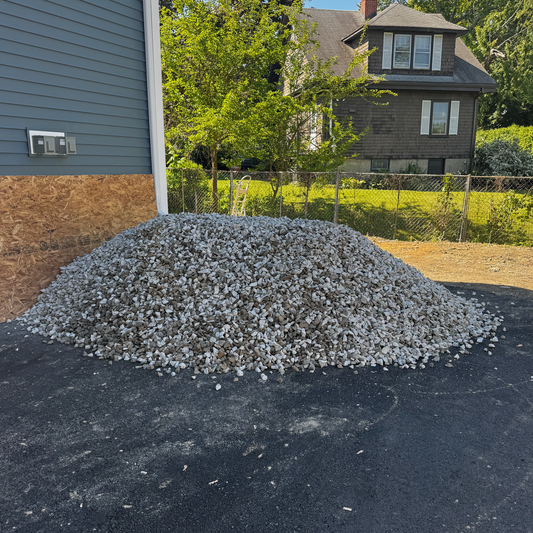
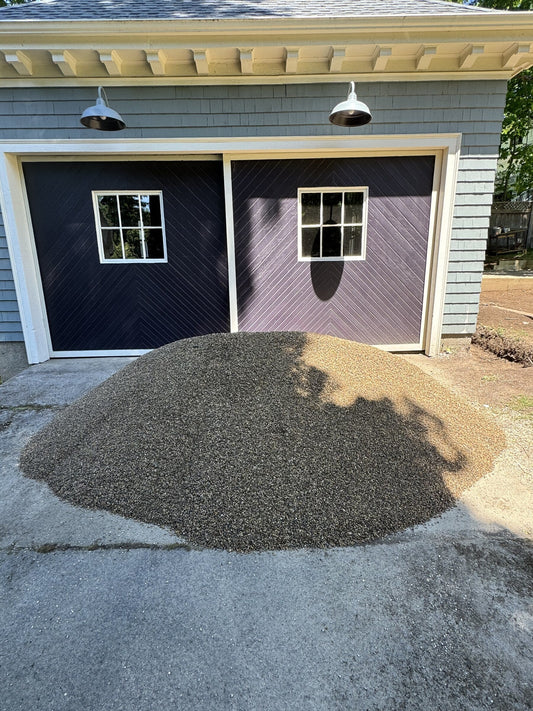
A 180-foot gravel driveway off Plymouth Street in Middleborough, last refreshed in 2022, ruts forming after the 2025–26 freeze-thaw cycle. The owner asked the obvious question — should I top with 3/4-inch processed or go bigger to 1-1/2-inch? We laid both, side by side, on adjacent 25-foot test sections and watched them through April rain.
How Each Stone Behaves
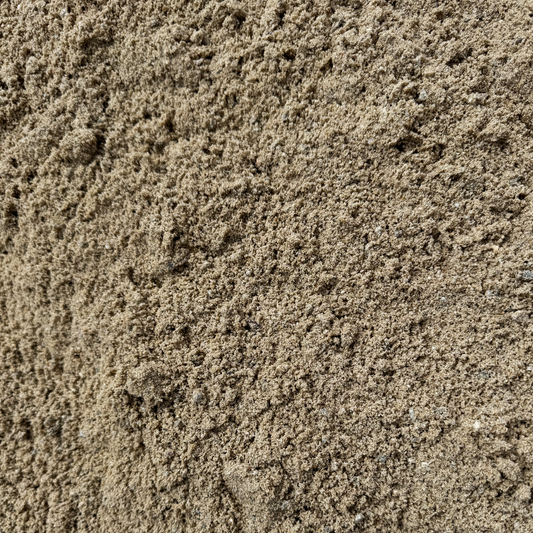
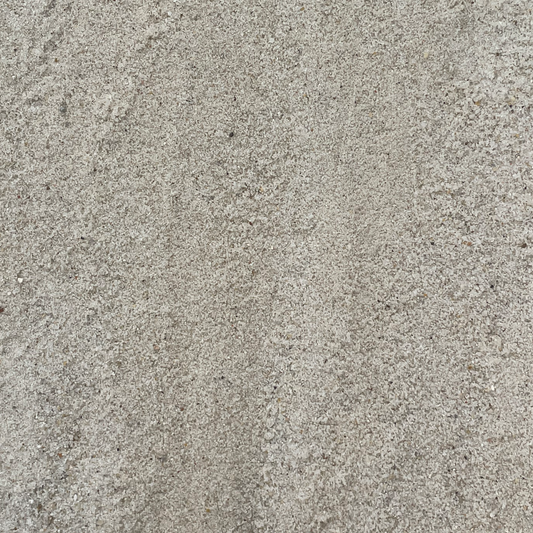
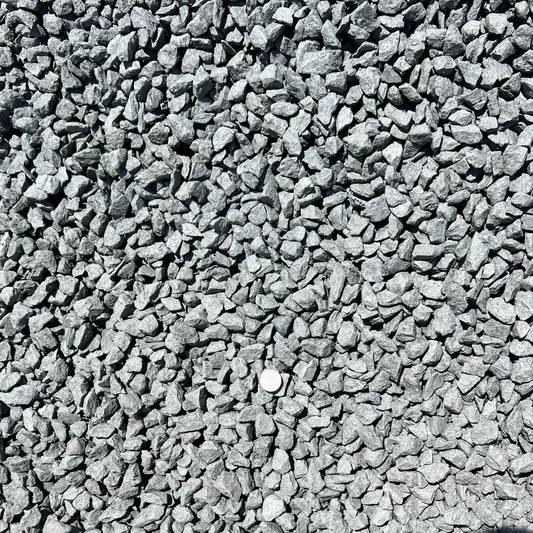
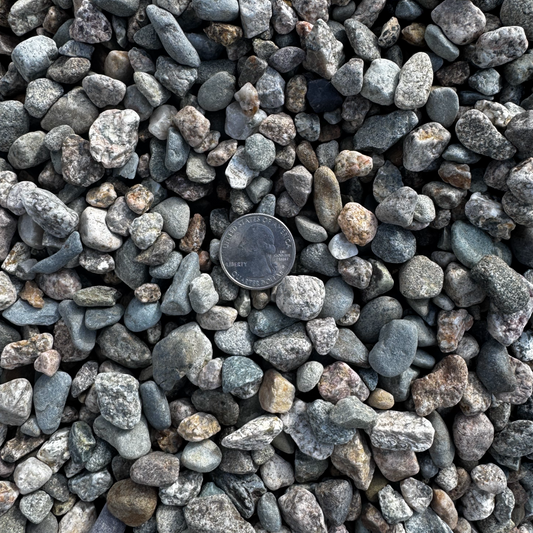
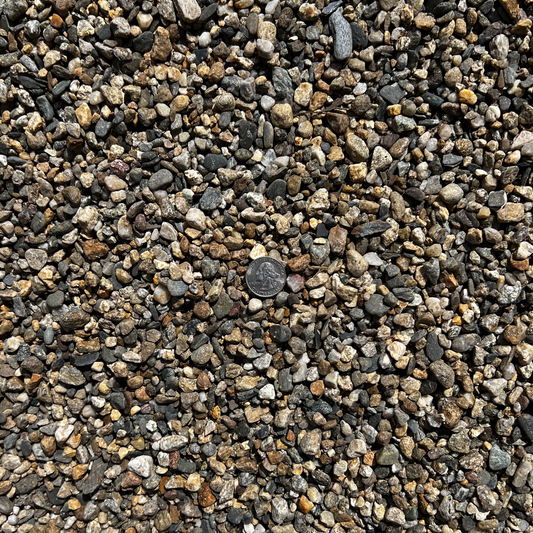
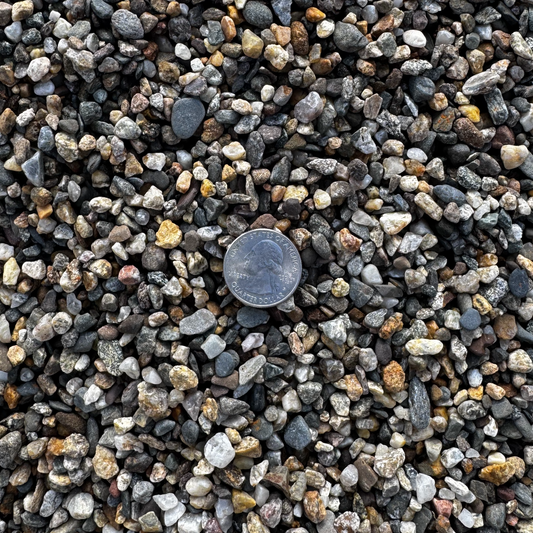
3/4-inch crushed stone (also called 3/4 processed or 3/4 dense pack) has fines mixed in — quarry dust and chips that fill the gaps between the larger pieces. The result is a surface that compacts tight, drives smooth, and sheds water in a slow even sheet. The downside: it can pond in low spots if there's no crown.
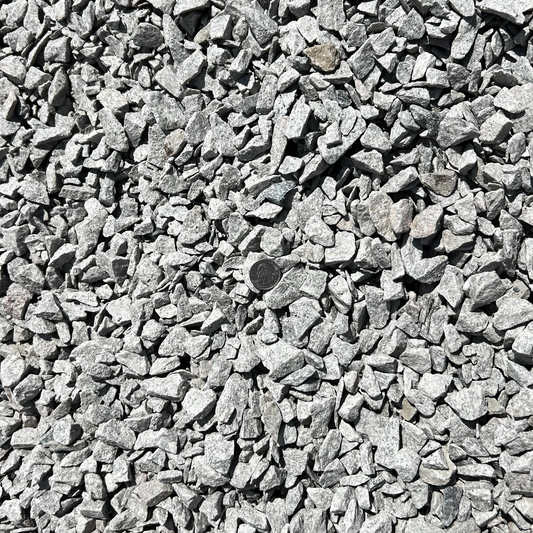
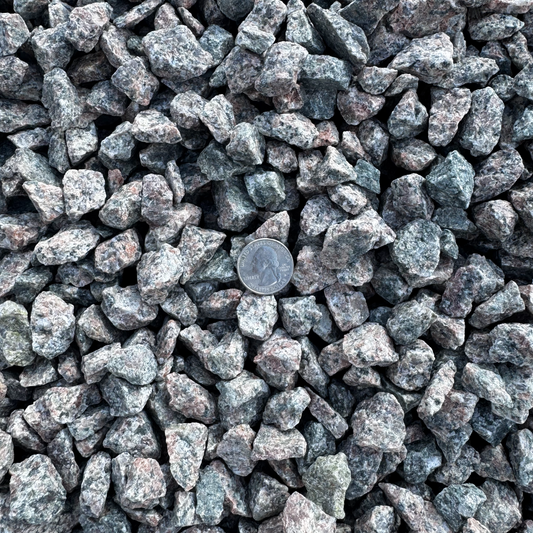
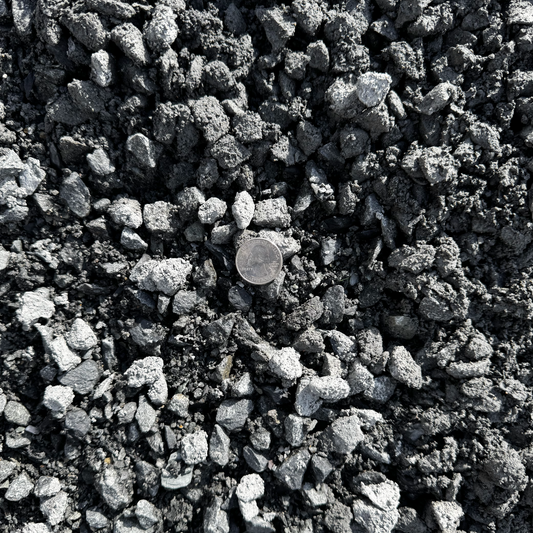
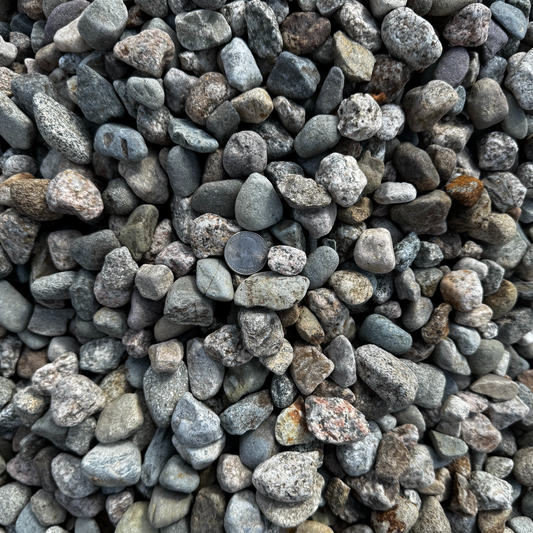
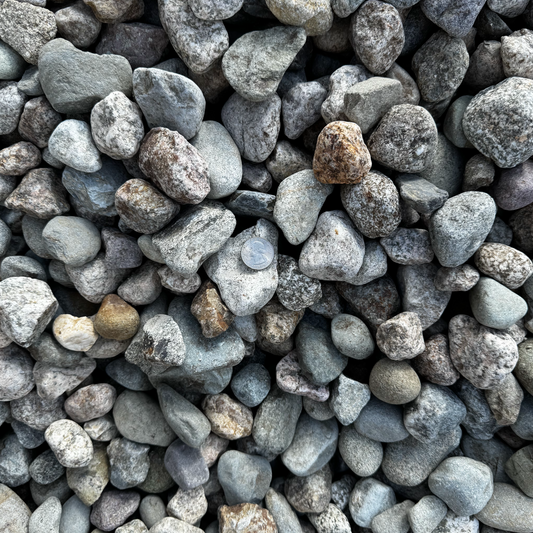
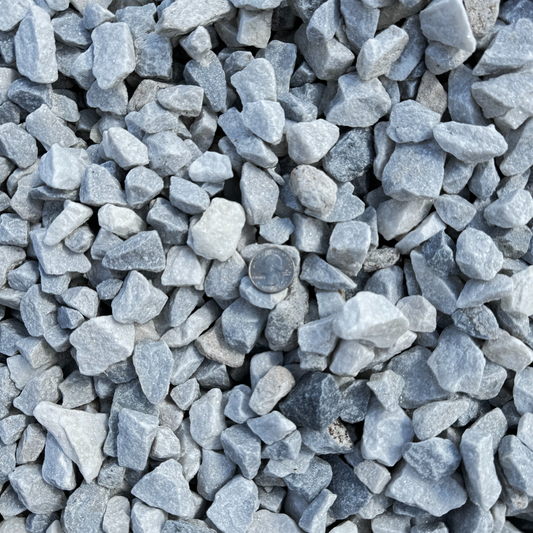
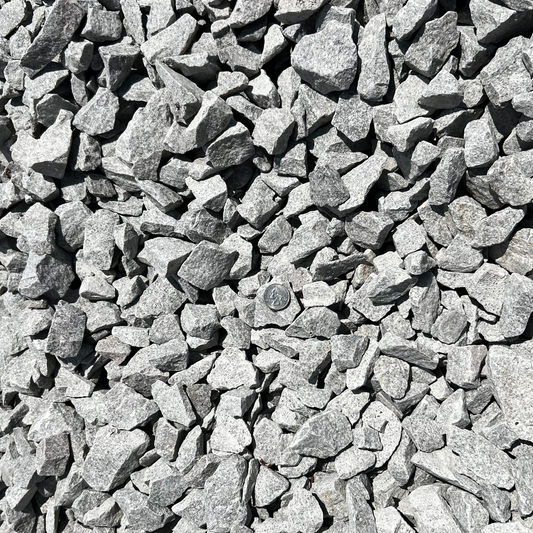
1-1/2-inch crushed stone is a clean stone — no fines, just angular 1-1/2" pieces. Water moves through it instantly. It locks together when compacted but has air gaps you can see between the stones. Drive a passenger car across it and you feel every bump. Drive a truck across it and the stones shift under the tires.
The Middleborough test confirmed the conventional answer: the 3/4" section drove like asphalt. The 1-1/2" section drove like gravel. After a week of rain, the 3/4" section had two small puddles where the crown was off; the 1-1/2" section had none. Both held shape. Browse the full crushed stone collection for current per-yard pricing on both sizes.
Where Each One Wins
Use 3/4" crushed stone for: - The top 2–3 inches of a residential driveway surface - Walking paths and side yards where comfort underfoot matters - The finish course over a properly built sub-base - Around outdoor faucets, hose bib pads, AC unit pads
Use 1-1/2" crushed stone for: - The 4–6 inch sub-base layer under a driveway - French drains and yard drainage lines (see How to Build a Dry River Bed for Yard Drainage in a Scituate Backyard) - Heavy-truck driveways or contractor staging areas - Drainage pits and dry wells where you need maximum void space
The Real Answer: Layer Both
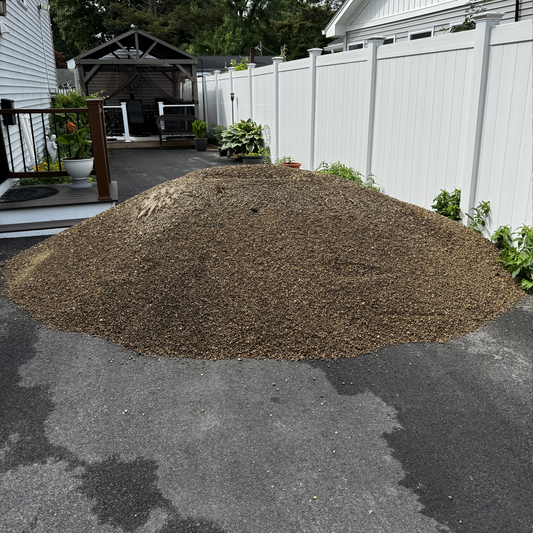
The Middleborough driveway didn't end up with one stone or the other. We pulled the existing surface, laid 4 inches of 1-1/2" as a fresh sub-base over compacted soil, then 2-1/2 inches of 3/4" processed as the running surface. Compacted in two passes with a plate compactor on the top course. Total: about 22 cubic yards across the 180-foot run.
That two-layer build is the standard recommendation in MassDOT's gravel road guidance and matches the ICPI base-prep guidelines used for paver driveways. For the full base-build sequence, see How to Set a Plymouth Crushed Stone Driveway Base That Lasts a Decade — same playbook applies in Middleborough.
What It Cost in Middleborough
The 22-yard split (12 yards 1-1/2" sub-base + 10 yards 3/4" surface) ran roughly mid-three-figures more than a one-stone refresh. The owner came out cheaper across five years because the 1-1/2" sub-base means the next refresh is a 1-yard top-up, not a full rebuild. For a deeper look at common pitfalls before you order, 5 Gravel Driveway Mistakes Common Across Plymouth County is worth ten minutes.
What This Means for You
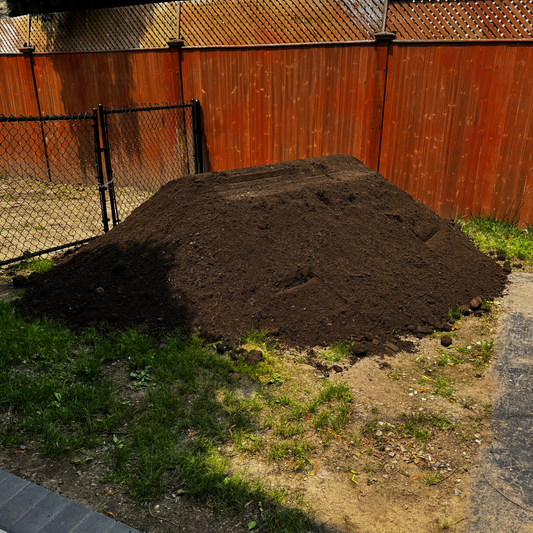
If you're staring at a Middleborough drive that's rutting after winter, don't ask which stone — ask how thick a sub-base you have. If it's 4+ inches of 1-1/2", a 3/4" top-up fixes you. If it's thin or contaminated with topsoil, you need both layers. Ottr delivers both sizes by the cubic yard across Plymouth County — book the truck and have the math right before it backs in.