Collection: Soil & Loam
Soil & Loam — Bulk Garden & Landscape Soil Delivered
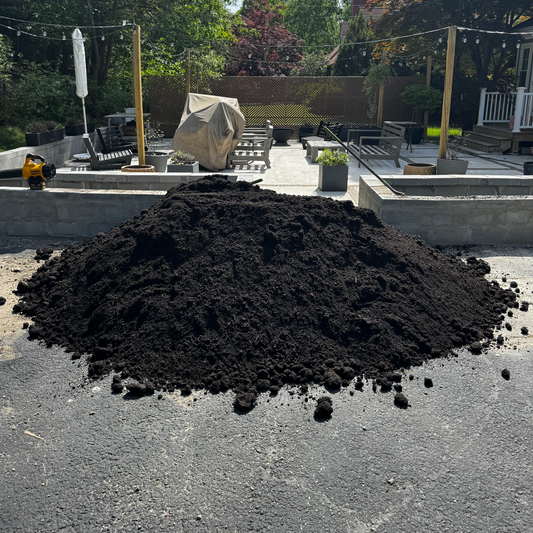
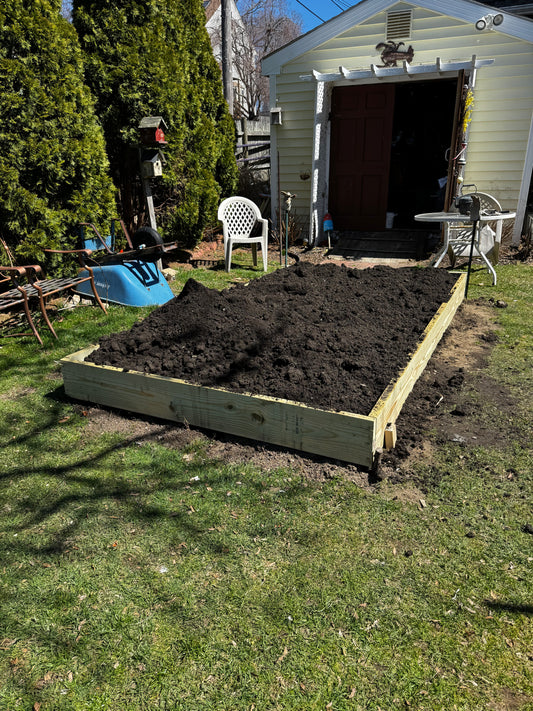
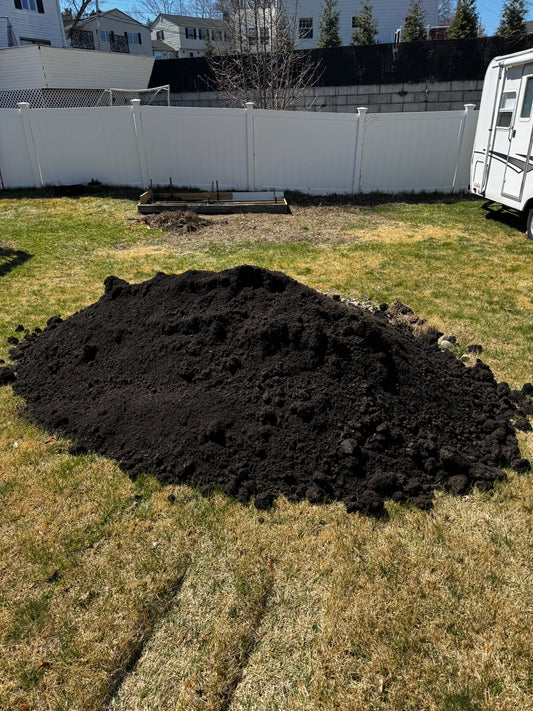
Whether you're patching a lawn, building raised beds, or topping off a new garden, the right soil makes the project. At Ottr Landscape Supply, we deliver bulk soil and loam by the cubic yard across Greater Boston & surrounding areas — screened topsoil, premium Super Loam, garden soil blends, compost, fill dirt, and more. No bagged-up nonsense.
Customers regularly search for "screened loam delivery," "topsoil near me," and "garden soil suppliers Boston" — these are the materials that move the most through our yard each spring and fall.
What We Stock
-
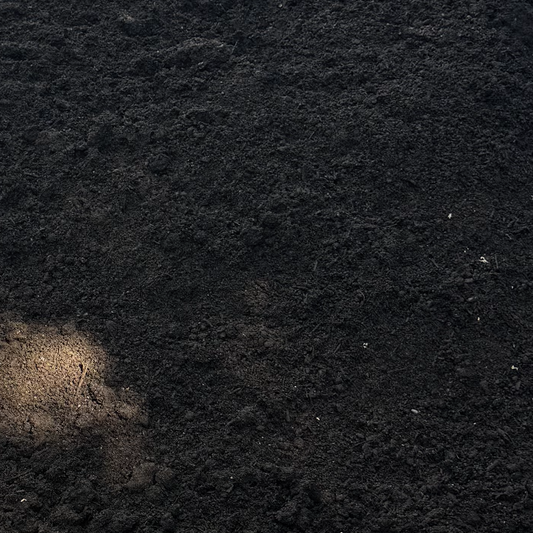
Loam (Screened) — Clean, screened loam for general lawn and garden use
-
Super Loam — Our premium screened loam blend, ideal for new lawns and high-end planting beds
-
Topsoil (Screened) — Screened topsoil for grading and surface repair
-
Garden Soil — Blended for planting beds, vegetable gardens, and seasonal projects
-
Horticultural Soil — Nutrient-rich mix for ornamentals and specialty planting
-
Compost — Organic compost for amendment, mulch refresh, and soil health
-
Fill Dirt — Cost-effective bulk fill for grading and site prep
-
Infield Soil Mix — Tuned for baseball and softball infields
Why Buy Bulk Soil From Us
- Sold by the cubic yard — no minimums
- Local Boston-area delivery, usually same-week
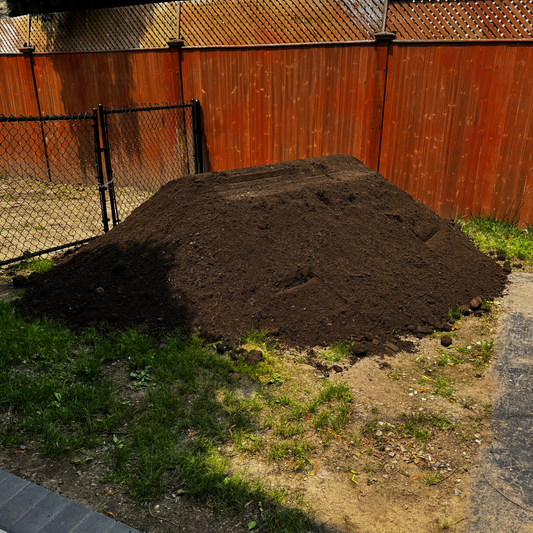
- We drop the load where you need it
- Real screened materials from a local yard, not a chain
Bulk loam, topsoil, garden soil, and compost delivered across Boston and the South Shore.