Quick Answer
For a typical Norfolk County yard — Wellesley, Needham, Dedham, Brookline, Quincy — five native plants do almost all the heavy lifting: highbush blueberry (foundation shrub + edible), switchgrass 'Shenandoah' (ornamental grass), little bluestem (sunny slopes), New England aster (late-season pollinator), and inkberry holly (evergreen alternative to boxwood). Each is hardy to Zone 6a, available bare-root or container at MA nurseries, and asks for almost nothing once established.
Why Native Plants Make Sense in Norfolk County
Norfolk County yards are mostly mid-century plantings that have aged out — overgrown yews, struggling boxwoods, hydrangeas that need babying. Replacing piecemeal with MA natives gives you plants that handle Norfolk's clay-heavy soil (see How to Amend Heavy Clay Soil Common Across Norfolk County), shrug off New England winters, and feed the pollinators the Mass Audubon Society tracks every season.
The Native Plant Trust catalog confirms each pick below as native to eastern Massachusetts. All five plant well bare-root or from container in the April–early May window — see How to Plant Bare-Root Trees and Shrubs in a Cohasset Yard Before Bud Break for technique.
#1 — Highbush Blueberry (Vaccinium corymbosum)
Best for: a foundation row that does triple duty as ornament, fall color, and edible.
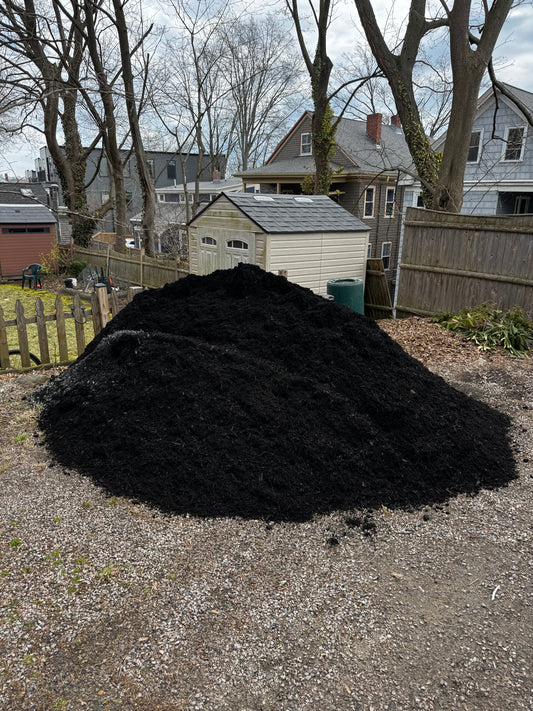
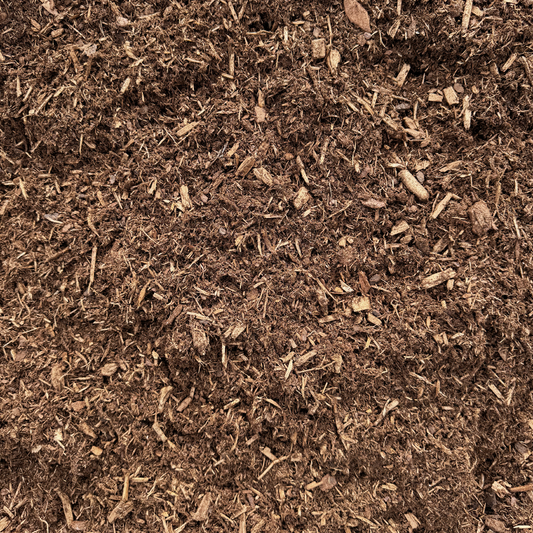
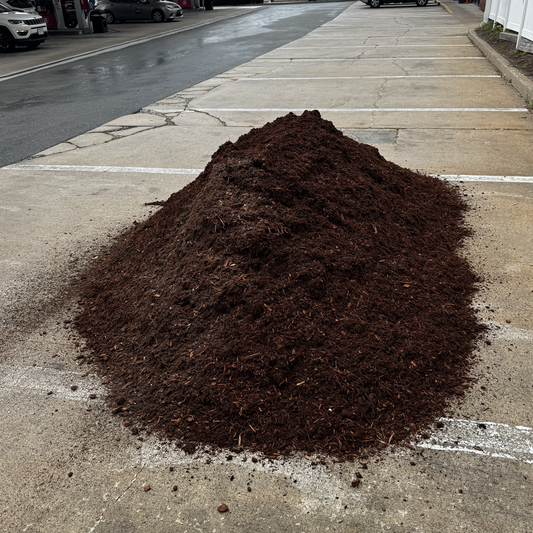
Norfolk County's acidic native soils suit blueberry without amendment. Plant three or five shrubs in a row at 4-foot spacing, mulch deep with acidic pine bark mulch from the Mulch collection, and you'll have white spring bell flowers, summer berries, and red-orange fall foliage. Pair two cultivars (e.g., 'Bluecrop' + 'Patriot') for cross-pollination and reliable fruit.
#2 — Switchgrass 'Shenandoah' (Panicum virgatum)
Best for: a vertical accent in a sunny front bed, or a soft screen along a property edge.
A clumping native grass that hits 3 feet tall, turns burgundy in fall, and stays standing through winter as a textural element. Tolerates clay, drought once established, and the road salt that splashes onto front yards in Wellesley and Brookline. Cut back to 6 inches every March.
#3 — Little Bluestem (Schizachyrium scoparium)
Best for: a sunny slope, a rock garden, or any dry, lean spot where lawn struggles.
Shorter than switchgrass (about 2 feet) and more delicate. Blue-green summer foliage turns coppery-orange in October. The MA state grass, and the right pick for Norfolk County's drier ridge yards. Plant in groups of seven or more — single plants look lonely. For a sunny-slope erosion application, see How to Stop Lawn Erosion on a Sloped Marshfield Yard.
#4 — New England Aster (Symphyotrichum novae-angliae)
Best for: late-season color and the last big nectar push for migrating pollinators.
Three feet tall with purple-pink flowers from late August through mid-October — exactly when most yards have nothing left blooming. The Mass Audubon Society flags it as one of the most valuable late-season natives for monarchs and native bees. Plant in groups behind shorter perennials (the lower stems lose leaves by August). Cuts back hard in November.
#5 — Inkberry Holly (Ilex glabra 'Shamrock' or 'Compacta')
Best for: an evergreen foundation shrub when you've given up on boxwood.
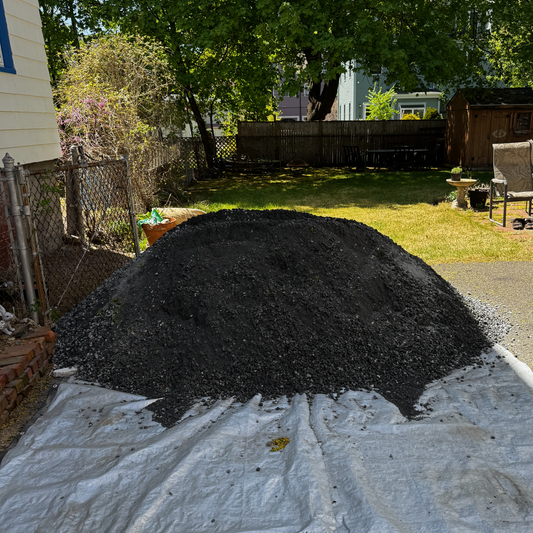
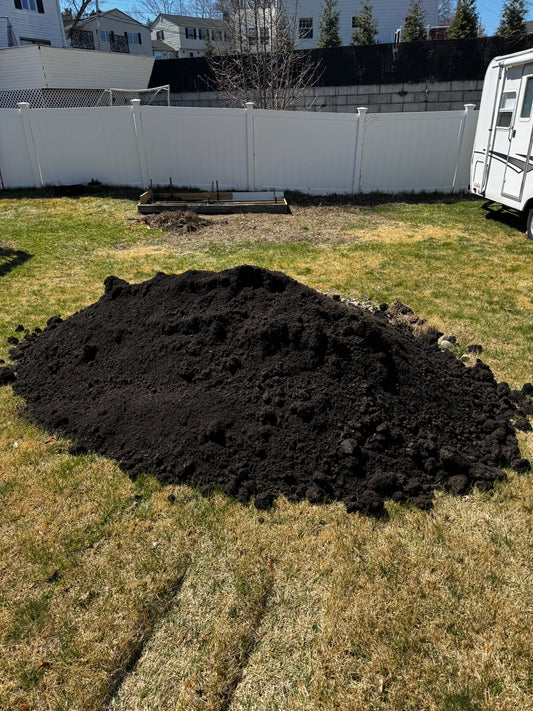
Boxwoods in Norfolk County are a maintenance trap — see Why Are My Lexington Boxwoods Browning? for why. Inkberry holly is the native swap: same dark-green evergreen look, dense year-round form, no boxwood blight, and tolerates Norfolk's wet clay better. Plant 3 feet apart for a low hedge. Add a yard of compost-amended loam from the Plant Establishment & Tree Planting collection for a strong year-one establishment.
How to Plant Across Norfolk County This Spring
Order plants by April 1 (bare-root sells out fast). Dig wide, shallow holes — twice the root spread, only as deep as the root flare. Backfill with the native soil plus a third compost. Mulch 2 inches deep with hardwood or cedar (see Hemlock vs Pine Bark Mulch: A Plymouth County Side-by-Side for the comparison that applies here too). Water 1 gallon per inch of plant stem caliper, three times a week, for the first 8 weeks.
For a front-yard composition built around these five, 5 Foundation Planting Ideas for a Brookline Brownstone Front shows how the natives work together against historic Norfolk-County architecture.
For a complete catalog of MA native plants by light and soil conditions, Native Plant Trust's Garden Plant Finder is the authoritative source.