Quick Answer
On a 60-foot Plymouth County test bed split down the middle, hemlock mulch and pine bark mulch are not the same product and not interchangeable. Hemlock wins on color (warm reddish-brown that holds 10–12 weeks), texture (fine shred works around perennials), and price (mid-tier). Pine bark wins on durability (chunks last 2–3 seasons), slope retention (locks together), and weed suppression (denser layer). Pick hemlock for ornamental beds; pick pine bark for slopes and tree rings. Most yards want both.
The Test Setup
A 60-foot perennial-and-shrub bed along the front-yard fence of a Kingston, Plymouth County property. Same bed, same sun exposure (south-facing, 6+ hours), same plant mix (hostas, daylilies, hydrangea, boxwood). Split down the middle: hemlock mulch on the left half, pine bark mini-nuggets on the right half. Both applied 2 inches deep on April 15, 2025. Photographed every 4 weeks through the season.
This is a real bed, not a magazine demo. Below is what we saw.
Color Out of the Truck
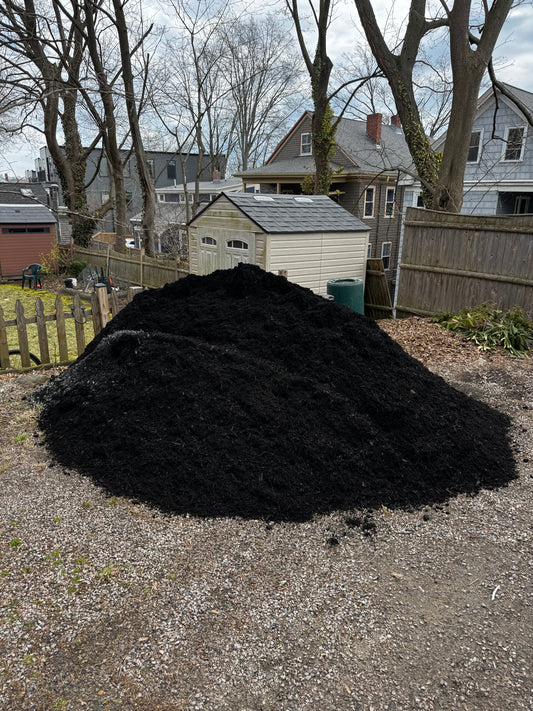
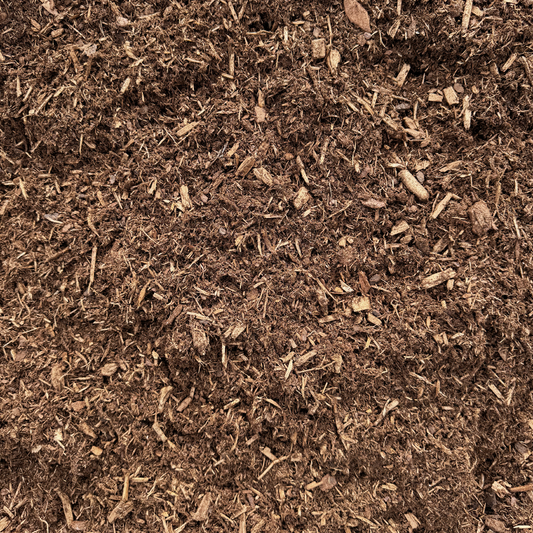
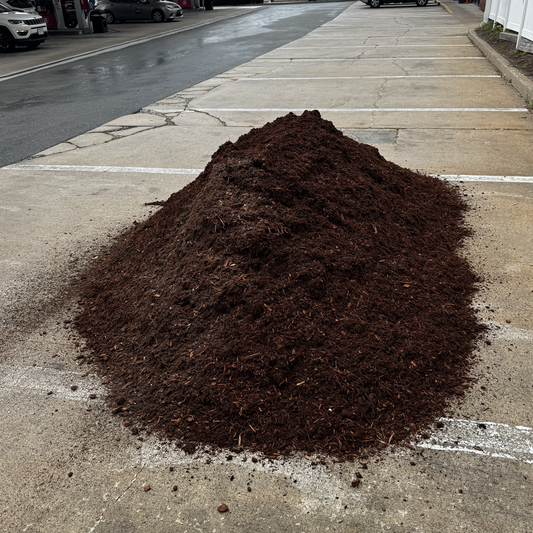
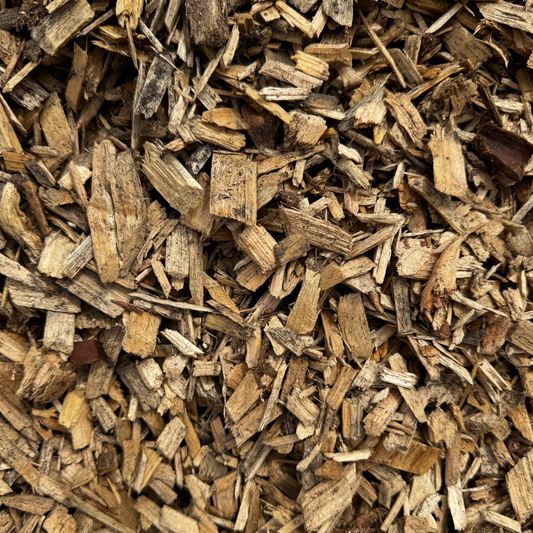
Hemlock: rich reddish-brown, almost cinnamon. Warm tone that flatters most plant foliage and reads "high-end" without being dyed. The eastern hemlock species (Tsuga canadensis) bark naturally has this color.
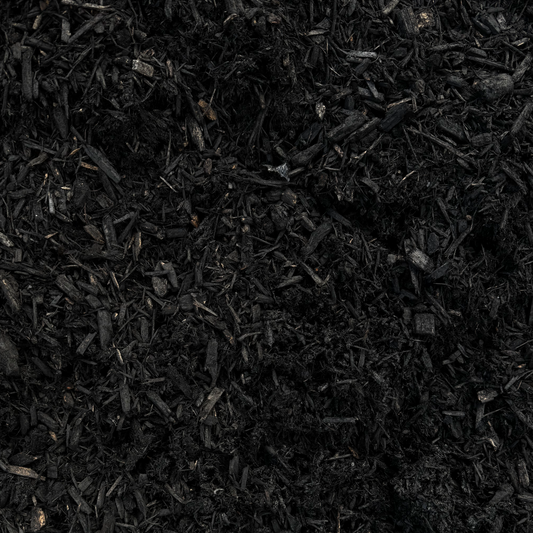
Pine bark: medium chocolate brown, less saturated than hemlock. The smaller mini-nuggets read uniformly; larger pine bark chunks (2-inch grade) are more variegated and rustic.
Verdict at Day 0: Hemlock looks more "intentional." Pine bark looks more "natural-woodland."
Color at 4 Weeks (mid-May)
Hemlock: still rich. UV has pulled some red but the brown remains warm. Suits the late-spring plant flush.
Pine bark: holding remarkably well. The bark itself is naturally weather-resistant and the chunky structure shades the underlying material from UV.
Verdict: Both pass the May test. No noticeable difference at street distance.
Color at 8 Weeks (mid-June)
Hemlock: medium-brown now. The cinnamon is gone. Still looks kept and intentional, but past peak.
Pine bark: essentially unchanged from Day 0. The chunks weather slowly.
Verdict: Pine bark pulls ahead on color longevity. If you measure mulch by "still looks fresh in June," pine bark wins.
Color at 12 Weeks (mid-July)
Hemlock: straw-brown. Time for a top-dress refresh — see How to Refresh Medford Mulch Beds Without Disturbing Existing Plants for the technique.
Pine bark: still holding the original color. About 80% of Day 0 saturation.
Verdict: Pine bark is the clear winner on longevity. For low-maintenance beds, this matters.
Texture and Plant Behavior
Hemlock: fine shred. Knits together over time. Easy to spread around perennials without burying crowns. Excellent on flat or low-slope ornamental beds.
Pine bark mini-nuggets: chunky. Doesn't knit together — stays loose. Better at letting water through to roots. Better on slopes (chunks lock against each other and don't wash). Worse around fine perennials (the chunks roll into the crowns).
Verdict: Hemlock for perennial beds. Pine bark for shrub beds, slopes, and tree rings.
Weed Suppression
Hemlock: good. The fine shred forms a dense layer that blocks light. Weed seedlings still emerge through gaps after 6 weeks of breakdown.
Pine bark: better. The chunks plus the gaps seem like they'd let weeds through, but the depth of a 2-inch pine bark layer is actually 2.5–3 inches because of the air gaps — and that depth blocks more light.
Verdict: Pine bark wins, modestly.
Slope and Wash Resistance
Hemlock: washes on anything steeper than 2:1. The fine shred floats out in heavy rain. Plymouth County's spring storms are the test, and hemlock fails the steep-slope test.
Pine bark: holds. The chunks interlock and the weight of pine bark resists wash. The right call for any sloped bed in coastal Plymouth County.
Verdict: Pine bark, decisively, on slopes.
Decomposition and Soil Building
Hemlock: breaks down faster (1–2 seasons). The decomposition adds organic matter to the soil — a benefit if the bed needs amendment, a maintenance cost if you want the mulch to last.
Pine bark: breaks down slowly (3+ seasons). Less soil-building benefit; more durability.
Verdict: Depends on goal. If you're trying to improve soil under the mulch, hemlock builds soil. If you want the mulch to act as a long-term ground cover, pine bark holds longer.
For the broader question of mulch depth across both species — the same 2-inch rule applies — see The Two-Inch Rule.
Price
Hemlock: mid-tier per cubic yard, comparable to dyed hardwood.
Pine bark mini-nuggets: mid-to-premium tier. Larger chunks (2-inch grade) are premium.
Verdict: Hemlock is the better budget pick if you're refreshing annually anyway. Pine bark is better long-term value if you're trying to skip a year between applications.
When to Pick Hemlock
- Front-yard ornamental beds with perennials and small shrubs
- Beds where you want the warm reddish-brown color
- Flat or low-slope sites
- Beds that benefit from soil-building decomposition
- Annual refresh budgets
For Cambridge brick architecture, hemlock's natural red tone works well — see Black, Brown, or Natural? Picking a Mulch Color That Matches Cambridge Brick.
When to Pick Pine Bark Mini-Nuggets
- Sloped beds (anything steeper than 4:1)
- Tree rings (the chunks resist wash and hold longer than fine shred)
- Shrub-only beds where fine texture isn't needed
- Long-term-mulch budgets (skip every other year)
- Pet households (cleaner texture; see 5 Pet-Safe Mulch and Stone Picks for a Watertown Backyard)
When to Pick Both — and Where
A real Plymouth County yard usually wants:
- Hemlock in the front-yard ornamental beds, foundation plantings, and the curb-visible beds.
- Pine bark in the back-yard tree rings, sloped beds, and the property-line edges where wash-out is a chronic problem.
A typical 8-yard mulch order splits 5 yards hemlock + 3 yards pine bark for this kind of mixed-use yard.
Where to Buy
The full mulch collection lists current per-yard rates for both. For the broader hardwood mulch lineup that ranks alongside hemlock for color longevity, see 5 Hardwood Mulches That Hold Color in a Sun-Baked Brookline Front Yard.
For mulch quality standards and what defines premium grade across both species, the US Composting Council mulch standards is the reference. For MA-specific landscape practice, UMass Extension Landscape covers regional material choice.