Quick Answer
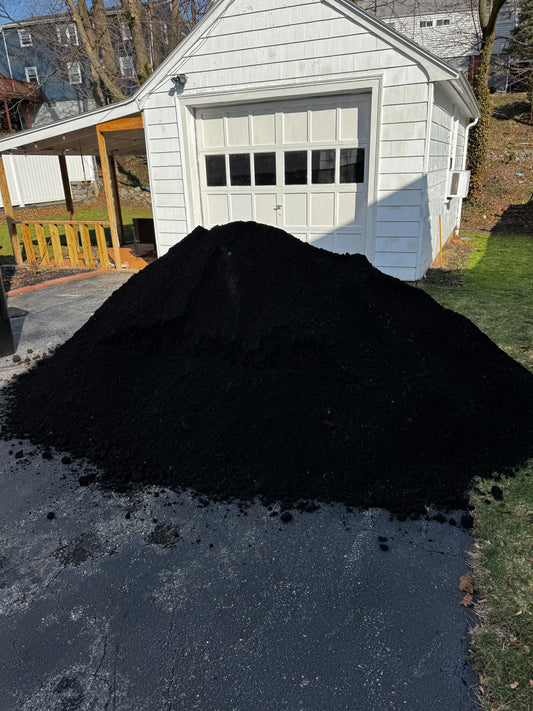
For Cambridge's red-brick row houses and brownstones, brown-dyed or natural aged hardwood wins almost every time. Black mulch clashes with red brick — it pulls warmth out of the facade and makes the bed look like a hole. Red-dyed mulch is wrong against brick (too much red competing with red). Pick black only if your Cambridge home is painted clapboard, gray, or white. Pick natural or brown if there's brick or stone in view. Architecture drives the choice — not personal taste.
Why Cambridge Is a Mulch-Color Special Case
Cambridge has more brick frontage than any neighborhood in eastern Massachusetts. Mid-Cambridge triple-deckers, Cambridgeport row houses, the brick foundations under painted Victorians in North Cambridge — the front yards interact with the brick all summer. A mulch that doesn't sit right against brick reads wrong from across the street, regardless of how nice the plants look.
This Q&A is the conversation we have with Cambridge homeowners every March when they're standing at the warehouse trying to pick.
Q: Why doesn't black mulch work against red brick?
A: Color theory. Red brick is a warm-temperature color — orange-red on the color wheel. Black mulch reads cool and absorbs visual warmth. The juxtaposition makes the brick look duller and the bed look like a void. The eye sees the contrast as harsh rather than complementary.
The exception: very dark brown brick (some Cambridge homes have nearly chocolate-brown brick) handles black mulch fine. Walk across the street and look at your house with fresh eyes. If the brick reads orange or red, skip black.
Q: What works against red brick?
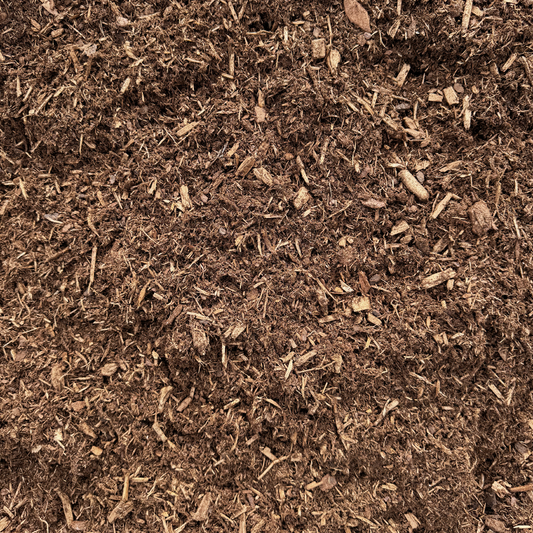
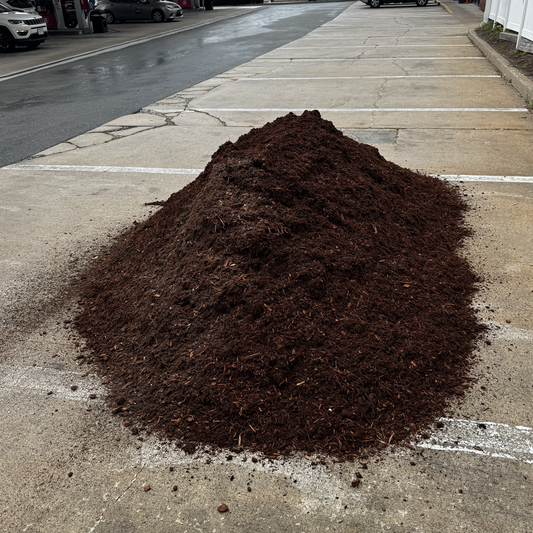
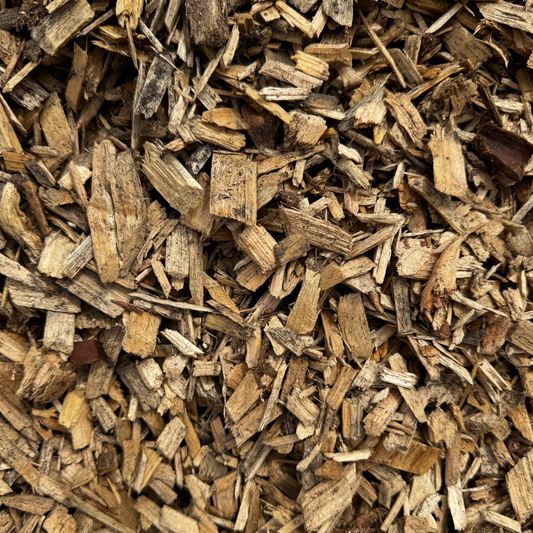
A: Brown-dyed hardwood and natural aged hardwood. Both pull from the same warm color family as the brick — the bed becomes part of the visual whole rather than a competing element. Brown-dyed is slightly more saturated and "kept" looking; natural aged is more organic and Old-Cambridge-appropriate.
For the lineup of hardwood options ranked by color longevity, see 5 Hardwood Mulches That Hold Color in a Sun-Baked Brookline Front Yard — the same products work in Cambridge.
Q: Do I need to match the brick exactly?
A: No — match the temperature, not the shade. Red brick varies enormously: the deep oxblood of 1880s Cambridgeport varies from the salmon-pink of 1920s Mid-Cambridge to the ash-tan of midcentury infill. Trying to match exactly is futile. Match the temperature (warm) and the saturation (medium) and the bed reads correctly across all brick types.
Q: My house is painted clapboard. What changes?
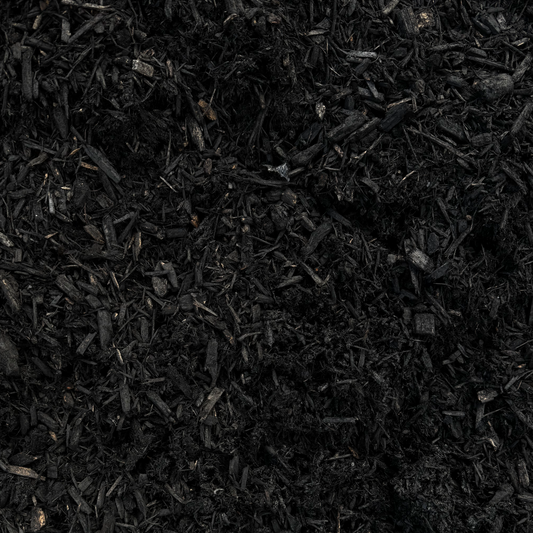
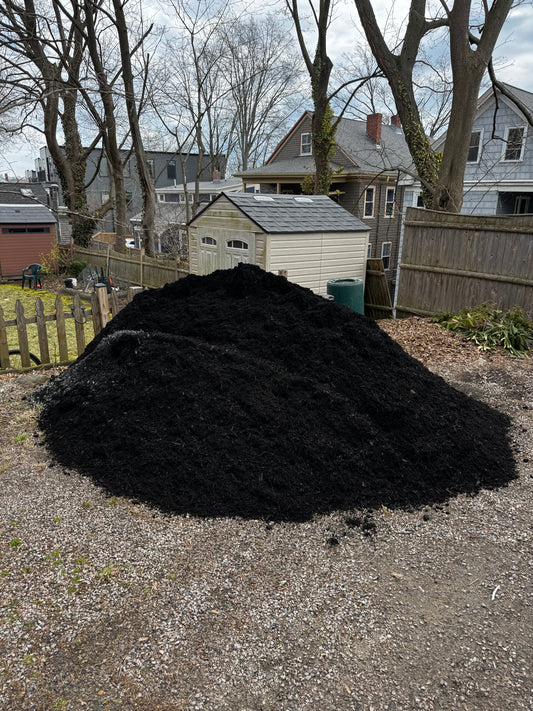
A: Black mulch becomes a real option. White, light gray, or sage-green clapboard handles black mulch beautifully. The high contrast makes plants pop and the bed reads sharp and modern. For dark-clapboard homes (navy, charcoal, deep green), black mulch is the only one that doesn't disappear into the siding shadow.
Q: What about hemlock mulch — that natural reddish color?
A: Excellent on Cambridge brick. Hemlock mulch reads warm-red-brown out of the bag and complements brick in the same color family without trying to match. The texture is finer than dyed hardwood, which suits the smaller front-bed scale typical of Cambridge row houses. See Hemlock vs Pine Bark Mulch: A Plymouth County Side-by-Side for the side-by-side comparison.
For a Cambridge-specific cedar walkthrough, Ottr Cedar Mulch in a Cambridge Front Bed: Where It Shines and Where Hardwood Wins tested cedar against hardwood on the same bed.
Q: I want black mulch even though I have brick. Will it really look bad?
A: It will look loud. The bed will draw the eye away from the architecture and the plants both. If you're sure, do a small test: drop one wheelbarrow of black mulch on a back-yard bed before committing the front. Look at it for a week. Most Cambridge homeowners who do this test pick brown for the front and reserve black for back-of-house contrast beds.
Q: How does mulch color affect the plants?
A: Black runs hot. Black mulch absorbs solar radiation and runs 5–8°F warmer than natural mulch on hot summer days. Shallow-rooted perennials (heuchera, hostas, astilbe) prefer cooler bed temperatures — natural or brown mulch is kinder to them. In a south-facing Cambridge bed with full sun, the temperature difference is real enough to stress some species.
Q: What about red-dyed mulch?
A: Wrong almost everywhere in Cambridge. Red-dyed against red brick is too much red — the bed competes with the facade and you lose both. Red-dyed has its place (specific architectural matches, or houses with terracotta roofing), but Cambridge isn't where it usually wins. See the Brookline hardwood mulch breakdown for where red mulch does make sense.
Q: How much mulch color matters when the bed is mostly perennials?
A: Less than you think. Beds that fill with foliage by mid-June hide most of the mulch by July. The color call matters most in April through mid-June — the gap between mulch-down and full perennial coverage. If your beds are densely planted and fill in early, brown or natural is forgiving even on edge cases.
Q: Does mulch color affect resale curb appeal?
A: Yes, modestly. Real estate photographers shoot front yards in late spring through summer. Cambridge listings benefit from beds that read "intentional" rather than "stark." Brown-dyed and natural aged are the safer real-estate-photograph picks. Black mulch can read polarizing in MLS shots — some buyers love modern, some find it harsh.
The Cambridge Mulch-Color Decision Tree
Run through these in order:
- Brick or stone facade? → Brown-dyed or natural aged hardwood. Skip black.
- Painted clapboard, light? → Black-dyed or brown-dyed both work. Pick by aesthetic preference.
- Painted clapboard, dark? → Black-dyed makes plants pop.
- Mixed brick and clapboard? → Match the brick (the dominant visual element). Brown wins.
- South-facing bed with shallow-rooted perennials? → Natural aged. Cooler bed temps.
- Densely planted bed that fills in by July? → Any color works; pick by application cost.
Where to Buy Cambridge-Friendly Colors
Ottr stocks brown-dyed hardwood, natural aged hardwood, hemlock, and cedar in bulk by the cubic yard — the four colors that work most often against Cambridge brick. See the mulch collection for current pricing and delivery scheduling. For tighter Cambridge driveways where bulk delivery is awkward, Bagged vs Bulk Mulch for Cambridge Homeowners: When Each Makes Sense covers the format math.
For broader mulch quality standards (what "premium" actually means in the dyed-mulch market), the US Composting Council mulch standards is the authoritative reference. For MA-specific landscape practice, UMass Extension Landscape covers material choice in regional context.
The short version: Cambridge brick wants warm mulch. Brown or natural every time. Black for clapboard, not brick. Red almost never. Architecture decides — and the architecture in Cambridge has been deciding for 150 years.