August closes with the busiest four weeks of the second half of the year already underway. This is the month-end read for Norfolk County, from Quincy and Milton out to Franklin and Wrentham.
Where does the overseeding window stand?
Open, and closing. The cool-season window runs from roughly mid-August to mid-September, which leaves about two weeks of prime run. After that the arithmetic turns — seed needs six to eight weeks of rooting before soil drops through 50 degrees in late October. The full cutoff logic is in can you still seed a lawn in September.
What actually changes in September?
| Work | September status | What to order |
|---|---|---|
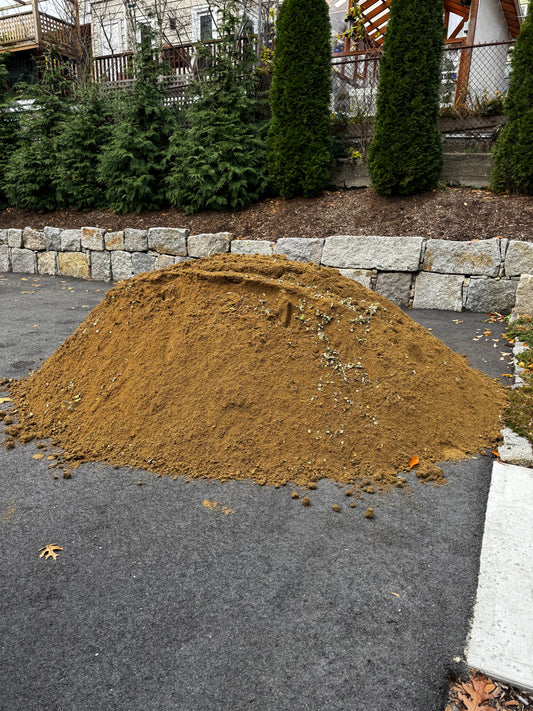
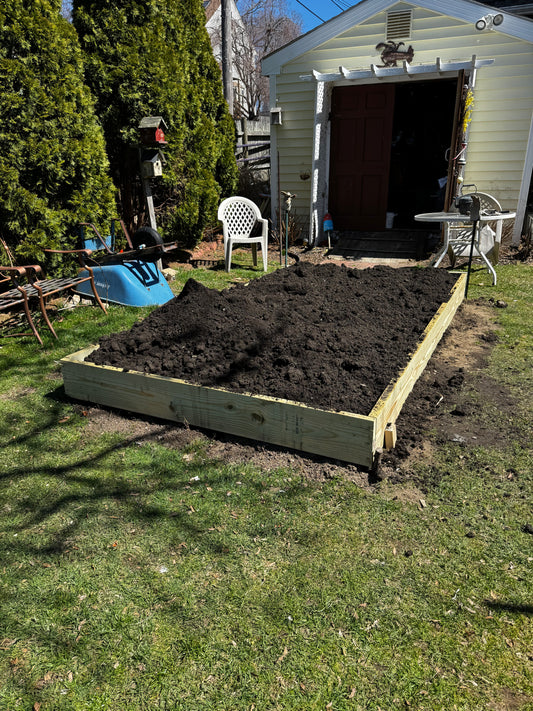
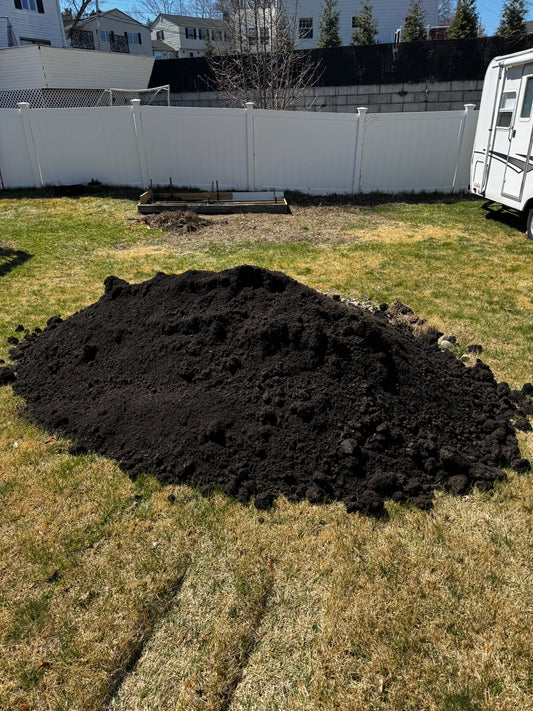
| Overseeding and topdressing | Closing — first two weeks | Screened Loam, Compost |
| Tree and shrub planting | Opening — best month of the year | Compost, bark mulch |
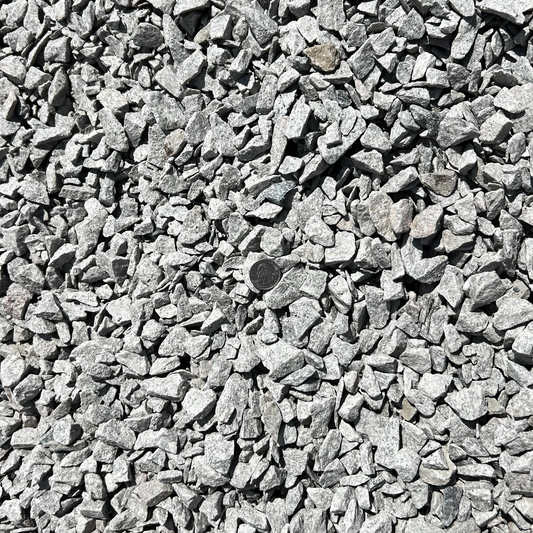
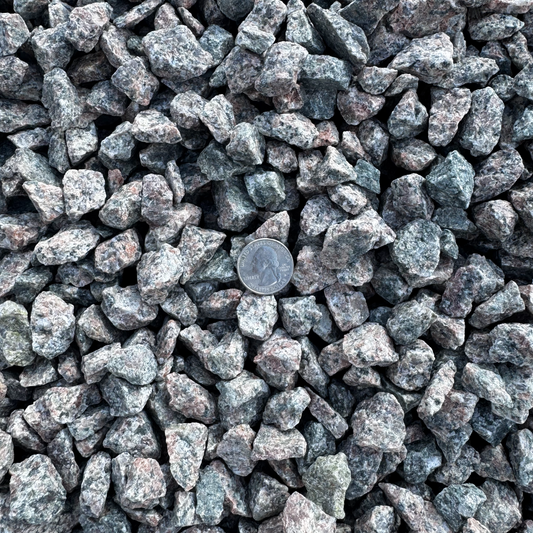
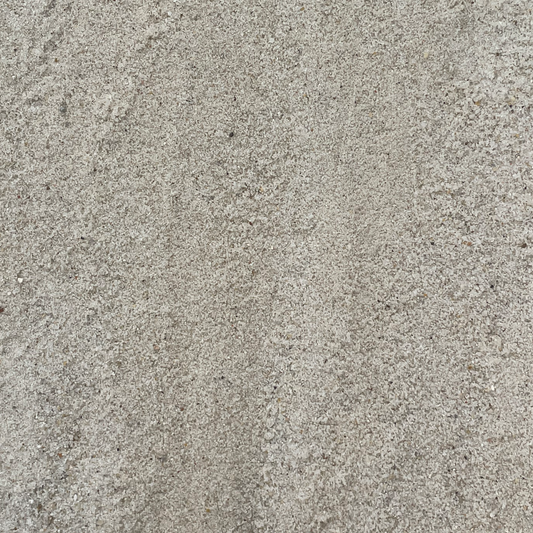
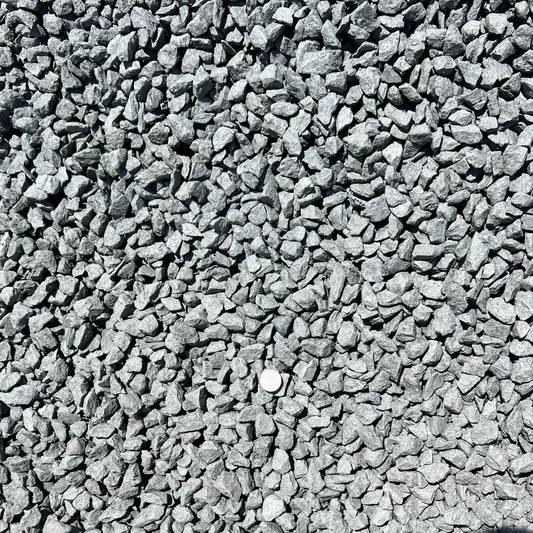
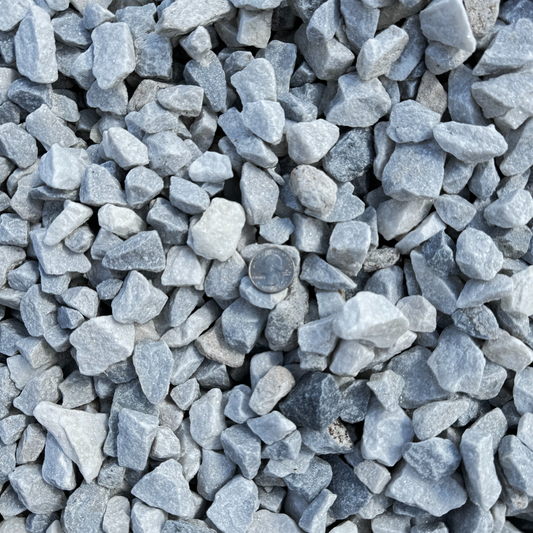
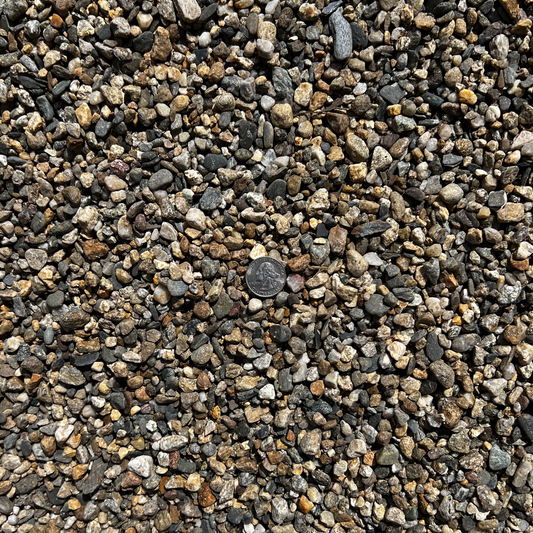
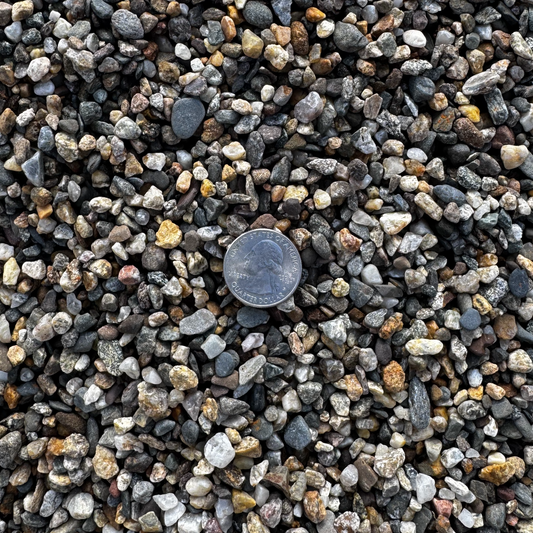
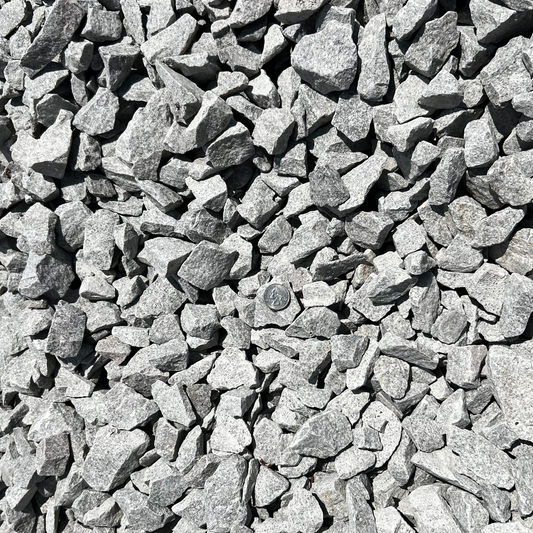
| Patio and walkway base | Prime working conditions | Dense Pack ¾"–, #610, Paver Sand |
| Drainage and French drains | Before the autumn rain | #57 Stone |
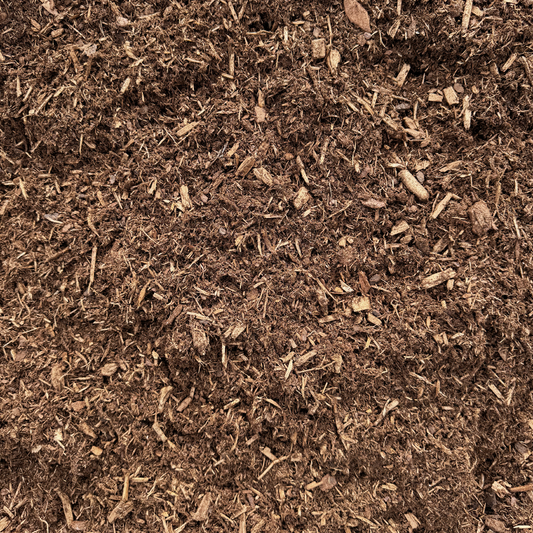
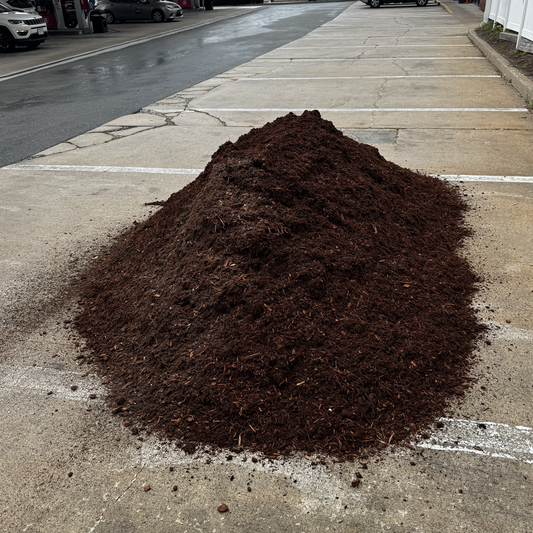
| Mulch refresh | Ahead of leaf drop | Any bark mulch |
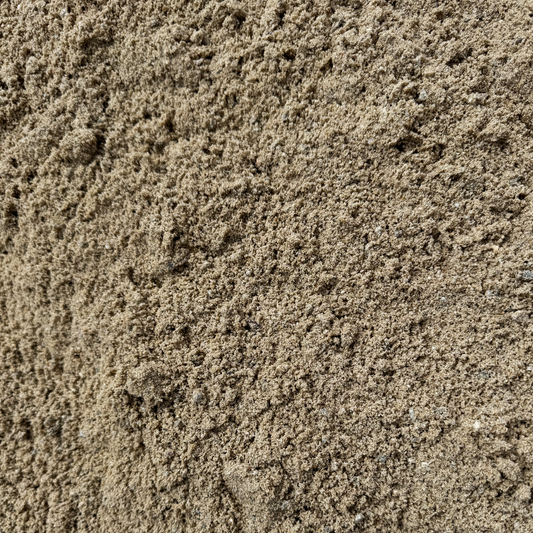
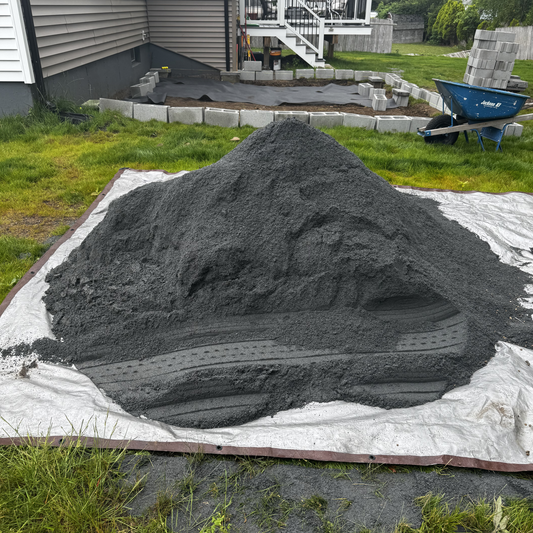
| Winter traction material | Plan now, deliver later | Coarse Sand, stone dust |
What starts in September?
Fall planting is the big one. Soil stays warm past the point the air cools, so roots on a September-planted tree keep growing into November with no canopy demanding water. For most deciduous trees and shrubs autumn beats spring outright.
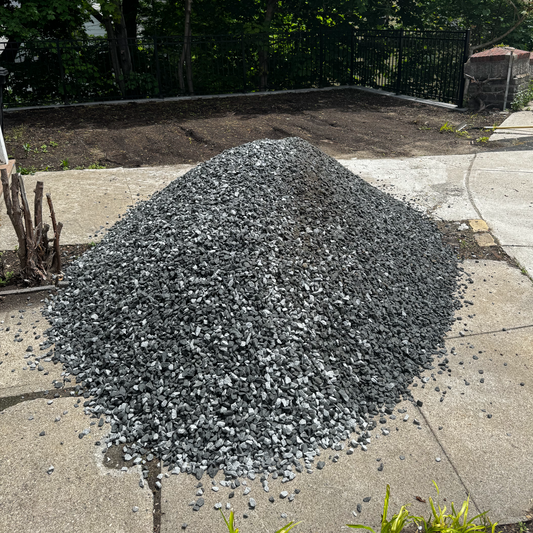
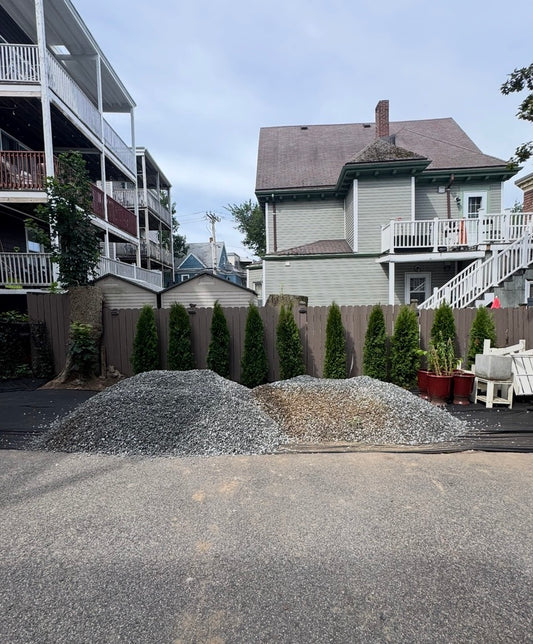
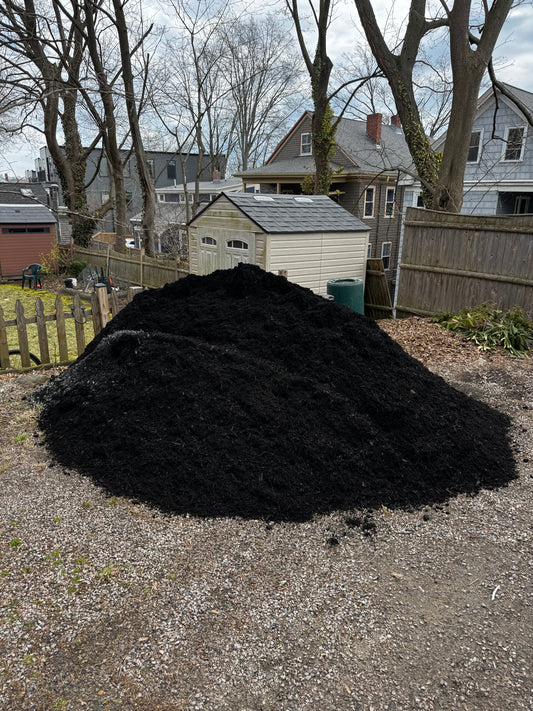
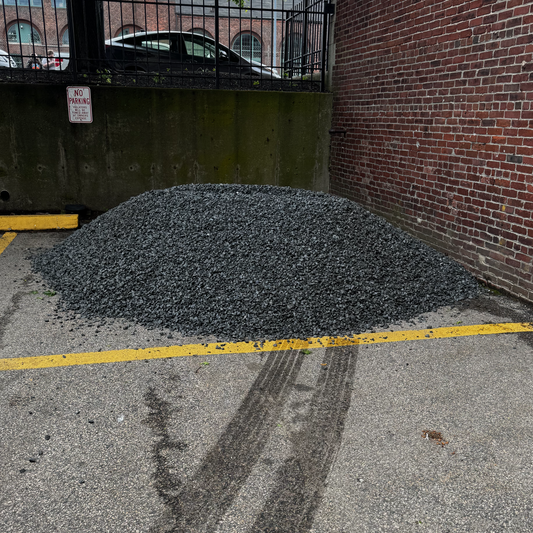
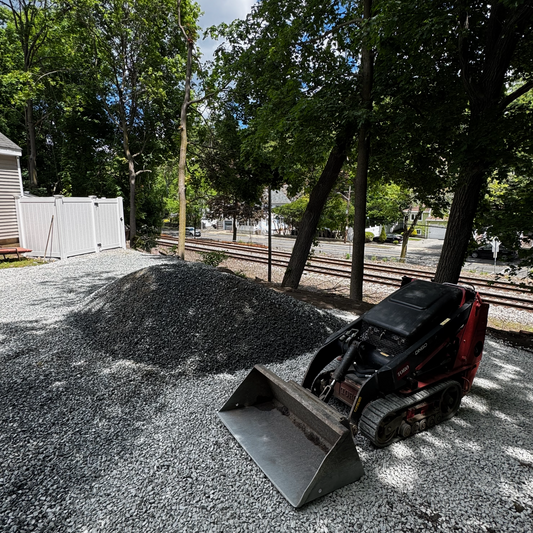
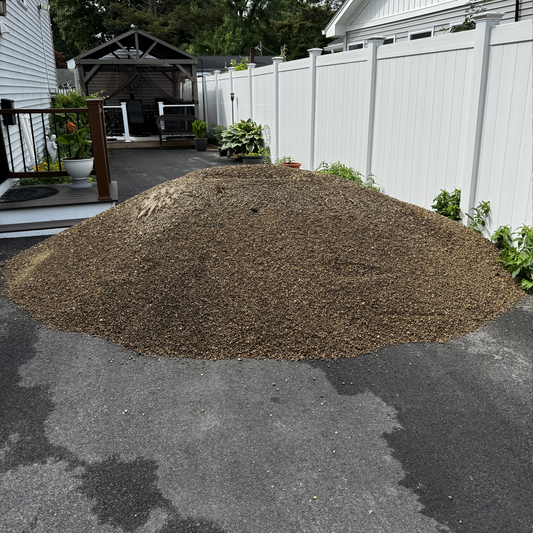
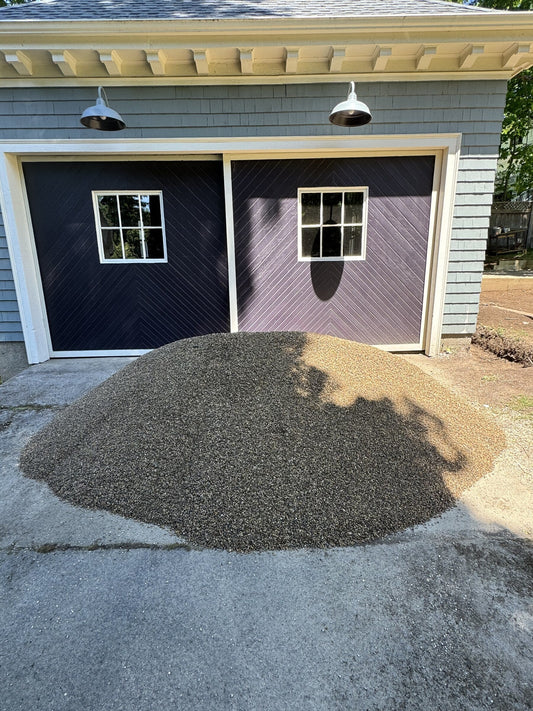
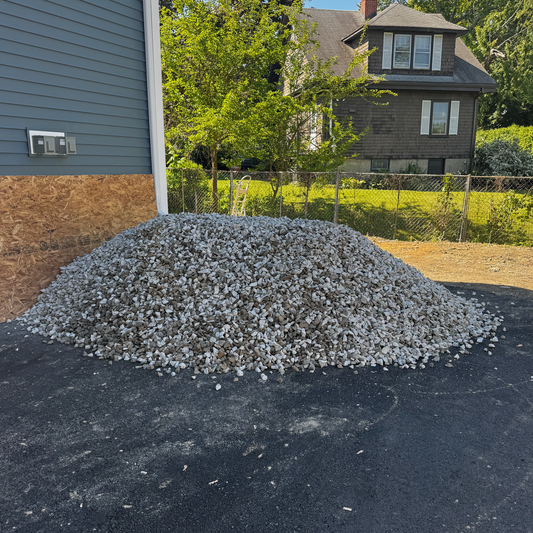
Hardscape follows the same logic from the other direction. Base work wants firm, dry subgrade — the two things August heat and November rain each take away. A small, ordinary version of that job is in this Bellingham shed pad delivery. Drainage is the one people leave too long: far easier to trench in dry September ground than in a saturated backyard in November.
What does the weather do to the schedule?
Directionally, and without pretending to forecast: days shorten quickly, and soil temperature lags air by several weeks — which is why the planting season outlasts the growing season. NWS Boston is the source for the actual trend, and UMass Extension's turf program tracks what it means for grass.
What should you order early?
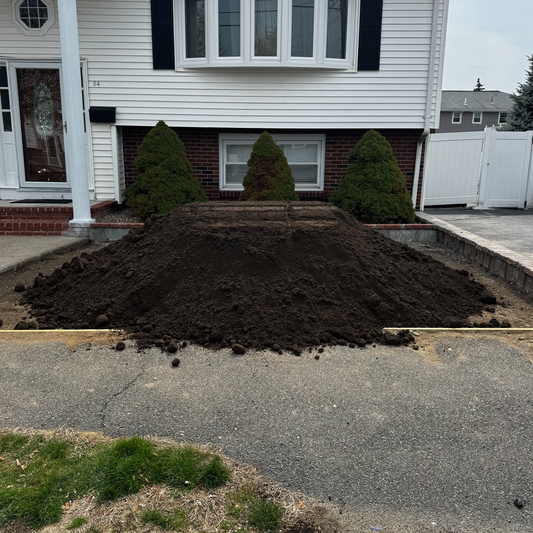
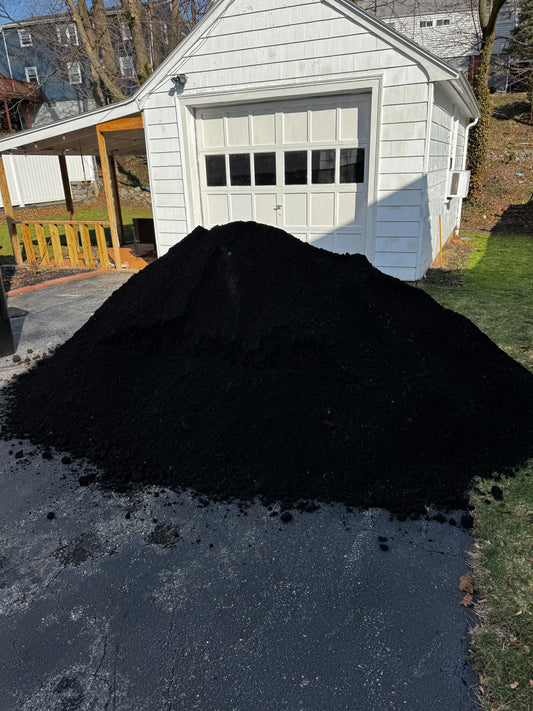
Loam and compost demand climbs with the seeding window. Base stone runs steadily to the first hard frost, then stops abruptly. If a job has a weather deadline, order the material a week or two ahead of when you plan to work. Browse all materials or soil; Screened Loam is $55 a yard.
Winter is early for most people, but not for anyone managing a driveway or a small lot. Traction material is the one category where the whole market wants the same thing on the same afternoon — see snow and ice management.
Where does Norfolk County sit on delivery?
Delivery is $100 per load inside 30 driving miles of our Dispatch Office in Dorchester, plus $4 for each mile past 30. The county straddles that line: inner-ring towns are comfortably inside it, while the southwestern end toward Franklin and Bellingham is where the adder can begin. The fee is charged per load, and loads are counted per line item. Mulch caps at 10 yards per trip; stone, sand and soil at 6.
Questions we are getting this week
Is it too late to overseed in Norfolk County?
Not yet. You have roughly the first two weeks of September, and a little longer with a rye and tall fescue blend rather than bluegrass.
Should I do the lawn or the patio first?
The lawn. Seeding has the harder deadline; base work has good conditions through October.
When does mulch demand peak in the fall?
The weeks before leaf drop, generally late September into October.
Do you deliver to all of Norfolk County?
Yes. We serve Suffolk, Middlesex, Norfolk, Essex, Plymouth, Bristol and Barnstable Counties — more than 460 areas — sold by the cubic yard with no minimum order.
Whatever is on the September list, size it now. Start in all materials, run your ZIP for the exact price, or text (617) 286-2740.