This question arrives every year in the last week of August, from someone who meant to seed on the fifteenth.
What sets the cutoff?
Not the calendar and not air temperature. Cool-season grasses germinate with soil between about 50 and 65 degrees and keep rooting until it drops below 50, which happens here in late October. A seedling needs six to eight weeks of rooting to survive a winter of freeze and thaw. Count back from November 1 and you land in the first half of September.
What happens if you seed too late?
The seed still germinates — that is the trap. A thin green fuzz comes up in October on roots an inch long, and the first hard freeze-thaw heaves those seedlings out. The worst window is late October through mid-November: warm enough to sprout, too late to root.
Does the grass type change the date?
| Seed | Germination | Weeks to establish | Last practical date |
|---|---|---|---|
| Perennial ryegrass | 5–10 days | About 6 | Around Sept 25 |
| Tall fescue | 7–14 days | About 7 | Around Sept 20 |
| Fine fescues | 7–14 days | About 7 | Around Sept 20 |
| Kentucky bluegrass | 14–28 days | About 9 | Around Sept 5 |
If it is already mid-September, drop the bluegrass. Rye is up in under a week and holds soil while tall fescue catches up. Dates run a few days later toward the water in Duxbury and Plymouth than inland. NWS Boston tracks the cooling trend.
What if you have missed it?
Wait for spring. April works, but you are seeding into crabgrass season and cannot use a pre-emergent on new seed. A spring lawn is a weaker lawn than a fall one.
Or dormant seed. Late November into December, once soil is consistently below 40 degrees and nothing will germinate. The seed sits through winter, gets worked in by freeze and thaw, and comes up at the first spring warmth. It works well on the sandy outwash covering most of Plymouth County, from the Carver pine barrens toward Wareham, because that ground drains hard. The risk is wash, so skip it on slopes.
What material do you need?
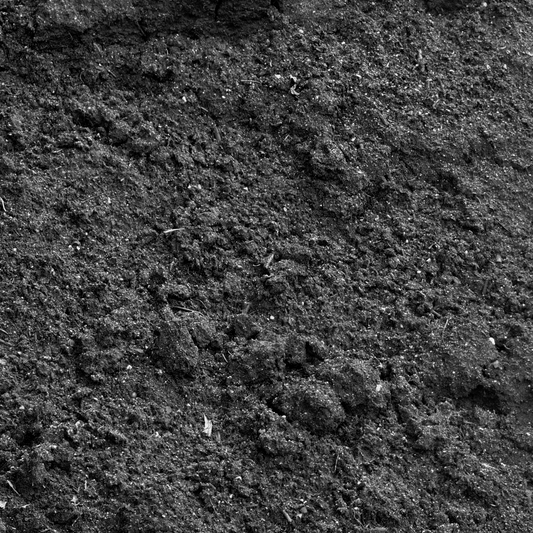
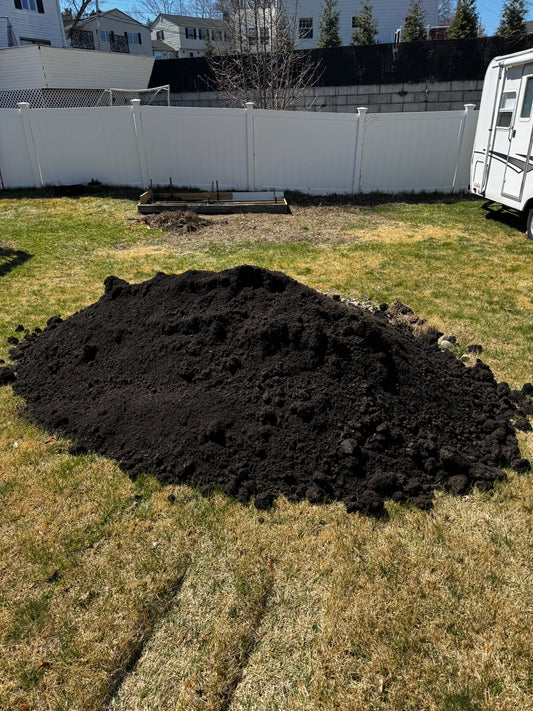
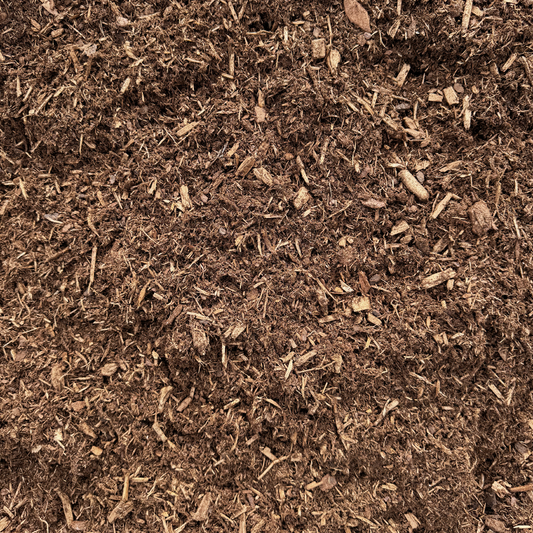
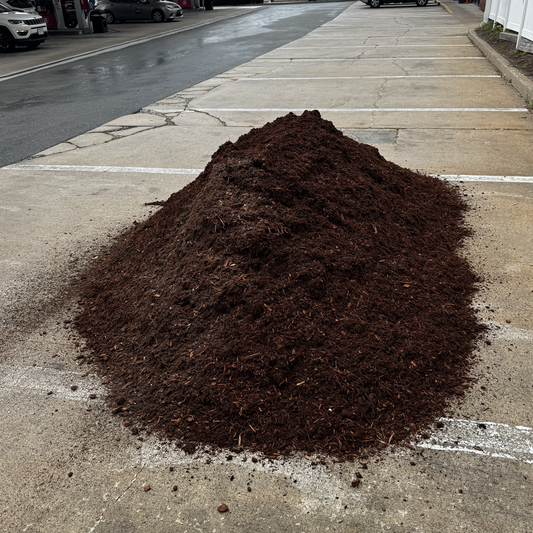
Less than you think. A quarter-inch topdressing is enough of a seedbed: cubic yards = (square feet × depth in inches) ÷ 324, so 5,000 square feet takes 3.9 yards. Depth tables are in how much loam you need to topdress a lawn. On sand, weight the blend toward organic matter: Screened Loam gives a seedbed, compost holds water. Both are in soil.
How does delivery work down here?
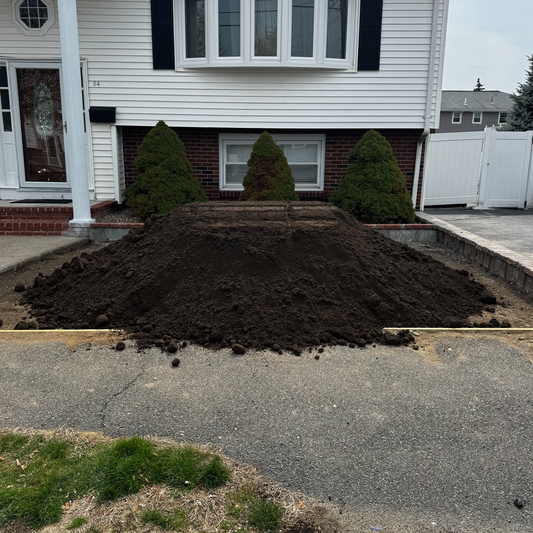
Delivery is $100 per load inside 30 driving miles of our Dispatch Office in Dorchester, plus $4 for every mile beyond 30. The northern end of the county sits inside the flat zone; the town of Plymouth and the south coast are well past it. And to be clear about one thing we get asked: Brockton is a delivery destination, not a yard — everything leaves from Dorchester.
Frequently asked questions
Is September 30 too late to seed in Plymouth County?
For a lawn you want to keep, yes. Seed may germinate, but the seedlings will not root deeply enough to survive winter heaving.
Can I overseed thin turf later than I can seed bare soil?
Slightly. Existing turf shelters new seedlings and slows heaving, which buys a week, not a month.
How much water does September seed need?
Keep the top half inch damp — two or three short cycles a day until germination. Cooler air means less watering than August needs.
Should I fertilise a late seeding?
A starter fertiliser at seeding, then follow your soil test. UMass Extension's turf program publishes regional timing.
What is coming next month?
The September outlook is in what changes in September.
If you are reading this before mid-September, order and get it down. Pick your yardage in lawn levelling and repair, or text (617) 286-2740 and we will tell you honestly whether it is worth doing this year.