Quick Answer
Lexington's clay-loam soils plant trees beautifully when you respect three rules: wide-and-shallow hole (twice the root ball width, only as deep as the root flare), 75% native soil + 25% compost as backfill (don't over-amend — the roots have to leave the hole eventually), and mulch as a donut, not a volcano. A 5-gallon-bucket-deep watering twice a week through October gets a 1.5" caliper tree through year one. Below: the full process for the typical Lexington container or B&B tree planted in mid-April.
Why the Lexington Soil Question Matters
Lexington's soils run heavy clay-loam in the older neighborhoods (around the Battle Green, Hancock-Clarke, Munroe), shifting to sandier loam as you head toward the Concord and Bedford lines. Either way, the universal mistake is the same: digging a deep, narrow hole and filling it with bagged "tree planting mix." That creates a soil sponge — water collects in the amended hole, drowns the roots, and the tree dies in year three.
The International Society of Arboriculture updated their planting standards a decade ago specifically against this practice. Wide and shallow with mostly native soil. The roots need to leave the hole.
Tools and Materials
- Round-point shovel
- Bypass pruners or sharp knife (for scoring root balls)
- Wheelbarrow
- Soaker hose
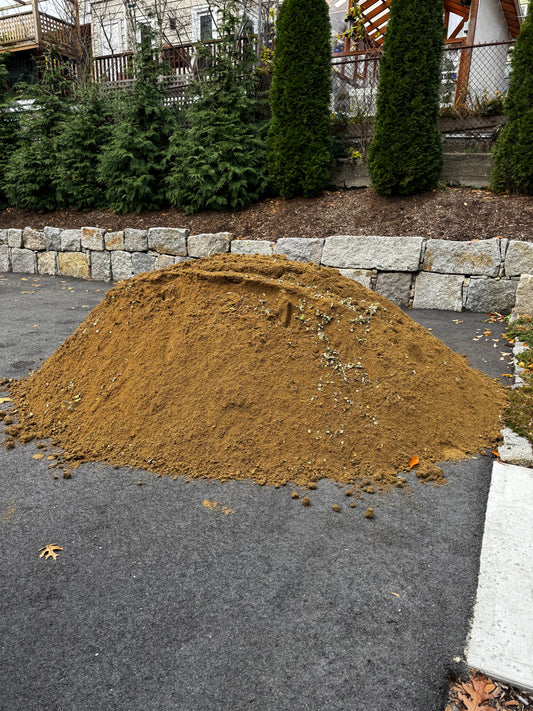
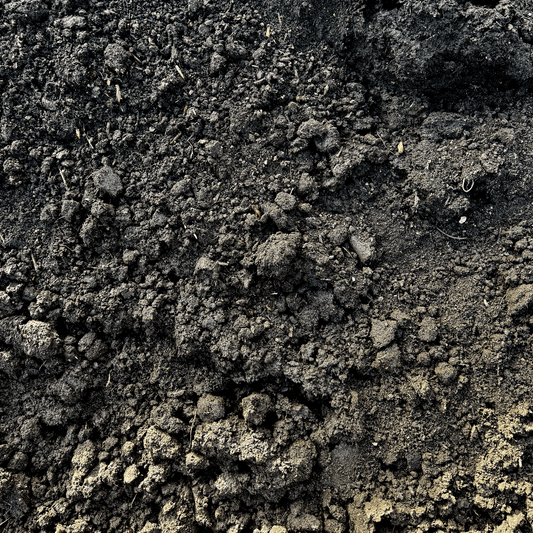
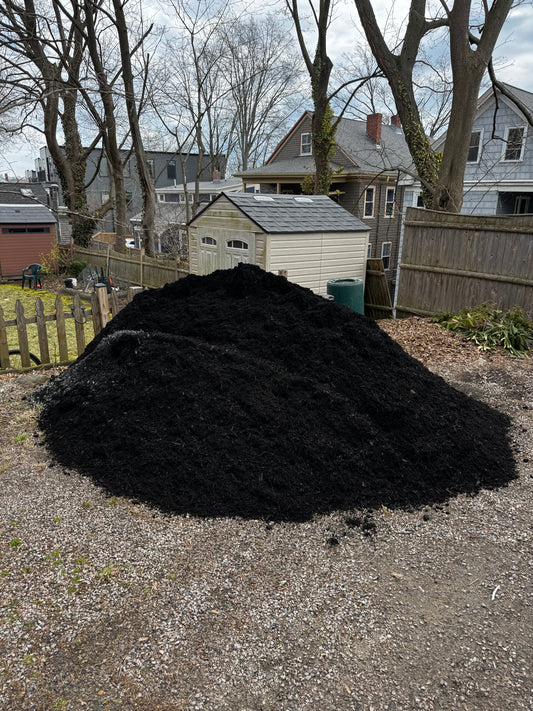
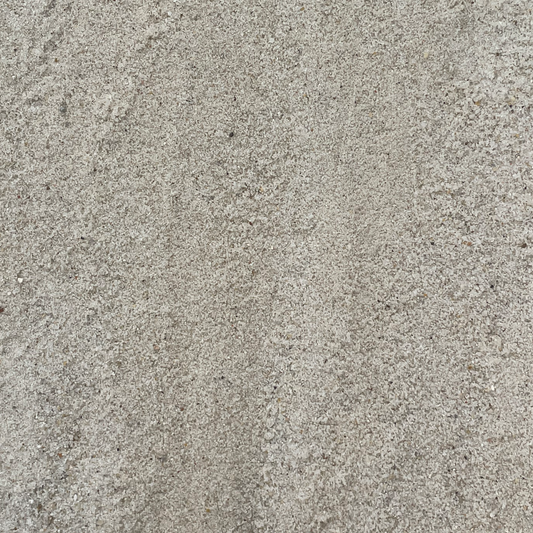
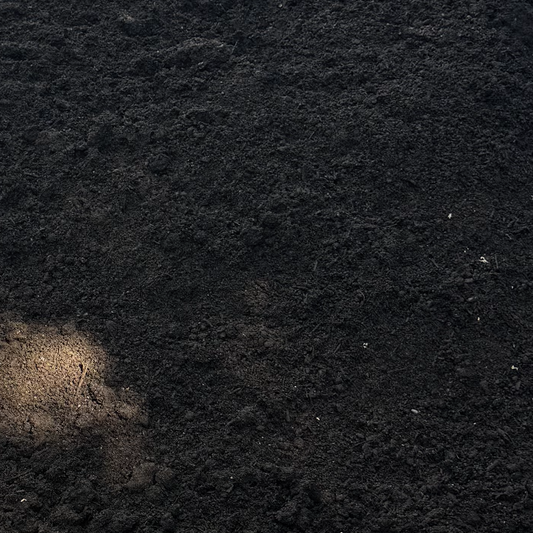
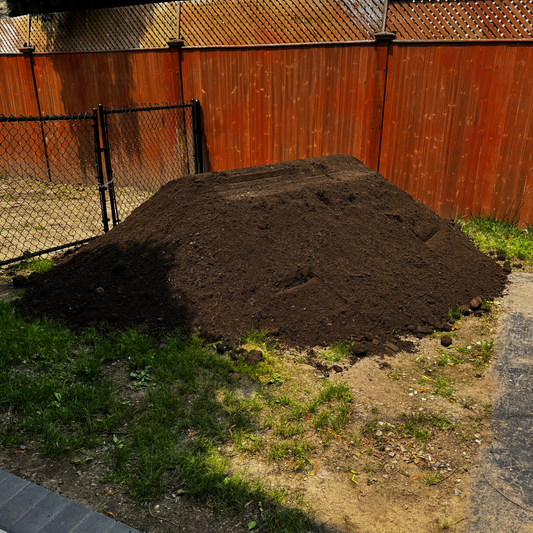
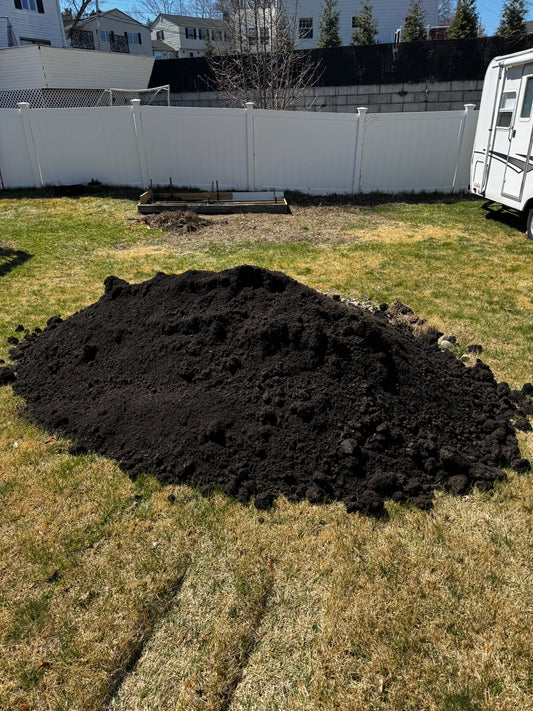
- 2–4 cubic feet of screened loam per tree
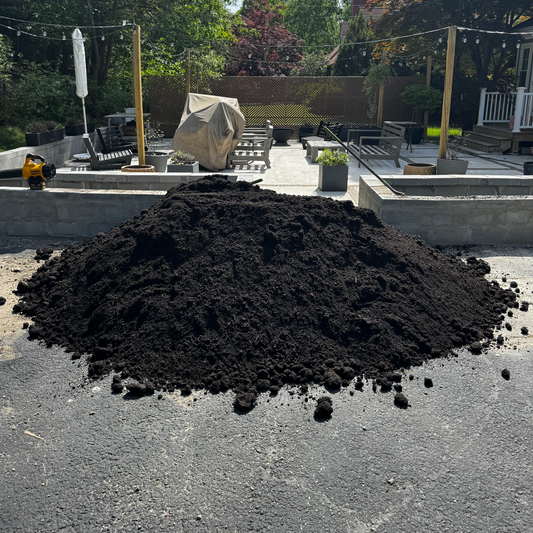
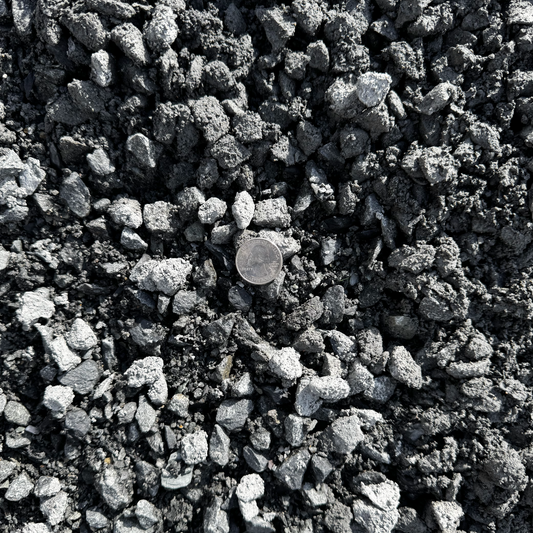
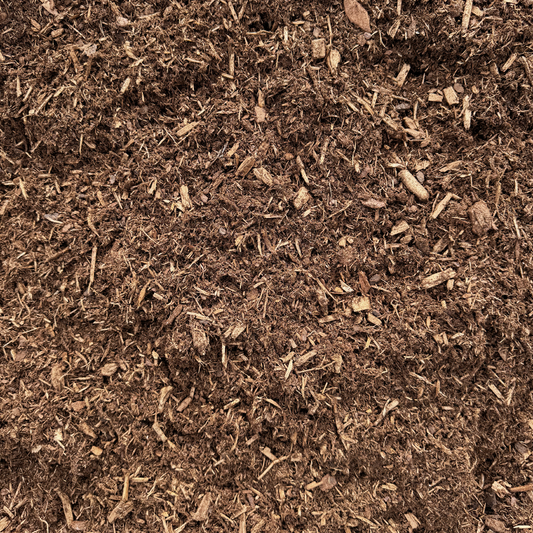
- 1–2 cubic feet of compost per tree
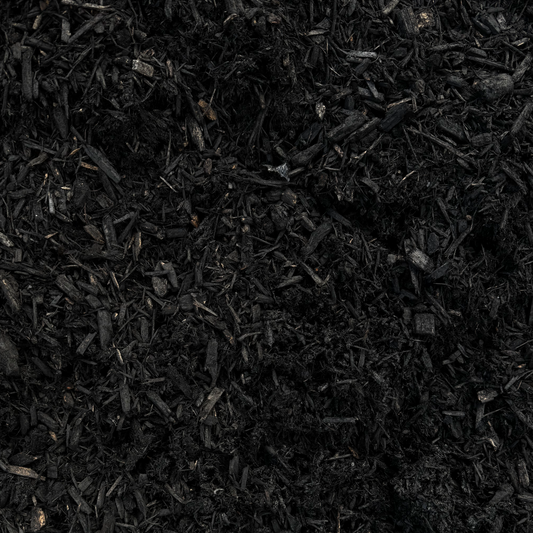
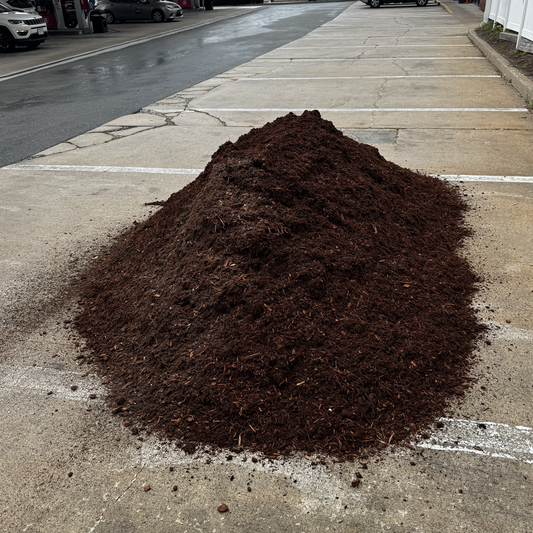
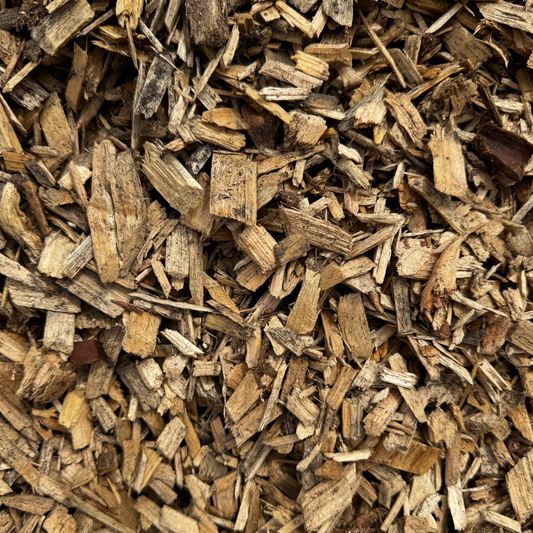
- 2 inches of hardwood or cedar mulch over a 4-foot ring
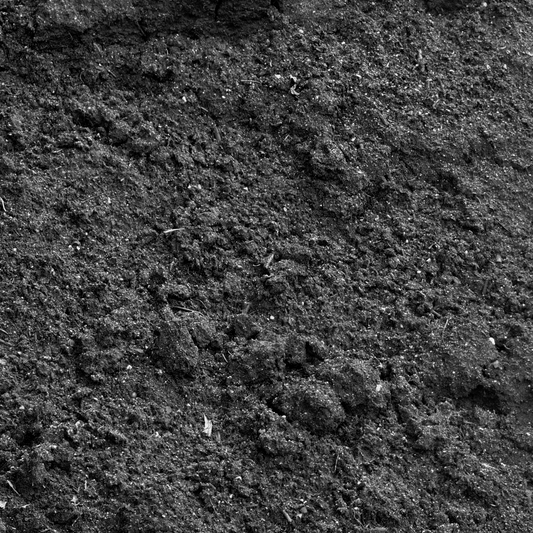
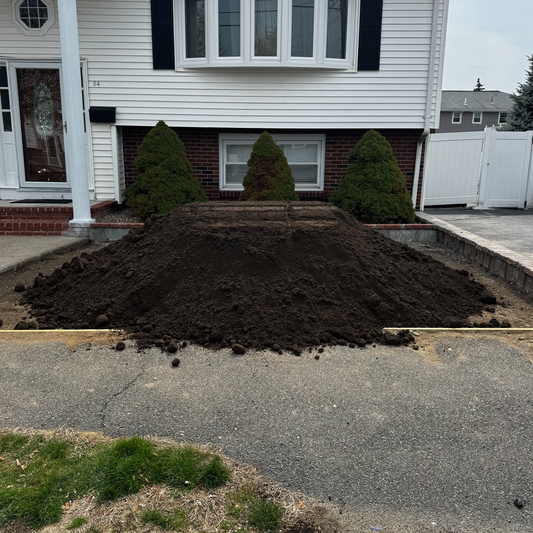
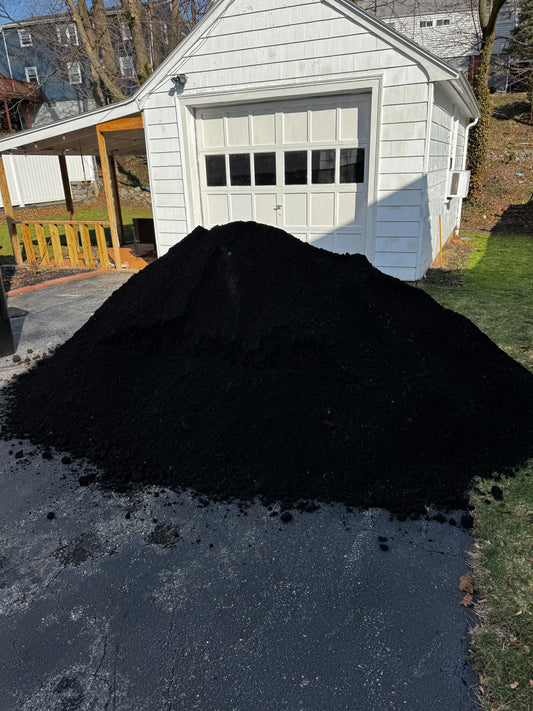
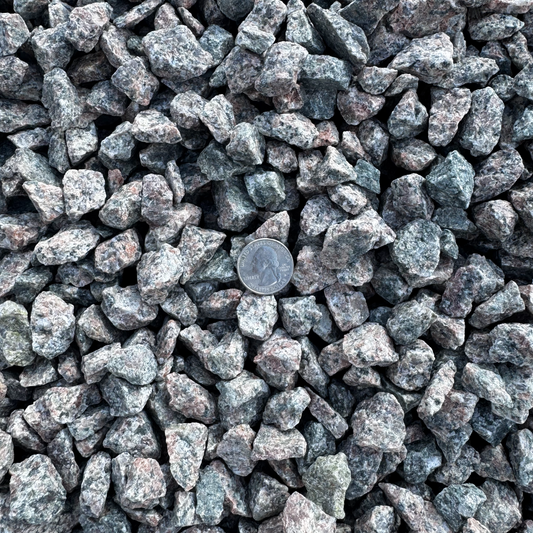
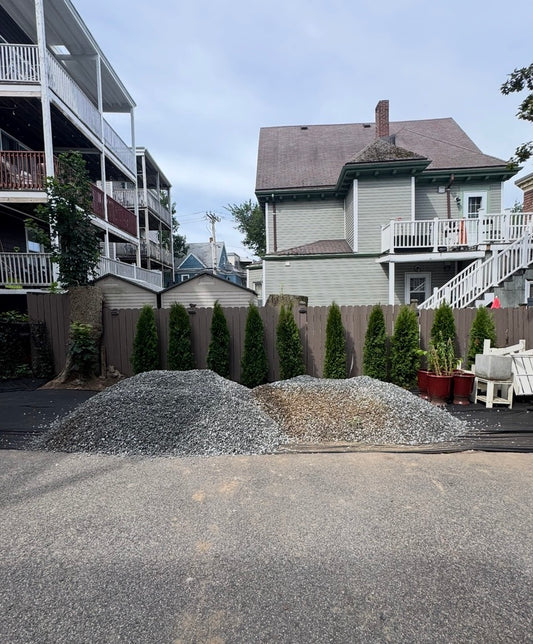
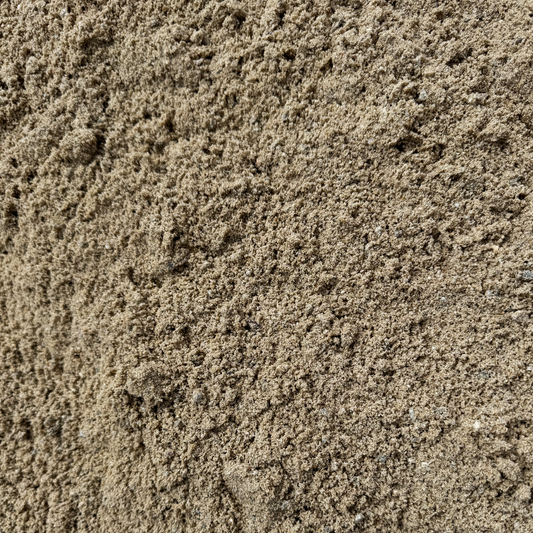
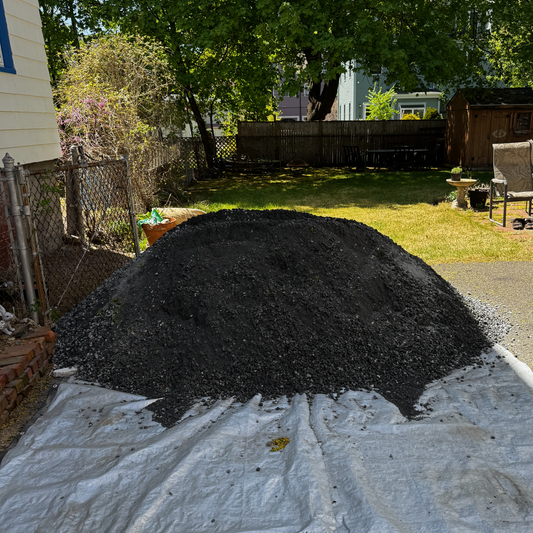
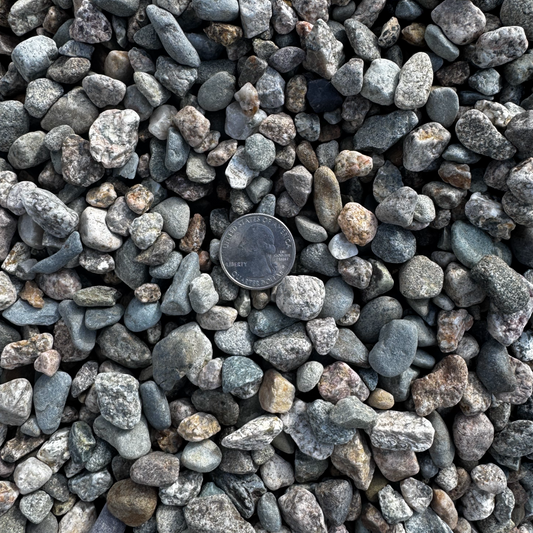
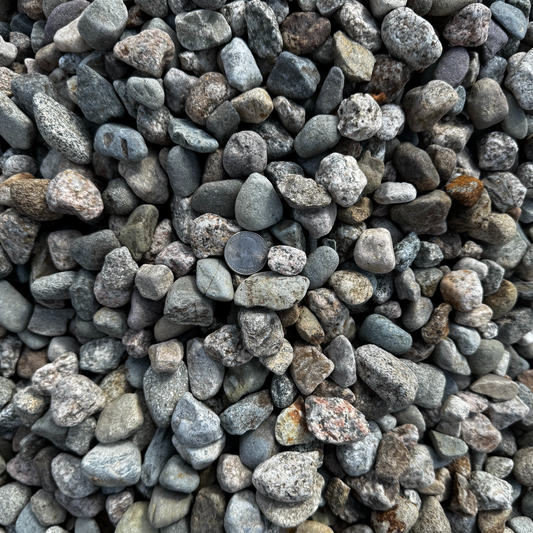
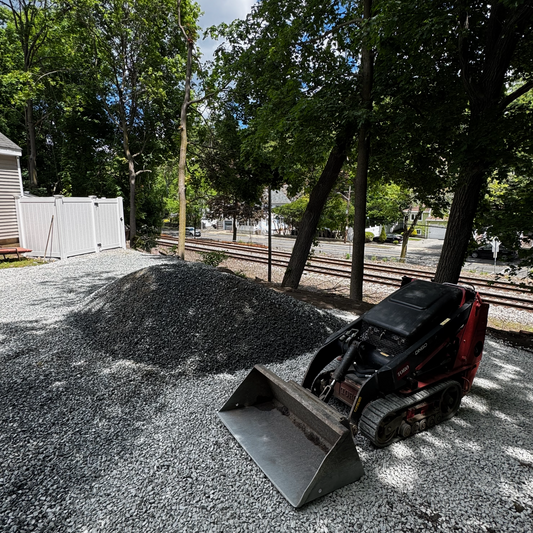
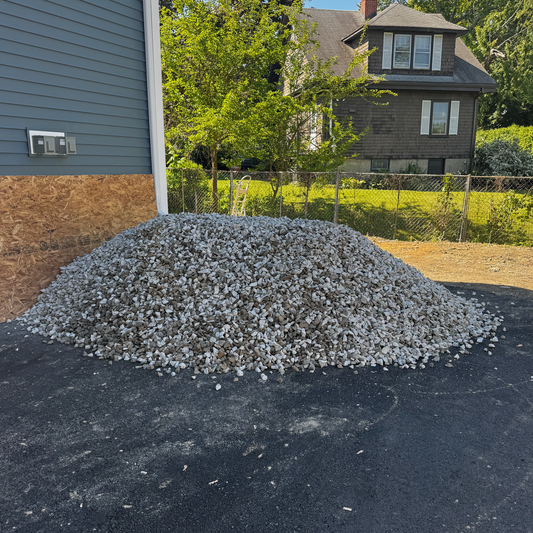
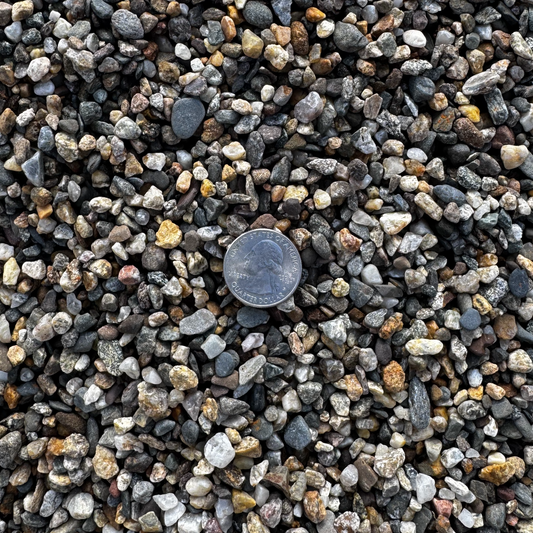
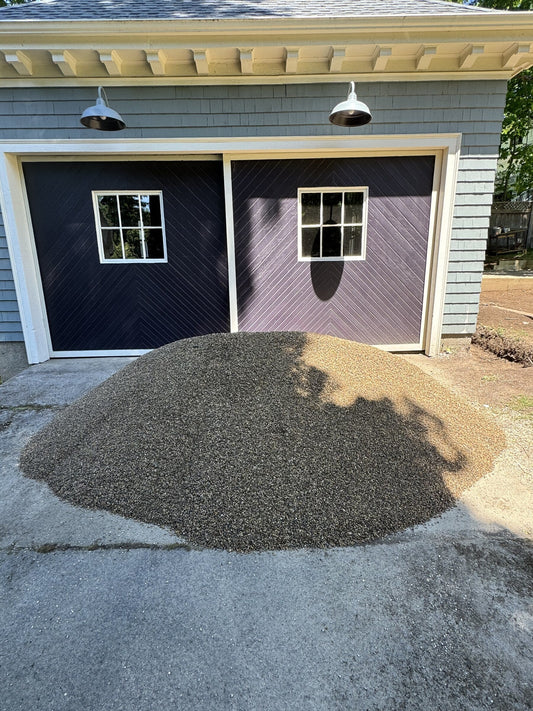
The right pre-blended planting soil and compost — STA-certified per US Composting Council standards — lives in the Plant Establishment & Tree Planting collection. For Lexington-area delivery, the Lexington Landscape Supply page handles small-load scheduling (1–3 yards covers most residential tree-planting jobs).
The Steps
1. Find the root flare
Most container and B&B trees arrive with the root flare buried 1–4 inches below the soil surface. Brush soil off the top of the root ball until you see where the trunk widens out. That's your finish line at grade. Plant the flare too deep and the tree slowly suffocates — the most common Lexington planting mistake by a wide margin.
2. Dig the hole
Twice the root ball width. Only as deep as the root flare to soil-line measurement. Slope the sides outward instead of straight down — this lets new roots grow out instead of circling. Don't smooth the bottom; rough soil grips better than glazed.
For bare-root trees (planted in late March / early April), the technique adjusts slightly — see How to Plant Bare-Root Trees and Shrubs in a Cohasset Yard Before Bud Break.
3. Set the tree
For container trees: slide out, score circling roots vertically with a sharp knife or pruners (4 cuts, top to bottom). For B&B: lift by the ball, never the trunk. Set the tree with the flare at or 1 inch above finished grade. Back away 10 feet and check it's straight. Adjust now.
4. Cut burlap and wire (B&B only)
Once the tree is set, cut the burlap and remove from the top half of the root ball. Cut and pull back the wire basket from the top half. Leave the bottom half in place — you'd disturb roots removing it.
5. Backfill
Mix 75% native excavated soil with 25% compost in the wheelbarrow. Don't go richer — heavily amended backfill creates the sponge problem. Backfill in 4-inch lifts, watering each lift to settle. Do not stomp the soil. Water does the work.
6. Build a watering basin
Form a 6-inch berm of soil in a 3-foot ring around the trunk. The basin holds water during deep watering — critical in the first summer.
7. Mulch as a donut
Spread hardwood or cedar mulch 2 inches deep across a 4-foot-diameter ring, pulled back 4 inches from the trunk. The mulch volcano (mounded against the trunk) kills 30% of newly planted Lexington trees within 5 years. The donut is non-negotiable. Detail in How to Mulch Around a Newly Planted Winchester Tree (the Right Donut).
8. Stake only if necessary
If the tree is over 2" caliper or in a high-wind site, stake loosely with two stakes outside the root ball. Remove stakes after one year. Most Lexington tree plantings under 2" caliper don't need stakes.
The First-Year Watering Schedule
A Lexington tree planted in mid-April:
- Weeks 1–4: 5 gallons every 3 days into the basin
- Weeks 5–12: 10 gallons every 5 days
- Weeks 13 through October: 10 gallons weekly unless rainfall delivers 1" in the prior 7 days
- November: one final 15-gallon deep soak before ground freeze
A soaker hose on a battery timer runs about $40 and handles this automatically. Skip the watering bag products on smaller trees — they encourage shallow root development.
What to Plant
Lexington-suited tree picks: red oak, sugar maple, river birch, eastern redbud, serviceberry, Kentucky coffee tree. For a fuller native list applicable to Lexington as well as Norfolk County, see 5 Native MA Plants That Thrive in Average Norfolk County Suburban Yards.
For tree problems specific to Lexington (boxwood especially), Why Are My Lexington Boxwoods Browning? covers diagnosis and replacement.
For deeper tree-care guidance, Arnold Arboretum and ISA Trees Are Good cover MA-specific species selection and ongoing maintenance.