Quick Answer
Yes — cocoa mulch is toxic to dogs. Cocoa hull mulch contains theobromine and caffeine, the same compounds in chocolate that poison dogs. A 50-pound dog that eats two ounces of fresh cocoa mulch can show vomiting and tremors; larger amounts cause seizures or death. The smell is sweet and dogs eat it. Safer Massachusetts options: hardwood mulch, hemlock mulch, cedar mulch, and pine bark — all dog-safe at typical exposure. Skip cocoa mulch if you have a dog. The cost of one ER visit is greater than 10 years of switching products.
Why This Question Comes Up Every March
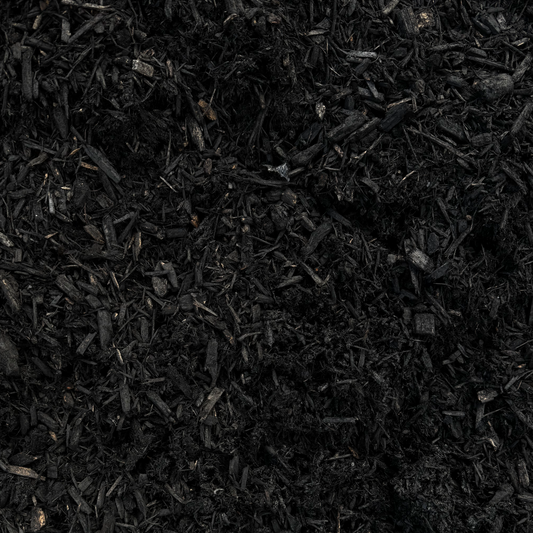
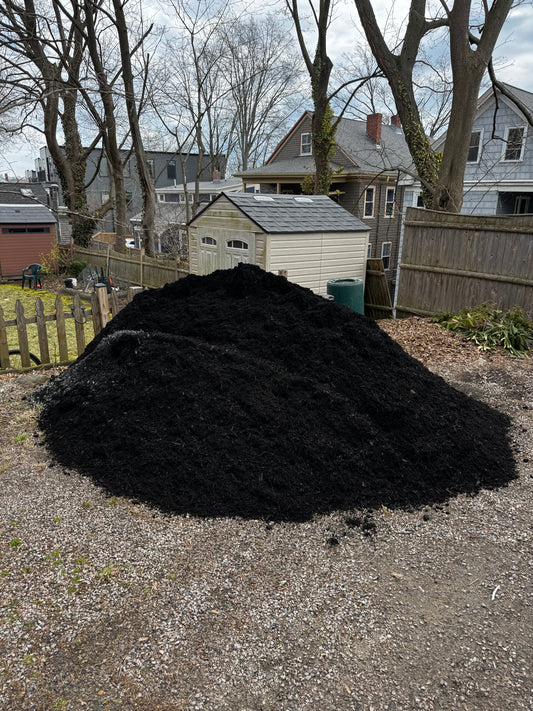
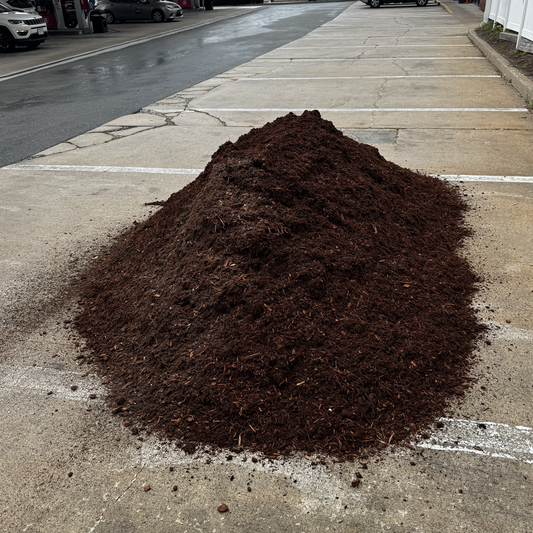
Cocoa mulch shows up at big-box garden centers across Boston, Worcester, and the South Shore every spring. It looks beautiful — deep brown-black, fine texture, and a chocolate scent that markets itself. Massachusetts homeowners pick it up not knowing the smell that attracts them is the same smell that pulls a Lab off a leash.
This Q&A is the one we get most in March from pet households across Newton, Watertown, and Plymouth.
Q: Is cocoa mulch actually dangerous, or is it overhyped?
A: Genuinely dangerous. Cocoa shells are a byproduct of chocolate production. Fresh cocoa mulch contains roughly 0.5–1.5% theobromine and caffeine by weight. The toxic dose for dogs is around 100–200 mg of theobromine per kilogram of body weight. A 50-pound (23 kg) dog hits a dangerous dose at 2–4 ounces of fresh mulch — about a small handful.
The ASPCA Animal Poison Control Center lists cocoa mulch as a confirmed canine toxin and tracks exposure cases every year. This is not a marketing fear story.
Q: My dog walked across cocoa mulch. Is that an emergency?
A: Walking on it is fine. Eating it is the emergency. Skin contact and inhalation aren't toxic exposures. The risk is ingestion — and the issue is that dogs do ingest it. The chocolate scent draws curious dogs to nibble, lick paws after walking through it, and sometimes lie in it.
If you suspect your dog ate cocoa mulch, call your vet or the ASPCA Animal Poison Control hotline (888-426-4435) immediately. Symptoms appear in 6–12 hours: vomiting, diarrhea, hyperactivity, tremors, elevated heart rate, and in severe cases seizures.
Q: What about "aged" or "weathered" cocoa mulch — still toxic?
A: Less toxic, but still risky. Theobromine breaks down with rain and UV exposure, so cocoa mulch from last year's bag is roughly half as potent as fresh. But "half" of a lethal dose is still a vet visit. The honest call is to not buy it at all if there's a dog in the household — yours or your neighbor's, or one walking past your front yard.
Q: What are the safer alternatives in Massachusetts?
A: Plenty. Every mulch Ottr stocks is dog-safe at normal exposure:
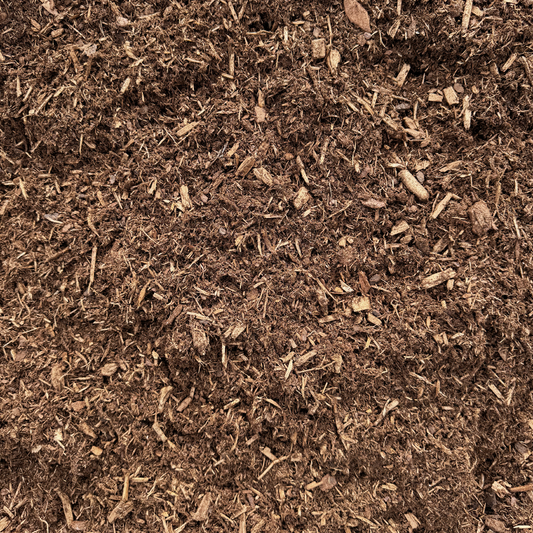
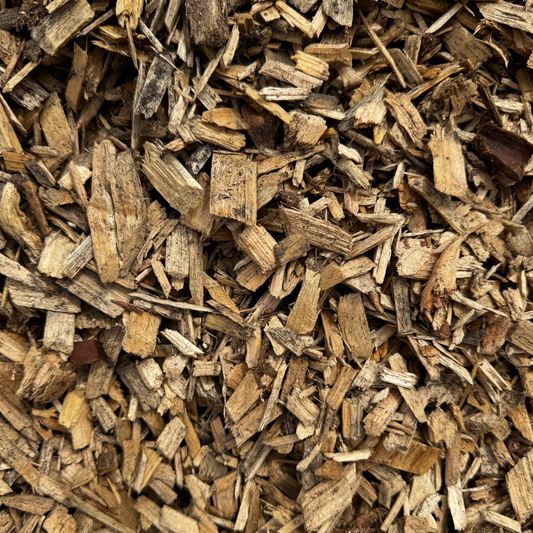
- Hardwood mulch — the workhorse. Dark brown, holds color reasonably well, dog-safe. See 5 Hardwood Mulches That Hold Color in a Sun-Baked Brookline Front Yard for the lineup.
- Hemlock mulch — reddish-brown, clean texture, dog-safe. See Hemlock vs Pine Bark Mulch: A Plymouth County Side-by-Side for the comparison.
- Cedar mulch — light, aromatic (the cedar scent repels some insects), dog-safe. The Ottr Cedar Mulch in a Cambridge Front Bed walkthrough covers where it shines.
- Pine bark mulch — chunky, naturally weather-resistant, dog-safe.
For the full catalog with current per-yard pricing, browse the mulch collection.
Q: Is dyed mulch safe for dogs?
A: Yes — modern dyes are non-toxic. The colorants used in black, brown, and red dyed mulches are iron-oxide or carbon-based pigments approved as food-grade or feed-grade. The concern with dyed mulch is more about what's underneath the dye (sometimes recycled wood with paint or treated lumber residue). Buy from a supplier who screens the wood feedstock. Ottr's dyed hardwood comes from clean, untreated chip-stock — confirmed annually.
Q: What about stone mulch around a dog area — pea stone, river rock?
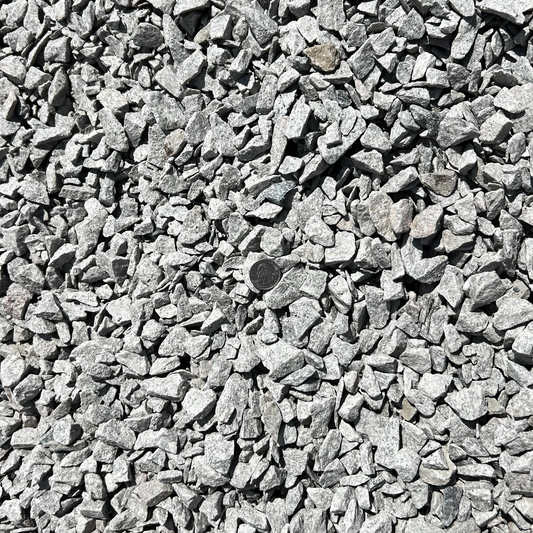
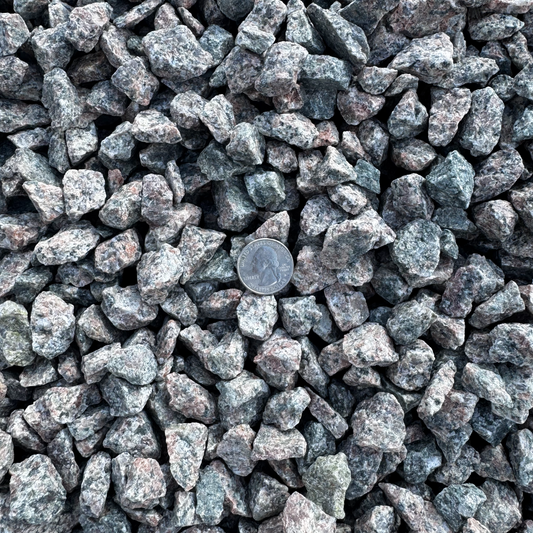
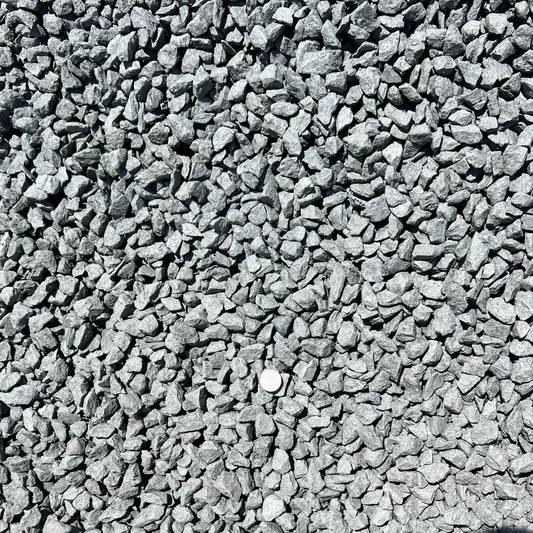
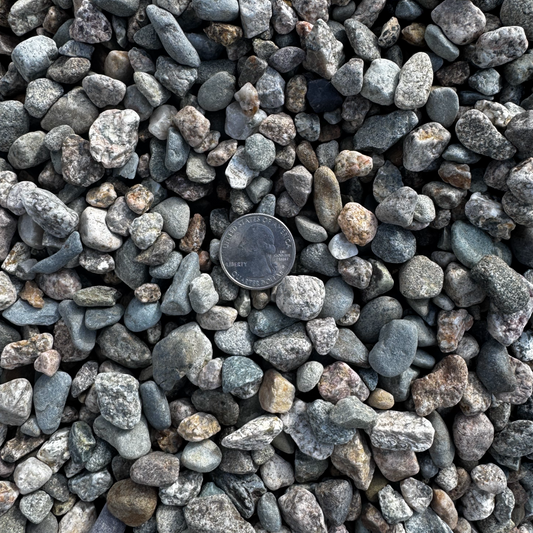
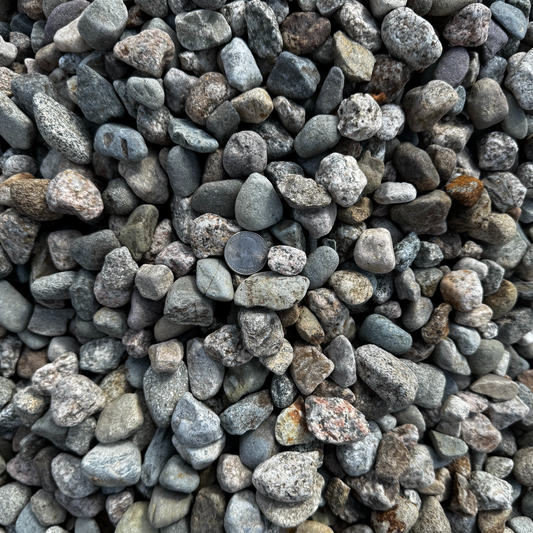
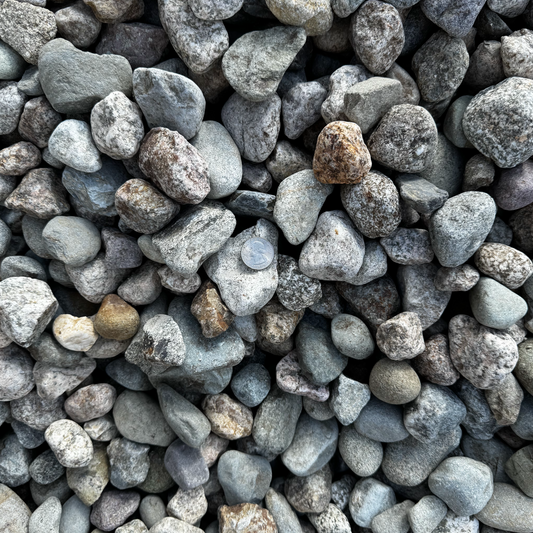
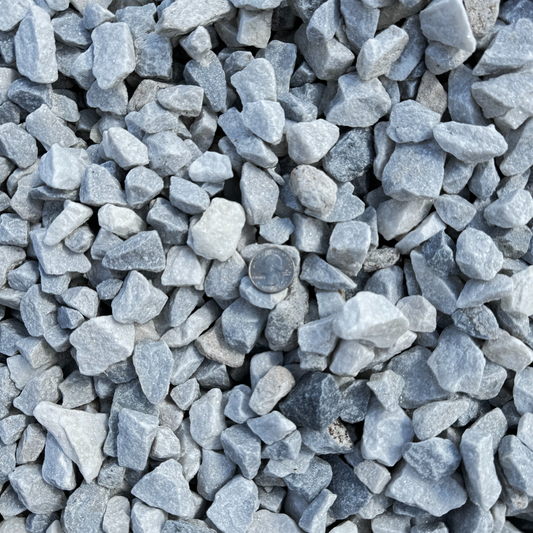
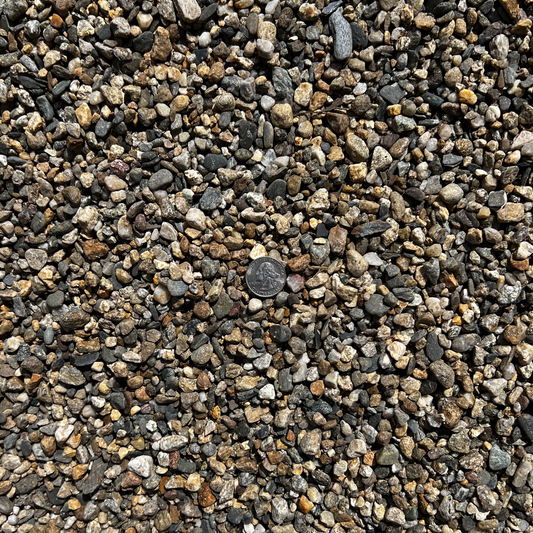
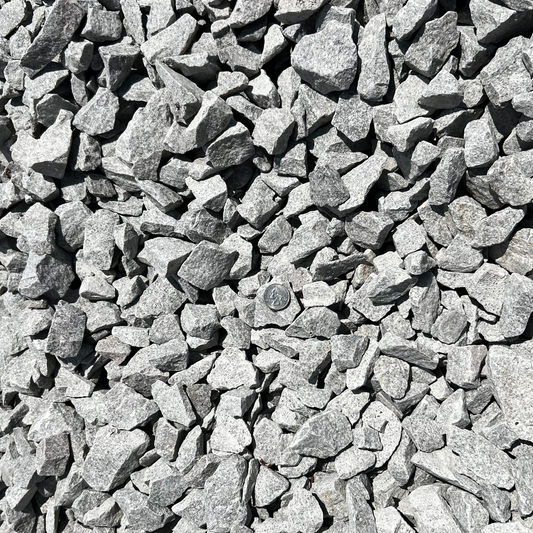
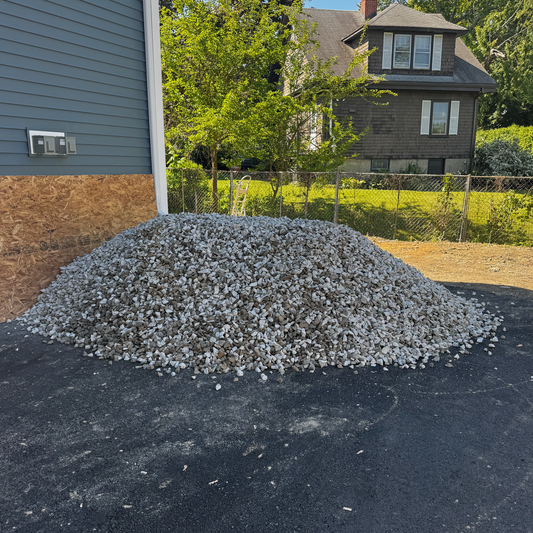
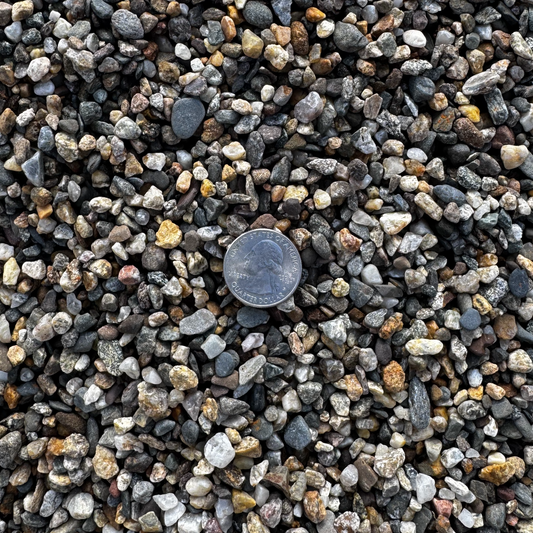
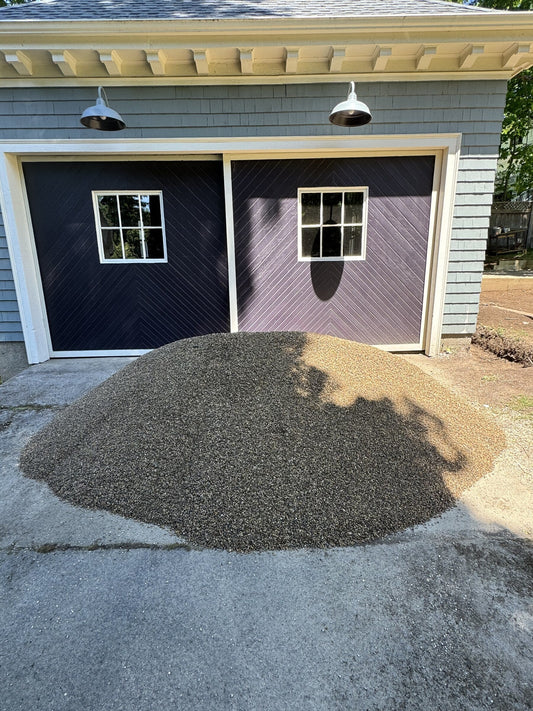
A: All dog-safe. Stone is chemically inert. The questions for a dog yard are about paw comfort and heat: smooth river rock and pea stone are easy on paws; sharp angular crushed stone is rougher and gets hot in summer sun. For a Watertown backyard worked example, see 5 Pet-Safe Mulch and Stone Picks for a Watertown Backyard.
Q: What's the right mulch depth around a dog area?
A: 2 inches — the standard rule applies. Dogs that dig will move mulch around regardless of depth, but starting at 2 inches keeps the bed performant without burying plant crowns. The mulch-depth math holds across all materials — see The Two-Inch Rule for the full breakdown.
Q: Are there other yard materials toxic to dogs I should watch?
A: A short list worth knowing. - Cocoa mulch (covered above). - Compost with onion, garlic, grape, or chocolate scraps — keep dogs out of the compost bin. - Some fertilizers — bone meal and blood meal are dog-attractants and cause GI upset. - Some plants — sago palm, lily of the valley, oleander are highly toxic; check the ASPCA toxic plant list before planting.
The UMass Extension Landscape program maintains MA-specific guidance on plant choices for households with pets.
Q: I already laid cocoa mulch. What now?
A: Rake it up and replace it. If your dog hasn't reached it yet, you've got a window. Lay a tarp, scoop the cocoa mulch off the bed, dispose with regular yard waste (it's fine for the landfill, just not your dog), and re-mulch with hardwood or hemlock. This is a Saturday-afternoon project, not a contractor call.
The Pet-Safe Yard Playbook
- Before buying mulch: confirm the species (hardwood, hemlock, cedar, pine bark) — never cocoa.
- For new dog households: swap the mulch type at the first refresh, not before. Existing safe mulch doesn't need replacing.
- For dog yards specifically: smooth pea stone or river rock for the high-traffic zones, hardwood mulch in the planted beds.
- Around the compost bin: secure the lid. Dogs find compost more dangerous than mulch most of the year.
- For boarders, pet sitters, kids' visiting dogs: know your yard. If a friend's dog visits and you have cocoa mulch, that's an emergency they can't see coming.
The short version: cocoa mulch is the one mulch to avoid in a Massachusetts dog household, and there are four better-performing alternatives at the same or lower price. Dog-safe is also the easier call — fewer phone numbers to memorize.
For more on mulch decisions across the season, the Late February Weather and Why Boston Mulch Beds Look Their Worst Right Now piece sets up the March refresh, and Bagged vs Bulk Mulch for Cambridge Homeowners covers the format question.