Quick Answer
The five materials every new-construction yard in Plymouth County needs in year one: screened loam (4–6 inches across the lawn footprint), 3/4" processed gravel (driveway running surface), 1-1/2" sub-base stone (under the gravel drive and any French drain), bulk hardwood or hemlock mulch (foundation beds and tree donuts), and screened compost (the material most builds skip — for amending the loam before lawn seed). Order all five together; sequencing matters more than picking each one perfectly.
The Year-One Problem
A new-construction yard in Plymouth — Pinehills, the new builds in Halifax, the 2025–26 cul-de-sacs in Carver — looks finished on closing day. The landscape contractor put down loam, hydroseeded the lawn, mulched the front foundation beds, and called it a day. By the second summer, half of those new yards have failed lawns, eroding driveway aprons, and foundation beds where mulch washed out into the lawn.
The cause is almost always year-one material undersupply. The contractor put down what was billed; the homeowner doesn't know what's missing until it fails. Five materials, ordered and applied in year one, prevent the next year's problems.
Browse the new construction site prep collection for full pricing.
#1 — Screened Loam (4–6 Inches Across the Lawn Footprint)
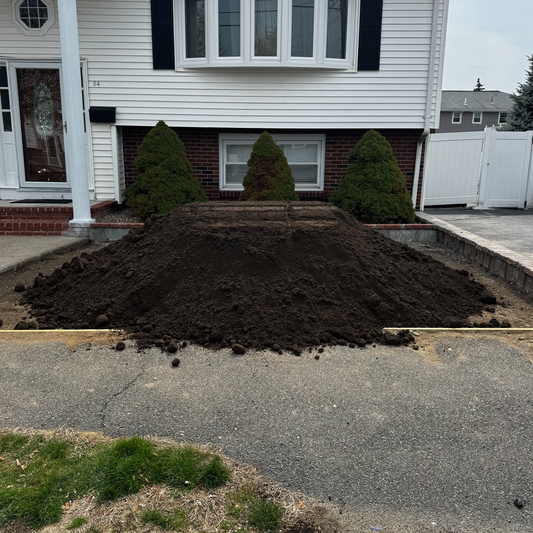
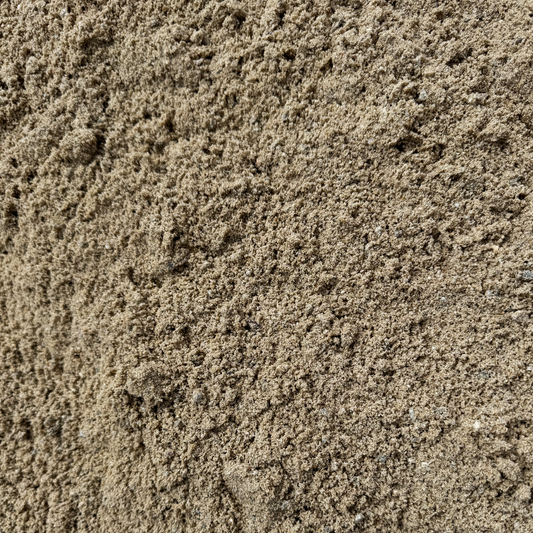
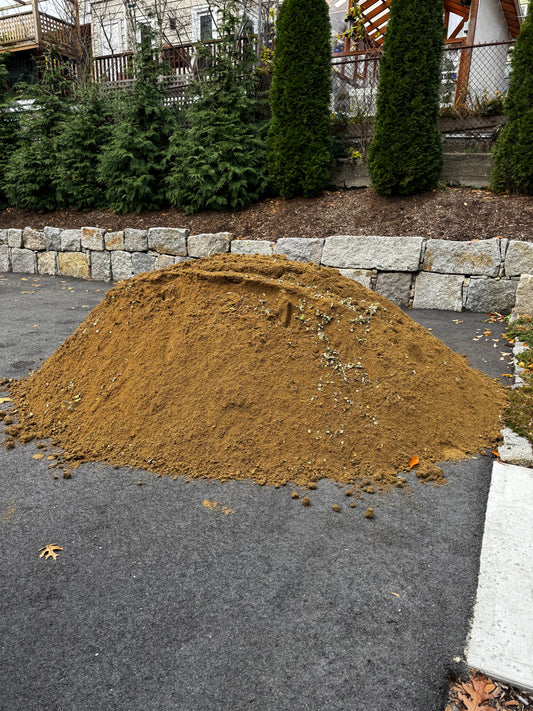
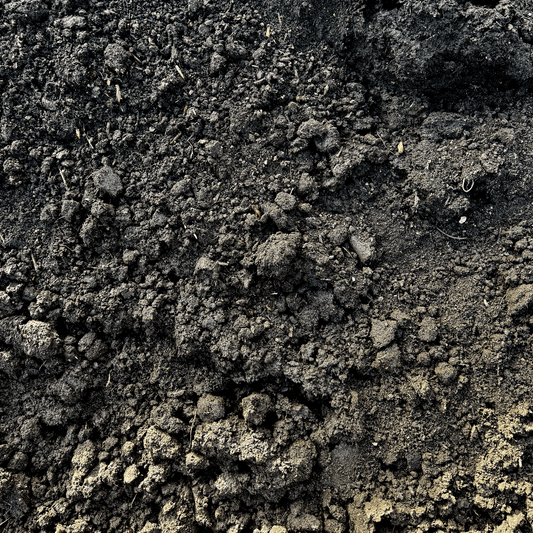
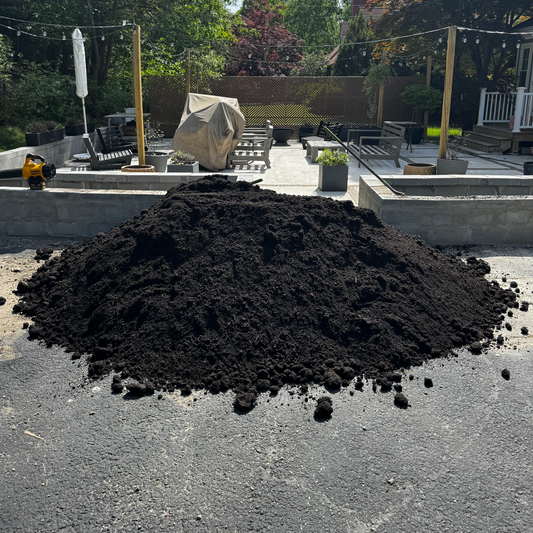
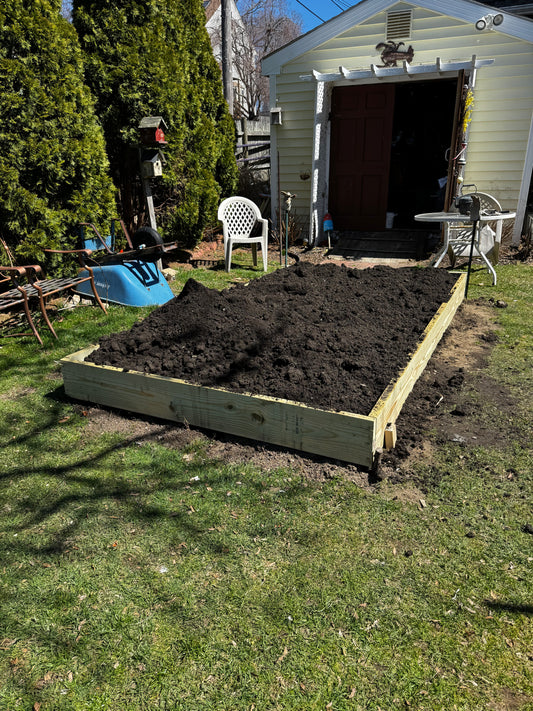
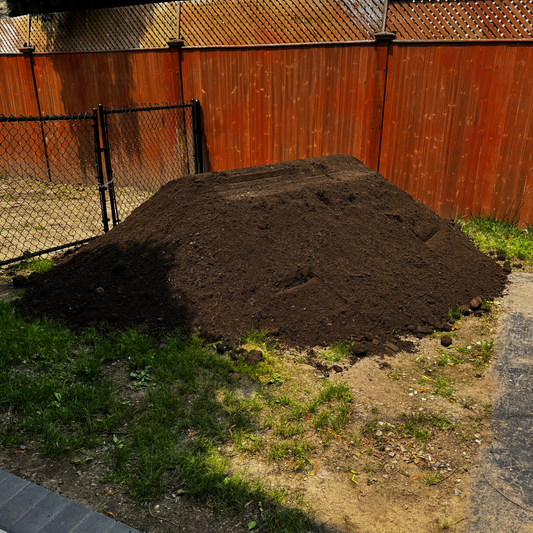
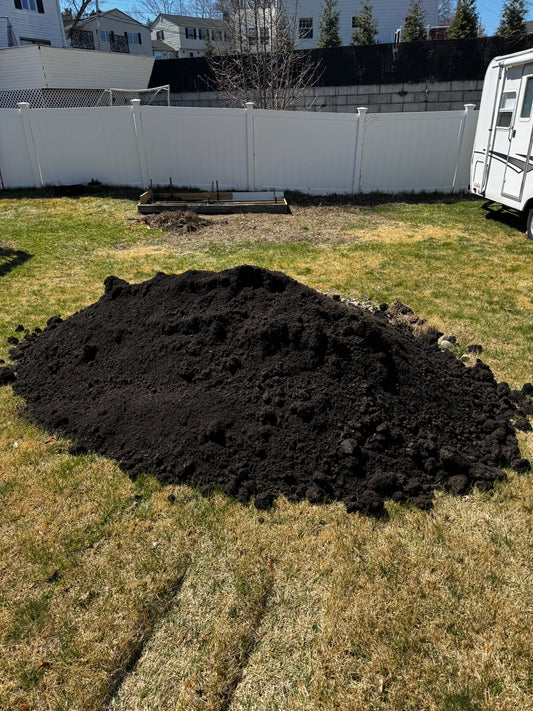
The single biggest year-one mistake is too little loam. New-construction backfill is mostly subsoil and rock — bare clay or gravel that won't grow turf. The minimum is 4 inches of screened loam across the lawn area; 6 inches is better.
Why: Cool-season grasses (Kentucky bluegrass, fescue, ryegrass — the standard MA lawn mix) need 4+ inches of organic-rich topsoil to root. Less than that, the lawn is shallow-rooted, browns in July, and dies in the August drought.
How much: A 5,000 sq ft lawn at 4 inches deep = 62 cubic yards. At 6 inches = 93 cubic yards. Order before the contractor hydroseeds, not after — fixing thin loam under existing turf is much harder than getting it right at install.
Spec: Screened to 1/2 inch. Free of construction debris. Browse Plymouth County landscape supply for current loam pricing. For more on the spring application of loam to fix existing thin spots, see Top-Dressing a Waltham Lawn With Loam: A Saturday Morning Walkthrough.
#2 — 3/4" Processed Gravel (Driveway Running Surface)
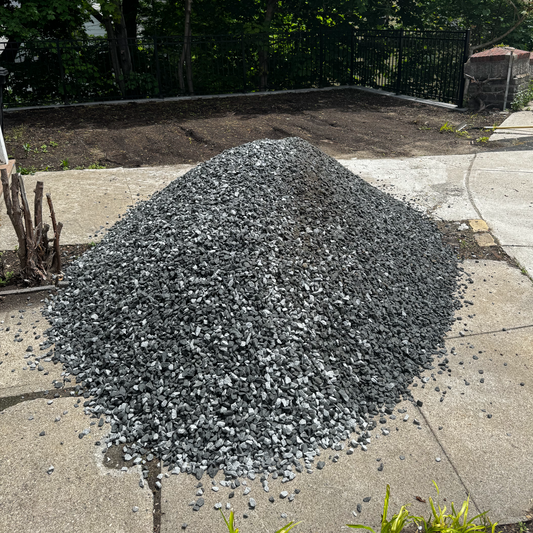
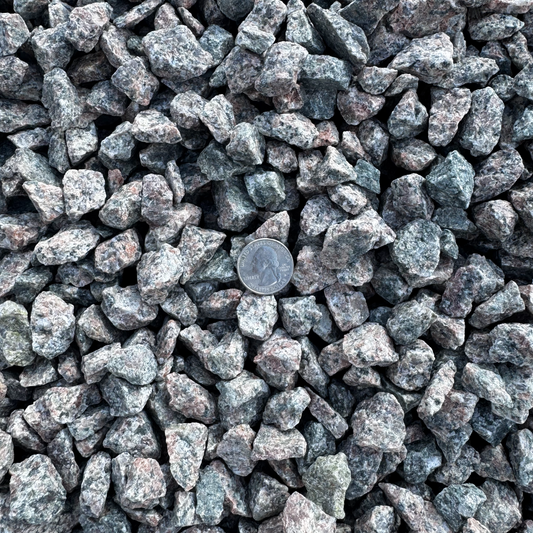
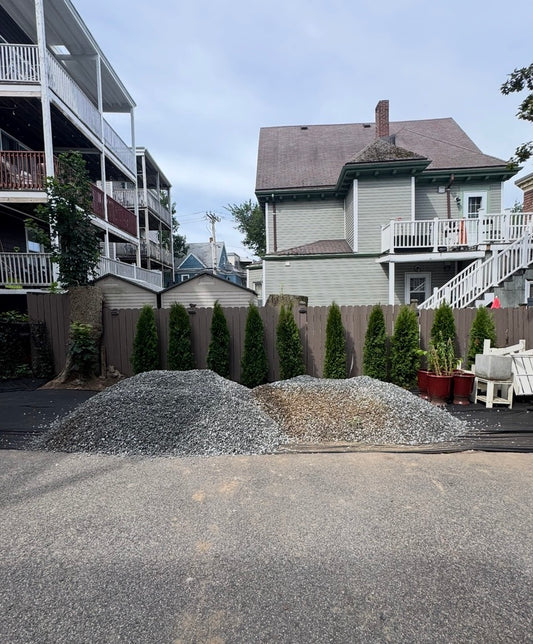
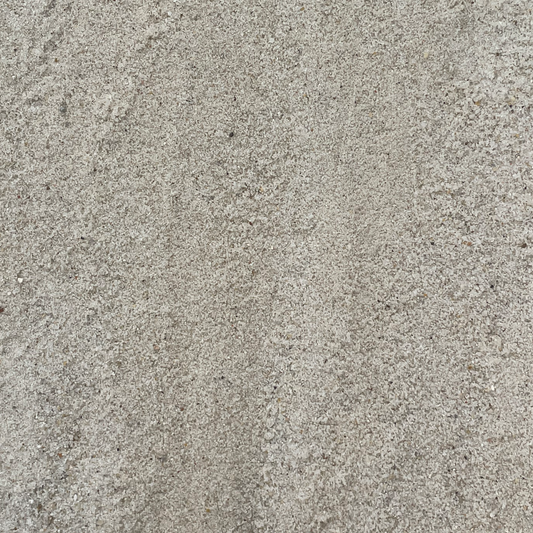
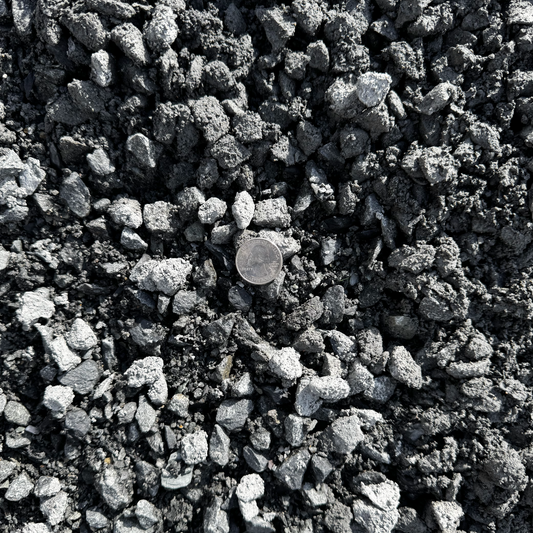
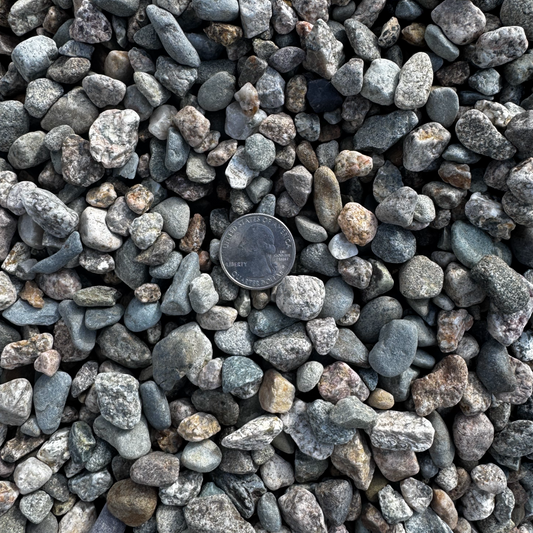
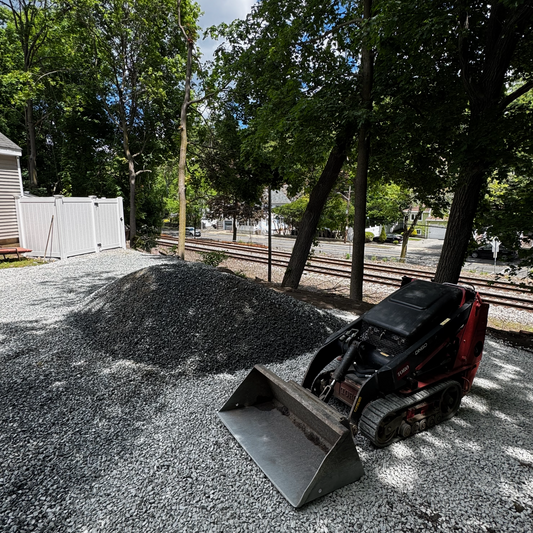
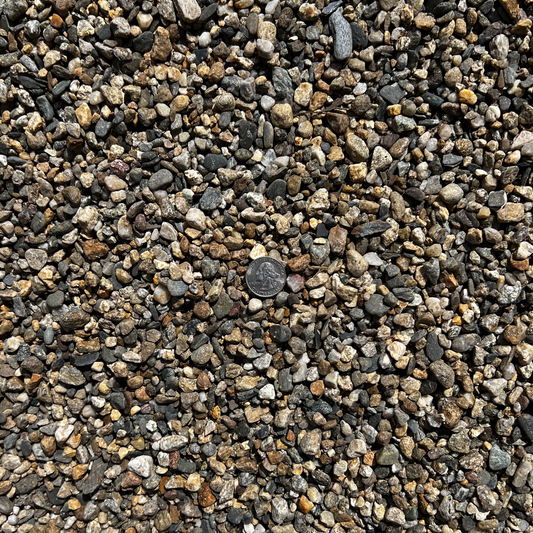
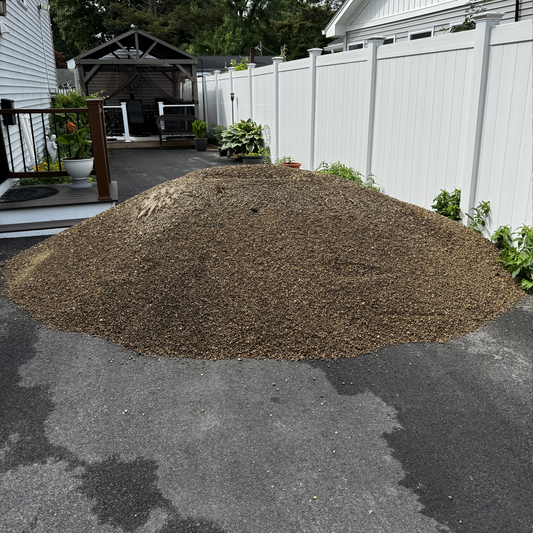
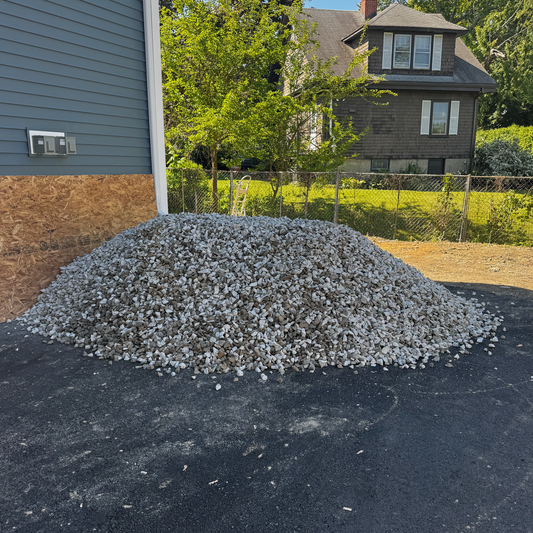
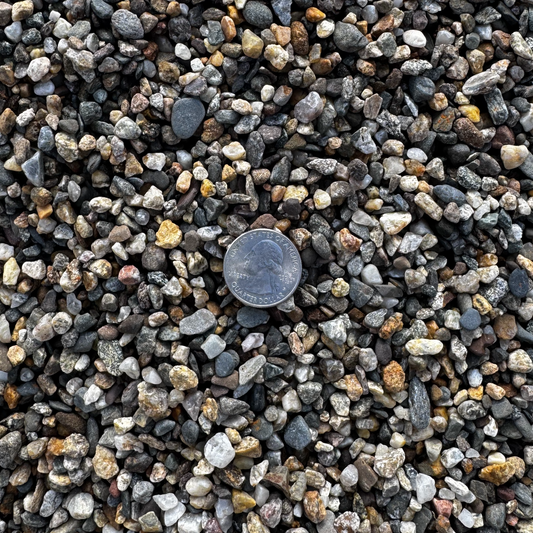
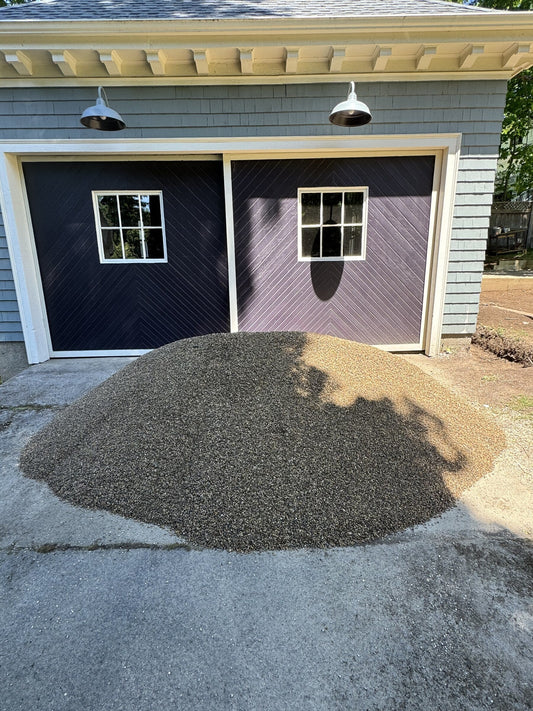
Most new-construction driveways in Plymouth County are gravel for the first 2–3 years before paving. The right surface stone is 3/4" processed (also called 3/4 dense pack) — has fines mixed in, packs tight, drives smooth.
Why: Pure clean stone (no fines) drives like marbles. Processed stone with fines locks together and forms a hard, drivable surface that sheds water properly.
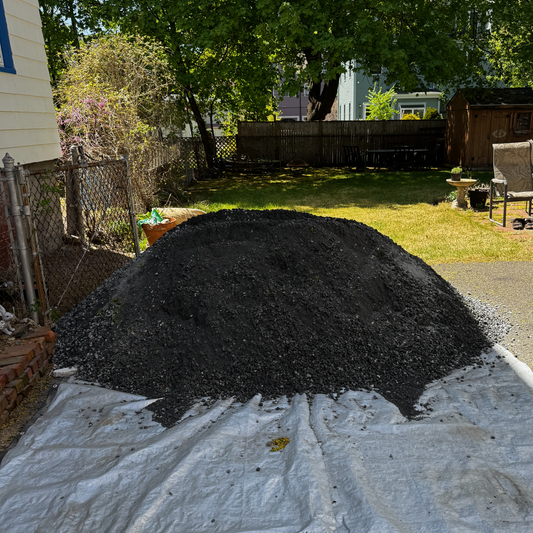
How much: A 2,500 sq ft driveway at 3 inches deep = 23 cubic yards. Order with the sub-base (#3 below) for a proper layered build.
Spec: 3/4" processed gravel, MA DOT-spec. Available delivered by the cubic yard. For the full layered driveway build, see How to Set a Plymouth Crushed Stone Driveway Base That Lasts a Decade.
#3 — 1-1/2" Sub-Base Stone (Under the Driveway and French Drains)
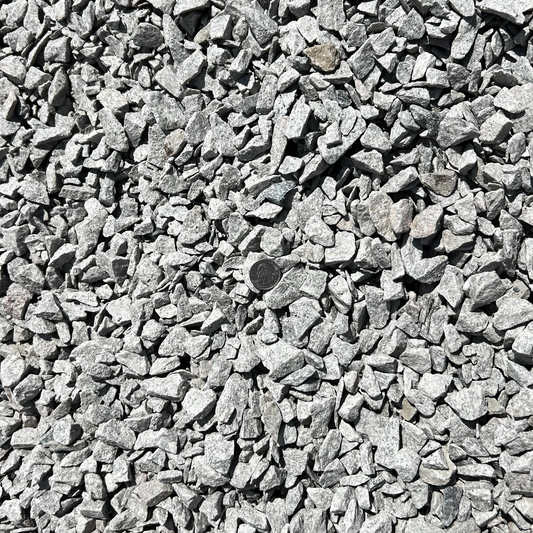
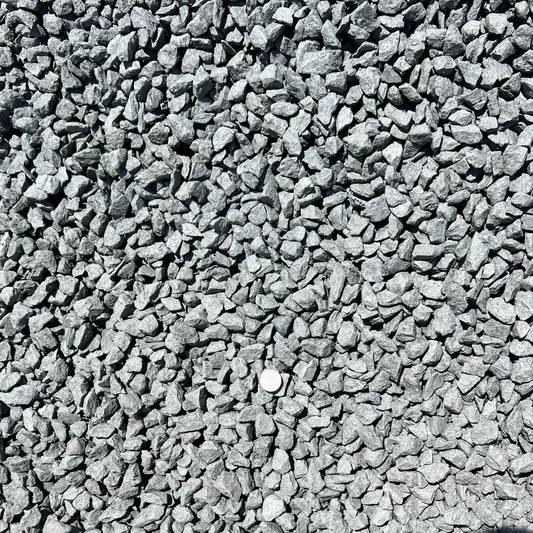
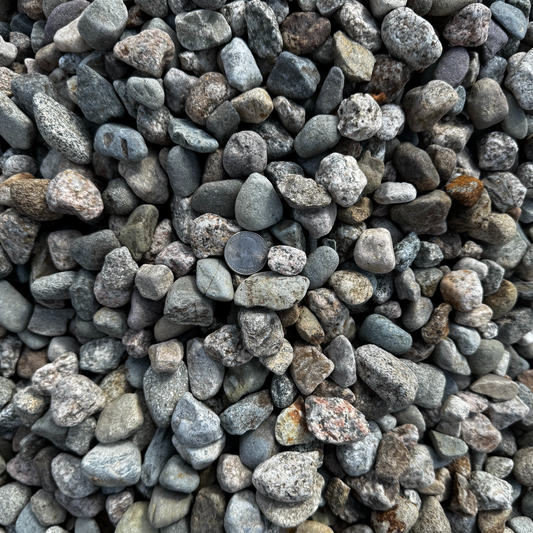
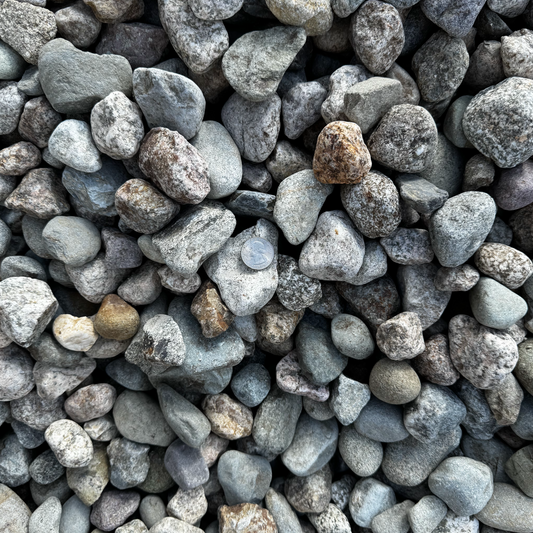
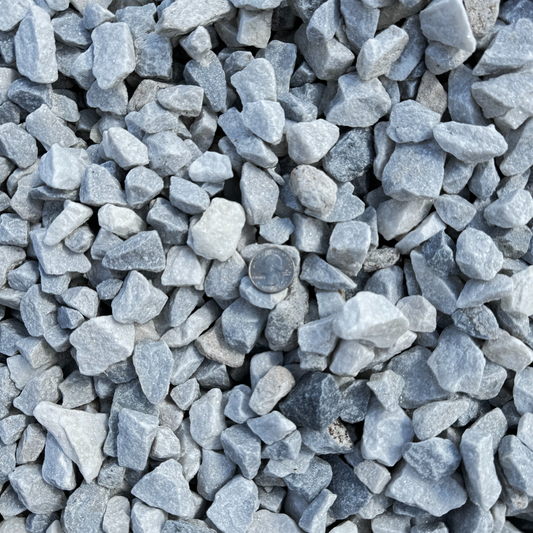
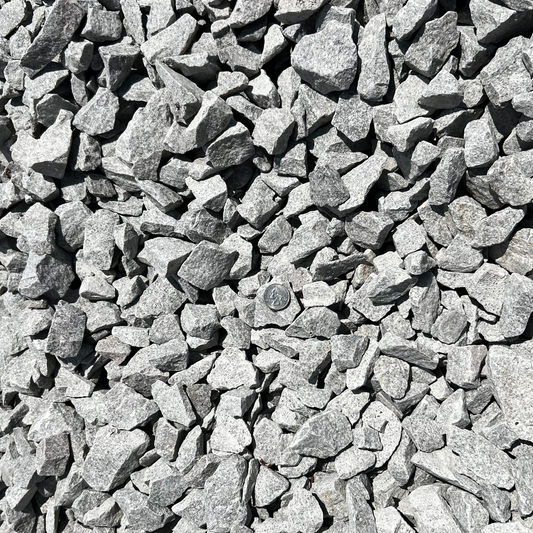
The hidden material. 1-1/2" clean crushed stone goes under the 3/4" processed running surface as a structural sub-base. It's also the right stone for any French drain or yard drainage line going in during year one.
Why: A driveway with only 3 inches of running surface fails. A driveway with 4 inches of 1-1/2" sub-base + 3 inches of 3/4" running surface lasts 10+ years.
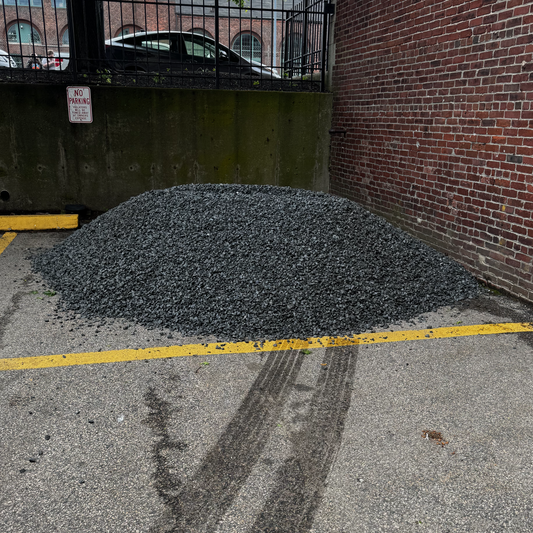
How much: Same 2,500 sq ft driveway at 4 inches sub-base = 31 cubic yards.
Spec: Clean 1-1/2" angular crushed stone, no fines. Per the MA DOT gravel-road guidance, this is the standard sub-base for residential driveways. Same stone works in French drains — see 5 Drainage Material Mistakes Common Across Norfolk County Yards for proper drain installation.
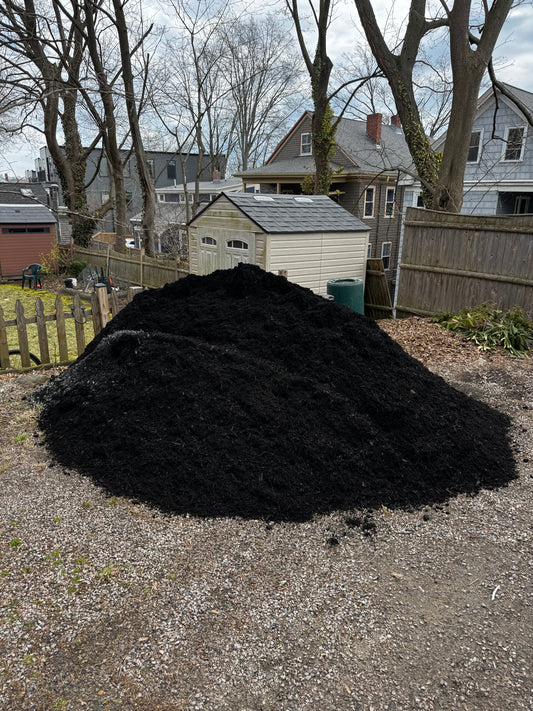
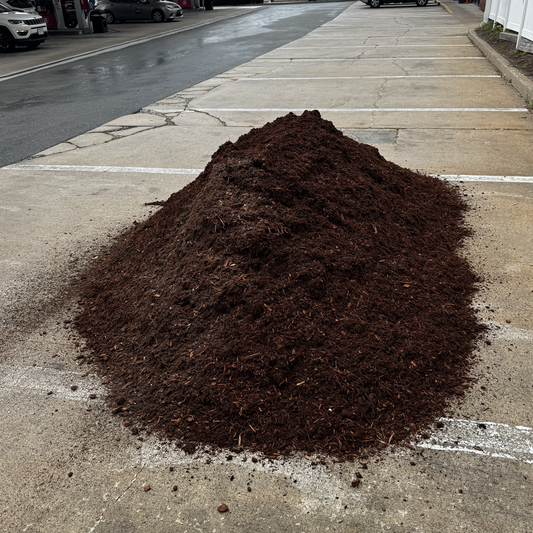
#4 — Bulk Hardwood or Hemlock Mulch (Foundation Beds + Tree Donuts)
New construction includes plantings — typically 6–12 foundation shrubs and 2–4 trees. Each one needs proper mulch in year one to establish.
Why: Mulch around new plantings reduces water stress (the #1 cause of year-one plant death), suppresses weed competition, and protects roots from temperature swings. Without it, expect 25–40% of new plantings to fail in the first August.
How much: A typical new-construction foundation bed (40 linear feet, 4 feet wide) + 4 tree donuts = 4–6 cubic yards of bulk mulch.
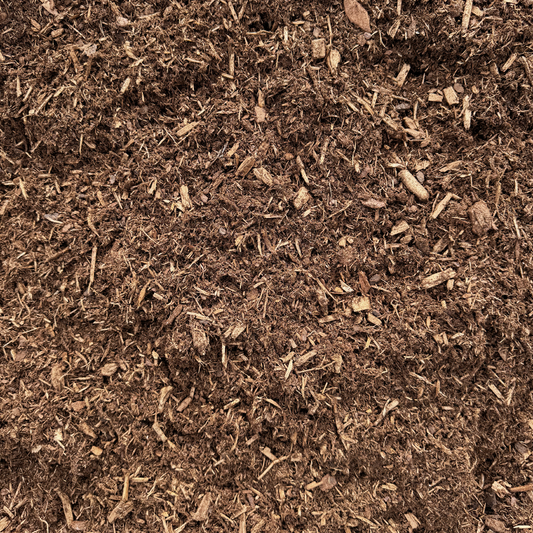
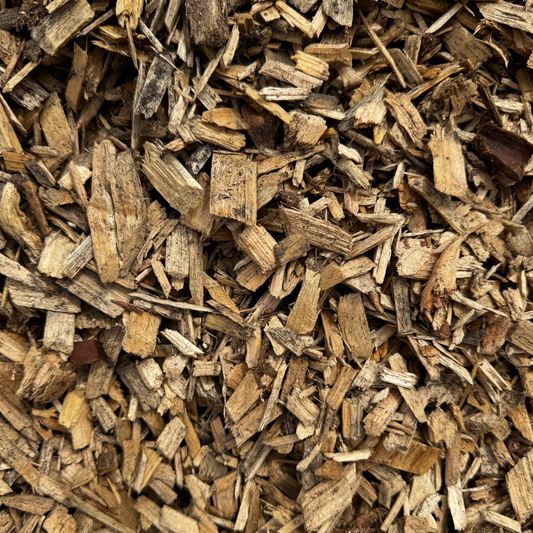
Spec: Hardwood for budget; hemlock for better color retention. Browse the mulch collection. For tree-donut technique specifically, see How to Mulch Around a Newly Planted Winchester Tree (the Right Donut).
#5 — Screened Compost (The Material Most New Builds Skip)
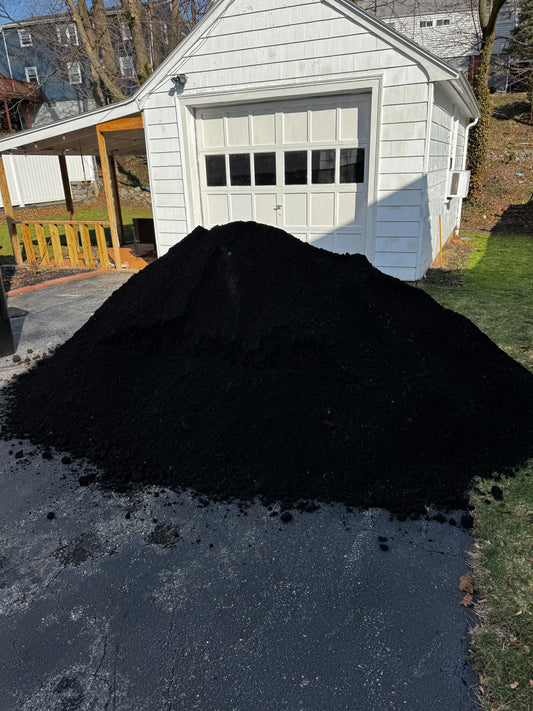
The skipped material. Screened compost amended into the loam at install time turns thin lawn loam into a soil that actually grows grass.
Why: New-construction screened loam is often nutrient-poor and low in organic matter. Tilling 1 inch of screened compost into the top 4 inches of loam doubles year-one establishment success on lawns and bed plantings.
How much: A 5,000 sq ft lawn at 1 inch of compost amended in = 15 cubic yards. Spread on the loam, till in to 4 inches deep, then hydroseed.
Spec: USCC-certified screened compost (US Composting Council standards). For more on compost specifications, see Three Bulk Compost Sources Compared for Plymouth County Vegetable Gardens — the same quality criteria apply to lawn-amendment compost.
The Sequencing That Matters
Order matters as much as material:
- Excavator finishes rough grade — soil compaction is set
- 1-1/2" sub-base goes down on the driveway and any French drain trenches
- 3/4" processed goes on top of the driveway sub-base
- Screened loam spreads across the lawn footprint to 4–6 inches
- Compost spreads on the loam at 1 inch, tills in to 4 inches
- Hydroseed or sod the lawn after the compost is integrated
- Mulch goes in foundation beds and around trees AFTER plantings
The order saves money — mulching before plantings means re-mulching after. Loaming after grading means avoiding loam compaction by construction equipment. Compost before seeding means establishment success.
For coordinated contractor logistics on multi-truck deliveries, see Working With Your Excavator: A New Construction Material Sequence in a Hanover Build and How to Spec a Bulk Mulch Delivery Window When You're Running Three Brockton Crews.
For broader landscape research on Plymouth County soils and establishment, UMass Extension Landscape is the authoritative regional source.
What This Means for You
Five materials, sequenced right, in the first year. Skip any one and you're paying twice — once now and again to fix the failure in year two. Ottr delivers all five across Plymouth County landscape supply routes. New-construction homeowners (and the builders managing the deliveries) should plan the full materials list before closing — the savings compound for years.