New Construction Site Prep

Collection: New Construction Site Prep

A new build in Plymouth, an addition pour in Brockton, or a major regrade on a hill lot in Norfolk County all start with the same materials sequence: fill to grade, base under the slab, surge for the bony spots, then loam back over the disturbed lawn area at the end. Ottr stocks the full site-prep stack so the GC isn't sourcing each layer from a different vendor.

Site-prep sequence:

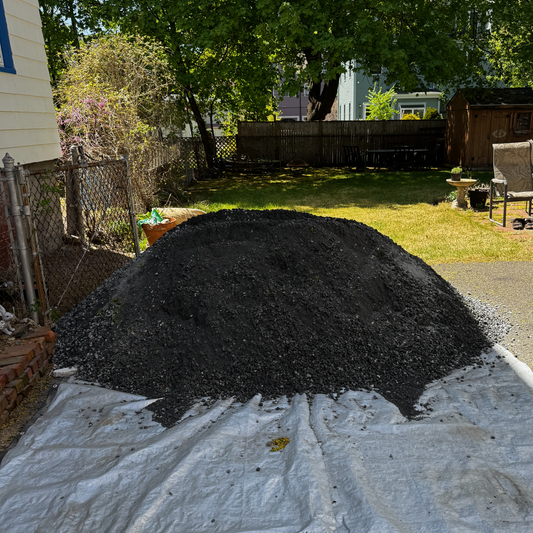
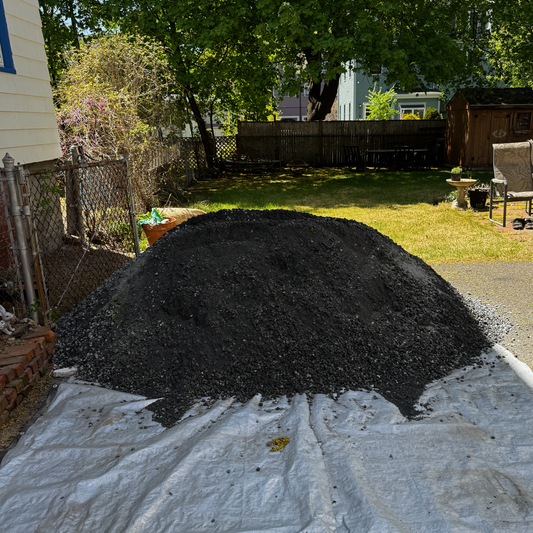
  • Fill Dirt — the bulk fill for low spots, foundation excavation backfill, berm building, and grade transitions. Cheapest cubic-yard material on the yard — use it everywhere a higher-spec product isn't required.
  • Crushed Concrete 1" to minus — recycled base for under-slab and access-road sub-base. Compacts like virgin base at a friendlier price for high-volume builds.
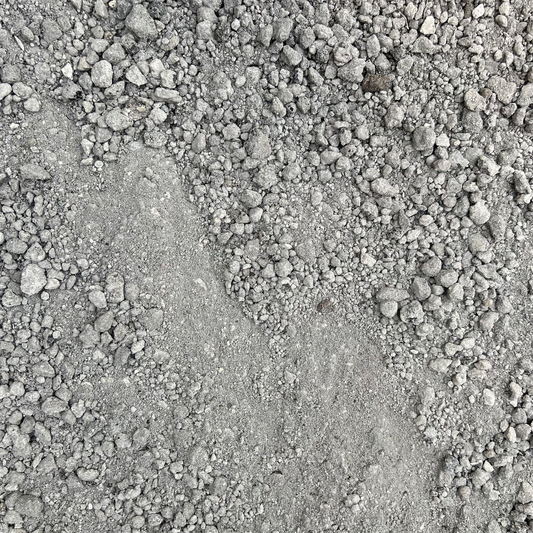
  • Dense Pack ¾" to minus — standard sub-base for slab foundations, garage pads, and finish-grade work where compaction has to hit spec.
  • Concrete Sand — bedding for slab forms, conduit runs, and underground utility trenches.
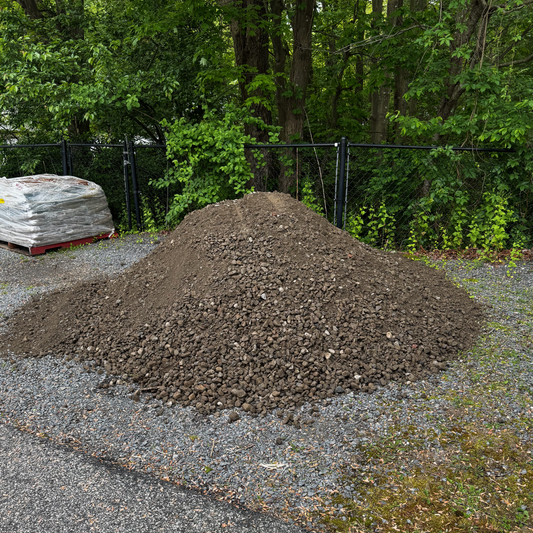
  • Surge Stone — large angular fill for soft sub-grades, drainage trenches, and culvert outlets where storm flow will hit.
  • Topsoil Loam ½" Screened and Super Loam — finish loam for the lawn re-seed at end-of-build. Spread 4–6" deep over the disturbed area before hydroseed or sod.
  • Hauling Services (14 Cubic Yard Truck) — outbound spoils, demo-load disposal, and excavation freight when you don't want to spin a truck and crew on hauling.

Sizing rule of thumb: a 30'×40' garage slab at 6" base depth needs ~22 cubic yards of dense pack. A typical ¼-acre new-build lot needs 80–120 yards of fill plus 30–40 yards of finish loam at end-of-job.

Tri-axle (14-yard) and single-axle (5–7 yard) trucks dispatched based on load size and site access. Same-day or next-day delivery across Massachusetts and Rhode Island. Set up a builder account for PO billing, Net 30 terms, and a saved dispatch contact list.