















Quick Answer
Top-dressing a Waltham lawn with ¼ inch of screened loam-compost blend smooths bumps, fills divots, feeds soil biology, and creates the seedbed that makes overseeding actually work. For a 5,000 sq ft lawn, order 1.5 cubic yards of blend, spread Saturday morning, drag-rake level, water in. Pair with aeration the same weekend for 4x the result. Total time: 3–4 hours. Total cost: $80 for materials.
What Top-Dressing Does
Top-dressing is the most underused lawn-improvement move in eastern MA. The mechanic: a thin layer of high-quality soil over the existing lawn delivers organic matter, levels the surface, fills core-aeration holes, and creates a perfect seed-to-soil contact zone for overseeding. Done annually, it gradually rebuilds the top 2 inches of soil — the layer where 80% of grass roots live.
For a Waltham lawn — typically Kentucky bluegrass / fine fescue mix, on the medium-to-heavy soils across the Bear Hill, Lakeview, and Warrendale neighborhoods — annual top-dressing in April is the highest-leverage move available.
What You'll Need
Materials (for 5,000 sq ft): - 1.5 cubic yards of screened loam-compost blend (60/40 or 70/30 — both work) - Optional: 2 lbs grass seed per 1,000 sq ft if overseeding the same weekend
Tools: - Wheelbarrow - Square shovel - Drag mat (or piece of chain-link fence, or back of a stiff leaf rake) - Hose with sprinkler
Time: 3–4 hours for a 5,000 sq ft Waltham lawn.
Step 1 — Order the Blend (Two Days Ahead)
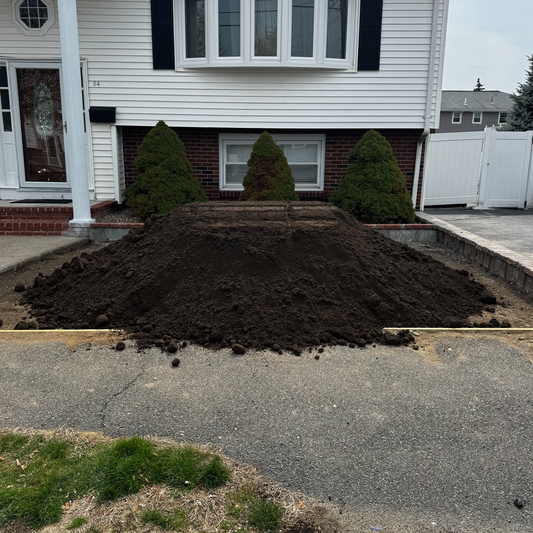
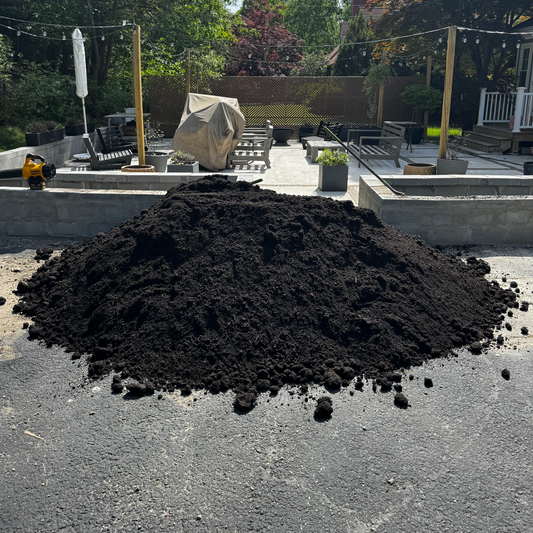
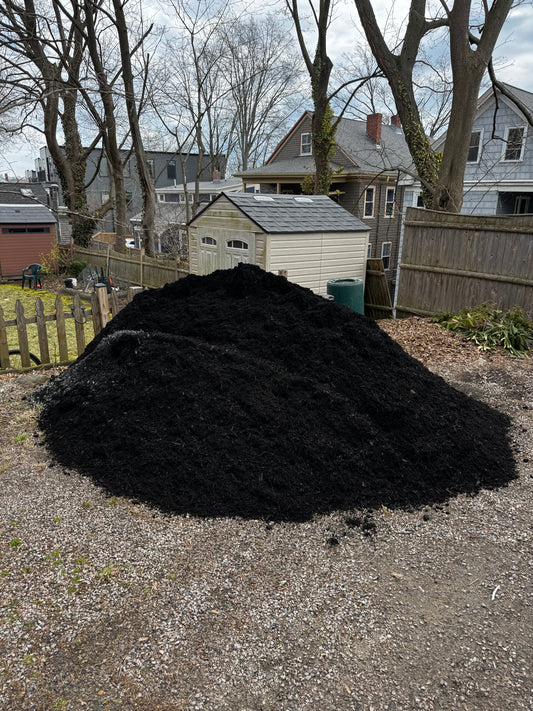
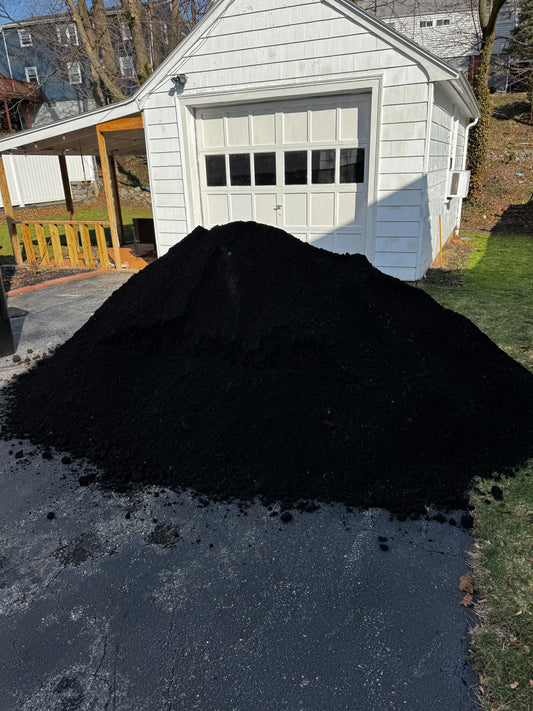
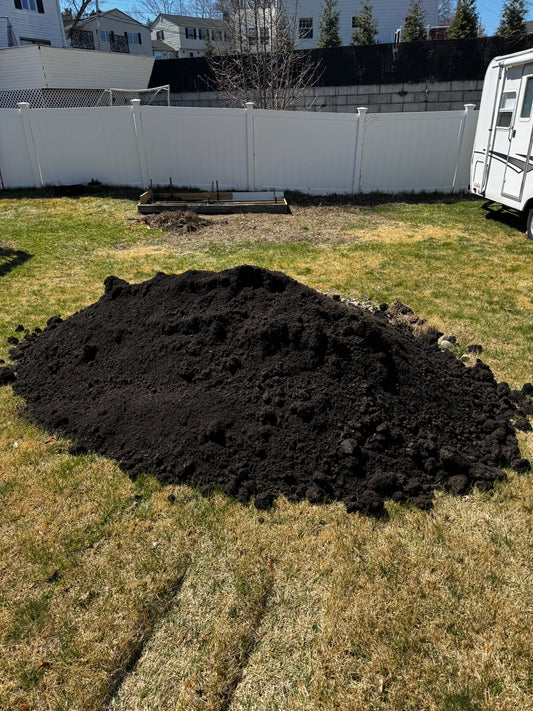
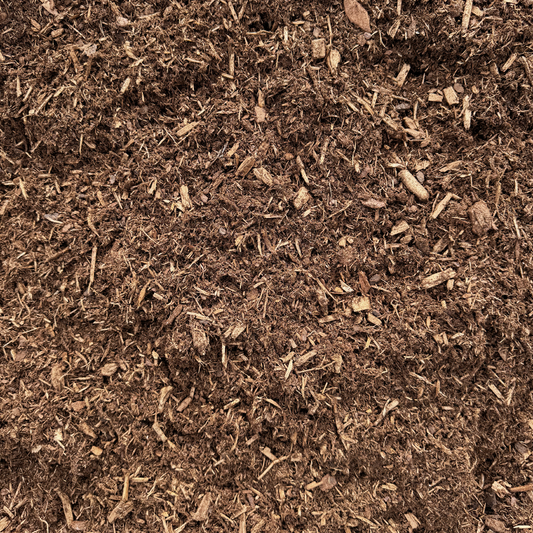
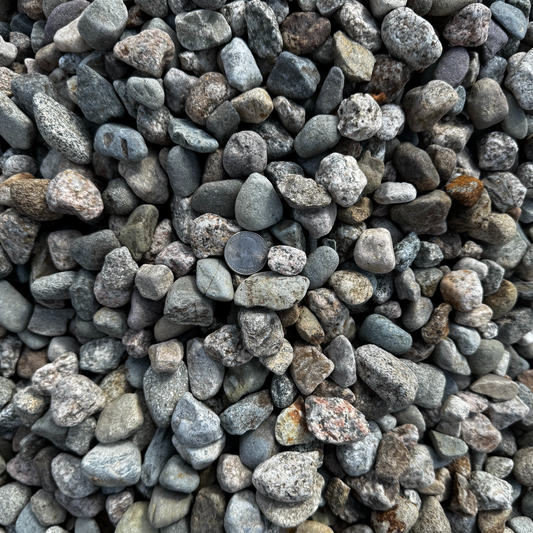
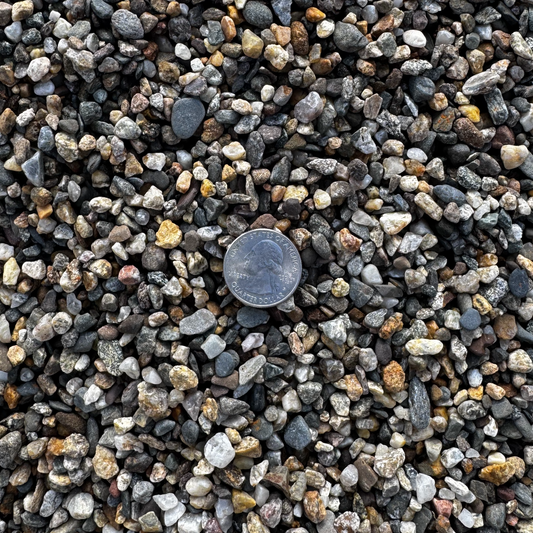
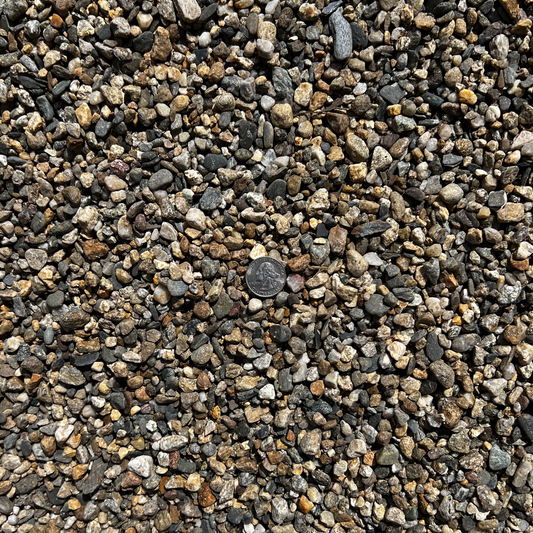
Order the loam-compost blend delivered Friday for a Saturday application. Spec the blend as ¼" or finer screen so it falls cleanly into grass; coarser screens leave clumps that smother grass crowns.
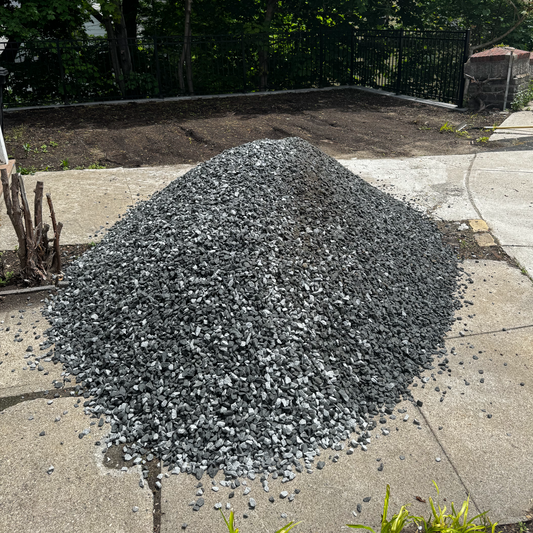
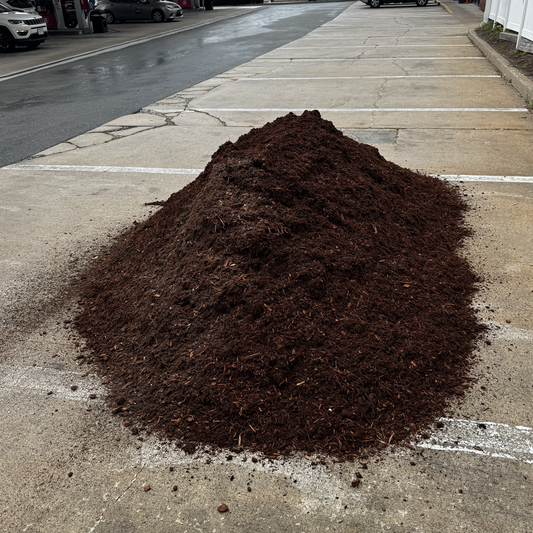
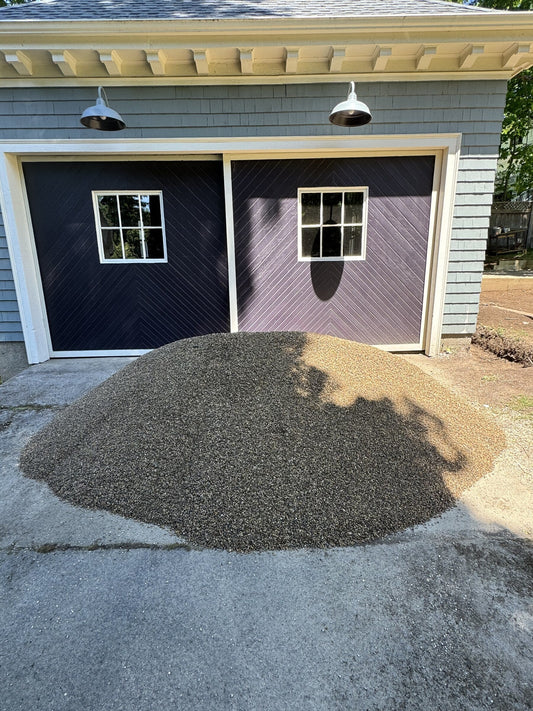
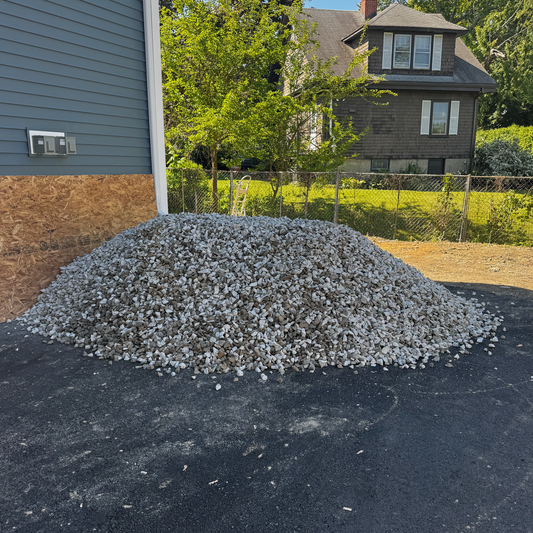
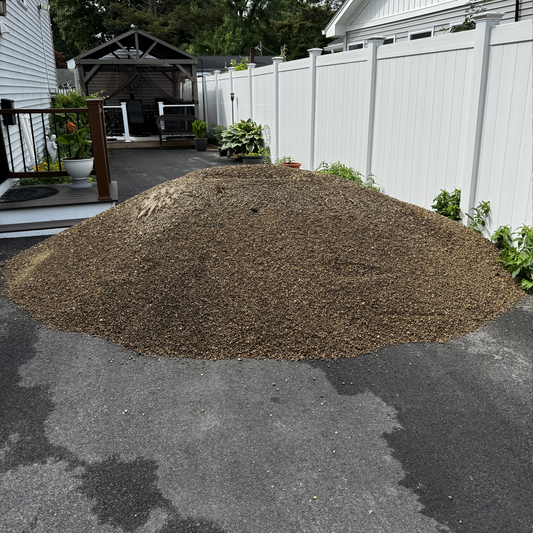
For Waltham deliveries, Ottr's lawn leveling & repair collection is the right starting point. Most Waltham driveways take a 6-yard delivery without issue; tight Bear Hill streets may need a 4-yard truck — note tight access on the order form.
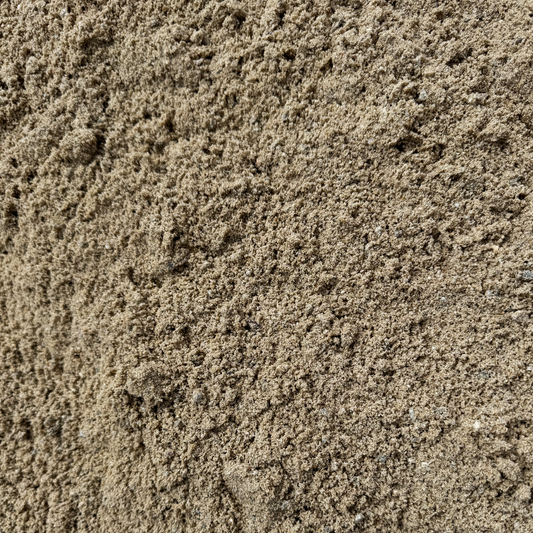
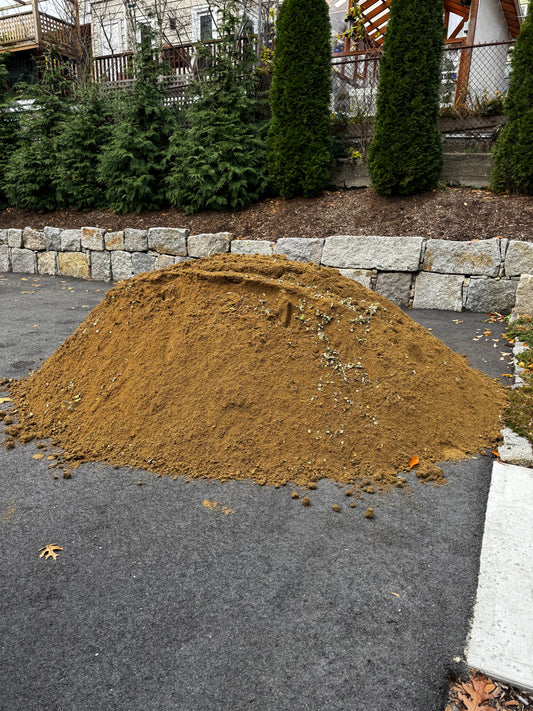
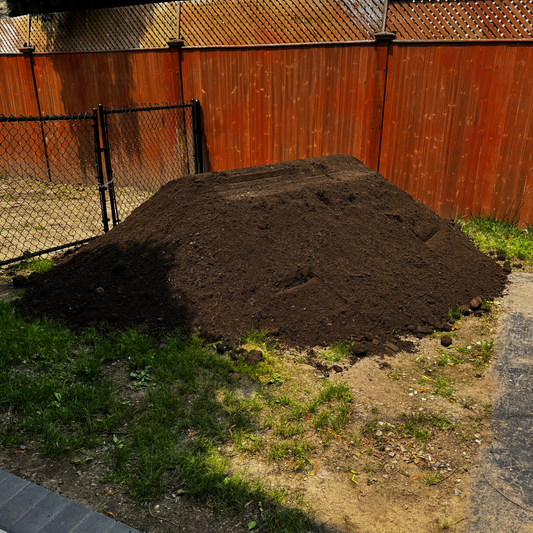
For the side-by-side on what's actually in screened loam, Ottr screened loam: walkthrough of what's in the pile (tested in a Quincy bed) shows the texture and composition you should be looking for.
Step 2 — Mow the Lawn Short
Friday afternoon or Saturday morning before top-dressing, mow the lawn at 2 inches. Bag the clippings — you don't want them in the top-dress mix. Short grass means the loam falls into contact with soil instead of sitting on top of grass blades.
Step 3 — Aerate If You Haven't Already
The single biggest yield improvement: core-aerate first, top-dress second. The blend falls into the holes and creates pockets of fresh soil where roots grow into. See how to dethatch and aerate a tired Newton lawn for the technique.
If you've already aerated within the last week, skip; if not, this is the weekend to do both jobs together.
Step 4 — Spread the Blend
Dump the blend in 6–8 piles around the lawn, distributed by area. Use the wheelbarrow to move from a single delivery pile if your driveway forces a single drop point.
Spread with a square shovel, casting the blend across the lawn in shallow throws. Aim for ¼ inch depth — enough to fill aeration holes and small divots, not enough to smother existing grass blades.
A common mistake: trying to cover bare patches with a deeper layer. Resist. ¼ inch maximum across all areas. For deep divots or bare spots, fill those separately with a heavier dose (1") and seed those areas heavier.
Step 5 — Drag Mat Level
After spreading, drag a drag mat (or a piece of chain-link fence with a 2x4 weight on top) across the lawn in long passes. The drag works the loam down between grass blades and levels the surface.
Pass in two perpendicular directions. The lawn should look freshly dusted — grass blades visible everywhere, no thick mat of soil sitting on top.
For broader lawn-renovation context if you're combining top-dress with seed, see overseeding vs reseeding a Brookline lawn. For grass seed selection, 5 grass seed mixes that suit Middlesex County conditions covers the cultivar matchup.
Step 6 — Seed (Optional, Recommended)
If you're overseeding the same weekend, broadcast seed after top-dressing and dragging — the loam is the seedbed. Then drag-mat lightly one more time to settle seed into the loam.
Don't seed before top-dressing — the loam buries the seed too deep.
Step 7 — Water and Wait
Water lightly immediately after top-dressing — about 15 minutes per zone with a sprinkler. The goal is settling, not soaking.
For the next 14 days, water lightly daily (15–20 minutes per zone) to keep the top half-inch damp. After 14 days, taper to deep-and-infrequent (1 inch per week, in 1–2 sessions).
Don't mow for 2 weeks. After that, resume mowing at the high setting (3.5–4 inches).
What This Costs in Waltham
For a 5,000 sq ft Waltham lawn:
- Loam-compost blend (1.5 yards delivered): $80
- Aerator rental (paired weekend): $100
- Seed (15 lbs, optional): $80
- Total DIY: $180–$260 depending on whether you seed.
Hired out: $600–$900.
What This Solves
After one season:
- Bumps and divots: filled.
- Soil organic matter: up 0.3–0.5 percentage points.
- Aeration hole infill: complete.
- Overseeding take rate: 3–4x baseline.
After three seasons of annual top-dress: a smoother, denser, more resilient lawn that needs less water and less fertilizer.
For US Composting Council guidance on the compost fraction in blended loams, the STA program standards define the quality benchmark — ask your supplier whether their compost is STA-certified. For MA-specific timing guidance, the UMass Turf Program covers spring vs. fall top-dress windows.
The short version: order Friday, mow Saturday, aerate, top-dress, drag, water. Three hours, $180, lasts the season. The single highest-leverage thing you can do for a Waltham lawn this April.


