Quick Answer
Dethatch a Newton lawn when thatch exceeds ½ inch (push your finger in — anything spongy above firm soil is thatch). Core-aerate when soil is compacted (a screwdriver won't push 3" in by hand). Do both April 5–25 in Newton, after soil hits 50°F but before warm-season weeds germinate. Top-dress with ¼" of screened loam-compost blend immediately after. Most Newton lawns benefit from aeration; only some need dethatching.
The Newton Lawn Reality
Newton's mature yards — Newton Centre, Auburndale, Waban, West Newton — share a profile: 60+ year-old lawns on heavy soil, often with mature oak or maple shading half the property, irrigated through the 1990s and 2000s, and now showing the signs of compaction and thatch. The Garden City reputation rides on these lawns, and most of them are due for renovation.
This is the field guide for deciding between dethatching, aerating, both, or neither — and how to actually do them.
Step 1 — Diagnose: Which Problem Do You Have?
Test for thatch. Push your index finger into the lawn at the soil line. If you hit firm soil within ½ inch of grass crowns, thatch is fine — skip dethatching. If you press through a soft, springy layer thicker than ½ inch before hitting soil, you have a thatch problem.
Test for compaction. Push a long screwdriver into the lawn vertically. If it goes 4+ inches in by hand, soil is fine. If it stops at 1–2 inches, soil is compacted — aerate.
Most Newton lawns: moderate thatch (½ inch, borderline), heavy compaction. The answer is usually aerate yes, dethatch maybe.
Step 2 — Time It Right
In Newton, the right window is April 5 through April 25. By April 5, soil has hit 50°F and grass is actively growing — it'll recover from the disturbance. Past April 25, you're approaching the window when crabgrass and other warm-season weeds germinate, and the holes you punched become weed-seed real estate.
Soil temps run 3–5 days behind Boston in Auburndale and West Newton (interior), and roughly even with Boston near Newton Corner. Pull a soil thermometer or watch the UMass Turf Program regional updates.
Skip the late-fall window unless the lawn is severely compacted — spring is the higher-yield time.
Step 3 — Dethatch If Needed
Tool options: - Manual dethatching rake — works for under 2,000 sq ft. Heavy work; expect a sore back. ~$45 to buy. - Power dethatcher (rental) — gas-powered vertical mower. Rents at $80–$120 per half-day from any equipment yard. Right call for 2,000–10,000 sq ft. - Hire it out — $200–$400 for a typical Newton quarter-acre lawn, includes haul-away of debris.
Set blades or tines just deep enough to nick the soil surface — too aggressive and you tear out healthy crowns along with the thatch. Pass the lawn in two perpendicular directions for even removal.
You will pull out a startling amount of organic debris. Bag and remove it — leaving it on the lawn re-mats the surface.
Step 4 — Core Aerate
Always core-aerate, never spike-aerate. Spike aerators (the boots, the lawn rollers with spikes) compress soil sideways and make compaction worse. Core aerators pull out plugs of soil, opening up actual passageways for water and air.
Tool options: - Walk-behind core aerator (rental) — $90–$140 per half-day. The right call for most Newton lawns. - Tow-behind aerator — for larger Auburndale or Waban lots over a half-acre. - Hire it out — $250–$450 for a Newton quarter-acre.
Pass the lawn in two perpendicular directions. Aim for 8–12 cores per square foot. The cores you pull out can stay on the lawn — they break down within 2–3 weeks and add a tiny soil top-dress.
Step 5 — Top-Dress Immediately
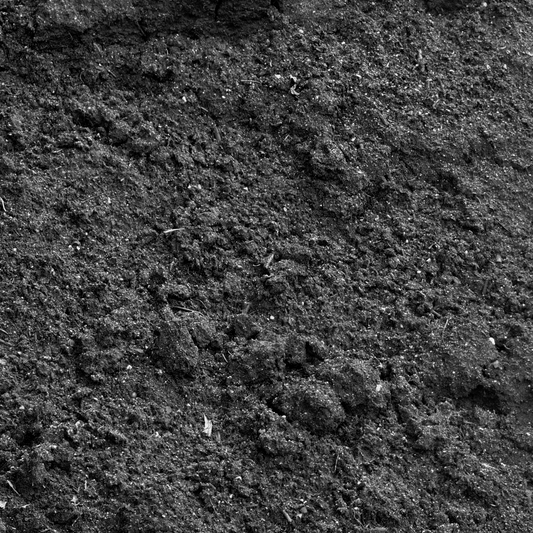
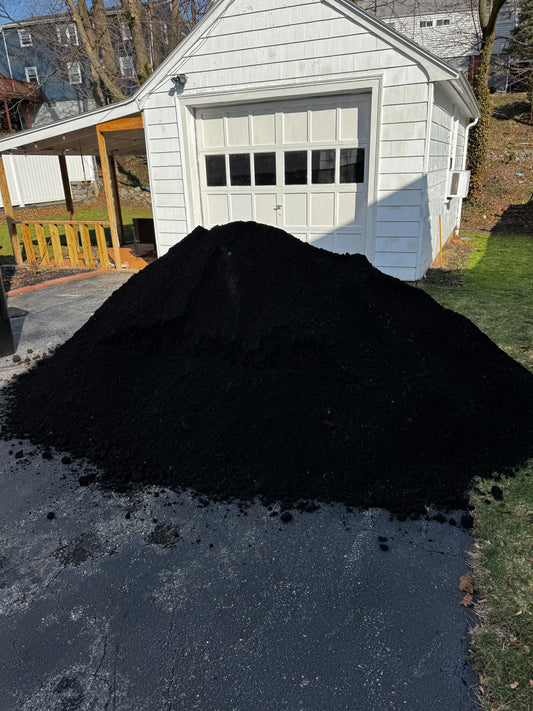
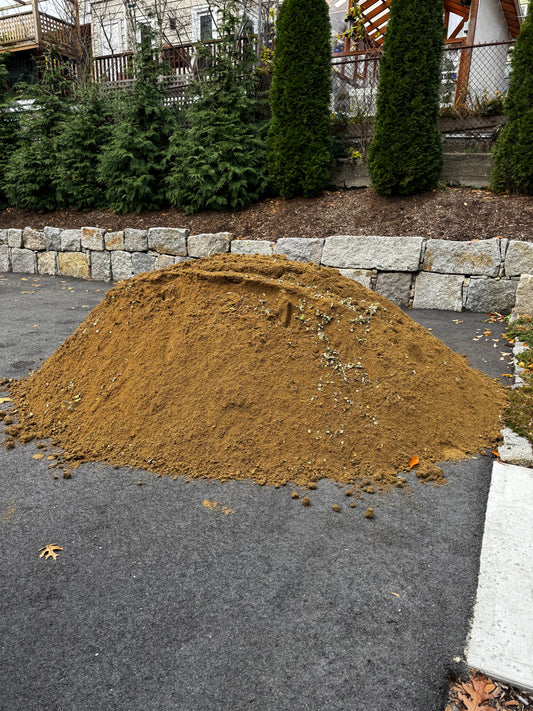
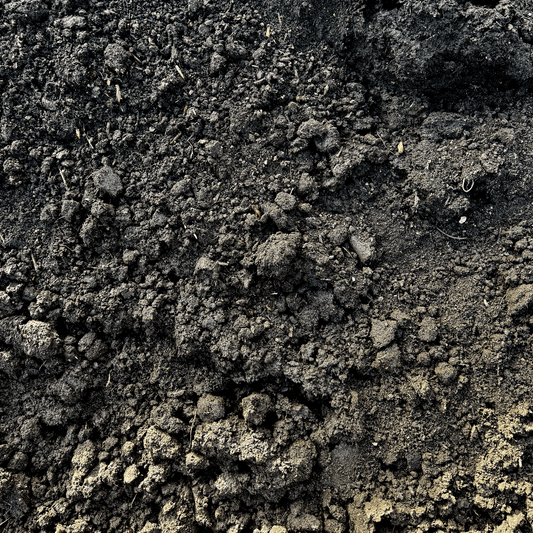
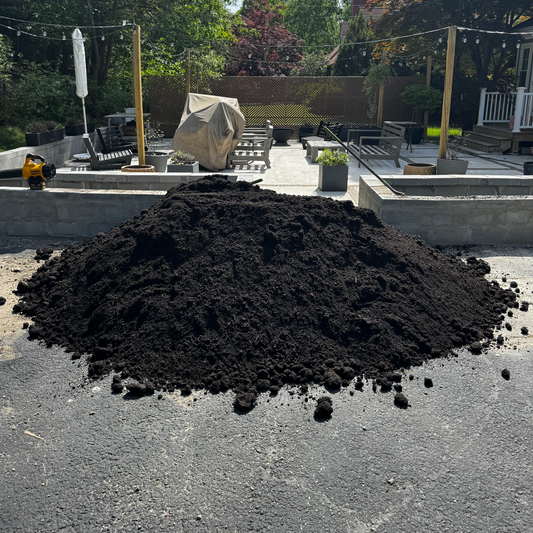
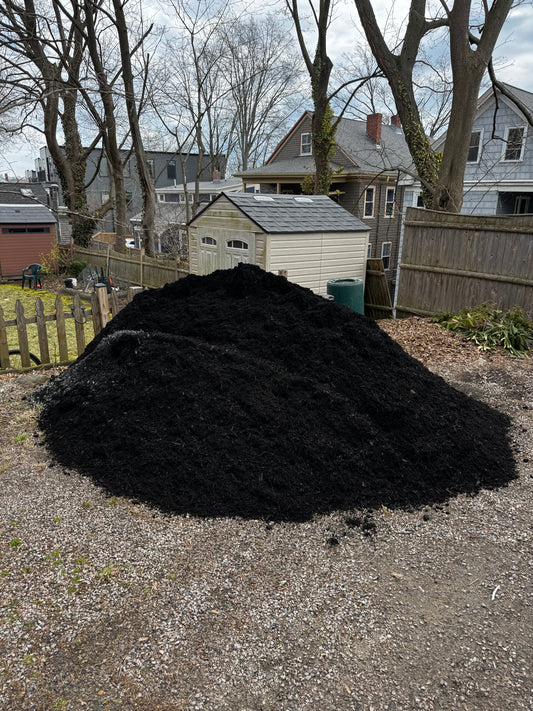
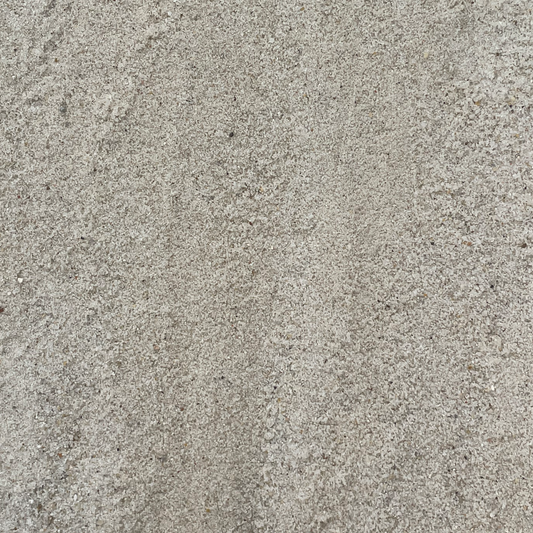
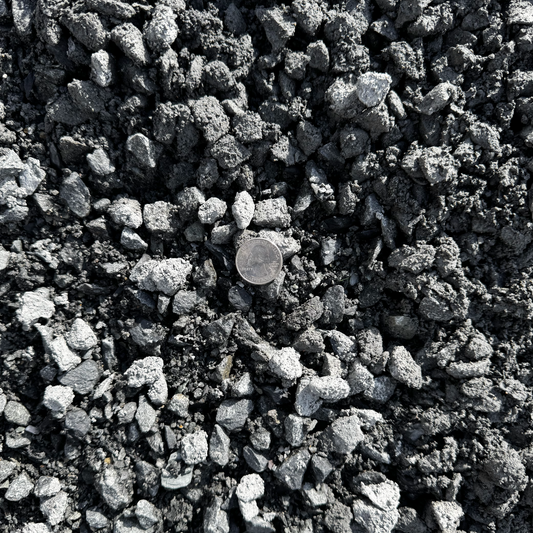
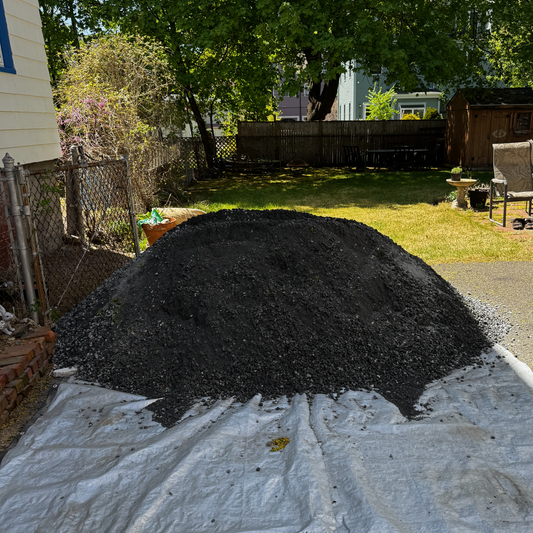
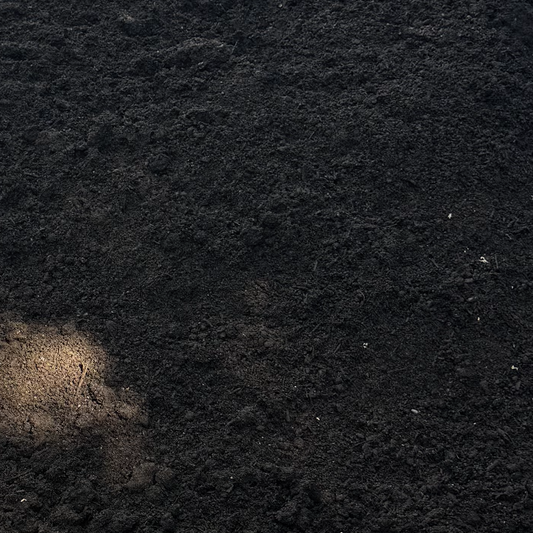
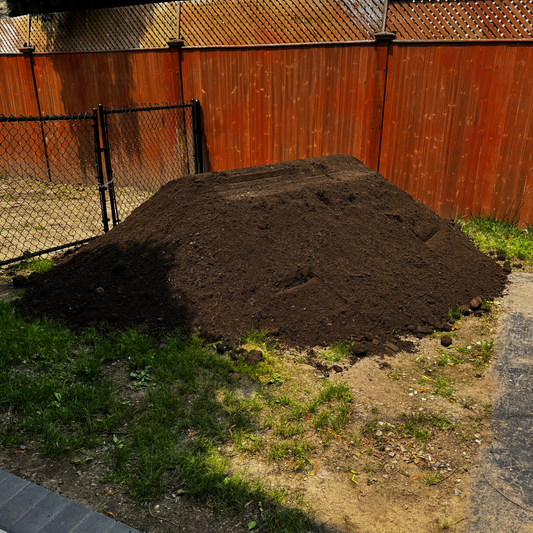
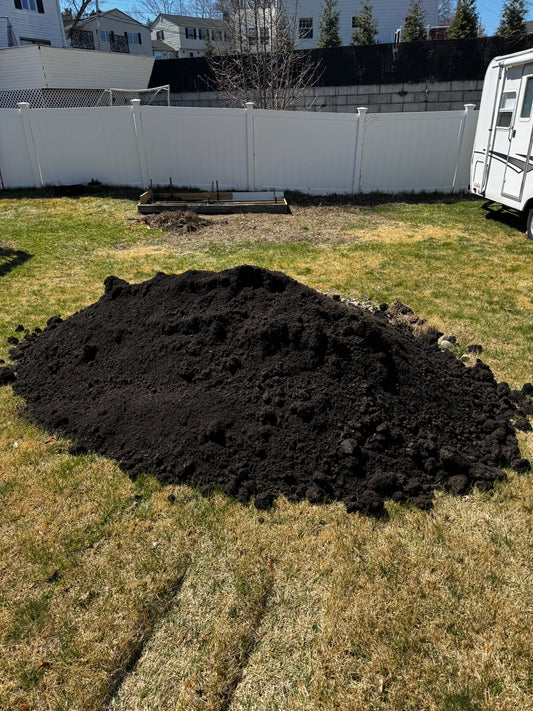
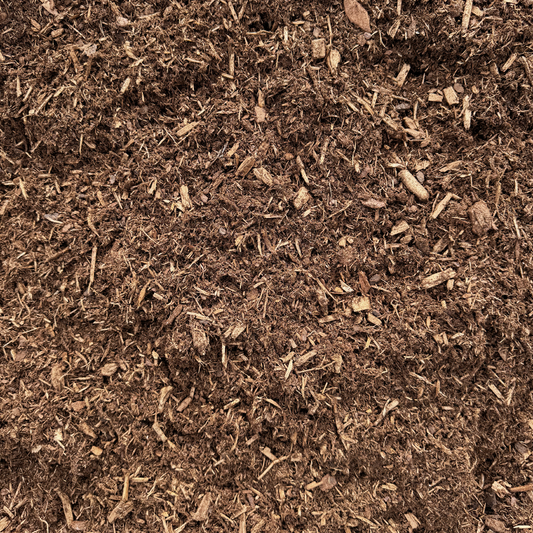
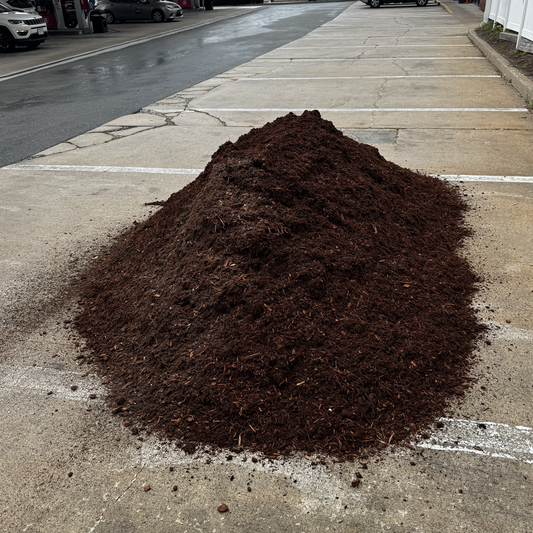
The single biggest yield improvement: top-dress with ¼ inch of screened loam-compost blend immediately after aerating. The blend falls into the holes and creates pockets of fresh soil where roots can grow into.
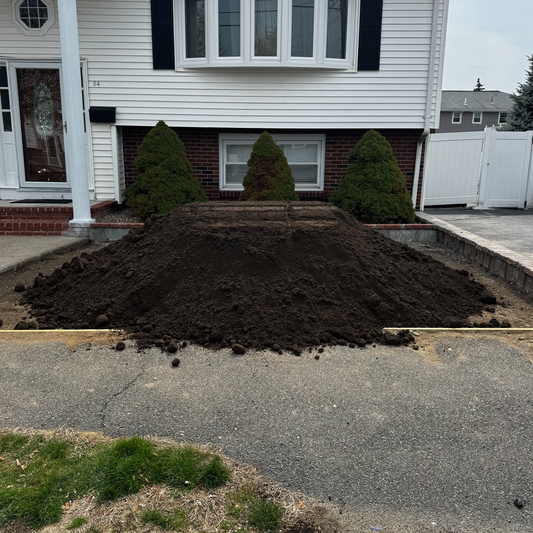
For a 5,000 sq ft Newton lawn at ¼ inch, that's roughly 1.5 cubic yards of blend. Order through the lawn leveling & repair collection.
The full top-dressing technique is walked through in top-dressing a Waltham lawn with loam. For seed selection if you're overseeding the same weekend, see 5 grass seed mixes that suit Middlesex County conditions.
Step 6 — Overseed (Optional, Recommended)
The aeration window is also the optimal seed-to-soil contact window. After top-dressing, broadcast 4 lbs of grass seed per 1,000 sq ft (Kentucky bluegrass + fine fescue mix for most Newton conditions).
For the overseed-vs-reseed decision, see overseeding vs reseeding a Brookline lawn — Newton's profile is nearly identical.
For salt-damaged stripes from the winter, plan repairs separately following the 5 lawn repair patches Medford homeowners can plan before April playbook.
Step 7 — Water and Wait
Water the lawn lightly daily for two weeks after aerating + top-dressing + overseeding. The soil should stay damp but not pooled. Stop the mow until grass hits 4 inches, then resume at the high mower setting.
What This Costs in Newton
For a typical 5,000 sq ft Newton lawn, DIY:
- Aerator rental: $100
- Top-dress (1.5 yards): $80
- Seed (20 lbs Kentucky blue/fine fescue): $90
- Total DIY: $270
Hired out, the same job runs $700–$950 in Newton including materials and labor. The DIY savings come at the cost of a half-Saturday and Sunday morning of physical work.
For Cornell-side science on aeration timing and core-aeration depth, the Cornell Turfgrass program is the East Coast peer reference and matches MA conditions.
The short version: most Newton lawns need aeration, some need dethatching, all benefit from a ¼" top-dress immediately after. April 5–25 is the right window. DIY for under $300, hire out for $700+.