Quick Answer
The five Medford lawn patches worth planning now: snow plow tear-outs at the driveway apron, salt damage stripes along the curb edge, vole runways revealed as snow recedes, dog-spot rings from winter pee patches, and shaded north-side bare spots under maples and hemlocks. Each needs a different combination of screened loam, seed mix, and timing. Order materials in February, execute in April after soil temps hit 50°F. Skipping the planning step is why most Medford lawn repairs fail.
Why Plan in February
Medford lawns reveal damage in early March as snow melts. By then, contractors are booked, garden centers are out of the right seed mix, and homeowners scramble. February is the planning month — walk the lawn, identify patch types, pre-order materials. The repair itself happens in April.
Most failed lawn repairs in Medford trace back to one of three errors: wrong seed mix for the spot, soil too cold when seeded, or no follow-up watering plan. Planning solves all three.
#1 — Snow Plow Tear-Outs at the Driveway Apron
The most common Medford damage. The plow blade catches the lawn edge during a winter storm and tears a 2–6 foot strip of sod, sometimes ripping out clumps with the soil attached.
The patch: Pull out remaining loose sod, level the void with screened loam, seed with a Kentucky bluegrass / fine fescue mix, top with ¼" loam, water for two weeks.
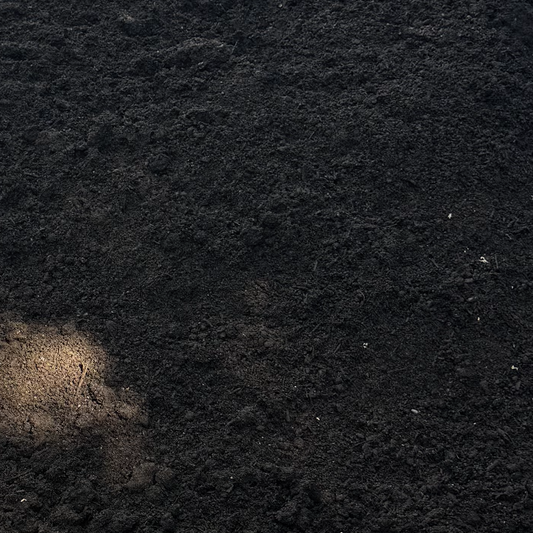
Materials: ½ to 1 cubic foot of screened loam per square foot of damage. Seed at 4–6 lbs per 1,000 sq ft.
Timing: Mid-April once soil temps reach 50°F. For a deep dive on plow tear-out repair specifically, see How to Reseed a Bare Spot Where the Snow Plow Tore Out a Medford Lawn.
#2 — Salt Damage Stripes Along the Curb Edge
The 6–18" band of brown-yellow grass that runs along the curb every spring. Caused by salt-laden snow piled by plows; the salt concentrates in the top 6" of soil and dehydrates the grass roots.
The patch: First, flush the area with water once temps are above 40°F (washes out residual salt). Light damage recovers on its own with spring growth. Heavy damage (bare to soil) needs reseeding with a salt-tolerant mix — perennial ryegrass blends with fine fescue handle salt better than bluegrass.
Materials: Salt-tolerant seed blend; ¼" top-dress of screened loam if reseeding. The EPA SNEP program has the broader runoff context.
Timing: Salt flushing in March; reseeding mid-April. For broader salt-damage diagnosis, see How to Spot Salt Damage on a Brookline Lawn Edge in Late Winter — same playbook in Medford.
#3 — Vole Runways Revealed in March
Voles tunnel under snow all winter, eating grass crowns and bark. As snow melts, you see narrow surface runways — 1.5" wide, winding through the lawn — and sometimes patches of dead grass where they nested.
The patch: Rake out dead grass, top-dress runways with ¼" of screened loam, overseed with the same Kentucky bluegrass / fescue mix used for general repair. Vole damage usually fills in by mid-summer once the surrounding lawn grows.
Materials: Light loam top-dress; standard cool-season seed.
Timing: Late March / early April once runways are visible. For diagnostics on whether the damage is voles vs. mice vs. snow mold, see How to Identify Vole and Mouse Damage in a Sharon Lawn.
#4 — Dog-Spot Rings From Winter Pee Patches
Winter dog pee creates concentrated nitrogen burn rings. The center is dead; the ring around it is dark green. The classic donut.
The patch: Rake out the dead center (it's not coming back), top-dress with ¼" of screened loam to dilute residual nitrogen, seed with the standard mix.
Materials: Loam top-dress; cool-season seed.
Timing: April. Dog-spot patches respond fastest to repair — usually filled in by Memorial Day if seeded by April 15.
#5 — Shaded North-Side Bare Spots
Under the canopy of mature Medford maples, oaks, and hemlocks, lawn struggles. By late winter, north-side bare spots are obvious — usually 2–6 feet wide, often along the foundation line or under the dripline.
The patch: This one's different — the cause is shade, not damage. Don't try to grow Kentucky bluegrass in deep shade; it'll fail again next winter. Use a fine fescue blend (creeping red, hard, sheep) which tolerates 4 hours of sun or less. Top-dress with screened loam, seed heavily, and accept that even fine fescue needs some light.
Materials: Fine fescue blend (not bluegrass); screened loam top-dress.
Timing: Late April once leaves emerge — you can see the actual sun pattern. The UMass Turf Program has the most authoritative MA-specific guidance on shade-tolerant grass selection.
Putting It Together: A Medford Materials Order
For a typical Medford yard with all five patch types showing up in spring, here's the planning-month order:
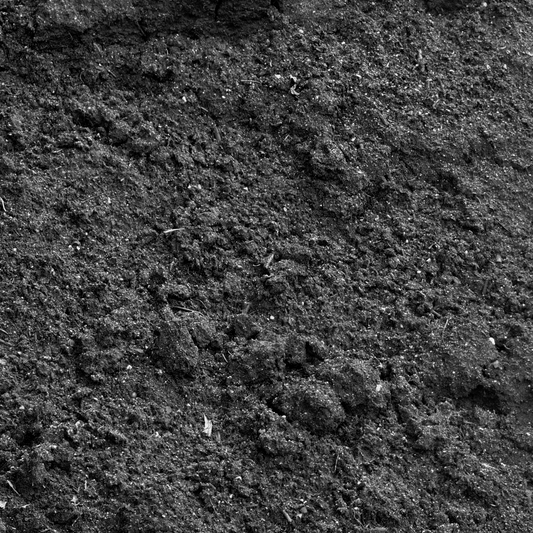
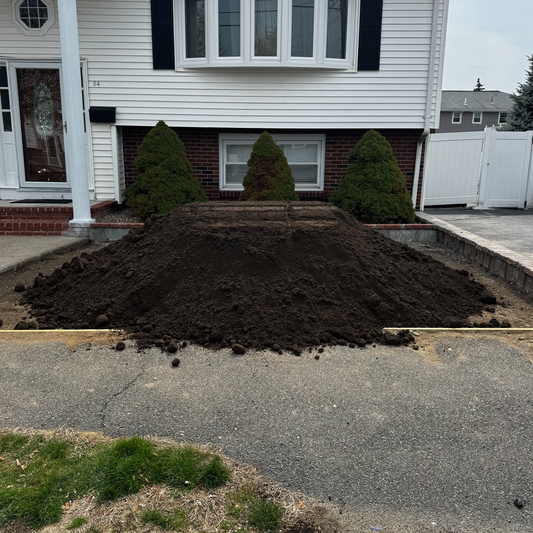
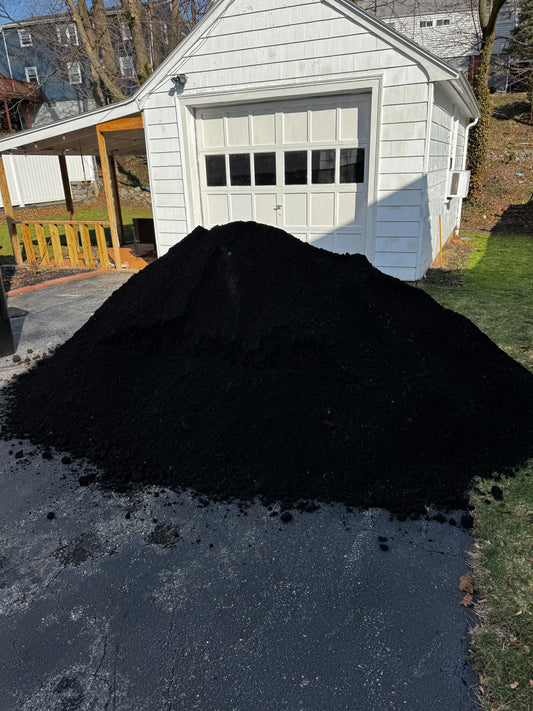
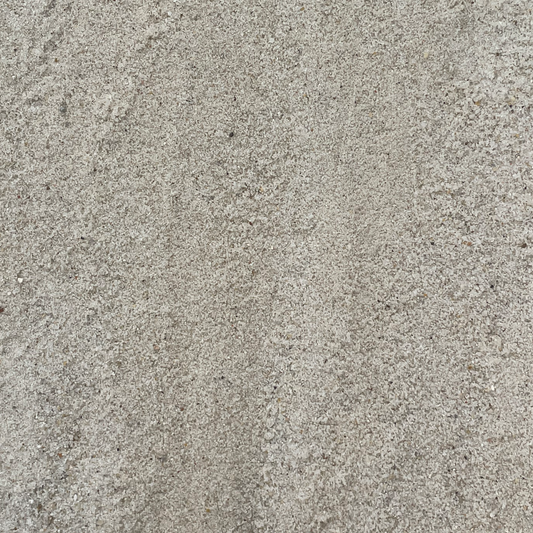
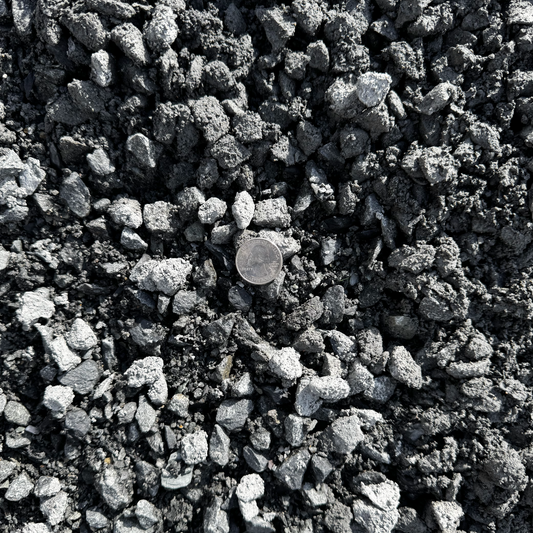
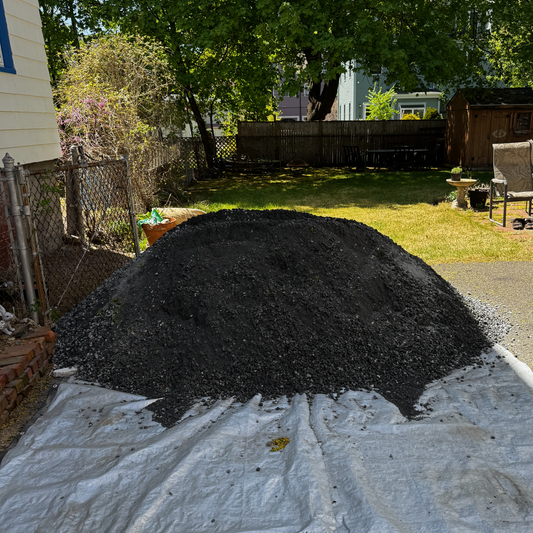
- 2–4 cubic feet of screened loam for top-dressing
- 1 standard cool-season seed mix (KBG/fescue/ryegrass blend)
- 1 fine fescue shade blend
- 1 starter fertilizer — light, slow-release, applied at seeding
Order from the Lawn Leveling & Repair collection for screened loam by the cubic foot or yard. For dethatching and aerating beforehand on a tired Medford lawn, see How to Dethatch and Aerate a Tired Newton Lawn — same approach.
The April Execution Sequence
- Week of April 1: Final salt flush, walk the lawn, mark every patch with a garden flag
- April 5–15: Soil temps approaching 50°F — start reseeding the easiest patches (sunny, well-drained spots)
- April 15–25: Reseed shaded and trickier spots
- Through May 15: Daily light watering until grass is established (1.5–2" tall)
For broader MA salt and lawn context, the UMass Turf Program is the authoritative regional source.
Plan now, repair right.