Quick Answer
Vole damage shows up as narrow 1.5-inch surface runways winding across the lawn, typically along foundation edges, under shrub canopy, and through tall grass at the woodline. Mice damage tree bark at the base, leaving girdled rings. Both work under snow all winter — by late February, partial snowmelt reveals the trails. Most damage is cosmetic and fills in with a light loam top-dress and overseeding by Memorial Day. Sharon's wooded lots with stone walls are vole magnets — plan repair for early April.
Why Sharon Lawns Are Vole-Prone
Sharon sits in a corridor of woodlands, stone walls, and old fields — exactly the habitat meadow voles (Microtus pennsylvanicus) and white-footed mice (Peromyscus leucopus) prefer. The combination of mature lawns adjacent to natural cover means most Sharon yards see at least cosmetic vole damage in any winter with sustained snow cover.
This guide walks through identifying what you're looking at as snow recedes in late February and early March, and which damage needs repair vs. which fills in on its own.
Step 1 — Walk the Lawn Once Half the Snow Is Gone
Wait until snow cover is patchy — typically late February in Sharon. Earlier walks miss the damage; later walks miss the fresh runways before grass starts greening.
Bring garden flags. Mark every distinct runway, every bare patch larger than a dinner plate, and every shrub or young tree where you see chewed bark at the base.
Step 2 — Identify Vole Surface Runways
Vole runways are unmistakable once you know what you're looking for:
- Width: 1 to 1.5 inches — narrower than a child's fingerprint
- Pattern: Winding, not straight. Voles avoid open ground.
- Location: Along foundation lines, under shrub canopy, through long grass at lawn edges
- Surface: Grass is matted flat, sometimes clipped short or eaten down to crowns
- Connections: Runways often connect to small holes (1.5" diameter) at the soil surface — burrow entrances
If you see a network of these — especially radiating out from a stone wall or compost pile — you have a vole population, not a one-off.
Step 3 — Distinguish Voles From Mice
Different damage, different approach:
Voles chew grass and roots. Damage is mostly to lawn, especially at the crown level.
Mice chew bark. Damage is to young trees, shrub stems at ground level, and sometimes burlap-wrapped roots. Look for girdled rings of stripped bark 4–6 inches up from the soil line on young maples, fruit trees, and arborvitae.
A Sharon yard with both lawn runways AND girdled trees has both — voles and mice often share the same winter cover.
Step 4 — Distinguish Vole Damage From Snow Mold
Snow mold looks similar to a casual glance but the diagnosis differs:
- Vole runways: narrow, winding, 1–1.5" wide, with chewed grass blades
- Pink snow mold (Microdochium nivale): irregular pink-tinted patches 6"–2' across, no defined edges, no runways
- Gray snow mold (Typhula spp.): similar to pink but white/gray fungal mat visible in the middle
Snow mold disappears once the lawn dries out — no repair needed. Vole damage stays. The UMass Extension has the most authoritative MA-specific guidance on diagnosing winter lawn damage.
Step 5 — Assess Severity
Three categories:
Cosmetic (fills in on its own): Light runway pattern, grass crowns mostly intact, no bare soil. Wait for spring growth — usually invisible by mid-May.
Moderate (repair in April): Runways with chewed-down grass crowns, some bare patches under 12" wide. Light loam top-dress and overseeding fixes it.
Heavy (full repair): Bare patches over 12" wide, multiple runways crossing each other, dead crowns throughout the affected area. Treat as standard lawn repair — see 5 Lawn Repair Patches Medford Homeowners Can Plan Before April for the playbook.
Step 6 — Plan the Repair
For moderate to heavy damage, the materials list:
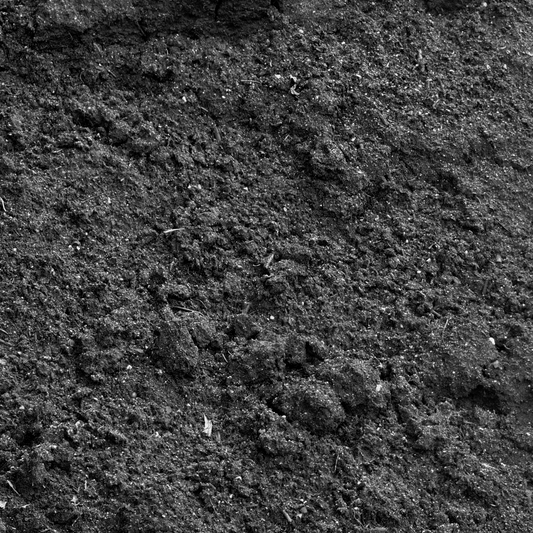
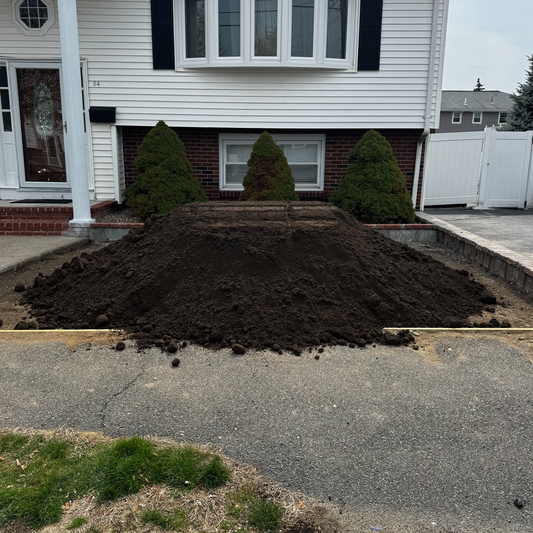
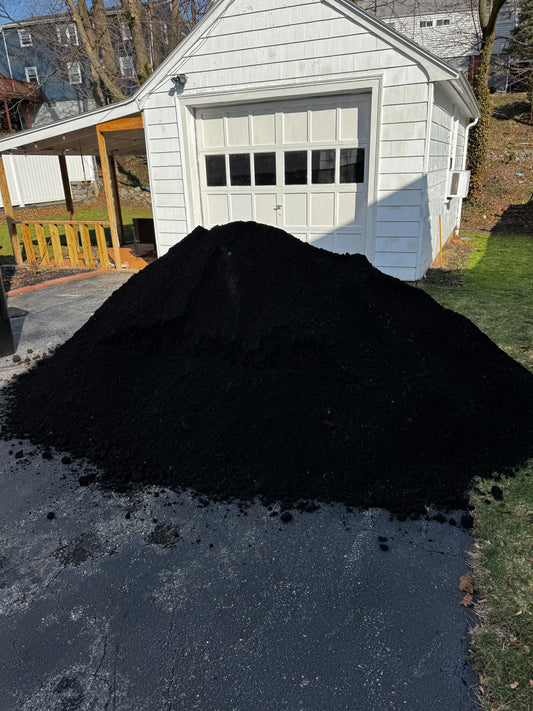
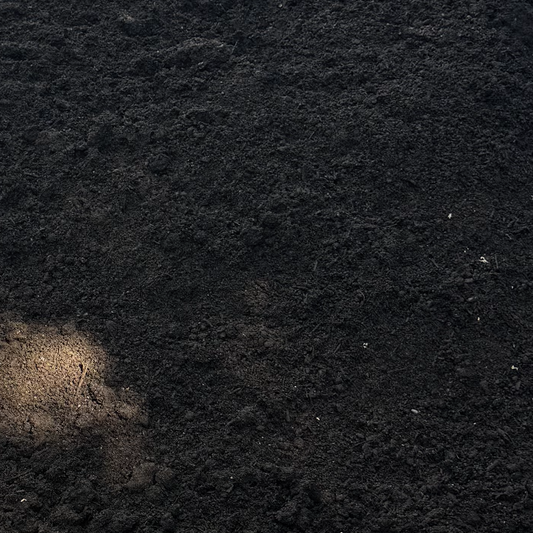
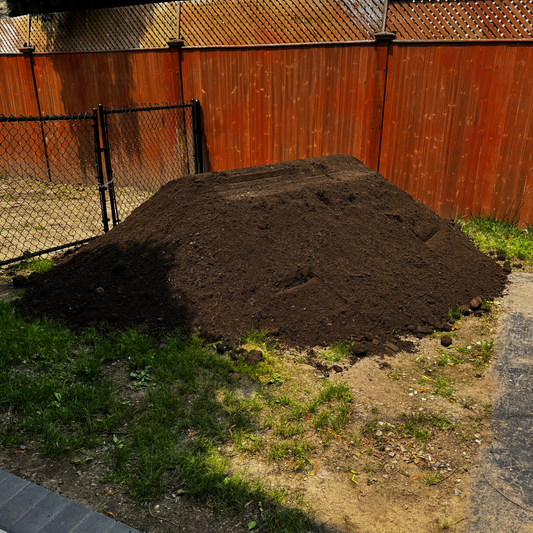
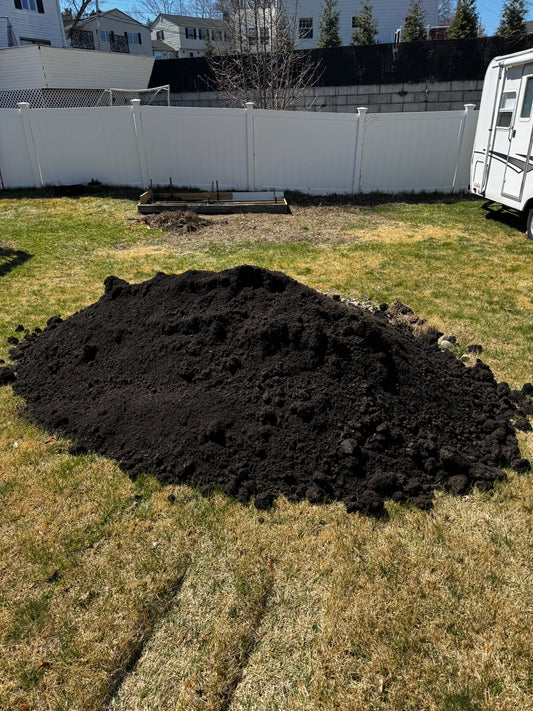
- Screened loam — ¼" top-dress over runways, ½" fill on bare patches. Order from the Lawn Leveling & Repair collection.
- Cool-season seed mix — Kentucky bluegrass / fine fescue blend
- Light starter fertilizer — slow-release, applied at seeding
- A hand rake to lightly score the runway surface before topdressing
Time the repair for early to mid-April once soil temperatures hit 50°F. For broader cool-season grass selection guidance for MA winter recovery, see 5 Cool-Season Grasses That Recover Best from a Hard Worcester County Winter.
Step 7 — Address the Cause Before Next Winter
If you had heavy damage this year, plan to reduce vole habitat heading into next fall:
- Mow the lawn short in late October — voles need cover to survive winter
- Pull mulch back from tree trunks by 6 inches — denies winter cover at the base
- Clear long grass from foundation edges and stone walls in fall cleanup
- Trim shrubs up off the ground to expose the soil underneath
For dethatching and aerating after vole damage to encourage recovery, see How to Dethatch and Aerate a Tired Newton Lawn. For deeper plow-damage repair where the issue is mechanical not biological, see How to Reseed a Bare Spot Where the Snow Plow Tore Out a Medford Lawn.
What Not to Do
Don't put down poison. Bait targeted at voles affects owls, foxes, and pets. Sharon has plenty of red-tailed hawks and barred owls that depend on healthy small-mammal populations — secondary poisoning is real.
Don't apply nitrogen heavy in April to "push" recovery. Forcing growth on damaged turf invites disease. Light starter fertilizer at seeding is enough.
Don't reseed the same week you find the damage. Soil temps in late February and early March are too cold. Wait for April.
For MA-specific turf recovery research and timing, the UMass Turf Program is the authoritative source.
Sharon yards bounce back. The damage looks alarming in March and is usually invisible by July with the right April repair.