Quick Answer
For Worcester County's USDA Zone 5b–6a winters, the five cool-season grasses worth seeding: Kentucky bluegrass (best self-repair, needs sun), creeping red fescue (shade tolerance, drought hardy), hard fescue (low maintenance, slow growth), perennial ryegrass (fastest establishment, weak winter hardiness), and chewings fescue (fine texture, mid-shade). Most Worcester yards do best with a 70/20/10 blend of bluegrass, fescues, and ryegrass — not a single species. Below: where each one wins.
Why Worcester County Lawns Need a Different Conversation
Worcester County winters hit harder than Boston's. Sturbridge, Worcester, and Leominster all sit in USDA Zone 5b, with sustained subzero stretches that Boston rarely sees. The grasses that quietly underperform in Newton or Brookline visibly fail in Westborough by March.
This guide ranks cool-season grasses by their actual winter recovery, not their establishment speed or summer color. The right Worcester County lawn is rarely a single species — it's a smart blend tuned to your specific yard.
#1 — Kentucky Bluegrass (Best for: full-sun lawns with self-repair priority)
The default Worcester County turf grass for good reason. Kentucky bluegrass spreads via rhizomes (underground stems), which means a damaged spot heals itself if surrounding grass is healthy. Plow damage, dog spots, and salt damage all close in faster on a bluegrass-dominant lawn than any other species.
Wins when: Full sun (6+ hours direct), well-drained soil, you want the lawn to look uniform and green from May through October.
Stops winning at: Shade — bluegrass needs sun and dies back fast under maple canopy. Also sluggish to establish — 14–21 days to germinate, and another 4–6 weeks before it's wear-tolerant.
Worcester County winter recovery: Excellent. Bluegrass goes dormant cleanly and greens up reliably by late April. Rhizome network repairs minor winter damage automatically.
#2 — Creeping Red Fescue (Best for: partial shade, low-maintenance lawns)
Fine fescues are Worcester County's secret weapon. Creeping red fescue tolerates 4–5 hours of sun, drought-hardy once established, and stays green through dry summers when bluegrass browns out.
Wins when: Mature trees create dappled shade, the yard doesn't get irrigation, you want less mowing (creeping red maxes at 4–5" naturally).
Stops winning at: Heavy foot traffic — fine fescues don't recover from wear as fast as bluegrass. Also struggles in fully open, hot lawns.
Worcester County winter recovery: Very good. Less self-repair than bluegrass but extremely cold-hardy. Often the last to brown in fall and first to green in spring.
#3 — Hard Fescue (Best for: low-input shade lawns, slopes)
Hard fescue is the unsung hero for Worcester County yards with rocky slopes, north-facing banks, or the kind of "we just want it to stay green" maintenance philosophy. Slow-growing, needs almost no fertilizer, tolerates poor soil.
Wins when: A shaded slope, a foundation strip, or anywhere you don't want to mow weekly. Also wins on rural Worcester County lots where the lawn isn't the main feature.
Stops winning at: A formal front lawn that needs uniform color and texture. Hard fescue clumps if not blended with finer grasses.
Worcester County winter recovery: Excellent. Probably the most cold-hardy of the cool-season grasses. Dormant cleanly, greens early.
For broader winter recovery diagnostics on Worcester County lawns, see How to Identify Vole and Mouse Damage in a Sharon Lawn — same diagnostic principles.
#4 — Perennial Ryegrass (Best for: fast establishment, overseeding, blends)
Perennial ryegrass germinates in 5–7 days — twice as fast as bluegrass — which makes it the right pick for spring repair and fall overseeding. Bunch-type (no rhizomes), so it doesn't self-repair, but it fills in fast in a blend.
Wins when: You need green grass now — repair patches, blowouts, contractor jobs that need to look done. Also wins as the 10–20% companion species in a bluegrass blend, where it gives you cover while the bluegrass establishes.
Stops winning at: Worcester County's deepest winters. Perennial ryegrass is the weakest winter performer of the five — Zone 5b extremes can thin it badly. Don't seed a Sturbridge or Athol lawn with straight perennial ryegrass.
Worcester County winter recovery: Fair to poor. Rely on it as a blend partner, not a primary species in colder zones.
#5 — Chewings Fescue (Best for: fine-textured shade lawns)
Another fine fescue, similar to creeping red but with finer blades and a more upright growth habit. Doesn't spread aggressively but blends seamlessly into mixed shade lawns.
Wins when: A high-end shaded front lawn where texture and refinement matter, often in older Worcester or Holden neighborhoods with mature canopy.
Stops winning at: Wide-open sunny lawns, where bluegrass outperforms it.
Worcester County winter recovery: Very good. Cold-hardy and slow to brown.
How to Blend for a Worcester County Lawn
Most Worcester County yards do best with a blend, not a single species. Three blends worth knowing:
- Sunny lawn (70/20/10): 70% Kentucky bluegrass, 20% perennial ryegrass, 10% creeping red fescue. The default for a typical front yard.
- Mostly shaded lawn (60/30/10): 60% creeping red fescue, 30% hard fescue, 10% chewings fescue. No bluegrass, no ryegrass.
- Mixed sun/shade (40/30/20/10): 40% bluegrass, 30% creeping red fescue, 20% hard fescue, 10% perennial ryegrass.
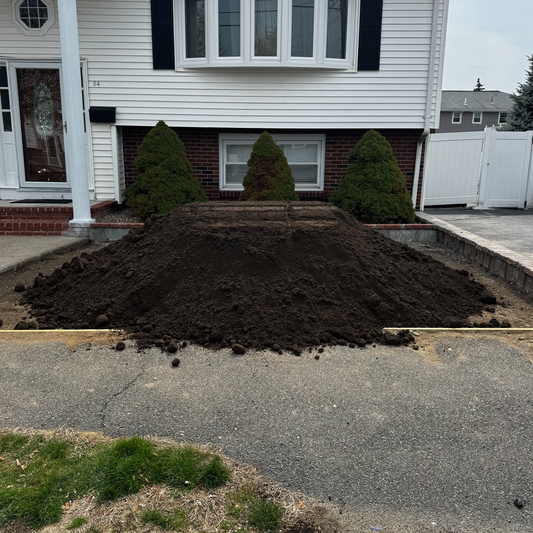
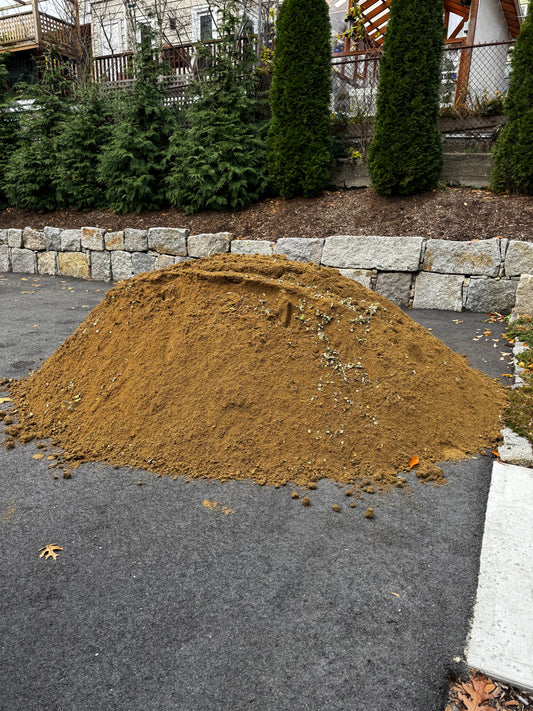
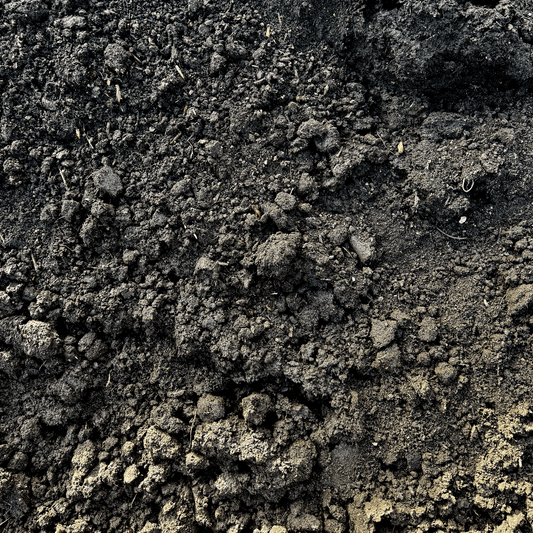
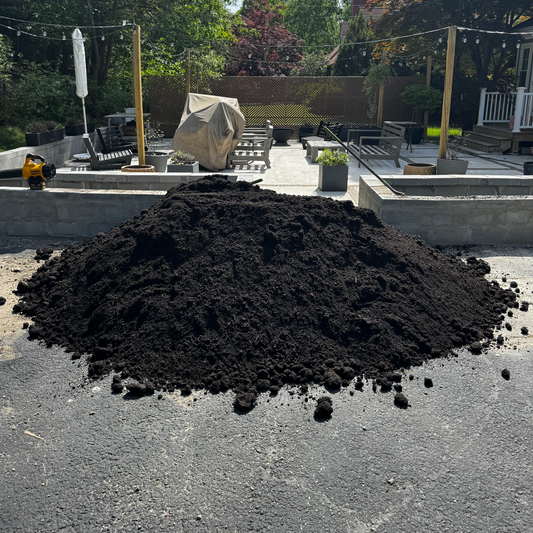
Order seed and screened loam together for any reseeding project. Browse the Lawn Leveling & Repair collection for materials. For application timing, see When Will My Lawn Green Up in Boston? — Worcester County runs 1–2 weeks behind Boston's timeline.
When to Seed in Worcester County
The two windows:
- Spring: April 15 – May 15, after soil temps hit 50°F. Best for repair patches.
- Fall: August 25 – September 25 (the better window). Cooler nights, warm soil, fewer weeds.
For dethatching and aerating before reseeding, see How to Dethatch and Aerate a Tired Newton Lawn. For overseeding vs. full reseeding decisions, see Overseeding vs Reseeding a Brookline Lawn.
For MA-specific cultivar recommendations and the latest research on cold-tolerant cool-season grasses, the UMass Turf Program is the authoritative regional source.
The right grass for a Worcester County lawn isn't usually one grass — it's the blend that handles your specific mix of sun, shade, soil, and Sturbridge-cold January nights.