Quick Answer
Overseed when less than 30% of the lawn is bare or thin. Reseed when 30%+ is dead or you want a different grass type altogether. Overseeding adds seed to existing lawn for thickening and gradual replacement; reseeding kills what's there, preps the seedbed, and starts over. Most Brookline lawns are overseed candidates. The distinction is about percent damage, not effort — overseeding is cheaper, faster, and works for the typical Coolidge Corner or Washington Square lawn that lost a few patches over winter.
Why Brookline Asks This Question
Brookline lawns share a profile: small, often irrigated, mature, mixed-shade conditions, and high homeowner expectations. By March 24, the snow is mostly gone and the damage is visible — salt stripes at curb edges, plow tear-outs, snow mold patches, last summer's drought thinning that never recovered. The question becomes: is this an overseed year or a reseed year?
Most Brookline yards — Coolidge Corner, Washington Square, Brookline Village, Chestnut Hill — are overseed years. Reseed years come every decade or so when something has gone seriously wrong (heavy snow mold, drought year, long-deferred maintenance).
This Q&A walks through the diagnostic.
Q: What's the actual difference between overseeding and reseeding?
A: Overseeding adds seed to existing turf. Reseeding kills the existing turf and starts from bare soil.
Overseeding: - Mow short (2"), aerate, broadcast seed, top-dress lightly, water. - Timeline: full lawn established in 4–8 weeks while existing grass keeps growing. - Best for thinning lawns, gradual cultivar improvement, salt-damage repair.
Reseeding: - Kill existing grass (glyphosate or solarization), strip dead material, prep seedbed with fresh loam/compost top-dress, broadcast seed at heavy rate, water aggressively. - Timeline: full lawn established in 8–12 weeks, no existing grass during the process. - Best for bermudagrass-infested lawns, severe thinning, full conversion to a different grass type.
Q: How do I tell which one I need?
A: Walk the lawn and estimate percent bare/thin. The threshold is 30%.
- Under 30% bare/thin: Overseed. The healthy 70%+ supports the new seed and crowds out weeds.
- 30–60% bare/thin: Aggressive overseeding with a slit seeder still works.
- Over 60% bare/thin: Reseed. There's not enough existing lawn to bother saving.
Walk the yard with a tape measure if you're unsure. Mark off a 10x10 ft section. Count squares (or rough percent area) that are bare, brown-and-dead, or thinner than the surrounding lawn.
Q: When should I overseed in Brookline?
A: April 5 – April 25, paired with aeration. Soil temps need to hit 50°F for germination, and you want at least 6 weeks of cool weather after germination for establishment. Brookline soil hits 50°F by April 5 in most years.
Pair overseeding with core aeration — the holes are the perfect seed-to-soil contact points. See how to dethatch and aerate a tired Newton lawn for the technique; Newton and Brookline conditions are essentially identical.
A fall window also works (Sept 1–25). For spring, the April window is fine; if you miss it, wait until September rather than seeding in May or June.
Q: What seed do I use to overseed?
A: Match what's already there, or a tighter cultivar of the same species. If your lawn is Kentucky bluegrass dominant, overseed with a KBG + fine fescue mix. If it's fine fescue dominant (heavily shaded), overseed with a fescue blend.
For the full cultivar-by-cultivar matchup with sun and shade conditions in mind, see 5 grass seed mixes that suit Middlesex County conditions — Middlesex and Norfolk County recommendations apply directly to Brookline.
Seeding rates: - Overseeding: 3–4 lbs per 1,000 sq ft - Reseeding (bare soil): 6–8 lbs per 1,000 sq ft
Q: What's the prep work before overseeding?
A: Aerate, top-dress, then seed.
- Mow short (2") to reduce competition for emerging seed.
- Core-aerate in two perpendicular passes.
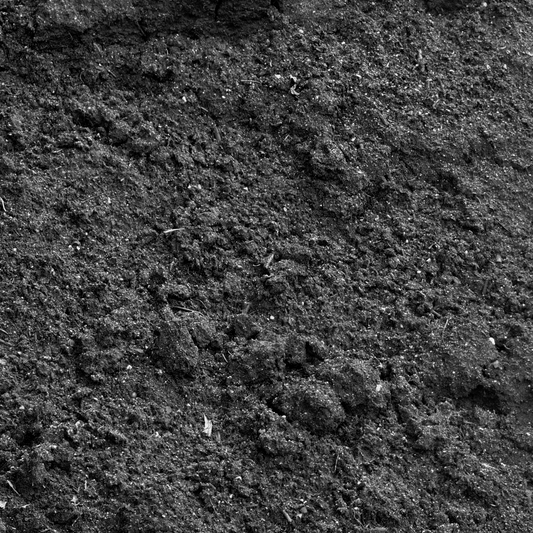
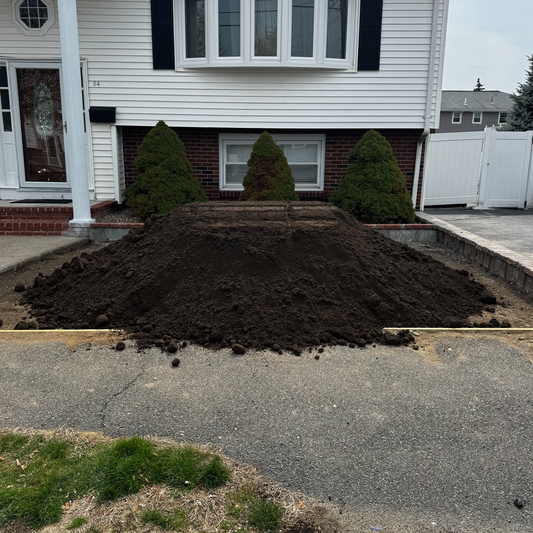
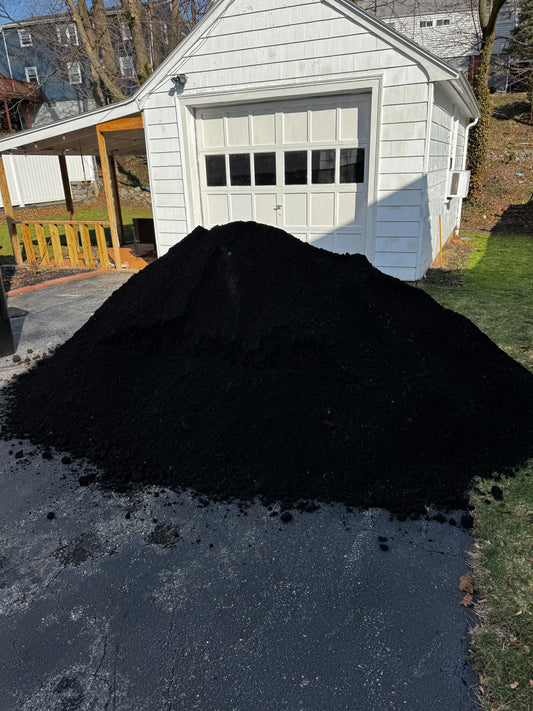
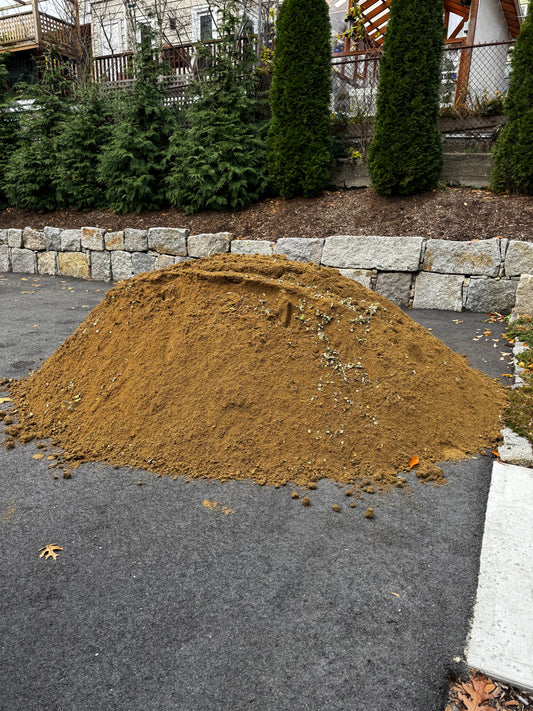
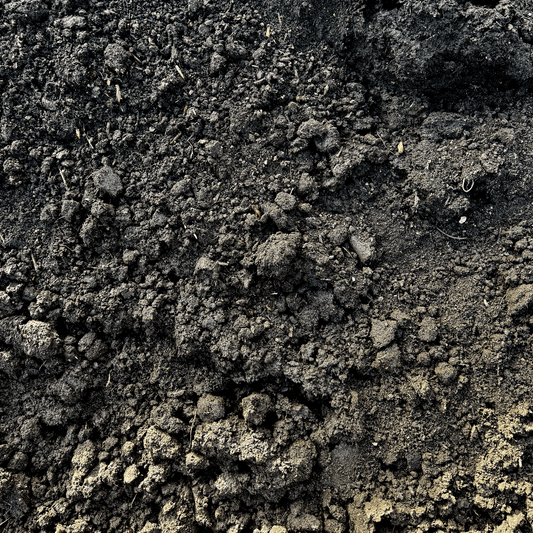
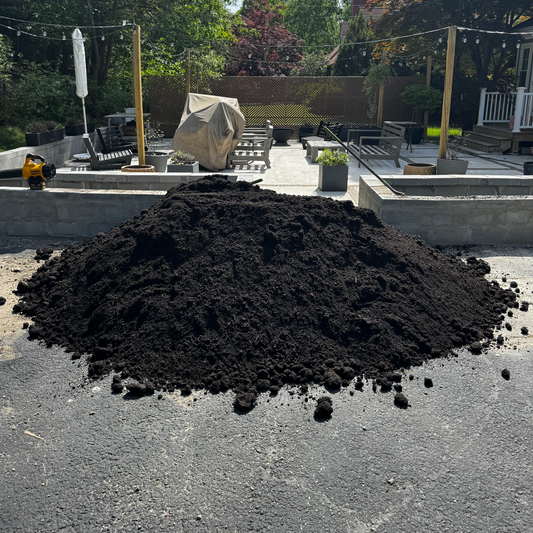
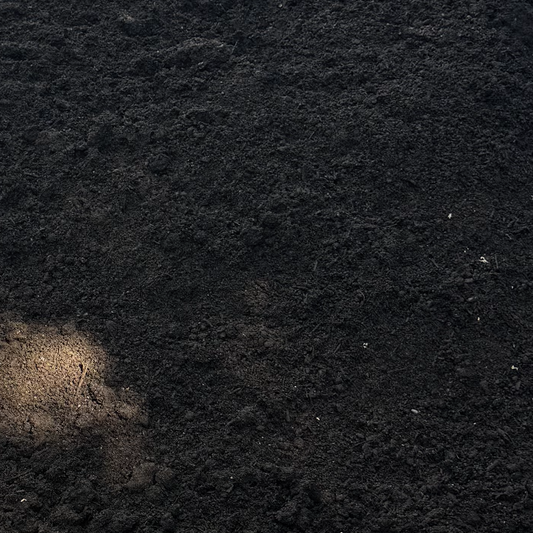
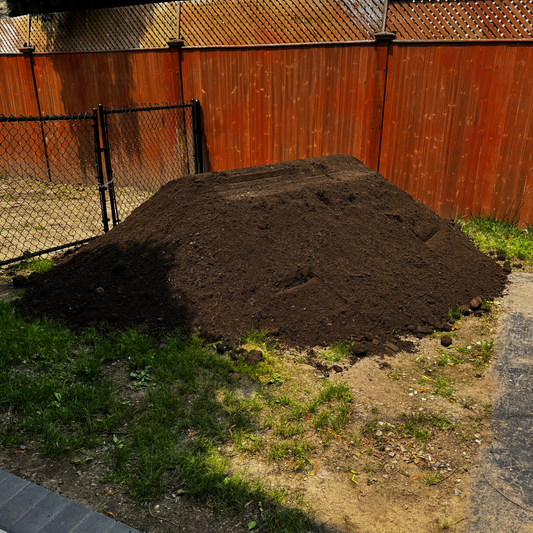
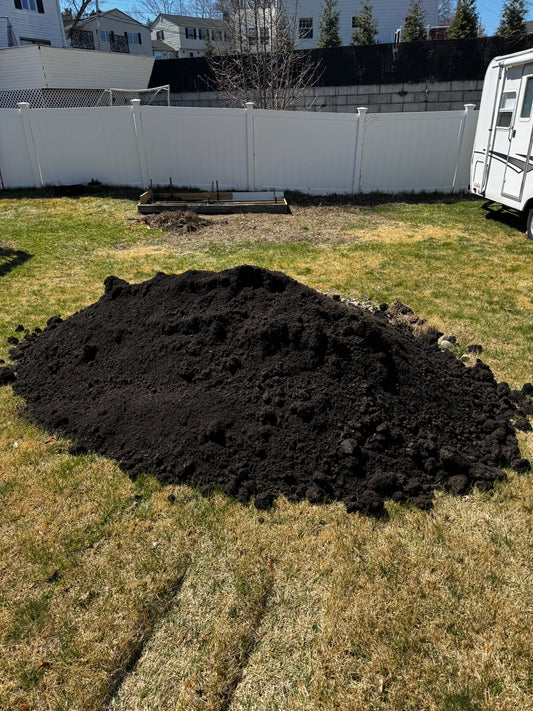
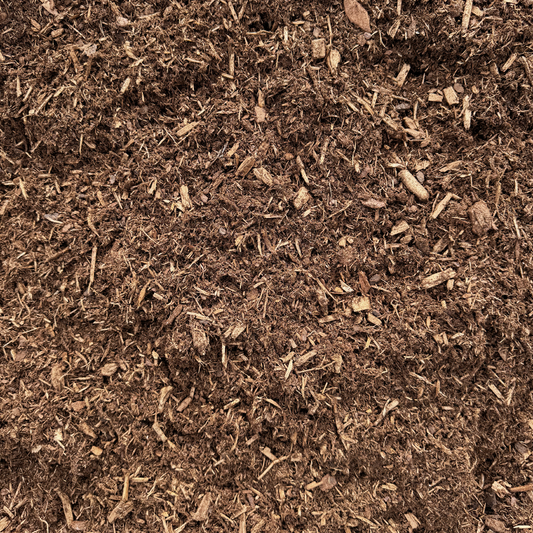
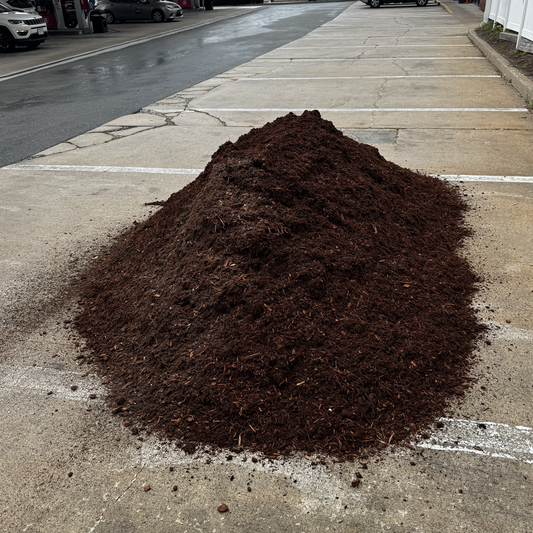
- Top-dress with ¼" of screened loam-compost blend — see top-dressing a Waltham lawn with loam. For a 5,000 sq ft Brookline lawn, that's about 1.5 cubic yards of blend ordered through the lawn leveling & repair collection.
- Broadcast seed with a hand spreader (small lawns) or a push spreader.
- Lightly rake to settle seed into the top-dress.
- Water lightly daily for 14 days, then deep-and-infrequent.
Q: Can I skip the aeration?
A: You can, but yields drop ~50%. Seed-to-soil contact is the limiting factor. If aeration genuinely isn't an option (rental constraints, time pressure), use a slit seeder instead — rented from any equipment yard for $80–$120 per half-day. Slit seeders cut shallow grooves and drop seed into them. Better than just broadcasting on top.
Pure broadcast on top of established turf without aeration or slit-seeding is the lowest-yield approach. Most seeds wash away or get eaten by birds before they germinate.
Q: What about pre-emergent herbicide?
A: Skip it the year you overseed. Pre-emergent kills crabgrass — and it kills your new grass seed too. Choose between weed control and overseeding; you can't do both in the same spring. If crabgrass is your bigger problem, address it this year and overseed in fall.
Q: How much does overseeding cost?
A: $200–$400 DIY for a typical Brookline lawn.
For a 5,000 sq ft lawn: - Aerator rental: $100 - Top-dress (1.5 yards loam-compost blend): $80 - Seed (15 lbs KBG/fine fescue mix): $80 - Total DIY: $260
Hired out: $700–$1,200 in Brookline.
Q: What if I have salt damage stripes specifically?
A: That's overseeding territory but with extra work. Salt-damaged stripes need flushing first — see does rock salt really kill Newton lawns? for the rinse protocol. Once flushed, treat the stripe as a bare patch and overseed at the heavy rate (8 lbs/1,000 sq ft) with a perennial-rye-heavy quick-fill mix.
The Brookline Decision Tree
- Less than 30% damage: Overseed (April 5–25). $260 DIY.
- 30–60% damage: Aggressive overseed with slit seeder. $400 DIY.
- 60%+ damage or wrong grass type: Reseed. $800–$1,500 DIY.
- Salt stripe only: Flush + spot-overseed.
- Heavy crabgrass pressure: Pre-emergent this year, overseed in fall.
For Cornell-side science as a peer reference, Cornell Turfgrass publishes overseeding-rate research that matches MA conditions, and the UMass Turf Program provides MA-specific timing guidance.
The short version: if more than 70% of the lawn is alive, overseed. Match seed to existing species, aerate first, top-dress with a quarter-inch, water for two weeks. Most Brookline lawns are overseed candidates this year.