Quick Answer
To spot salt damage on a Brookline lawn edge in late winter, walk the 2-foot strip inside any salted surface — driveway apron, sidewalk, curb — between mid-March and mid-April. Look for a straw-yellow stripe that stays brown after the rest of the lawn greens up, soil that crusts white when dry, and grass blades that pull out at the crown. Confirm with a UMass soil-salinity test, flag the zone, and plan reseeding for the third week of April.
Why Brookline Lawns Are Especially Vulnerable
Brookline streets have some of the densest curb-edge salt application in eastern MA. Town-side plowing, private contractors on Beacon Street brownstone aprons, and homeowner over-application on tight Coolidge Corner driveways all stack up. The lawn shoulder gets hit from both sides — public salt from the street, private salt from the apron. By February, the top 6 inches of soil along the curb is carrying a sodium load that won't flush out without help.
The damage shows up between mid-March and mid-April, exactly when the rest of the lawn is breaking dormancy. If you wait until May to look, you've missed the diagnostic window.
Step 1 — Walk the Curb Edge When the Snow's Gone
Pick a dry day after the last snow has melted but before the first mow. Walk slowly along every salted surface on your property: street curb, driveway apron, walkway edges, the sidewalk strip if you have one.
What you're looking for:
- Straw-yellow stripe. A 6–18 inch band running parallel to the salted surface, paler than the rest of the lawn. The wider the stripe, the heavier the application.
- Crusty white soil. Salt crystals on the surface after a dry stretch. Most visible right next to driveway aprons.
- Pull-out grass. Tug a few blades; if they pull out at the crown with no resistance, the root system is dead.
- No new green at the soil line. Healthy dormant grass has new green growth at the crown by mid-March. Salt-killed grass doesn't.
Light damage produces a yellow stripe that recovers on its own by mid-May. Heavy damage produces a bare-or-brown stripe that needs reseeding.
Step 2 — Pull a Soil Sample
If the visible damage is significant, confirm with a soil test before doing anything else. The UMass Soil and Plant Nutrient Testing Lab runs an inexpensive salinity test (electrical conductivity) that tells you exactly what's in the root zone.
Use a trowel or soil probe to pull a 4-inch core from the damaged area, plus a control sample from a healthy section of lawn 20 feet inland. Send both. The contrast between the two readings is what matters.
UMass turnaround is usually 7–10 business days. Results in your hand by mid-April lets you plan the response.
Step 3 — Flag the Damage
The damage band is obvious in late March and invisible by late May once the lawn fills in around it. Mark the zone with garden flags or a quick line of inverted marking paint while the contrast is high. You'll thank yourself in April when you're standing in a uniform green lawn trying to remember exactly where the bare spots were.
Step 4 — Plan the April Response
The Brookline reseeding window opens around April 15 — slightly later in the colder pockets of West Roxbury or Roslindale, slightly earlier on south-facing front yards. Soil temperature needs to hit 50°F at 4 inches deep before grass seed reliably germinates.
For light damage:
- Wait it out through April. Most light stripes recover with normal spring rain flushing the sodium out of the root zone.
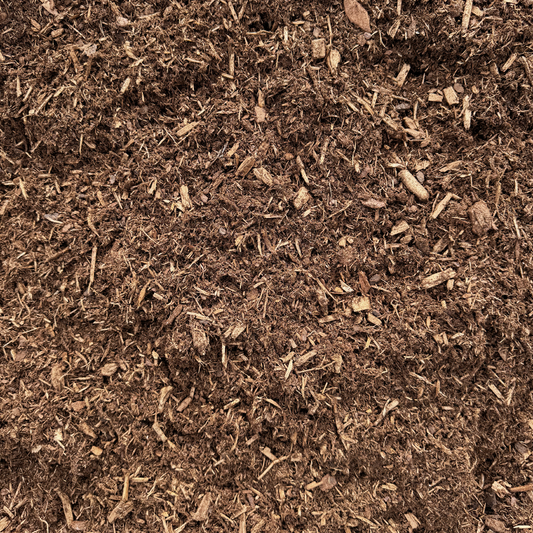
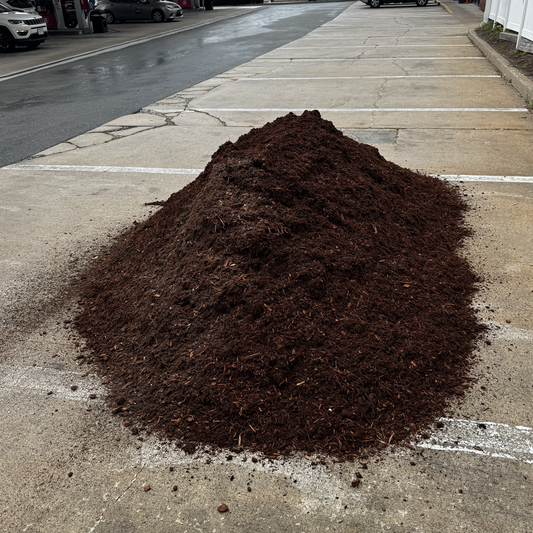
- Top-dress with ¼ inch of compost in late April to support the recovering crown.
For heavy damage:
- Rake out the dead material in mid-April, exposing soil.
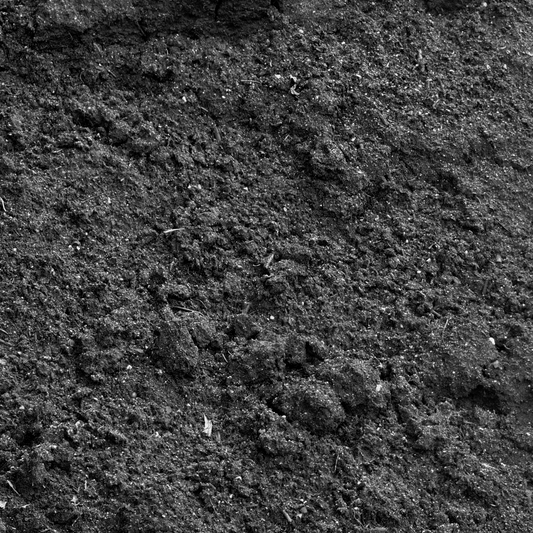
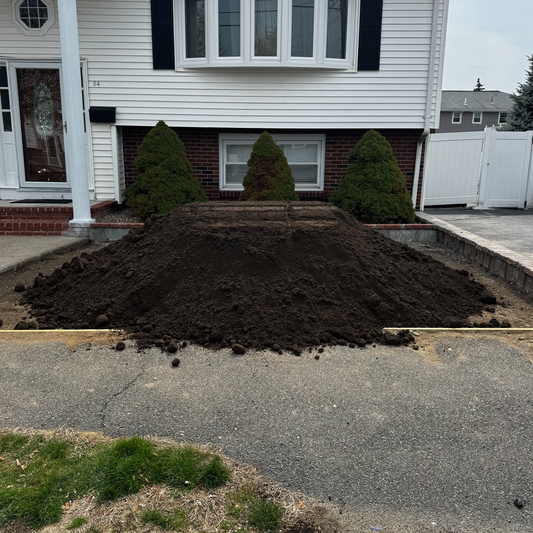
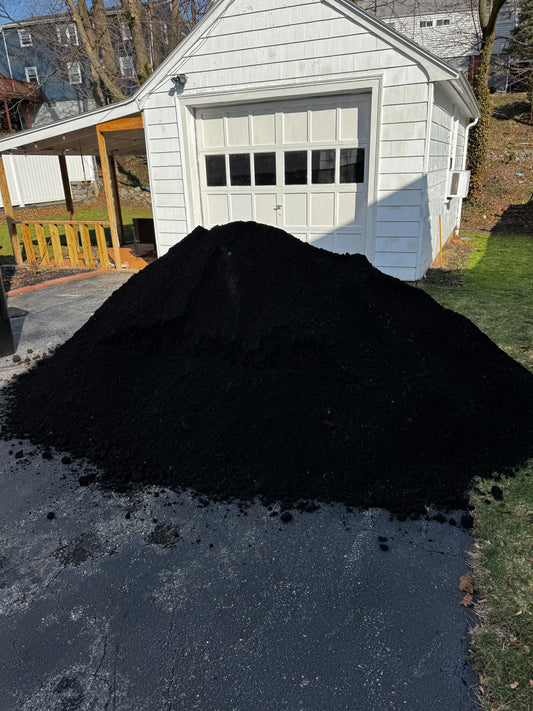
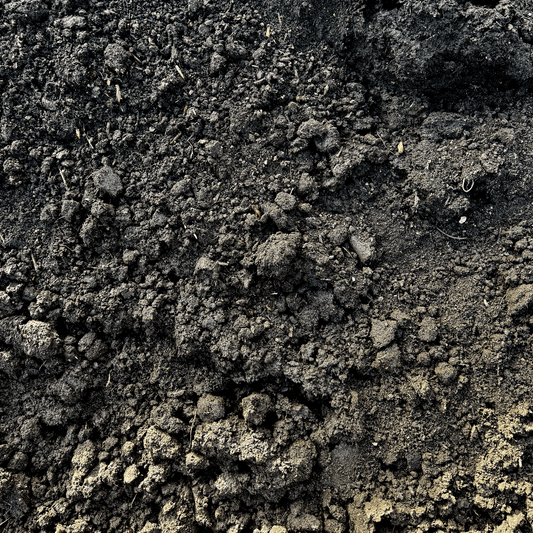
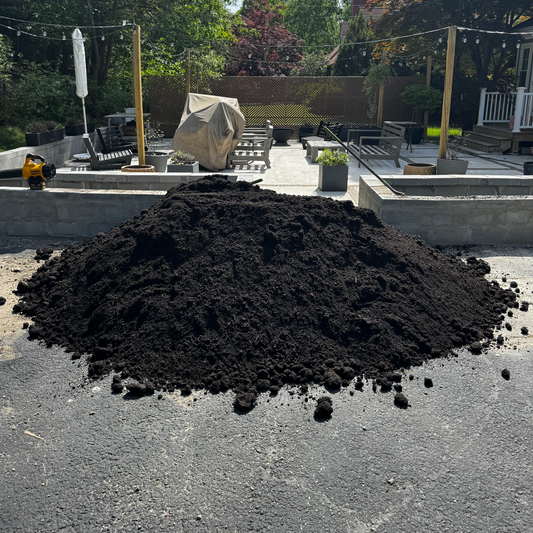
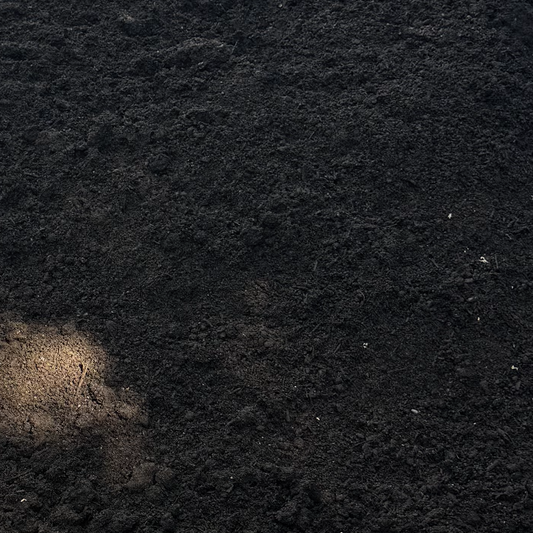
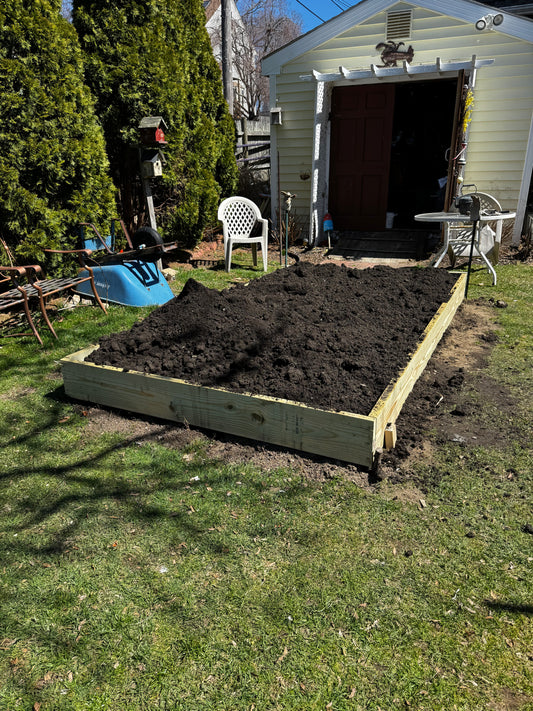
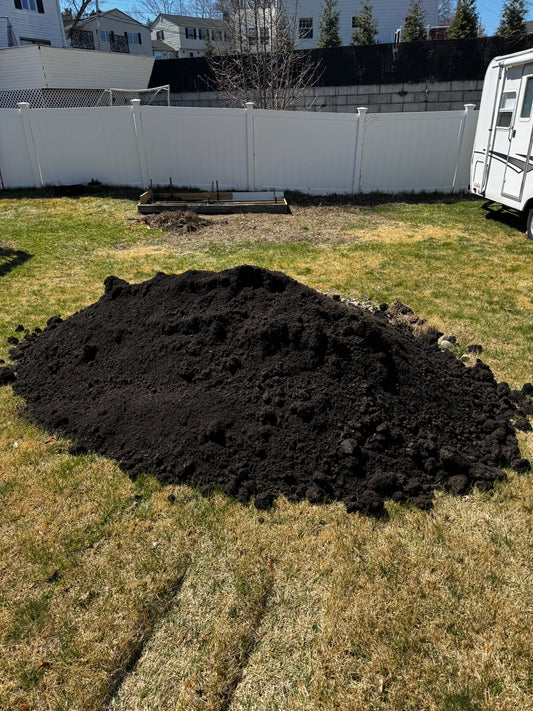
- Top-dress with 1 inch of clean topsoil or screened loam to dilute the residual salt in the surface layer.
- Overseed with a Kentucky-bluegrass / fine-fescue mix matched to your existing lawn.
- Water for two weeks until germination is established.
The full reseed protocol — with timing tables and seed-rate math — is in How to Reseed a Bare Spot Where the Snow Plow Tore Out a Medford Lawn. For a broader winter-damage repair plan that goes beyond just salt, see 5 Lawn Repair Patches Medford Homeowners Can Plan Before April.
Step 5 — Prevent Next Year's Stripe
The diagnostic window is also the planning window. If you're seeing a damage stripe this year, change next year's salt approach:
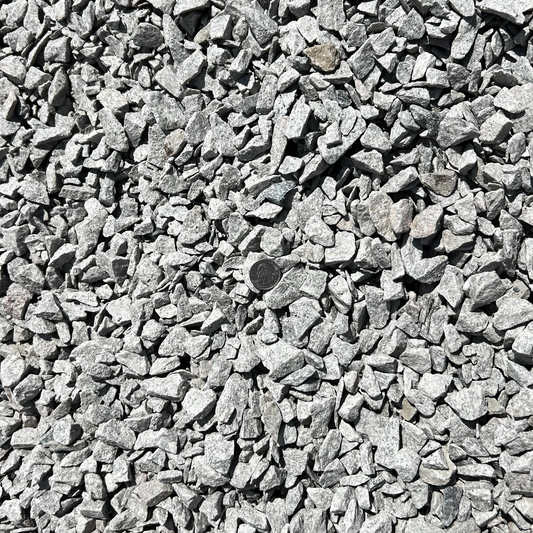
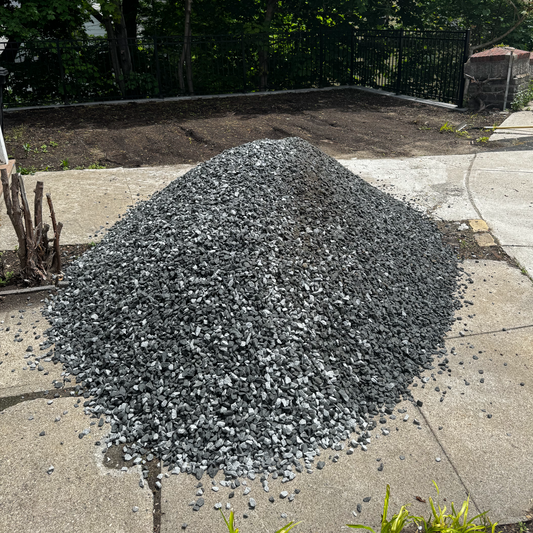
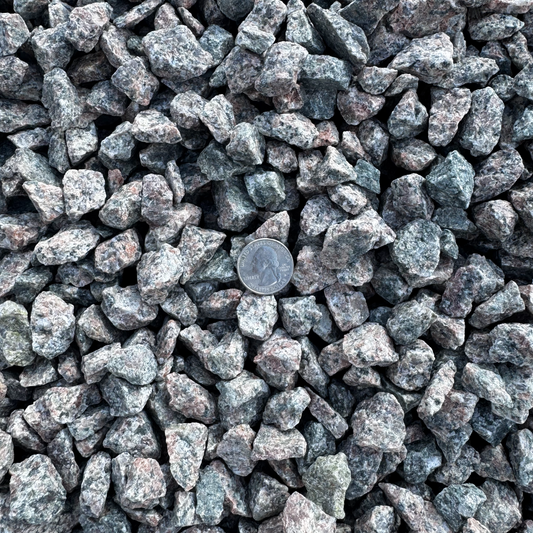
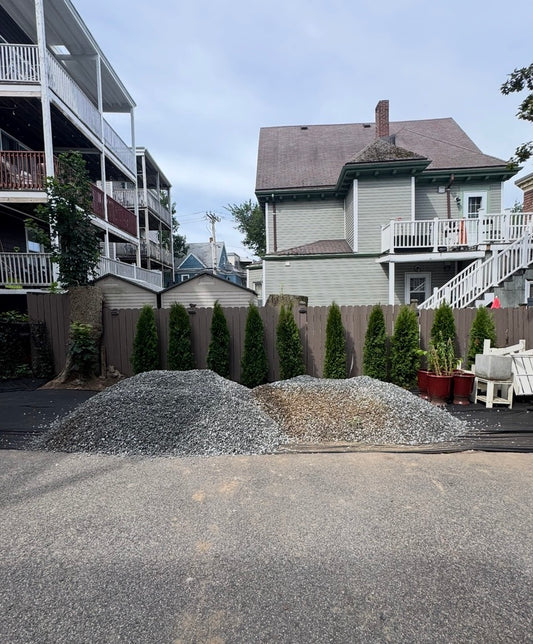
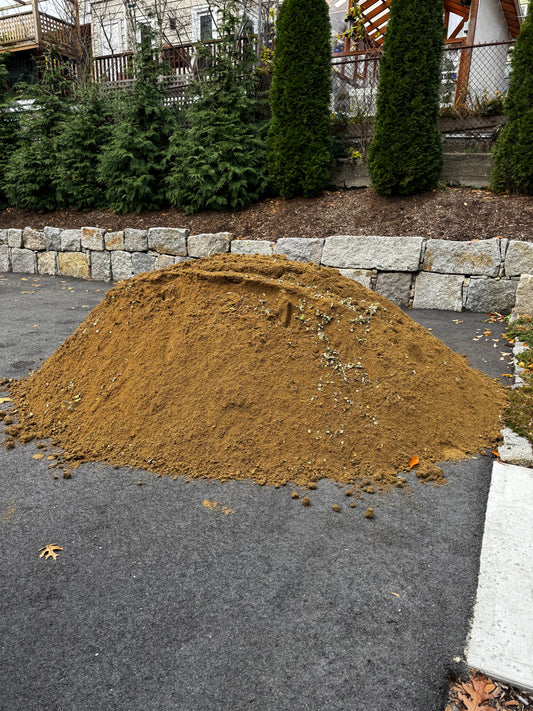
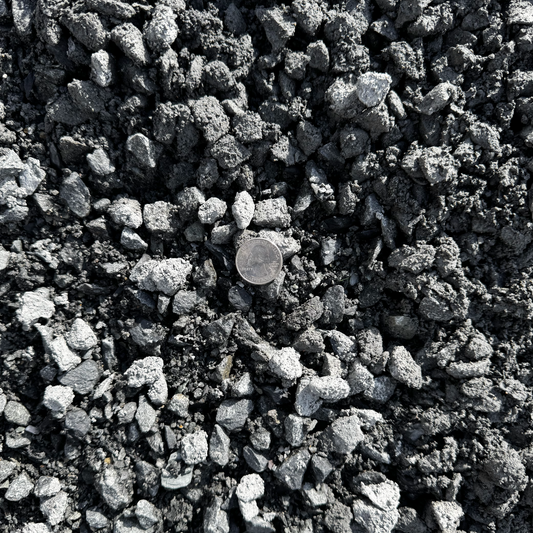
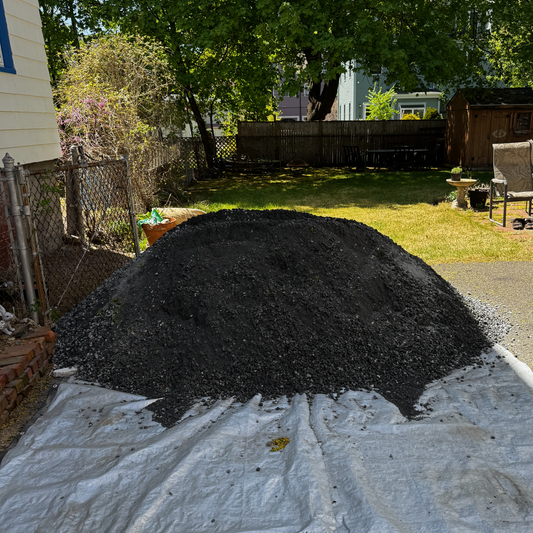
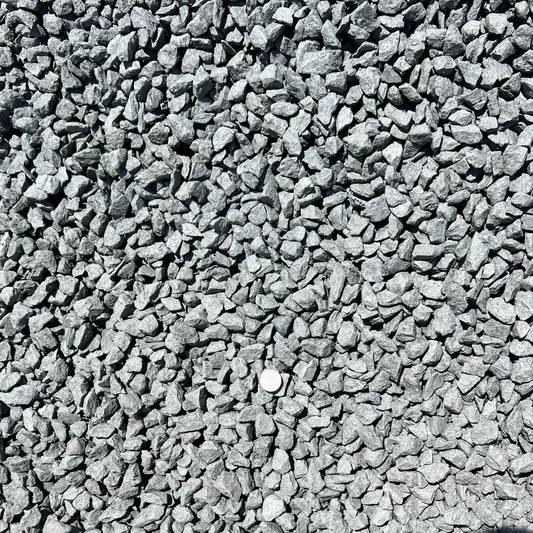
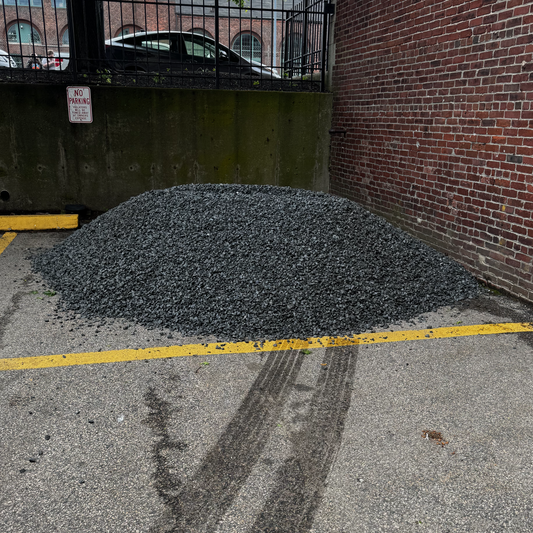
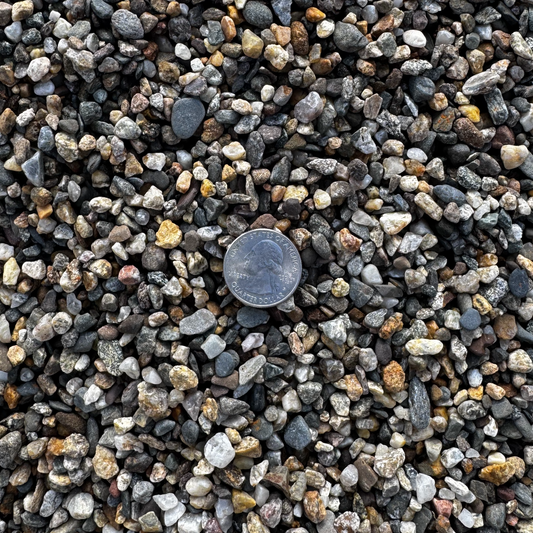
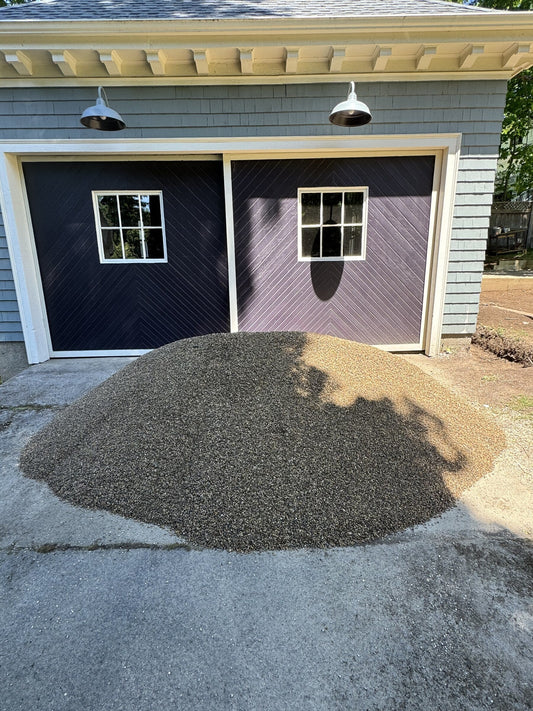
- Switch to salt-sand 20/80 for the lawn-adjacent strip. One-fifth the chloride load, same traction. Available in bulk by the cubic yard at Ottr.
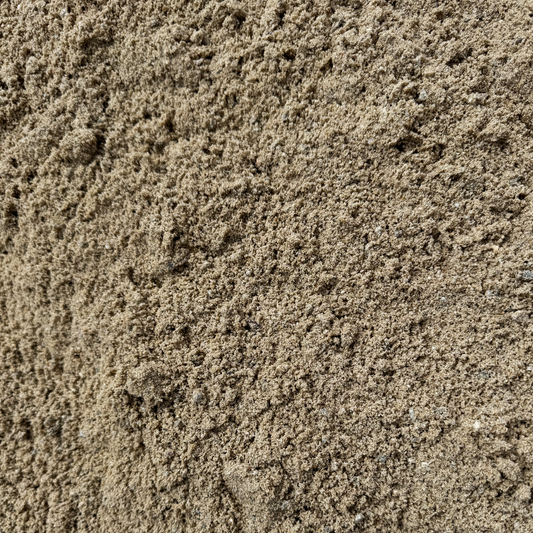
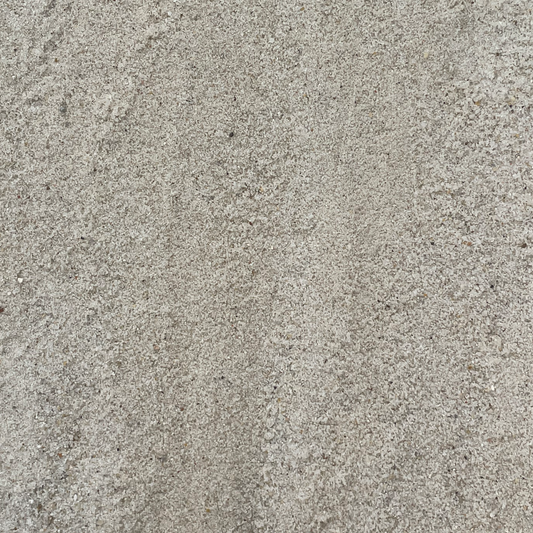
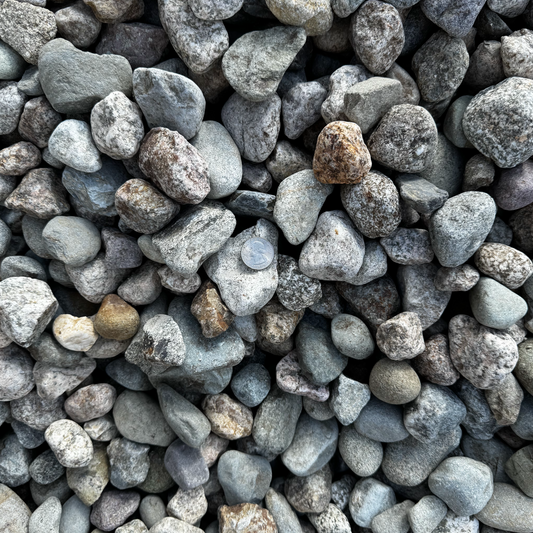
- Pure mason sand for the last 18 inches before the lawn. Zero chemistry.
- Tier the application — straight salt on the central drive, blend on the lawn edge, sand only on the boundary.
The full Q&A on how rock salt actually damages cool-season lawns and what the alternatives cost is in Does Rock Salt Really Kill Newton Lawns?.
What Brookline Homeowners Get Wrong
Three common mistakes:
- Reseeding too early. Mid-March seed rarely takes; the soil is still too cold. Wait until mid-April minimum.
- Skipping the soil test. Without a salinity reading, you don't know whether to flush, dilute, or fully replace topsoil. A $20 test saves a $300 mistake.
- Adding more grass seed without addressing the salt. Seeding into a salt-loaded root zone produces seedlings that die in two weeks. Top-dress and dilute first.
For broader chloride runoff and watershed impact across Brookline and the Charles River basin, the EPA Smart Salting program is the most authoritative reference. For lawn-recovery agronomy specific to MA, the UMass Turf Program maintains the regional best-practices database.
The lawn you save is the lawn you check in late March. Brookline yards that get walked once between snowmelt and first mow recover faster every year than yards that don't.