Quick Answer
Ottr's screened loam runs through a ⅜-inch screen, comes from farm-field stripping in southeastern MA, and tests at roughly 6.4 pH with 4–5% organic matter. Texture lands close to true loam — sandy enough to drain in a wet April, fine enough to hold moisture in August. Tested in a Quincy 4x8 raised bed, it produced strong tomato and pepper yields the first season with a standard 1/3 compost mix-in. Not a bargain unscreened topsoil — a real raised-bed-grade loam.
What's Actually in the Pile
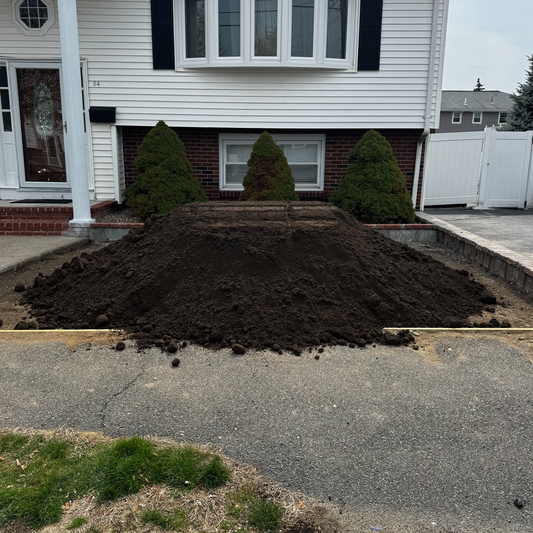
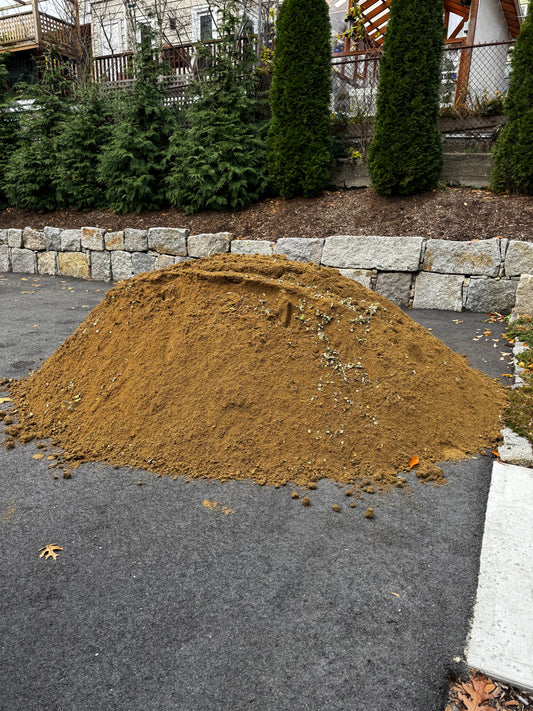
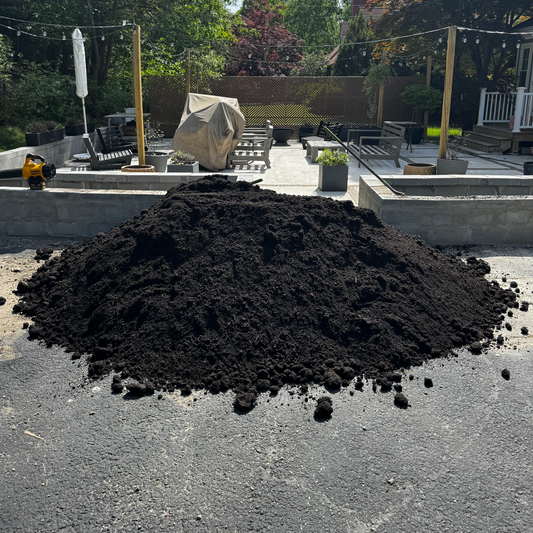
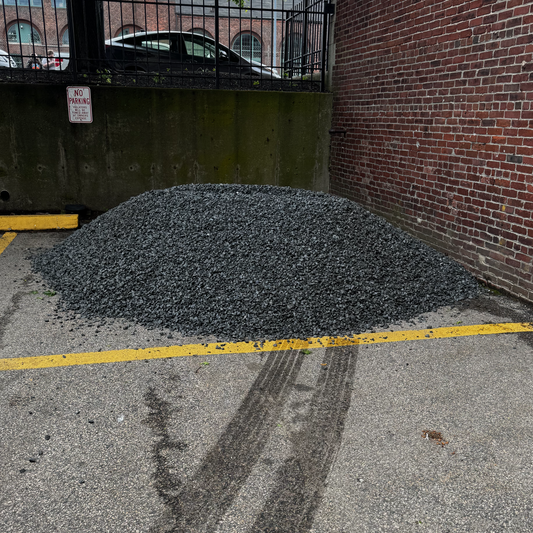
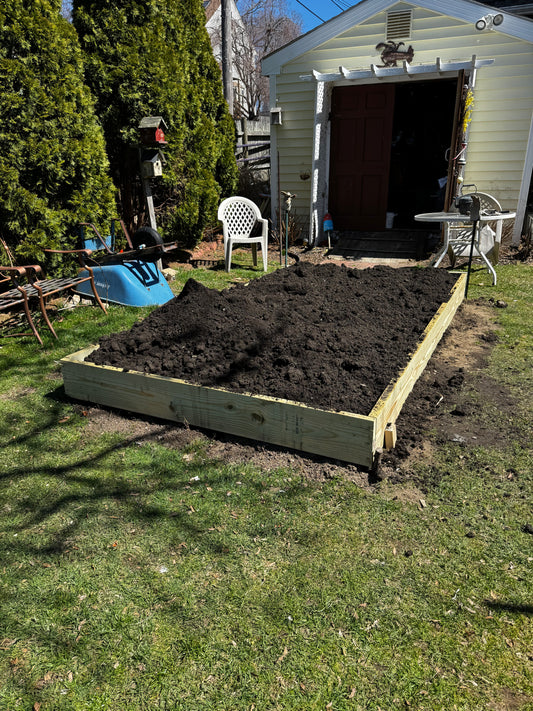
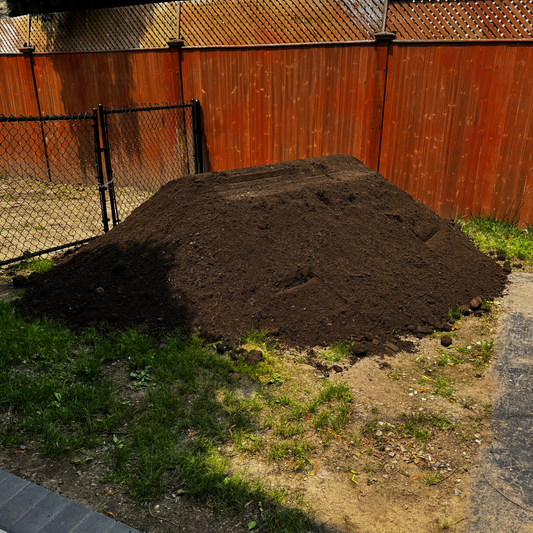
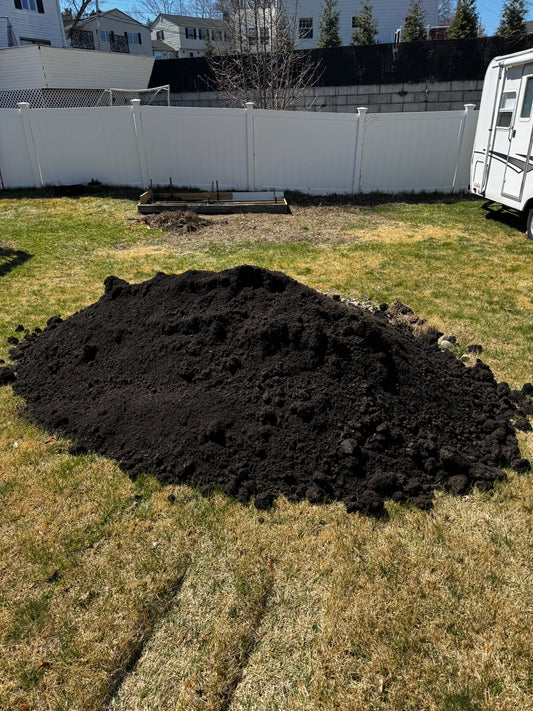
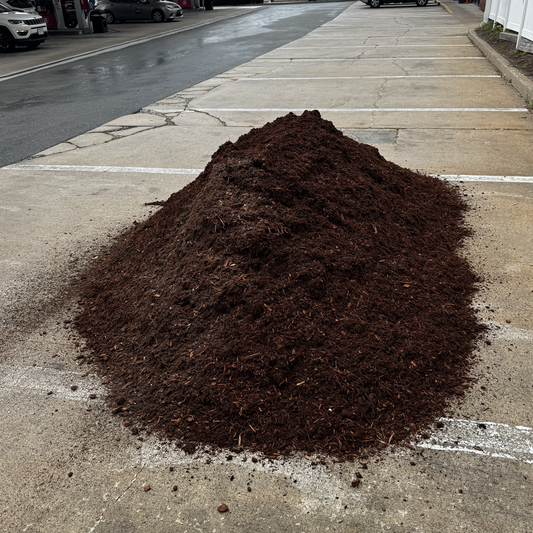
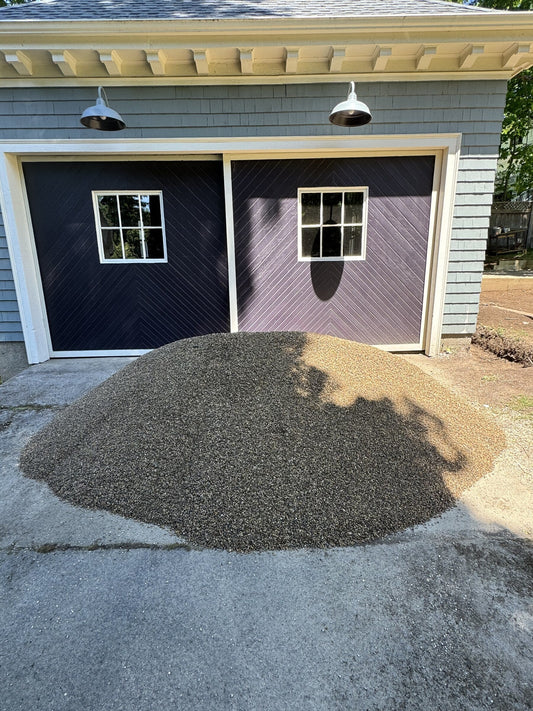
This isn't a marketing review. The yard manager dumped 2 cubic yards on a Quincy driveway in late April and we built a 4x8x12" bed with it. Here's what showed up.
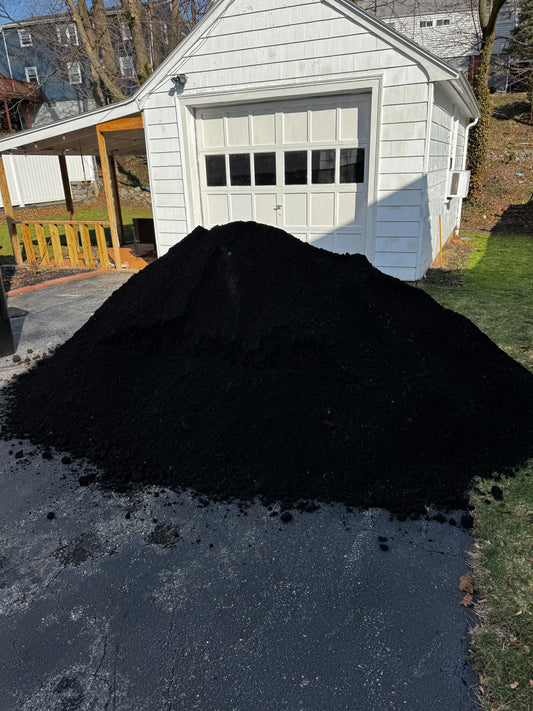
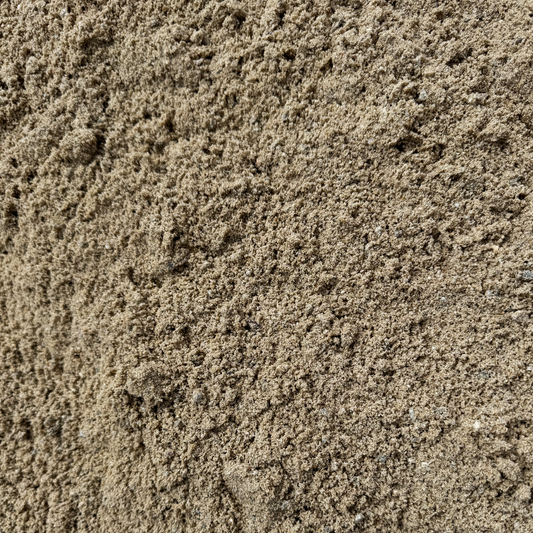
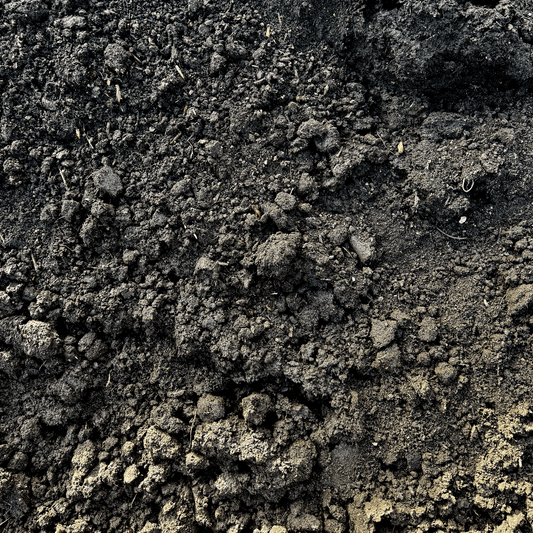
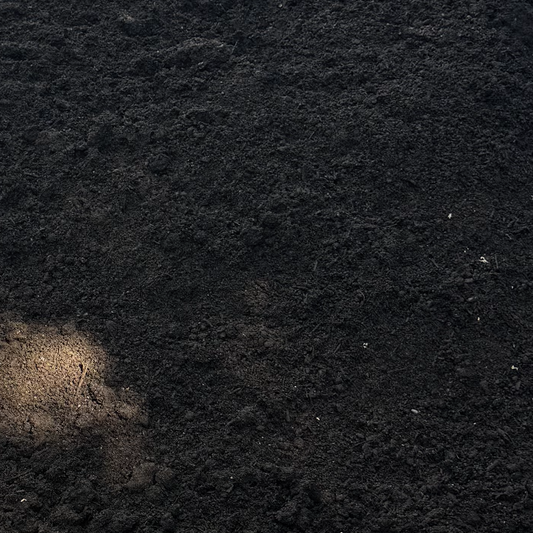
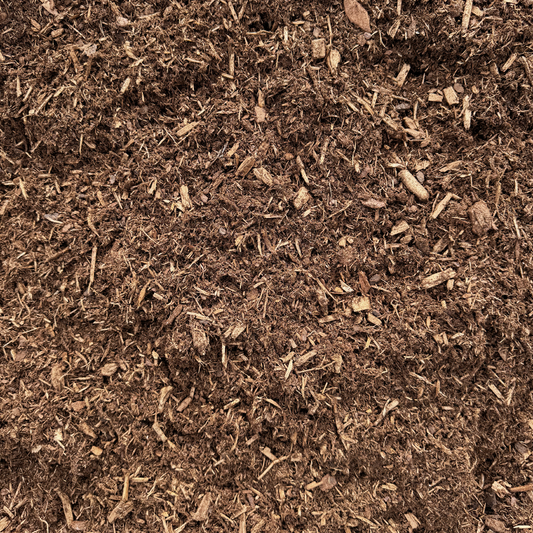
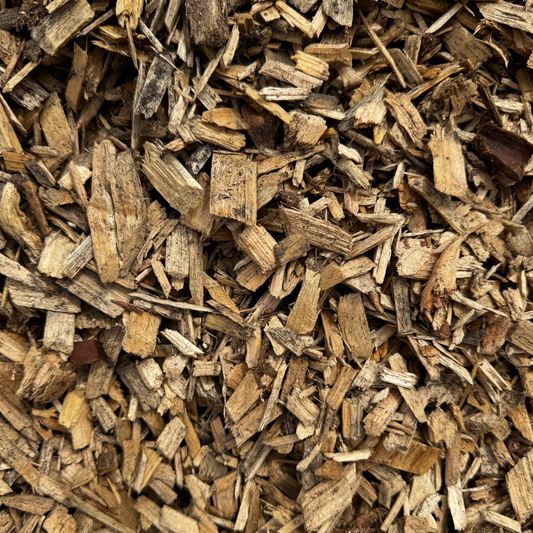
Color: Medium-dark brown. Slightly lighter when dry, much darker when wet. No clay-red tint, no anaerobic black streaks.
Texture by ribbon test: Forms a soft ribbon roughly 1.5 inches before breaking. That's textbook loam — between sandy loam (breaks at <1") and clay loam (ribbons past 2"). The hand feel is gritty but not sandy, smooth but not sticky.
Visible organic matter: Small chunks of partially decomposed leaf and root tissue throughout. Not enough to look mulchy, enough to know the source soil had a healthy biology.
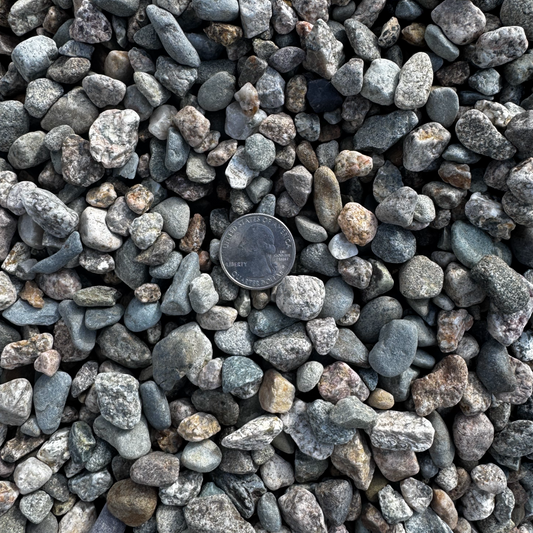
Screening: ⅜-inch is the spec. The pile had occasional ½" stones (within tolerance — no screen catches everything), no rocks larger than that, no root chunks bigger than a finger, no glass, no construction debris.
Smell: Earthy, slightly sweet — the smell of soil that has been sitting in air long enough for aerobic microbes to dominate. No sour or ammonia notes.
Lab-Tested Numbers
A standard UMass Extension Soil Testing Lab sample run on this loam returned:
- pH: 6.4 — slightly acidic, ideal for most vegetables
- Organic matter: 4.7% — solid for bulk loam (anything above 4% is good)
- CEC (cation exchange capacity): 11 meq/100g — moderate, holds nutrients well
- Lead: 8 ppm — below the EPA action level of 400 ppm; safe for vegetable beds
- Phosphorus: medium-high — already adequate, don't over-amend
For a raised vegetable bed, those numbers are exactly what you want. For comparison numbers on bulk topsoil from elsewhere in eastern MA, see Three Bulk Topsoil Blends Compared for Norfolk County Yards.
How It Performed in the Quincy Bed
The bed was a standard layered build — cardboard, branches, then loam mixed 60/30/10 with finished compost and coarse sand. Planted late May with two tomato plants (Cherokee Purple, Sungold), two pepper plants (poblano, jalapeño), basil, and a row of lettuce.
First-month observations: - Drainage handled a wet first week of June without ponding - No nitrogen drawdown — leaves stayed dark green (a sign the loam wasn't competing for nitrogen with undecomposed organic matter) - Earthworms appeared by week three, indicating the bed was settling into a working biology
Mid-summer observations: - Tomatoes set heavy fruit by mid-July with no fertilization beyond the original compost mix - Peppers slower but healthy — typical for first-year beds - Lettuce bolted in mid-June, normal for a Quincy heat curve
Yield: Roughly 18 lbs of tomatoes, 30+ peppers, continuous basil through September. For a single first-year 4x8 bed in Quincy, that's a strong result — no underperformance flags traceable to the soil.
Where It Wins
- Raised vegetable beds. This is the exact product for the use case.
- Lawn repair patches. Top-dress a damaged spot with 1–2 inches of this loam, seed, water — fills bare spots cleanly.
- New beds along a foundation. The pH and organic matter handle most ornamental shrubs without amendment.
- Top-dressing existing lawns. Spread ¼–½" over a tired lawn, rake in, water — improves soil texture year over year.
For ordering specifics on a single yard for a similar bed, see How to Order a Yard of Loam for a Watertown Raised Bed Build.
Where It's Not the Right Pick
- Pure container/potting use. Loam is too heavy for pots — it compacts and doesn't drain in containers. Use a peat-based potting mix instead.
- Slope grading or rough fill. Cheaper unscreened topsoil works fine and saves the loam premium for where it matters.
- Highly acidic-loving plants (blueberries, rhododendrons) — the 6.4 pH is too high. You'll need to amend with sulfur or peat for those.
Pricing and Delivery
By the cubic yard, screened loam runs in the mid-tier of Ottr's bulk products — more than unscreened topsoil, less than premium compost. Trucking from southeastern MA to Quincy is a short haul; expect same-week delivery in spring booking windows.
A typical Quincy raised-bed order is 1.5–2 cubic yards (one or two 4x8 beds). Order from Raised Garden Bed Materials for current per-yard rates and delivery scheduling.
For Plymouth County context on the difference between topsoil, loam, and compost — and which one fits which job — see Topsoil vs Loam vs Compost: What Plymouth County Gardeners Need to Know.
The Verdict
For a Quincy raised vegetable bed, lawn repair, or top-dressing job, Ottr's screened loam is the right product at the right spec. It's not unscreened bargain fill, and the price reflects that — but it's also not over-amended boutique soil. It's working loam, screened clean, lab-tested, with the texture and biology to grow vegetables on the first season.
For broader MA soil context and amendment guidance, the UMass Extension is the most authoritative regional source. For composting standards on the 1/3 mix-in, the US Composting Council sets the baseline.
Rating: 4.5/5. Half a point off for occasional ½" stones — within tolerance for a ⅜" screen but worth knowing if you're planting fine-rooted carrots.