Quick Answer
Topsoil is the top 6–10" of native ground from anywhere — quality varies wildly. Loam is a specific texture (roughly 40% sand, 40% silt, 20% clay) that drains and holds nutrients well. Compost is decomposed organic matter — a soil amendment, not a soil. Plymouth County gardeners need screened loam for raised beds and lawn repair, compost as a 1/3 mix-in for vegetable beds, and rarely need straight unscreened topsoil at all. Below: the differences that actually matter at the bag and the bulk pile.
Why the Terms Get Confused in Plymouth County
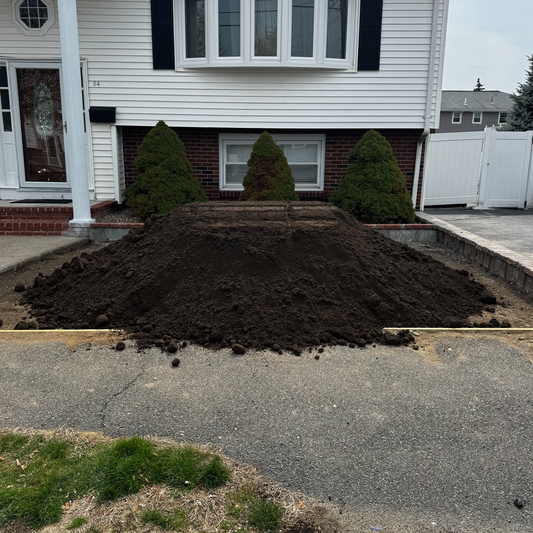
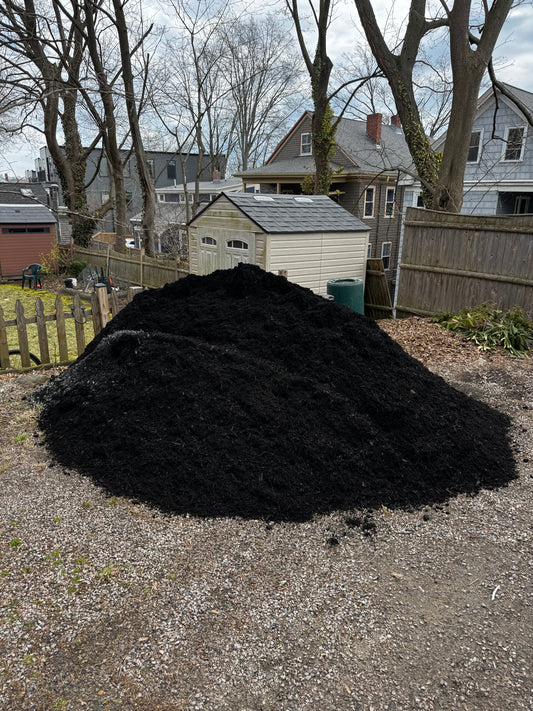
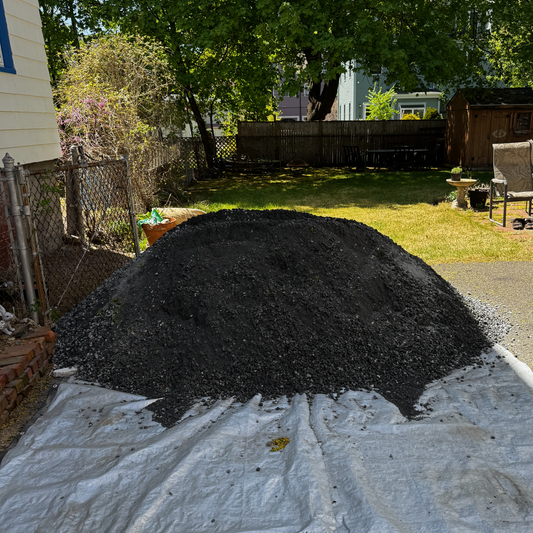
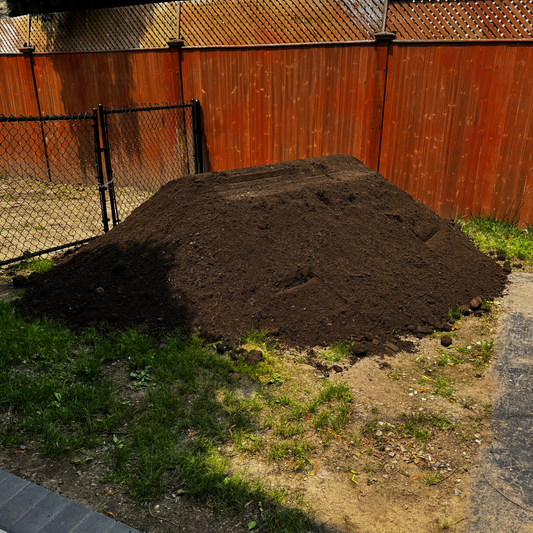
Walk into three Plymouth County yards on the same Saturday and you'll hear "topsoil," "loam," "garden soil," and "compost" used interchangeably for piles that look nothing alike. The terms aren't regulated. A truck dropping "topsoil" in Plympton might dump screened loam; the same word in Halifax might dump unscreened fill with rocks the size of fists.
This Q&A nails down what each term actually means, what to ask for, and which one belongs in which Plymouth County project.
Q: What is topsoil?
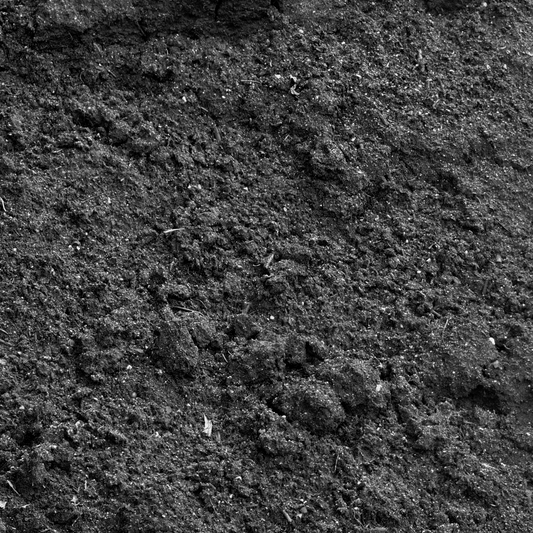
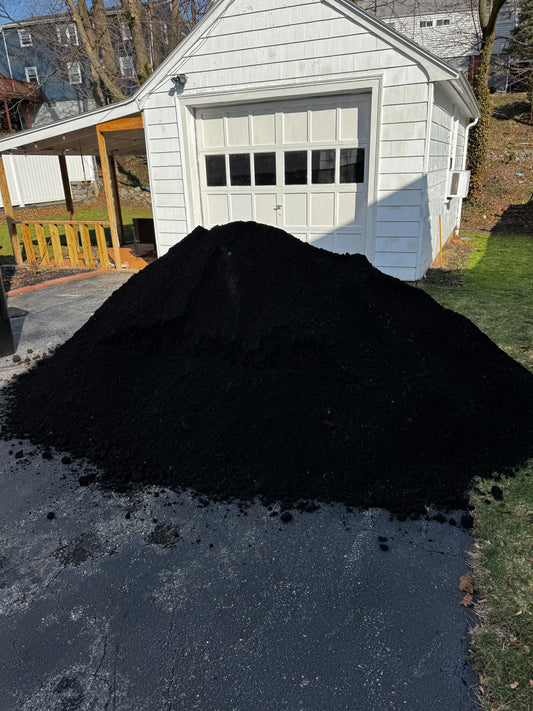
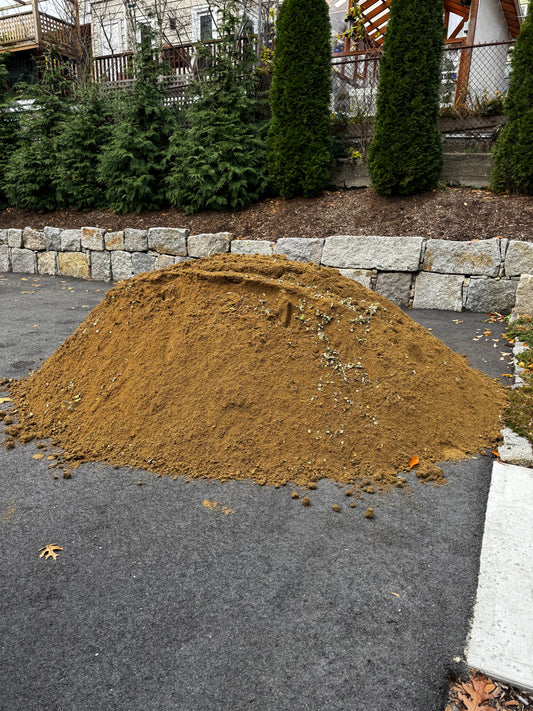
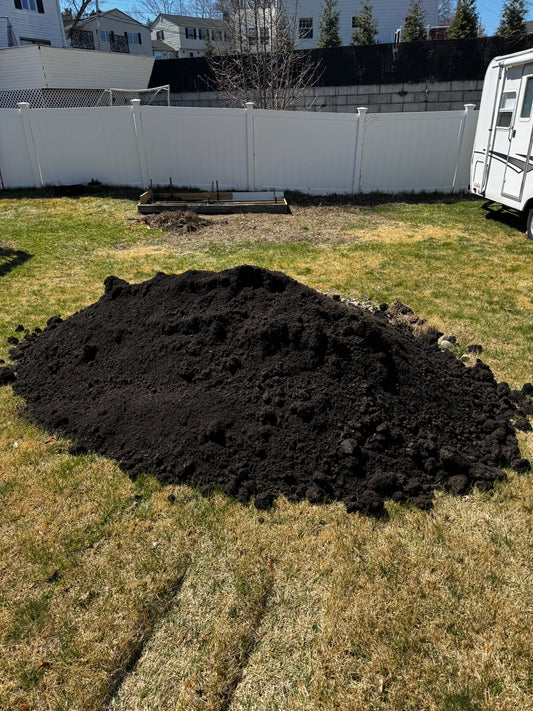
A: The top layer of native soil — usually 6 to 10 inches deep — stripped from a site. Topsoil is a location, not a recipe. The "topsoil" sold at most yards is whatever was on top of the dirt at the site they sourced it from. It might be dense clay from a Halifax cul-de-sac, sandy fill from a Plymouth pine grove, or actually-good loamy material from a Middleborough farm field.
The variability is the problem. "Topsoil" without further qualifier means: best-effort, no guarantees on texture, organic content, pH, or rock content.
Q: What is loam?
A: A specific soil texture — roughly 40% sand, 40% silt, 20% clay — that handles water, nutrients, and root growth better than any other ratio. Loam is what gardeners want under their plants. It drains in a wet April but holds moisture in an August dry spell. Roots push through it without struggle.
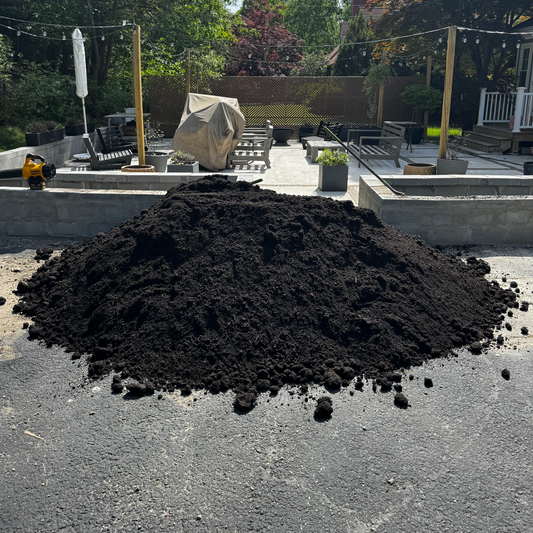
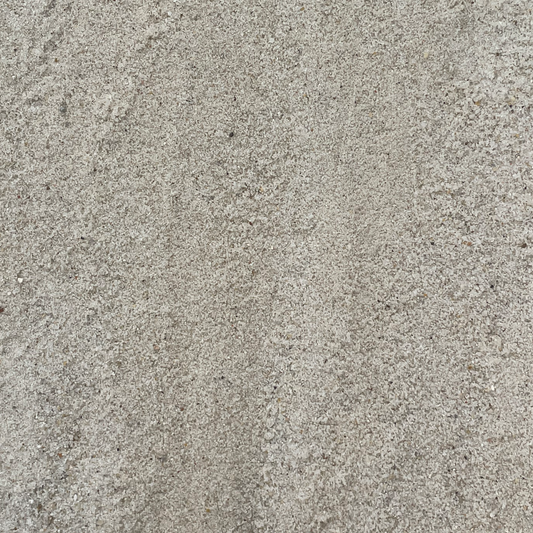
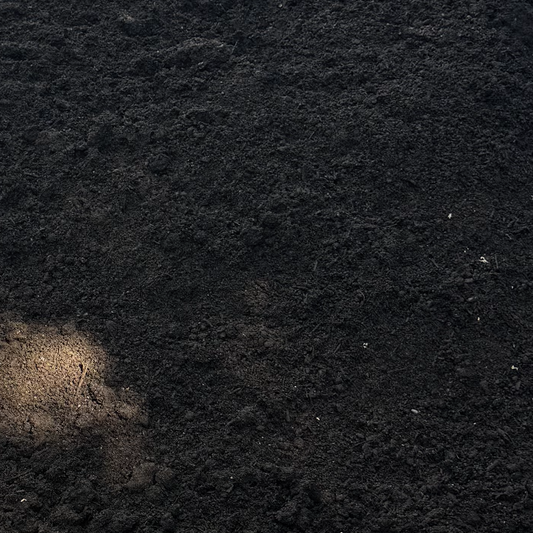
"Screened loam" means the loam has been run through a half-inch or three-eighths-inch screen to remove rocks, root chunks, and debris. Screened loam is the right product for a Plymouth County raised bed, lawn repair, or top-dressing. See How to Order a Yard of Loam for a Watertown Raised Bed Build for the ordering specifics — same logic in Plymouth County.
Q: What is compost?
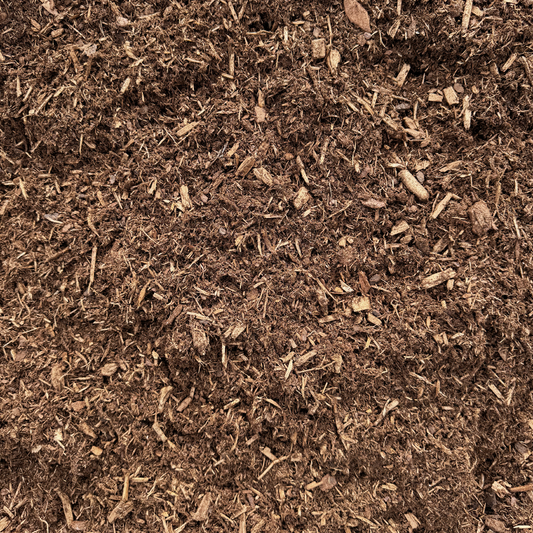
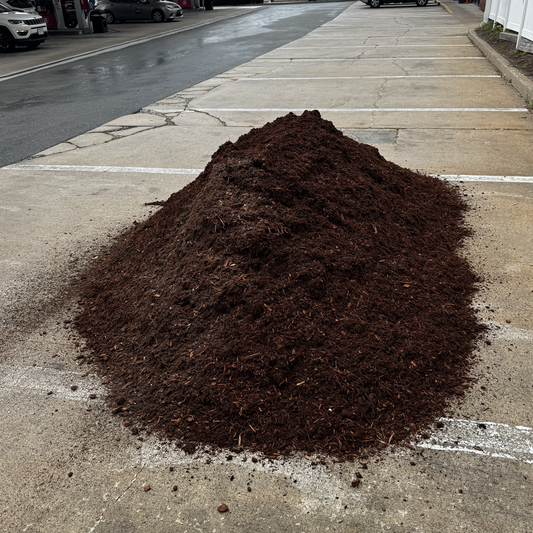
A: Fully decomposed organic matter — yard waste, food scraps, manure — broken down by microbes into a stable, nutrient-dense soil amendment. Compost is not a soil. You don't fill a raised bed with compost. You mix it into soil at roughly 1/3 to boost organic matter and feed the microbes that feed the plants.
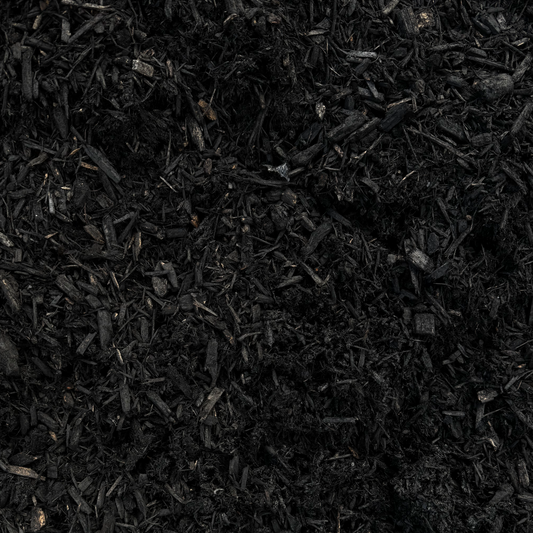
Real, finished compost passes the US Composting Council STA program standards: stable C:N ratio, low ammonia, neutral pH. Half-rotten yard waste is not compost. It's "mulch in disguise" and burns roots when you mix it into a bed.
Q: Can I use unscreened topsoil in a raised bed?
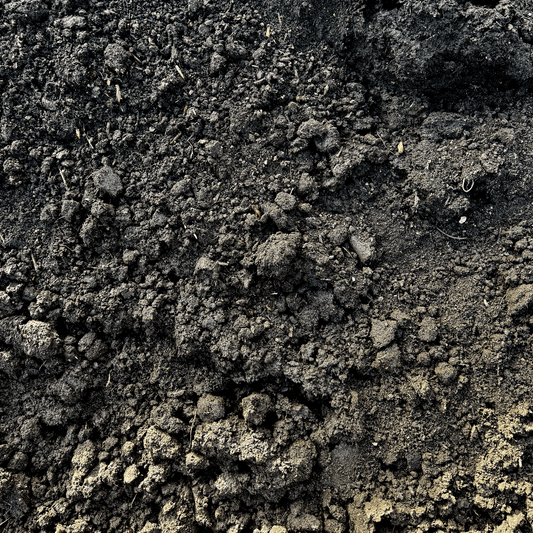
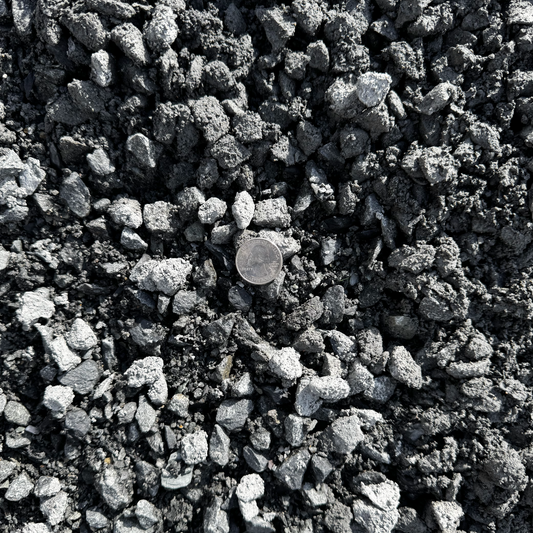
A: No, and Plymouth County gardeners learn this the hard way. Unscreened topsoil arrives with stones, root chunks, sometimes pieces of asphalt or buried trash from the source site. Fine for grading a slope or filling under a lawn that gets reseeded. Ruinous for a vegetable bed where carrot and beet roots need clean structure.
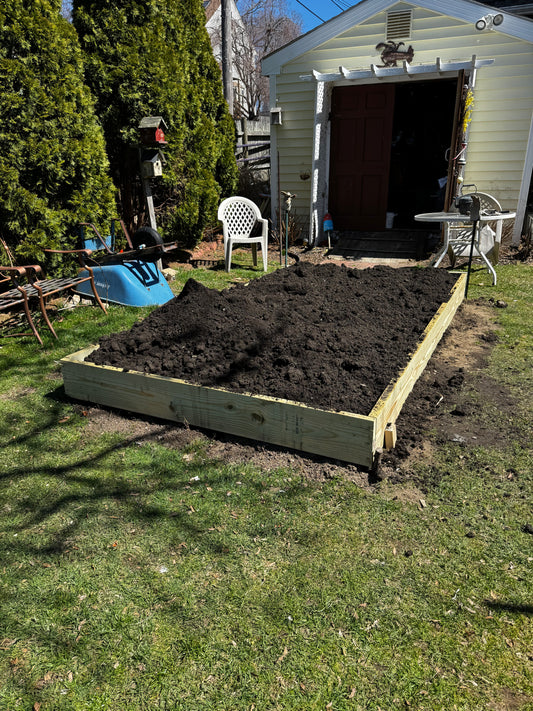
For raised beds, always specify screened loam or a bed mix (loam + compost pre-blended) from Raised Garden Bed Materials.
Q: What's the right blend for a Plymouth County vegetable bed?
A: Roughly 60% screened loam, 30% finished compost, 10% coarse sand.
- Loam provides texture and structure
- Compost provides nutrients and organic matter
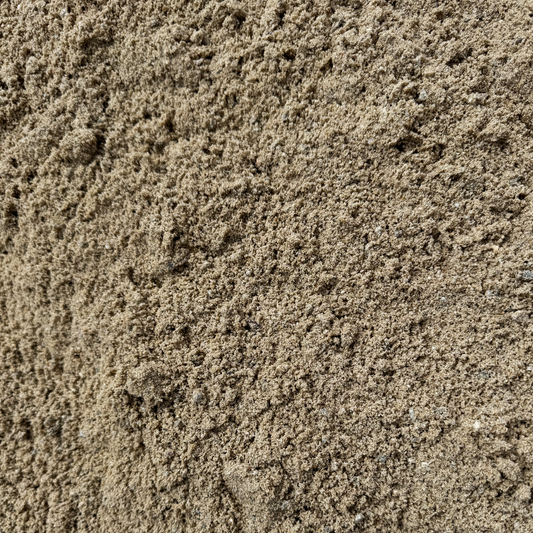
- Coarse sand improves drainage in the heavy native soils common in Plymouth, Halifax, and Bridgewater
For a 4x8x12" bed (1.2 cu yd total), that's roughly 0.7 yd loam, 0.4 yd compost, 0.1 yd sand. Most Plymouth County homeowners over-compost the first year and watch their tomatoes grow leaves but no fruit. Stick to 30%, not 50%.
Q: How do I know if a yard's "topsoil" is actually loam?
A: Ask three questions before you order.
- Where was it sourced? Farm field stripping = good. Construction site fill = often bad.
- Is it screened? At what mesh? ½" or ⅜" is standard for raised beds.
- Is there a soil test on file? A reputable yard knows the pH, organic content, and texture.
If the dispatcher can't answer any of the three, don't order. The UMass Extension Soil Testing Lab will run a sample on bulk soil for under $20 — worth it before a 4-yard purchase.
Q: What's "garden soil" or "potting mix"? Are those different?
A: Yes, both are bagged products, not bulk.
- Bagged garden soil is screened loam pre-mixed with compost and sometimes sand — fine for small jobs but 4–6× the cost per cubic yard of bulk.
- Potting mix contains no soil at all — peat, coir, perlite, vermiculite. For container plants, not for raised beds. Don't fill a raised bed with potting mix; it dries out, blows away, and costs five times what loam costs.
For three Norfolk County bulk topsoil blends compared, see Three Bulk Topsoil Blends Compared for Norfolk County Yards — same product lineup as Plymouth County. For Ottr's specific screened loam reviewed in a Quincy bed, see Ottr Screened Loam: Walkthrough of What's in the Pile.
Q: Does Ottr stock all three?
A: Yes — screened loam by the cubic yard, finished compost by the cubic yard, and a pre-blended raised-bed mix. The bed mix is the right choice for first-time raised-bed builders who don't want to do the math. Browse Raised Garden Bed Materials for current per-yard rates and delivery scheduling. For a Plymouth County full pillar guide on raised-bed builds in MA, see How Do I Build a Raised Garden Bed in Massachusetts?.
The Plymouth County Decision Tree
- Filling a raised vegetable bed? → Screened loam + compost (60/30) or pre-blended bed mix
- Repairing lawn patches? → Screened loam alone, top-dressed
- Top-dressing a lawn for soil-building? → ½" of compost, no loam needed
- Grading a slope or filling low spots? → Unscreened topsoil works fine
- Starting tomatoes in pots? → Bagged potting mix, not loam, not compost
For broader MA soil context, the UMass Extension is the most authoritative regional source on what soil to use where.
The names matter less than knowing what you're actually buying. Ask three questions, specify the texture, and don't pay loam prices for unscreened fill.