Quick Answer
For a Norfolk County yard — Brookline, Dedham, Needham, Sharon, Wellesley — the right bulk topsoil depends on what the soil is for. Screened loam wins for lawn leveling and seed beds. A compost-topsoil blend (50/50) wins for vegetable gardens and raised beds. Unscreened topsoil wins for grading and bulk fill where you don't see the surface. Below: how each of the three performs in a real Norfolk County yard, what each costs by the cubic yard, and how to pick the right one.
How We Test Topsoil for Norfolk County
The test job for this review was a 2,400 sq ft Sharon yard with three needs — a 600 sq ft lawn-leveling project, a 4'×16' vegetable bed build, and a 30-foot regrade behind the garage. Three different blends, three different needs, one Norfolk County climate.
The yardage math: lawn leveling at 1 inch deep needs about 1.85 yds; the vegetable bed at 12 inches deep needs about 2.4 yds; the regrade needs about 4 yds. Roughly 8 yards of soil, three different products.
#1 — Screened Loam (Best for: lawn leveling, seed beds, finish grade)
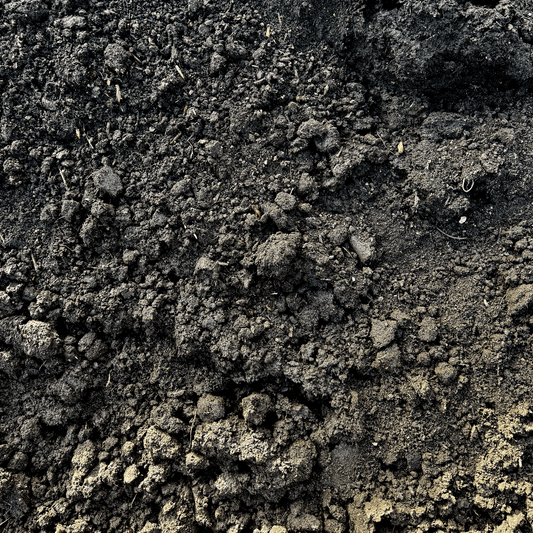
Screened loam is topsoil run through a 1/2-inch screen to remove stones, root chunks, and debris. The result is a uniform, fine-textured soil that lays flat under a rake and accepts seed without competing with surface debris.
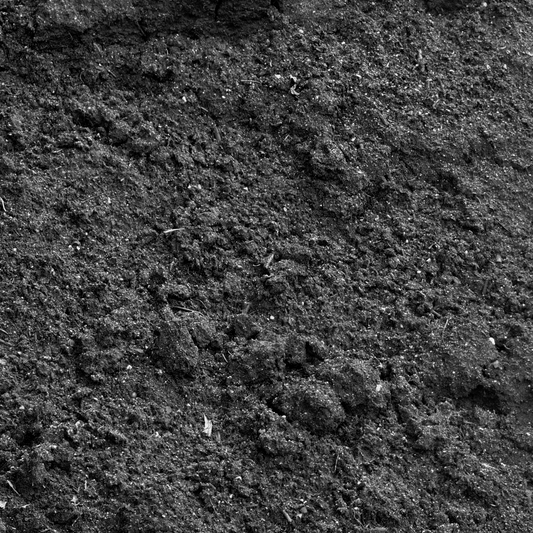
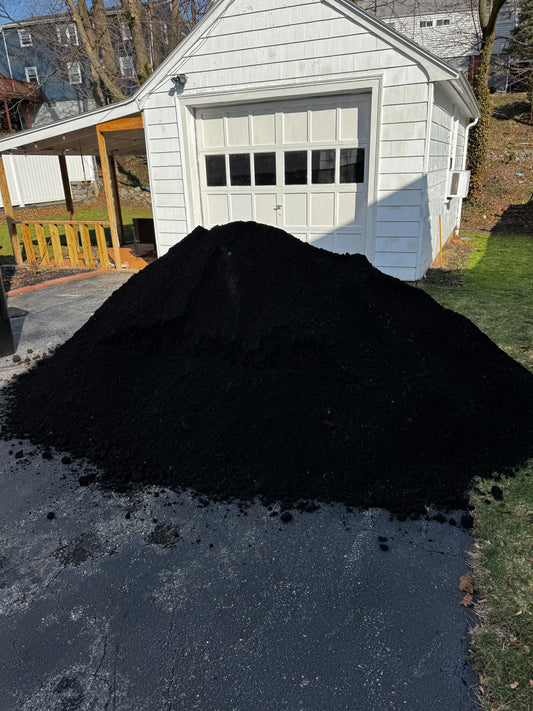
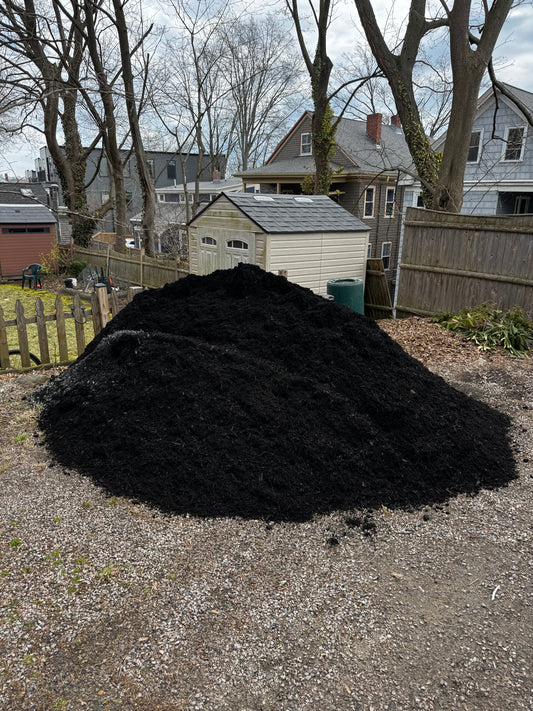
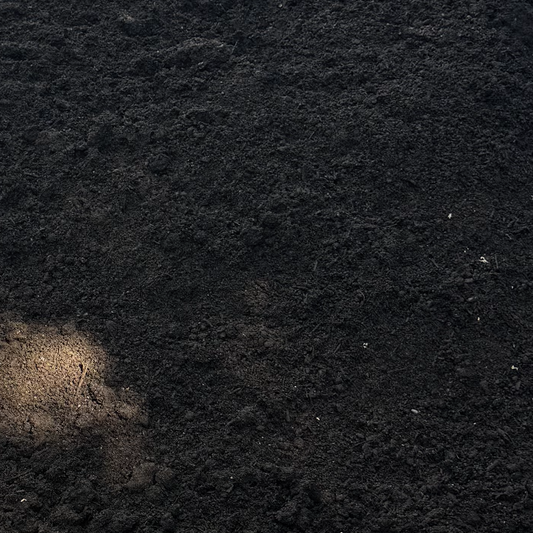
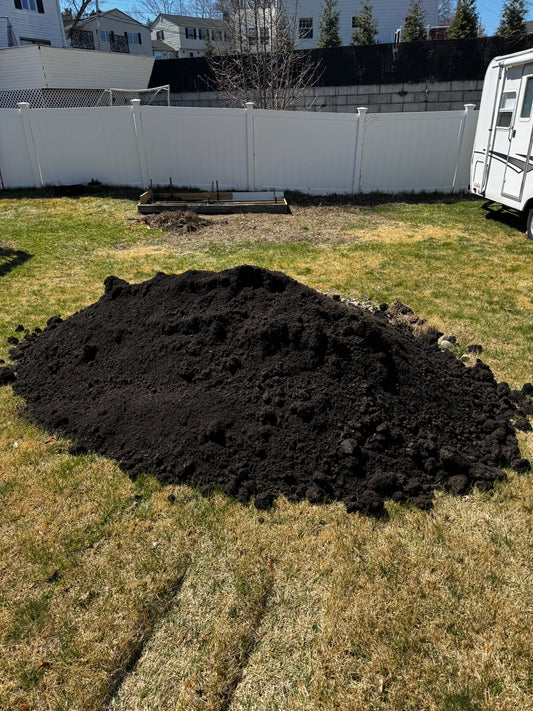
What it looks like: Dark brown to black, fine crumb structure, no visible stones over pea size, small amount of organic matter.
Where it wins: Anywhere the surface matters. Lawn leveling, sod prep, seed beds, finish grading around a paver patio, top-dressing for an established lawn. The Sharon job used it for the lawn leveling and the vegetable-bed top-off.
Where it doesn't: Bulk fill behind a wall or under a deck. You're paying for the screening, and the screening doesn't matter if no one's seeding into it.
Cost: Mid-tier per cubic yard. Premium over unscreened, discount to compost blends.
Norfolk-specific notes: Most Norfolk County's native soil is acidic glacial till — pH 5.0–5.5 with significant clay. Screened loam from the bulk catalog typically tests pH 6.0–6.8, which is the right correction for cool-season turf. Pull a UMass soil test on your existing yard before ordering — if your native pH is 4.8, you'll want to amend with lime regardless of the loam you bring in.
#2 — Compost-Topsoil Blend (Best for: vegetable gardens, raised beds, ornamental beds)
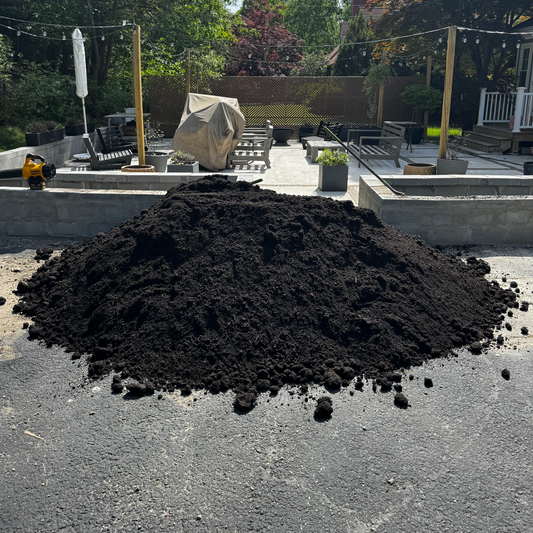
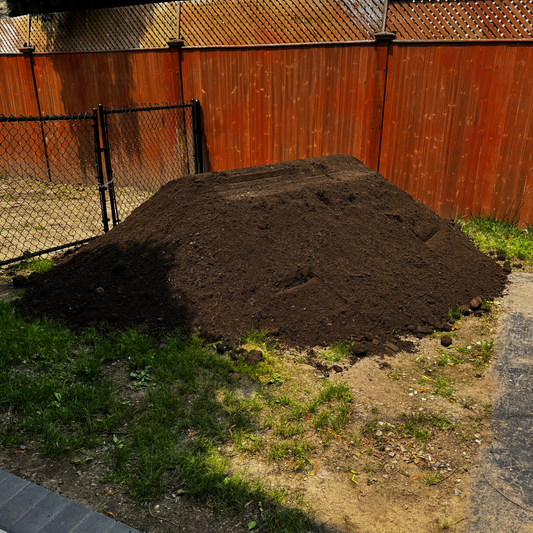
A 50/50 blend of screened topsoil and aged compost. The compost adds organic matter, slow-release nutrients, and water-holding capacity. The topsoil contributes mineral structure and bulk.
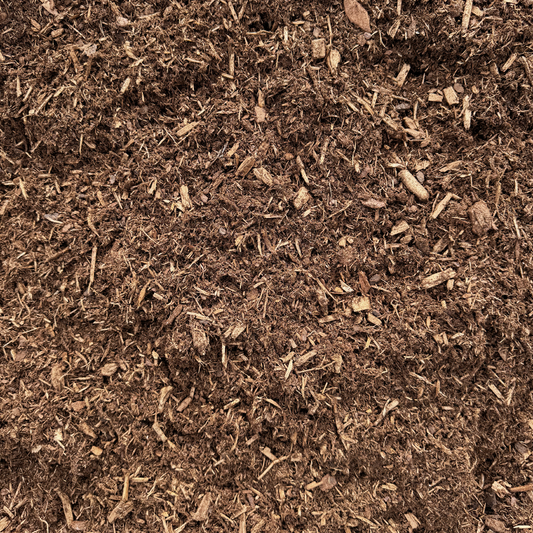
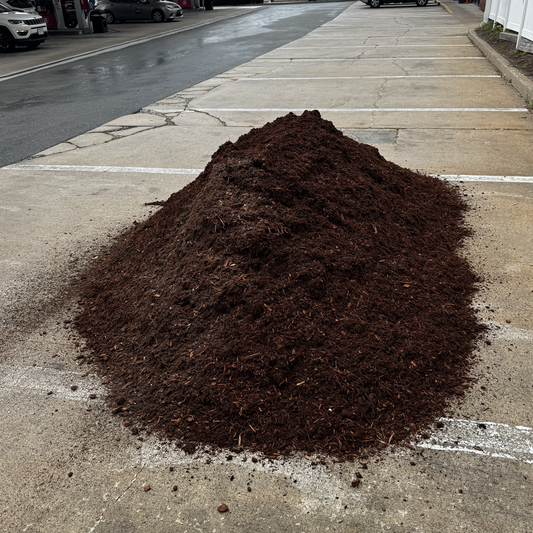
What it looks like: Dark, almost black, with visible compost crumb and a slight earthy smell. Holds together in a fist but breaks easily.
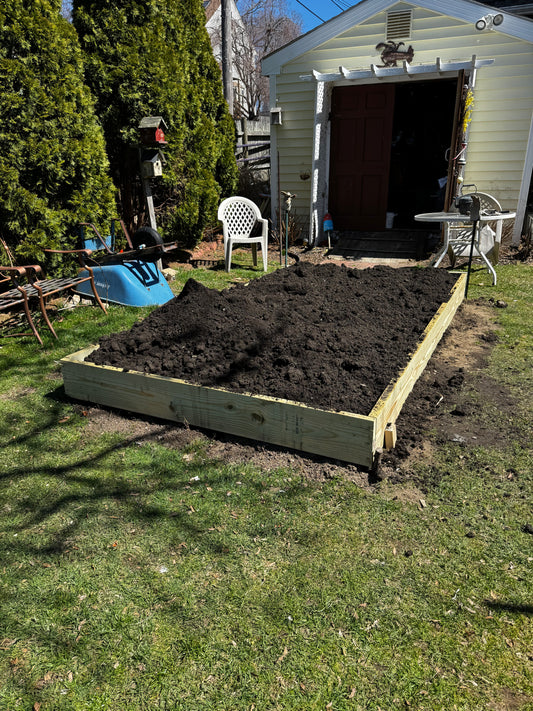
Where it wins: Raised beds, in-ground vegetable beds, perennial bed builds, foundation plantings where you want the plants to thrive without three years of soil-building. The Sharon job used it for the 4'×16' raised vegetable bed.
Where it doesn't: Lawn seed beds. Compost-rich soil grows weeds aggressively from any dormant seed bank in the compost. Use straight screened loam under turf seed instead.
Cost: Premium tier. Roughly 30–50% more per cubic yard than screened loam, justified by the organic-matter loading.
Norfolk-specific notes: A Seal of Testing Assurance program-certified compost in the blend is what you want — it confirms the compost has finished thermophilic composting, killed pathogens, and stabilized chemically. Cheaper "compost-topsoil" blends from yards that source compost informally can carry weed seeds and incomplete decomposition that ties up nitrogen for your first growing season.
For raised-bed layering specifically, see How to Layer a Somerville Raised Bed: Loam, Compost, and Mulch in the Right Order. For Quincy-job notes on screened loam in a raised bed, see Ottr Screened Loam: Walkthrough of What's in the Pile (Tested in a Quincy Bed).
#3 — Unscreened Topsoil (Best for: bulk fill, regrading, behind walls, under decks)
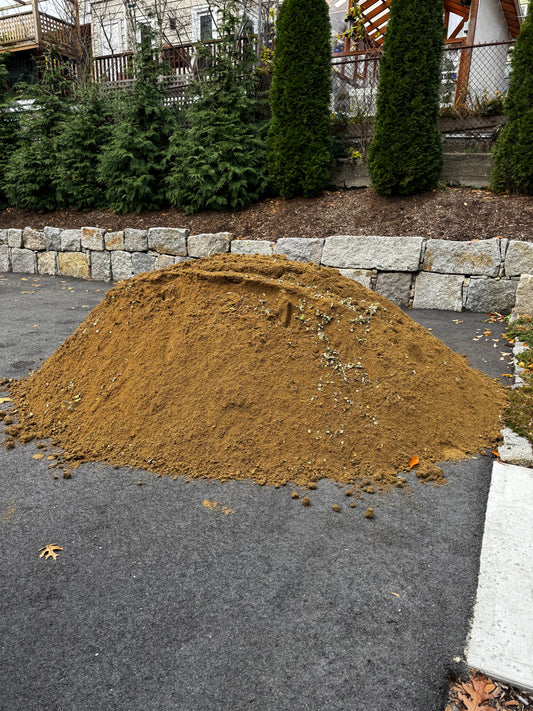
Unscreened topsoil is what comes off the field or the strip site — soil with stones, root pieces, and uneven texture left in.
What it looks like: Variable. Dark soil with chunks, occasional stones over fist size, visible root and stick fragments.
Where it wins: Bulk fill where you're not finishing the surface. Backfill behind a retaining wall, regrading around a foundation, raising a low spot in a side yard, fill under a deck. The Sharon job used it for the 30-foot regrade behind the garage where the surface gets sodded later but doesn't need to be perfect right now.
Where it doesn't: Anywhere you're seeding, planting, or laying sod immediately. The stones and chunks make finish work miserable.
Cost: Lowest tier. Often 30–50% cheaper than screened loam by the cubic yard.
Norfolk-specific notes: Norfolk County's tighter lots — Brookline, parts of Newton — often don't have the access to dump unscreened in bulk, and the marginal cost over screened is small enough that the screening is worth it. On larger Sharon, Medfield, and Walpole lots where 6–10 yards of fill is reasonable, unscreened pays.
Side-by-Side: When to Pick Which
| Use case | Best blend | Why |
|---|---|---|
| Lawn leveling, top-dress | Screened loam | Fine surface, accepts seed |
| Sod bed prep | Screened loam | Root contact, no debris |
| Vegetable garden | Compost-topsoil 50/50 | Organic matter, fertility |
| Raised bed build | Compost-topsoil 50/50 | Long-season fertility |
| Perennial bed | Compost-topsoil 50/50 | Establishment fuel |
| Backfill behind wall | Unscreened | Cost-efficient bulk |
| Regrade under deck | Unscreened | Hidden, function-only |
| Foundation grading | Unscreened, then loam topcoat | Bulk + finish |
For deeper background on the topsoil/loam/compost distinction across Plymouth County yards (same logic as Norfolk), see Topsoil vs Loam vs Compost: What Plymouth County Gardeners Need to Know.
Ordering for a Norfolk County Yard
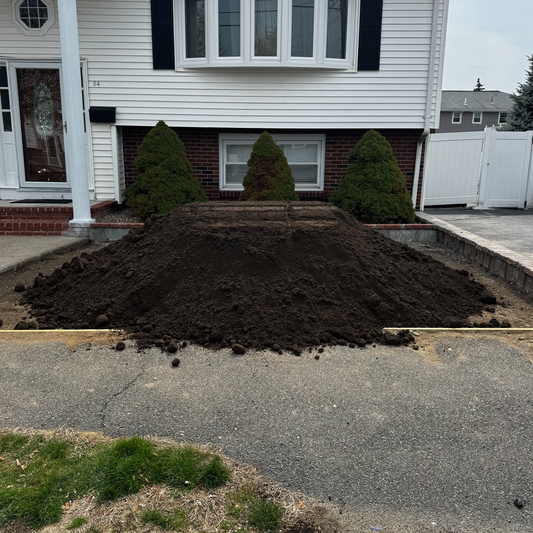
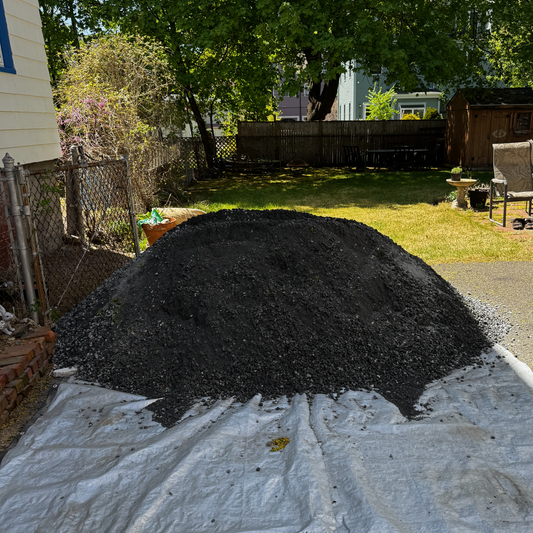
The Sharon job above ordered all three in a single coordinated drop — 2 yds screened loam, 2.5 yds compost-topsoil blend, and 4 yds unscreened, on the 14-yard hauling truck with three drop spots arranged on the property. Total trucking ran one mobilization fee instead of three. That's worth $80–$120 in saved delivery cost.
If you can plan all your soil needs together in January or February — even if you're not building until April or May — the single-drop savings compounds.
For broader topsoil-and-grading guidance specific to MA, the UMass Extension Landscape program has the regional reference. For compost-quality standards and certified-product directory, the US Composting Council maintains the Seal of Testing Assurance database.
The takeaway for Norfolk County: don't buy one soil. Buy the right soil for each job, and order the trio together.