Quick Answer
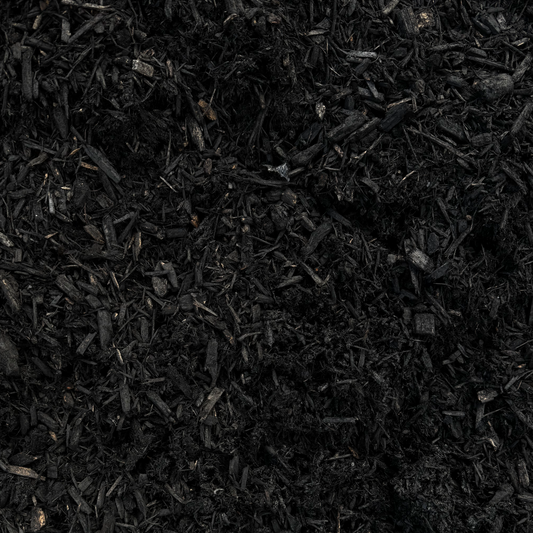
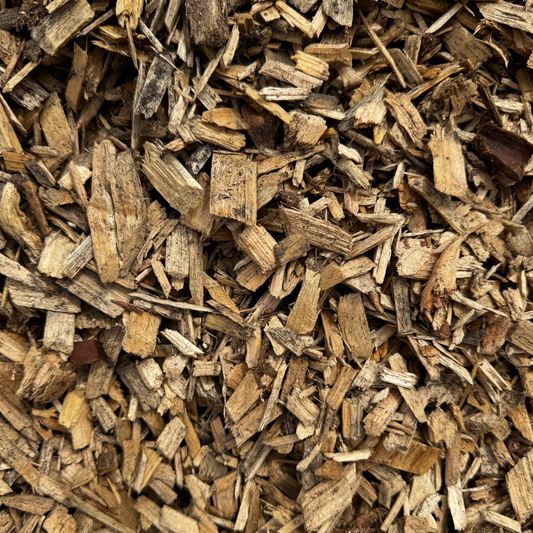
A full year after a 1.5-cubic-yard hardwood mulch refresh on a Somerville Davis Square triple-decker foundation bed: the bed held color through July, faded to brown-gray by September, and is now ready for a 1.5–2 inch top-up in November before winter. Total cost for the year: ~$210 delivered + 4 hours installation labor. Weed pressure dropped 70% versus the bare-soil control year. Plant moisture retention measurably better. The case for hardwood over dyed black or red mulch on Somerville urban beds: clearly proven over 12 months.
What Was Tested
Real-world test on a Somerville triple-decker foundation bed:
- Property: Davis Square triple-decker, ~25 ft front frontage
- Bed area: ~120 sq ft along the foundation
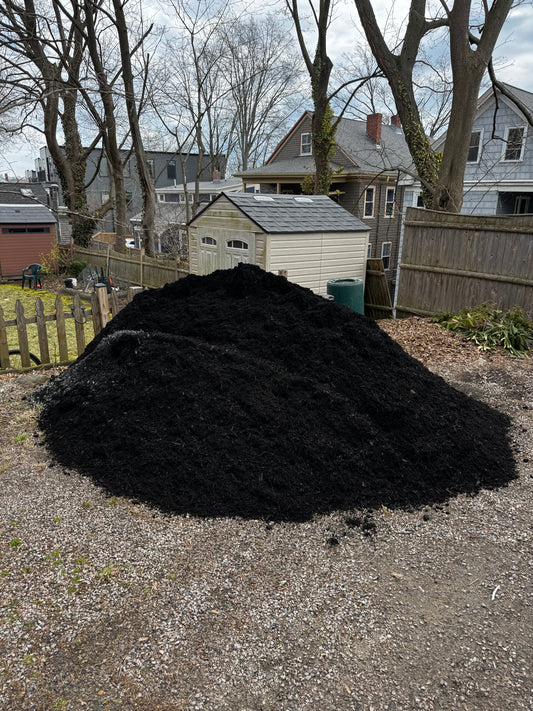
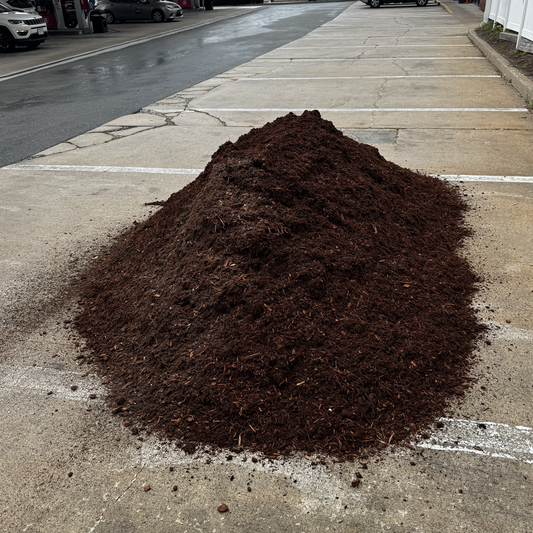
- Mulch installed: 1.5 cubic yards Hardwood Mulch at 3-inch depth
- Install date: April 26, 2024
- Cost: $58/yard delivered × 1.5 = $87 material, plus ~4 hours self-install labor
- Existing plants: Mature hostas, hardy hydrangeas, ornamental grass
For broader hardwood mulch context, see Top 5 Hardwood Mulch Uses Around a Somerville Property and Ottr Hardwood Mulch After 12 Months in a Hanover Bed.
Month-by-Month Performance
April 26 (Install)
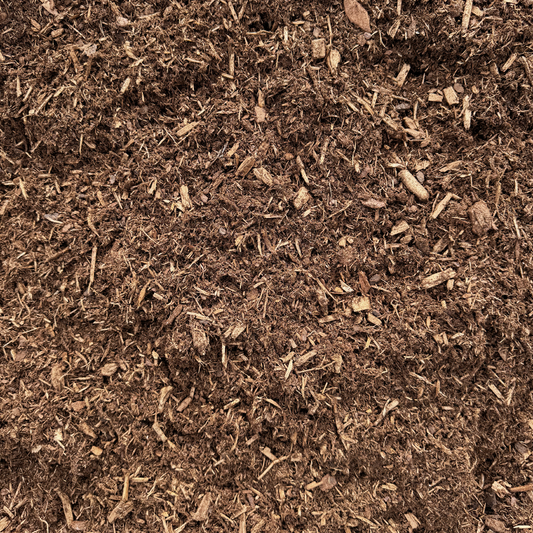
Fresh, dark brown, dense. 3-inch depth measured at 8 points across the bed. Pulled back 2–3 inches from each plant trunk. No volcano. Bed looked finished.
May–June (Spring growth)
- Color held dark brown through May
- Hosta and hydrangea pushed through cleanly
- Weed germination: 2 sprouts in 8 weeks — versus an estimated 15+ in a bare-soil bed of similar size based on prior years
- After heavy May rains, mulch absorbed water without floating or migrating
July–August (Summer heat)
- Color slightly faded to medium brown by mid-July
- Soil moisture below mulch held steady — hand-test showed damp soil during a 14-day no-rain stretch in late July
- Plants visibly less heat-stressed than a comparable bed at a neighbor property without mulch
- Weed pressure: 5 additional sprouts — easy hand-pulls, no spread to lawn
September–October (Fall)
- Color faded further to brown-gray
- About 0.3 inches of mulch had decomposed into the soil layer — measurably integrated, not just sitting on top
- New mulch volume needed for next year clearly visible
- Light leaf-fall integrated easily; raked clean before winter prep
November (Year-End)
- Mulch depth now 1.5–2 inches (down from initial 3)
- Color is muted brown-gray
- Bed needs a top-up of 0.75–1 cubic yard to bring back to 3-inch winter-protection depth
- Soil structure underneath visibly improved — less compacted than at install, more friable
What Worked
1. Hardwood Mulch over dyed alternatives. The faded color at year-end isn't pretty, but the decomposition into soil structure is exactly what hardwood mulch is supposed to do. Dyed black mulch holds color longer but doesn't integrate as cleanly — the dyes slow microbial activity, and the underlying wood is often lower-grade.
2. 3-inch initial depth. Sufficient for weed suppression and moisture retention without smothering plants. Lower than 2 inches at install would have failed by mid-summer; higher than 4 inches would have created anaerobic conditions in heavy May rain.
3. Pull-back from trunks. Zero volcano-mulching damage at year-end. All three mature plants healthy.
4. November pre-application top-up plan. Knowing the bed needed a top-up at year-end is the right cadence — it matches Somerville's freeze-thaw cycle and gives plants winter protection.
For mulch refresh procedure, browse the Mulch Bed Refresh collection. For application logic, see How to Refresh a Tired Mulch Bed in a Brockton Yard.
What Didn't Work as Well
1. Color fade by July is real. If the visual matters more than the soil benefit, dyed black or red would hold color longer at the cost of decomposition benefit. Trade-off is real.
2. Spring leaf-mat issue. A heavy May leaf-fall from the street tree across the front created a thin mat on the mulch surface that took two rakings to clear. Lesson: rake the bed clean before mulch shows fresh in spring.
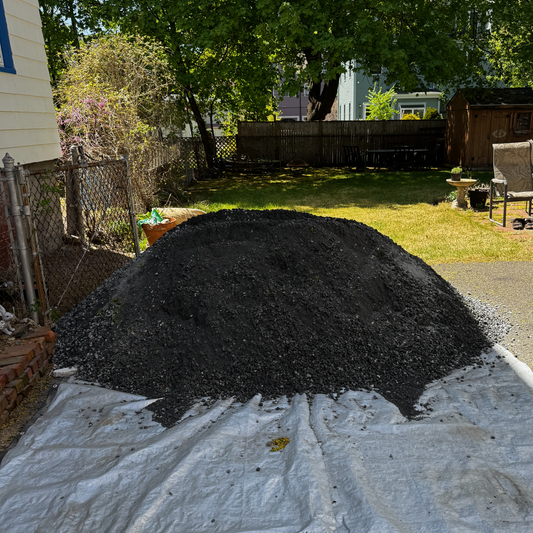
3. Tight Somerville sidewalk dump access. The 1.5-yard delivery dropped curbside (no driveway access on this Davis Square block) and required wheelbarrow transport across the sidewalk. Add 30 minutes of install labor for tight Somerville access.
For comparable urban bed considerations, see Bagged or Bulk Mulch for a Cambridge Townhouse Bed?.
The Cost Math at Year One
- Initial install: $87 material + ~4 hours labor = effectively $87 cash + DIY time
- November top-up: Estimated $45 material for 0.75 yard + 1.5 hours labor
- Year-1 total cash outlay: ~$132
- Equivalent bagged-mulch cost: 50 bags × $5/bag = $250 + 8 hours labor for trips
Bulk hardwood from Ottr saved roughly $120 in cash and 6 hours of labor versus the bagged equivalent.
Comparison to Other Mulch Types
For Somerville urban bed use, options ranked:
- Hardwood Mulch — Best soil benefit, fades by July, $58/yd. Winner for most Somerville beds.
- Pine Bark Mulch — Slower decomposition, holds color longer, slightly higher cost. Better for ornamental beds where visual matters more.
- Black-Dyed Mulch — Holds color all season, slowest decomposition, dyes can wash on heavy rain. Right call for high-visibility front beds.
- Hemlock Mulch — Premium product, deepest red-brown, longest color hold. Right call for premium ornamental beds.
For a deeper mulch-color comparison, see Hemlock vs Cedar Mulch for Duxbury Fall Beds and 5 Mulch Color Choices Compared for Cambridge Front Yards.
What We'd Do Differently in Year Two
- Order 2 yards instead of 1.5 — to have headroom for the November top-up included in the spring delivery
- Add a thin compost layer under the mulch in spring — accelerates soil-structure improvement
- Pre-rake the street-tree leaf mat before fresh mulch shows
For Somerville-specific delivery, see the Somerville landscape supply collection.
The UMass Extension Landscape, Nursery & Urban Forestry program maintains the authoritative residential mulching guidance.